
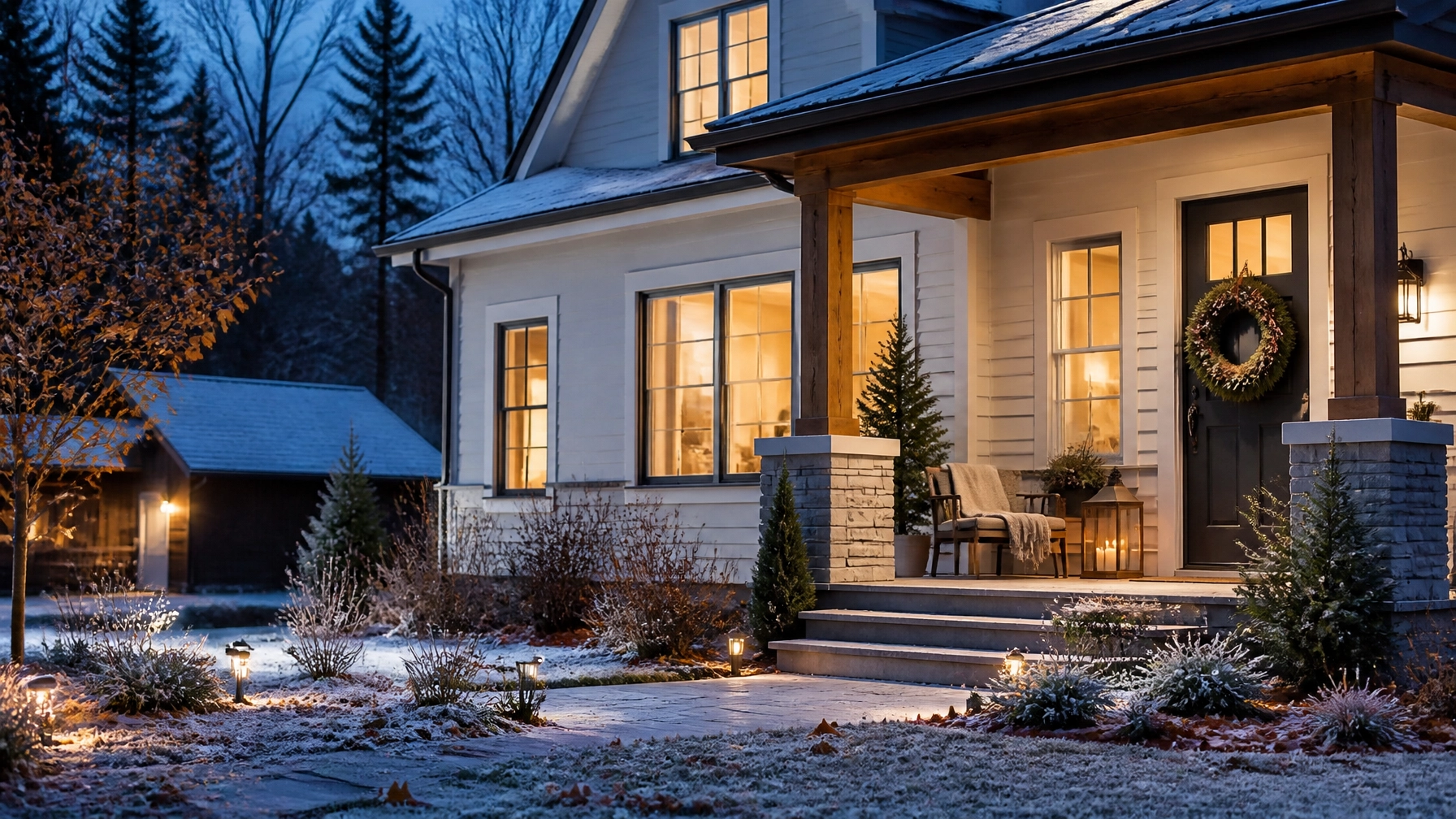
As temperatures begin to drop and the first signs of frost appear on the grass, the transition into winter can often feel like a looming list of chores. For many households, the idea of “winterizing” sounds like a weekend-long project involving ladders, heavy tools, and professional contractors. However, maintaining a comfortable and energy-efficient home doesn’t always require a massive time investment.
Efficiency in home maintenance is often about identifying the high-impact tasks that yield the greatest return on effort. By focusing on a “sprint” approach, it is possible to tackle the most critical winter preparation tasks in under 30 minutes. This strategy focuses on preventing immediate damage, such as burst pipes, and stopping the most egregious energy drains, such as window drafts.
Taking these small steps now can prevent expensive repairs later and significantly improve daily comfort. For those who are already following a weekly cleaning schedule, adding a seasonal winterization sprint is a logical extension of proactive home care.
The High-Impact 30-Minute Sprint
The following checklist is designed for speed and impact. By gathering a few basic supplies: such as a furnace filter, a few faucet covers, and a roll of weatherstripping: the following tasks can be completed in a single loop around the property.
1. Protecting Outdoor Plumbing (5 Minutes)
Outdoor plumbing is perhaps the most vulnerable part of a home during a deep freeze. When water freezes inside a pipe, it expands. This expansion creates immense pressure that can cause copper or PEX pipes to split, leading to catastrophic flooding once the ice thaws.
The first step in the 30-minute sprint is to disconnect all garden hoses. A hose left attached to a spigot can trap water inside the faucet’s “stem,” where it is most likely to freeze. Once disconnected, drain the hoses and store them in a garage or shed.
Next, locate the interior shut-off valves for outdoor faucets if the home is equipped with them. Turn these valves off and then go outside to open the exterior faucets, allowing any remaining water to drain out. Finally, slip an insulated foam cover over the outdoor spigots. These covers provide a dead-air space that keeps the heat from the house concentrated around the faucet.

2. Sealing Major Air Leaks (10 Minutes)
Drafty doors and windows are the primary reason for high heating bills and cold spots in living areas. While a full home sealing project takes hours, a 10-minute “draft patrol” can address the worst offenders.
Start by checking the front and back doors. If light is visible through the gaps around the door frame, heat is escaping. Applying adhesive-backed foam or rubber weatherstripping to the door stop is a quick fix that creates a tighter seal when the door is closed.
For windows that feel particularly cold, check to ensure they are fully closed and locked. The locking mechanism often pulls the sashes together, creating a much more effective seal than just sliding them shut. If a window remains drafty, a temporary fix involves using a draft stopper: a weighted fabric tube: at the base of the sill.

3. HVAC Filter and Airflow (5 Minutes)
A furnace has to work significantly harder to push air through a dust-clogged filter. This not only increases energy consumption but also puts unnecessary strain on the blower motor, potentially shortening the lifespan of the HVAC system.
Replacing the air filter is a 60-second task that should be done at the start of every heating season. A fresh filter ensures maximum airflow and helps maintain better indoor air quality during months when windows remain closed.
While at the furnace, ensure that the area around the unit is clear of flammable materials. It is also helpful to do a quick walk-through of the house to ensure that no furniture, rugs, or curtains are blocking the heat registers. Blocked vents can lead to uneven heating and “cold rooms” that make the thermostat work overtime.

4. Reversing Ceiling Fans (2 Minutes)
Most modern ceiling fans have a small toggle switch on the motor housing that reverses the direction of the blades. During the summer, blades should spin counter-clockwise to create a cooling downdraft. In the winter, however, they should spin clockwise at a low speed.
Because warm air rises, it often becomes trapped near the ceiling where it provides no benefit to the occupants. By reversing the fan, a gentle updraft is created, which pushes the warm air down the walls and back into the living space. This simple adjustment can allow for a lower thermostat setting without a loss in perceived comfort.
5. Safety Device Audit (5 Minutes)
Winter is the peak season for home fires and carbon monoxide incidents due to the increased use of heating systems, fireplaces, and space heaters. Taking five minutes to test all smoke and carbon monoxide detectors is a non-negotiable part of winter preparation.
Press the test button on each unit to ensure the alarm sounds. If a unit chirps or fails the test, replace the batteries immediately. Carbon monoxide is an odorless, colorless gas, making a functioning detector the only line of defense against leaks from gas furnaces or wood-burning stoves. This safety check fits perfectly into any quick-start morning routine during the first week of November.

6. Thermostat Calibration (3 Minutes)
Programming a thermostat can save a significant amount on monthly utility bills. The goal is to avoid heating an empty house. Setting the temperature to 68°F (20°C) when people are home and active, and dropping it by 8 to 10 degrees during work hours or while sleeping, can reduce heating costs by as much as 10% annually. If the home uses a smart thermostat, ensure the “away” schedules are updated to reflect winter routines.
Expanding Home Comfort: Beyond the Sprint
While the 30-minute checklist covers the essentials, true seasonal living involves creating an environment that feels cozy and resilient against the elements. After the initial sprint is complete, homeowners can look toward more strategic, long-term improvements that enhance the fall home transition.
The Role of Thermal Mass and Textiles
Standard curtains are often too thin to provide much insulation. Thermal or blackout curtains feature a thick, multi-layered fabric that acts as a barrier between the cold glass of the window and the warm air of the room. Keeping these curtains closed at night can dramatically reduce heat loss.
Conversely, during sunny winter days, curtains on south-facing windows should be opened wide. This allows for “solar gain,” where the sun’s rays naturally heat the interior surfaces of the home. Using the sun as a free heater during the day and sealing that heat in with heavy curtains at night is one of the oldest and most effective home comfort strategies.

Humidity Management
Winter air is notoriously dry. When outdoor air is heated by a furnace, its relative humidity drops significantly. This dry air can lead to static electricity, itchy skin, and even damage to wooden furniture or flooring.
Maintaining a humidity level between 30% and 50% is ideal for both comfort and health. While a whole-home humidifier is a major installation, small portable humidifiers in bedrooms can make a significant difference in sleep quality. On the flip side, if windows show signs of heavy condensation or “sweating,” the humidity may be too high, which can lead to mold issues in the corners of window frames.
Strategic Furniture Placement
In the summer, it may feel pleasant to have a sofa near a large window. In the winter, however, that same window can radiate cold, making the seating area uncomfortable. If the room layout allows, moving furniture away from exterior walls and windows can create a warmer “inner core” in the living space.
Adding area rugs to hard-surface floors like tile or hardwood also provides a layer of insulation for the feet. Rugs help prevent heat loss through the floor, especially in rooms located above unheated crawlspaces or garages.
Preparing the Exterior for Snow and Ice
Beyond the immediate plumbing concerns, the exterior of the home requires a few preparations to ensure safety during winter storms.
Gutter Integrity
While a full gutter cleaning is a labor-intensive task, a quick visual inspection can identify potential disaster zones. If a downspout is clogged at the top, water will overflow and pool near the foundation, or worse, back up under the roof shingles and freeze, creating an ice dam.
Ice dams occur when heat from the attic melts snow on the roof, which then refreezes at the cold eaves. This ridge of ice prevents further meltwater from draining, forcing it under the shingles and into the home’s walls. Ensuring that gutters are clear of major debris and that downspouts direct water at least three feet away from the foundation is critical for preventing water damage.
Staging Winter Tools
There is nothing more frustrating than needing to shovel a driveway only to find the snow shovel buried at the back of a cluttered shed. Part of a smart winter routine involves staging tools for easy access.
- Snow Shovels: Keep them near the primary exit.
- Ice Melt: Store a bucket of sand or ice-melt salt near the front door to treat slippery walkways immediately.
- Emergency Kit: Ensure the car and the home have basic emergency supplies, including flashlights, blankets, and a small shovel.
Energy Efficiency and the “Envelope”
A home’s “envelope” refers to the barrier between the conditioned indoor air and the unconditioned outdoor air. Improving this envelope is the secret to a warm winter home.
The Attic Check
Most heat loss occurs through the ceiling and into the attic. If the insulation in the attic is level with or below the floor joists, it is likely insufficient. While adding insulation is a larger project, simply ensuring that the attic access hatch is sealed and insulated can prevent a surprising amount of heat from escaping. Many homeowners use a specialized “attic tent” or simply glue a piece of rigid foam insulation to the top of the hatch.
Basement and Crawlspace Gaps
Cold air often enters the home through gaps where utility lines (gas, water, electricity) enter the foundation. Using expandable spray foam or caulk to seal these penetrations can stop “phantom drafts” that make the floors feel cold. These small gaps might seem insignificant, but collectively, they can equal the area of a wide-open window.
Managing Home Comfort Through Lighting
The “winter blues” or Seasonal Affective Disorder (SAD) is often linked to the lack of natural light during the shorter days. Preparing the home for winter should also include an audit of indoor lighting.
Replacing cool, blue-toned LED bulbs with “warm white” (2700K to 3000K) bulbs can make a space feel significantly cozier. Adding floor lamps or table lamps to dark corners helps eliminate shadows and makes the home feel more inviting. During the winter, the goal is to move away from harsh overhead lighting in favor of layered, warm light that mimics the glow of a sunset.
Safety Precautions for Secondary Heat Sources
If the home uses a fireplace or space heaters, additional precautions are necessary.
- Chimney Sweeping: If a wood-burning fireplace is used regularly, a professional chimney sweep should inspect and clean it annually to remove creosote buildup, which is highly flammable.
- Space Heater Safety: Never plug a space heater into a power strip or extension cord, as they draw a high amount of current that can cause the cord to overheat. Always plug them directly into a wall outlet and keep them at least three feet away from furniture, bedding, or curtains.
- The “Three-Foot Rule”: Keep anything that can burn at least three feet away from any heat source, whether it’s a fireplace, wood stove, or portable heater.
The Peace of Mind of a Winter-Ready Home
Preparing a home for winter doesn’t have to be a source of stress. By breaking the process down into a 30-minute sprint of essential tasks and then slowly layering in comfort-based improvements, any household can face the cold months with confidence.
Focusing on the immediate threats: frozen pipes and air leaks: provides the highest return on investment. Once the basics are covered, the focus can shift to the smaller details that make winter living enjoyable: the warmth of a well-placed rug, the glow of proper lighting, and the efficiency of a well-tuned heating system.
Taking 30 minutes today ensures that when the first blizzard arrives, the focus can remain on staying warm and comfortable inside, rather than dealing with preventable emergencies outside.

