
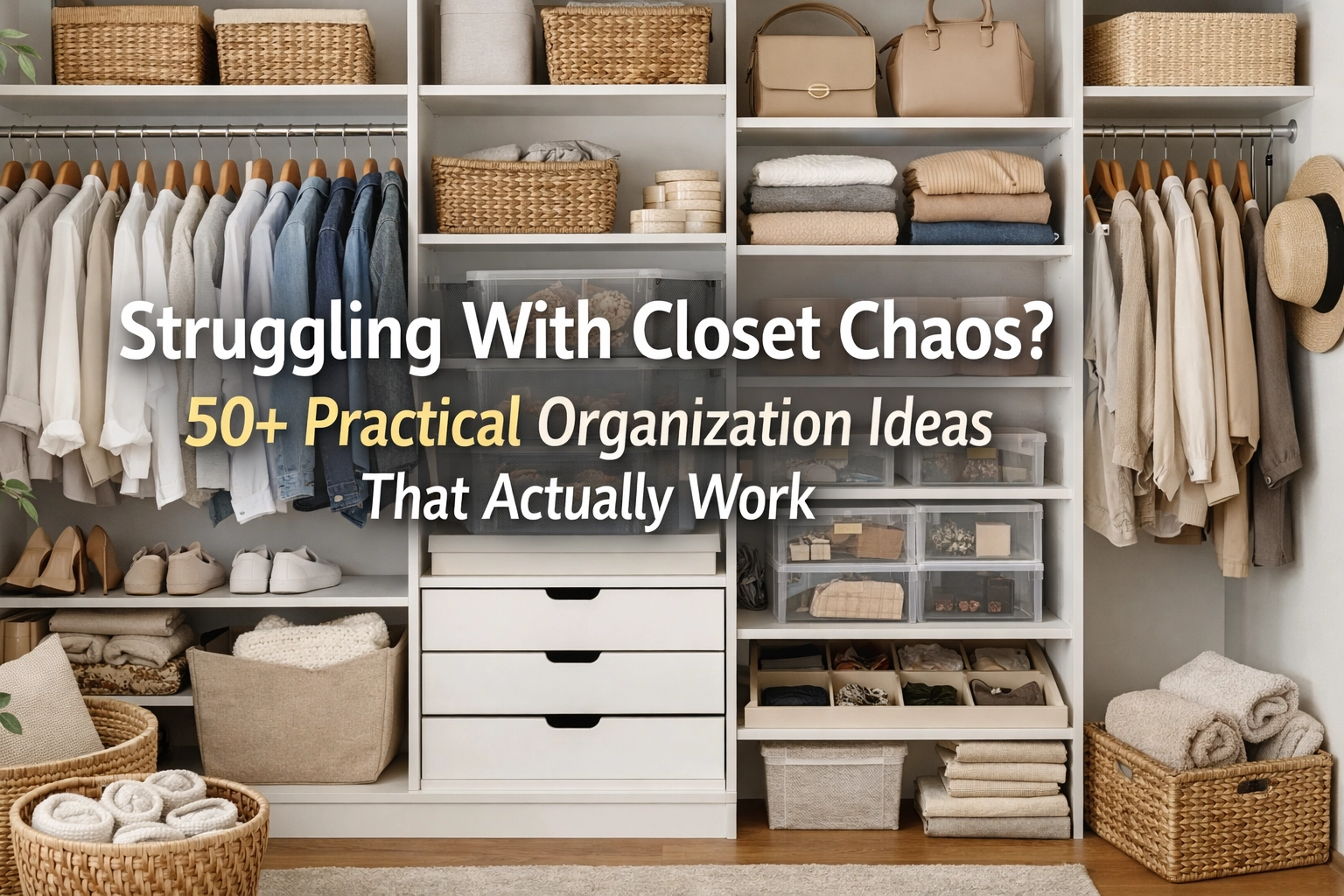
Closet chaos affects millions of households. Clothes pile up, accessories disappear, and finding a matching pair of shoes becomes a daily treasure hunt. The problem isn’t always about having too much stuff: it’s about lacking the right systems to keep everything organized and accessible.
The good news? Transforming a chaotic closet into a functional space doesn’t require a complete renovation or expensive custom systems. With strategic organization methods and a few practical tools, any closet can become a well-organized storage area that makes getting dressed easier and less stressful.
Hanging Solutions That Maximize Space
The hanging rod represents prime real estate in any closet. Making the most of this space starts with the right hangers and strategic placement.
Uniform Hangers Create Visual Calm
Mismatched hangers create visual clutter and waste space. Switching to uniform hangers: whether slim velvet, wooden, or plastic: creates a streamlined appearance and allows more items to fit on the rod. Slim-profile hangers are particularly effective, saving up to 30% more space compared to bulky plastic or wire hangers.
Match hangers to the clothing type. Velvet hangers prevent delicate fabrics from slipping. Sturdy wooden hangers support heavy coats and suits. Clip hangers keep pants and skirts wrinkle-free.

Double Your Hanging Capacity
Installing a second hanging rod transforms wasted vertical space into valuable storage. Most closets have enough height to accommodate two rods: one for shorter items like shirts and folded pants, another below for additional storage.
Adjustable hanging rod doublers attach to existing rods and create a second tier without permanent installation. This solution works particularly well for renters or anyone hesitant to drill into walls.
Specialty Hangers Solve Specific Problems
Tank tops and camis slide off regular hangers. Multi-loop hangers with individual slots keep these items secure and visible. A single hanger can organize up to 10 tank tops, freeing up significant rod space.
Cascading hooks connect hangers vertically, allowing multiple items to hang in the space of one. This approach works well for outfits worn together or coordinating pieces.
Scarf hangers with multiple loops display scarves clearly while preventing wrinkles. Belt hangers function similarly, keeping accessories visible and organized.
Shelf Organization Strategies
Shelves often become dumping grounds where folded items topple and blend together. Simple tools restore order and keep shelves functional.
Shelf Dividers Maintain Boundaries
Acrylic or wire shelf dividers create vertical sections that prevent stacks from falling into each other. These simple additions keep sweater piles separate, maintain organization between different clothing types, and make it easy to remove one item without disturbing others.
Position dividers every 12-14 inches to create manageable sections. Adjust placement based on the items being stored: bulkier sweaters need wider sections than t-shirts.
Stackable Storage Maximizes Vertical Space
Rather than spreading items horizontally across shelves, stack storage containers vertically. Stackable bins, shoe boxes, and organizing cubes build upward, utilizing often-wasted vertical space near the ceiling.
Choose containers based on what’s being stored. Clear acrylic works well for items that need to be quickly identified. Fabric bins suit items accessed less frequently.

Label Systems Eliminate Guessing
Labels transform shelves from confusing storage zones into organized systems where everything has a designated home. A simple label maker creates professional-looking tags that specify exactly what belongs in each space.
Label shelf edges, container fronts, and bin sides. Include specifics: “Winter Sweaters,” “Exercise Clothes,” or “Size 8 Shoes” rather than vague categories like “Clothes” or “Accessories.”
Drawer Organization Methods
Drawers hide clutter effectively but create their own organizational challenges. Without systems in place, items jumble together and become difficult to locate.
Drawer Dividers Create Defined Zones
Adjustable drawer dividers transform chaotic spaces into organized sections. These inserts separate socks from underwear, keep jewelry untangled, and organize accessories by category.
Expandable dividers adjust to fit any drawer size. Arrange them to create customized compartments that match the items being stored. Small sections work for jewelry. Larger sections accommodate folded shirts or pants.
File Folding Increases Visibility
Traditional stacking hides everything beneath the top layer. File folding: standing items vertically in rows like files in a cabinet: allows every piece to remain visible. This method works particularly well for t-shirts, athletic wear, and jeans.
Fold items to a uniform height that matches the drawer depth. Stand them upright in rows. Each piece becomes immediately visible when the drawer opens, eliminating the need to rifle through stacks.
Specialized Inserts for Small Items
Jewelry, watches, and small accessories require dedicated storage to prevent tangling and loss. Velvet-lined jewelry trays, watch boxes, and accessory organizers keep valuable items protected and visible.
Clear acrylic organizers work well for items that need to be seen at a glance. Velvet or felt-lined options protect delicate pieces from scratches.
Small Item Storage Solutions
Small items: scarves, belts, jewelry, ties, and accessories: create the most organizational challenges. Without proper storage, they disappear into closet chaos.
Clear Bins Provide Visibility
Transparent storage containers allow contents to be identified without opening each box. This visibility speeds up daily routines and helps maintain organization since items can quickly be returned to their proper homes.
Choose containers with secure lids for stacking. Bins with latch closures prevent accidental spills. Label even clear containers for extra clarity about what belongs inside.
Over-the-Door Storage Captures Unused Space
The back of a closet door offers valuable storage real estate that often goes unused. Over-the-door organizers with pockets, hooks, or shelves provide storage without requiring wall mounting or permanent installation.
Pocket organizers work well for shoes, accessories, or small folded items. Hook systems accommodate bags, belts, or scarves. Over-the-door shelving creates additional surface space for items that don’t fit elsewhere.

Hooks Multiply Hanging Options
Adhesive hooks, command hooks, or screw-in hooks expand hanging capacity throughout the closet. Install them on side walls, the back wall, or even on the underside of shelves.
Assign specific purposes to each hook: one for tomorrow’s outfit, another for a bathrobe, a third for bags currently in rotation. This purposeful assignment prevents hooks from becoming cluttered catch-alls.
Vertical Space Maximization
Most closets have significant vertical space that remains underutilized. Looking up reveals opportunities to expand storage capacity.
Upper Shelves for Seasonal Storage
Items worn infrequently belong in the hardest-to-reach spaces. Upper shelves near the ceiling provide perfect storage for seasonal clothing, special occasion outfits, or items awaiting next year’s rotation.
Store these items in labeled containers with lids to protect them from dust. Clear plastic bins work well since their contents remain visible even when stored high up.
Hanging Organizers Drop Down From Rods
Hanging closet organizers with multiple shelves suspend from closet rods and create instant storage compartments for folded clothes, shoes, or accessories. These fabric organizers come in various sizes and configurations.
Choose organizers with reinforced shelves that won’t sag under weight. Some models include drawers at the bottom for additional storage options.
Floor-to-Ceiling Solutions
Freestanding shelving units that span from floor to ceiling maximize vertical space without permanent installation. These units work particularly well in closets lacking built-in shelving or for renters who need removable solutions.
Bamboo, metal, or plastic shelving units adjust to fit closet dimensions. Anchor tall units to walls for stability, or choose wider-based models that remain stable without mounting.
Shoe Storage Systems
Shoes present unique organizational challenges due to their bulk, varied sizes, and frequency of use. Several storage methods keep shoes accessible and protected.
Over-the-Door Shoe Organizers
Clear pocket organizers designed specifically for shoes hang over closet doors and store multiple pairs in a small footprint. Each pocket keeps one pair visible and accessible. This solution works particularly well for frequently worn shoes that need quick access.
Choose organizers with reinforced seams and durable materials. Cheap versions tend to rip or sag under the weight of shoes.
Shoe Cubbies and Racks
Cubby-style shoe storage creates individual compartments for each pair. Stackable units adjust to fit available space and can be configured in various ways.
Slanted shoe racks display shoes clearly while taking up minimal floor space. Tiered arrangements allow multiple pairs to be stored in the footprint typically occupied by one.

Under-Bed Shoe Storage
Closet floor space is valuable. Moving infrequently worn shoes to under-bed storage containers frees up this premium real estate. Rolling storage bins designed to fit under beds keep shoes dust-free and organized.
Reserve closet space for currently rotating shoes. Store out-of-season shoes or special occasion footwear under the bed.
Renter-Friendly Organization Options
Permanent closet renovations aren’t possible in rental properties. Numerous solutions provide organization without causing damage or requiring landlord approval.
Freestanding Furniture Adds Storage
Portable wardrobes, garment racks, and standalone shelving units supplement existing closet space without installation. These pieces move easily between apartments and adjust to fit different spaces.
Choose units with adjustable shelves or modular components that adapt to changing needs. Metal frames tend to be sturdier than plastic alternatives.
Removable Adhesive Products
Command strips, hooks, and other removable adhesive products mount organizational tools without nails or screws. These products support significant weight when installed correctly and remove cleanly without damaging paint or walls.
Follow weight limits carefully. Use multiple hooks for heavier items. Clean surfaces thoroughly before application to ensure proper adhesion.
Tension Rods Create Custom Divisions
Adjustable tension rods install without hardware and create instant hanging space or divisions within closets. Install them vertically to create sections that separate different clothing categories. Mount them horizontally to add extra hanging rods.
Choose tension rods rated for the weight they’ll support. Inexpensive models tend to slip or fall under heavy loads.
Maintenance Systems That Sustain Organization
Creating organization is the first step. Maintaining it requires simple systems that prevent backsliding into chaos.
The One-In, One-Out Rule
For every new clothing item or accessory that enters the closet, remove one item. This rule prevents accumulation and forces regular evaluation of what’s actually being worn.
Make this process immediate. When bringing home a new purchase, immediately identify what it replaces. Donate or discard the outgoing item right away rather than letting it linger.
Seasonal Rotation Prevents Overcrowding
Switching closet contents seasonally keeps current items accessible while storing off-season clothing elsewhere. This rotation reduces visual clutter and makes daily selection easier.
Establish specific rotation dates: one in early spring, another in early fall. Use this opportunity to evaluate condition, donate unworn items, and clean before storage.
Weekly Reset Routine
Dedicating 10 minutes weekly to closet maintenance prevents small messes from becoming overwhelming chaos. Rehang items that have fallen, return misplaced accessories to proper locations, and straighten shelves.
Schedule this maintenance at a consistent time: Sunday evening works well for many people as they prepare for the week ahead.

Specialty Storage Considerations
Certain items require unique storage solutions that standard organizational tools don’t address.
Purses and Bags
Handbags lose their shape when stacked or crushed. Store them upright on shelves with dividers, or use purse organizers that hang from closet rods. Stuff bags with tissue paper to maintain their structure.
Display frequently used bags for easy access. Store occasional-use bags in dust covers or containers to protect them.
Jewelry and Watches
Tangled necklaces and mismatched earrings waste time and cause frustration. Jewelry organizers with individual compartments, hanging displays, or drawer inserts keep pieces separated and accessible.
Store fine jewelry in lined boxes that prevent tarnishing and scratching. Keep costume jewelry in clear organizers for easy selection.
Ties and Belts
Specialized racks with individual hooks display ties and belts clearly while preventing wrinkles or creasing. Motorized tie racks maximize storage in small spaces, though manual versions work equally well.
Rolling ties and belts damages them over time. Always hang these accessories to maintain their condition and shape.
Building a Functional Closet System
Closet organization isn’t about perfection: it’s about creating systems that support daily routines and reduce stress. Start with the most problematic areas rather than attempting to overhaul everything at once. Small improvements build momentum toward larger transformations.
The most successful organizational systems match individual habits and lifestyles rather than following rigid rules. A closet that works for someone who wears business attire daily looks different from one designed for someone who works from home. Consider frequency of use, available space, and personal preferences when implementing these ideas.
Organization remains a process rather than a destination. Circumstances change, wardrobes evolve, and storage needs shift over time. Regular evaluation and willingness to adjust systems maintain functionality as life changes. With these practical strategies in place, closet chaos transforms into calm, organized space that makes daily routines smoother and more efficient.

