
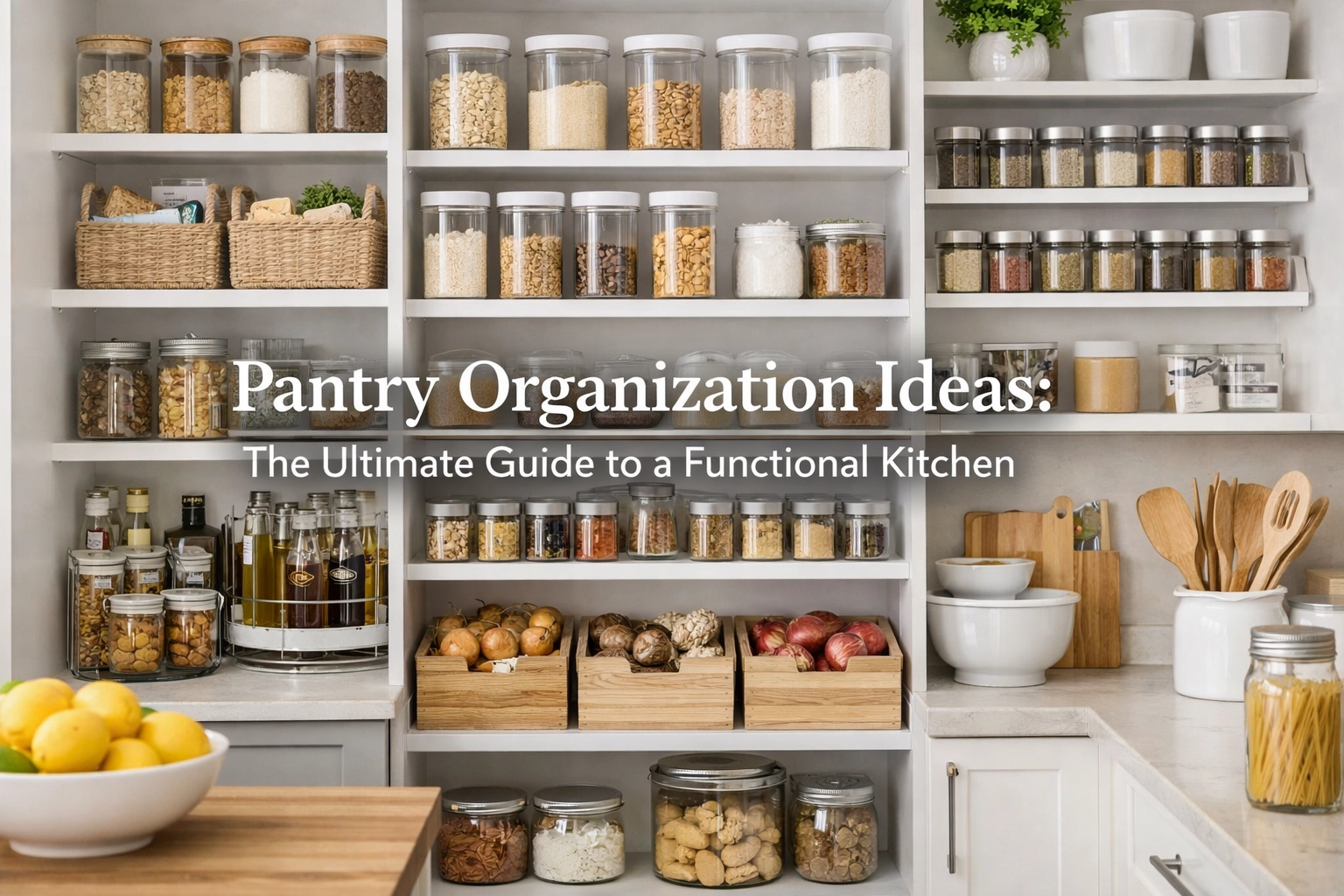
A cluttered pantry creates daily frustration, wasted food, and unnecessary spending on duplicate items. The difference between a functional pantry and a chaotic one often comes down to systematic planning rather than expensive storage systems. Creating an organized pantry requires understanding available space, selecting appropriate containers, and establishing categories that match actual cooking habits.
Assessing Your Current Pantry Space
Before purchasing any organizational products, start with a complete inventory of existing pantry contents. Remove everything from shelves and sort items into broad categories: grains, canned goods, baking supplies, snacks, spices, oils, and condiments. Check expiration dates and discard anything past its prime or items that haven’t been used in over a year.

Measure the pantry dimensions carefully. Record the width, depth, and height of each shelf, noting any obstacles like pipes, electrical outlets, or irregular corners. Pay attention to how much clearance exists between shelves: this determines which container sizes will fit comfortably. Many organizing projects fail because containers don’t fit the available space, making the system impractical from day one.
Consider traffic patterns and accessibility. Items used daily should occupy the most convenient locations, typically between waist and eye level. Upper shelves work well for occasional-use items or bulk storage, while lower shelves accommodate heavier items like appliances or large containers.
Planning Your Pantry Layout
Strategic layout planning prevents the common problem of items getting lost in the back of deep shelves. Zone planning creates designated areas for specific food types, making inventory checks quick and restocking straightforward.
Create zones based on cooking patterns rather than arbitrary categories. A baking zone might include flour, sugar, baking powder, chocolate chips, and vanilla extract all within arm’s reach. A breakfast zone could house cereals, oatmeal, coffee, tea, and breakfast bars together. This approach reduces the need to search multiple areas when preparing meals.
For families with specific dietary needs, consider creating dedicated sections for gluten-free items, diabetic-friendly foods, or allergen-free products. Clear separation reduces cross-contamination risks and helps family members quickly locate appropriate options.
Sketch the planned layout on paper before implementing changes. This visualization helps identify potential problems and ensures adequate space allocation for each category. Note which items need refrigeration versus shelf stability: some people store backup refrigerated items in their pantry organization system, planning for when current supplies run out.
Choosing the Right Storage Containers
Container selection significantly impacts pantry functionality. The goal is maintaining food freshness while maximizing visible inventory and efficient space use.

Airtight Containers for Dry Goods
Pop-top containers with airtight seals work exceptionally well for cereals, pasta, rice, flour, and sugar. Clear containers allow quick visual checks of remaining quantities, preventing the frustration of discovering an empty box mid-recipe. Square or rectangular containers utilize space more efficiently than round ones, especially in narrow pantries.
Open Bins for Grouped Items
Plastic or wire bins corral small packages that would otherwise create visual clutter. Use bins for snack packets, seasoning envelopes, tea bags, or instant meal packages. Pull-out bins make reaching items at the back of deep shelves manageable without unloading everything in front.
Basket Solutions
Natural fiber baskets like water hyacinth, seagrass, or woven wicker add warmth to pantry spaces while hiding less attractive packaging. These work well for root vegetables like potatoes and onions that need air circulation, or for grouping items with varied packaging sizes.
Glass Jars for Visibility
Mason jars or glass canisters suit bulk spices, dried herbs, nuts, and dried fruits. Glass allows easy identification of contents and quantities. Uniform jar sizes create a cohesive appearance, particularly on open shelving where aesthetics matter.
Creating Effective Category Zones
Logical categorization prevents duplicate purchases and reduces meal preparation time. The most effective systems reflect actual household cooking patterns rather than idealized organization schemes.
Baking Station
Group all baking ingredients together: various flours, sugars, leavening agents, extracts, food coloring, chocolate chips, and baking spices. Include measuring cups and spoons in this zone if space allows. This concentration makes baking projects flow smoothly without hunting through multiple areas.
Breakfast Central
Consolidate morning essentials: cereals, oatmeal, pancake mix, syrup, jams, peanut butter, coffee, tea, and breakfast bars. Placing all breakfast items together streamlines morning routines when time is limited.
Cooking Fundamentals
Create a section for everyday cooking ingredients: olive oil, vegetable oil, vinegars, soy sauce, bouillon, pasta, rice, canned tomatoes, and frequently used spices. This becomes the first-stop location for most meal preparation.
Snack Corner
Designate a lower, easily accessible area for children’s snacks or grab-and-go items. Individual portions in clear containers help kids select appropriate serving sizes independently. Include items like crackers, granola bars, dried fruit, and popcorn.
Specialty Ingredients
Less frequently used items like specialty flours, unusual spices, ethnic cooking ingredients, or rarely made recipes can occupy higher shelves or less convenient locations. These items don’t need prime real estate since they’re accessed occasionally.
Maximizing Vertical Space
Most pantries contain significant unused vertical space. Strategic use of this dimension dramatically increases storage capacity without expanding the footprint.

Shelf Risers and Expanders
Under-shelf baskets or drawer organizers create additional storage tiers within existing shelf spacing. These work particularly well for canned goods, allowing storage of one row on the original shelf surface and another row suspended below.
Adjustable Shelving
If the pantry has fixed shelves creating wasted vertical space, consider installing adjustable shelf standards. This allows customizing shelf heights to match actual container sizes, eliminating dead space between short items and the shelf above.
Door-Mounted Storage
Over-the-door organizers provide valuable storage without consuming floor or shelf space. Use door racks for spices, small bottles, packages of seasoning mixes, or cleaning supplies. Ensure door-mounted systems have sufficient clearance to close properly without hitting existing shelf contents.
Stackable Solutions
Stackable containers and bins maximize vertical storage while maintaining accessibility. Choose containers with secure lids that won’t collapse under weight. Label the sides of stackable containers clearly since tops won’t be visible when stacked.
Tension Rods
Installing tension rods vertically creates dividers for baking sheets, cutting boards, or serving platters. Horizontal tension rods can support lightweight items like chip bags or hold cleaning tools.
Smart Storage Solutions for Small Pantries
Limited pantry space requires creative approaches that maximize every square inch while maintaining functionality.
Rolling Carts
Mobile carts provide flexible storage that moves where needed. Roll a coffee cart to the breakfast table or move a baking cart near the workspace during food preparation. Tuck carts into corners or beside appliances when not in use.
Wall-Mounted Racks
Installing racks on blank walls near the pantry extends storage capacity. Spice racks, wine bottle holders, or even simple shelving supplements main pantry space without requiring floor area.
Converted Furniture
Armoires, hutches, or bookcases can become supplementary pantry storage in kitchens lacking dedicated pantry closets. Choose pieces with doors to hide contents and maintain a tidy appearance.
Lazy Susans
Turntables maximize corner space and deep cabinet access. Use lazy Susans for condiments, oils, vinegars, or small jars. Items remain visible and accessible with a simple spin, preventing the black hole effect of deep corners.
Pull-Out Drawers
Installing pull-out drawer systems in existing cabinets brings back items forward automatically. These work exceptionally well for heavy items like small appliances, large bags of flour, or bulk purchases that would be difficult to lift overhead.
Labeling and Maintenance Systems
Even the most thoughtfully organized pantry becomes chaotic without clear labels and consistent maintenance practices.

Comprehensive Labeling
Label every container, including items that seem obvious. Contents change over time, and labels eliminate guessing games. Include both the item name and expiration date if applicable. Label makers create professional-looking, durable labels, though handwritten labels on masking tape work perfectly well.
For families with multiple cooks, include cooking instructions or measurements on labels. A label reading “Rice – 2 cups rice to 4 cups water” saves time checking packages or searching for recipes.
First-In, First-Out Rotation
When restocking items, place new purchases behind existing inventory. This rotation system ensures older items get used before expiration. For items bought in bulk, mark purchase dates on packages to track age.
Weekly Maintenance
Schedule five minutes weekly for quick pantry maintenance. Check for spills, wipe down shelves, return misplaced items to correct zones, and note items running low. Regular attention prevents major organizational breakdowns.
Quarterly Deep Cleaning
Every three months, remove everything from shelves, check expiration dates, vacuum or sweep, wipe surfaces, and reorganize as needed. This regular reset maintains system integrity and adapts to changing household needs.
Seasonal and Long-Term Organization
Pantry needs fluctuate throughout the year, and organizational systems should accommodate these changes.
Holiday Preparation
Before major holidays, create temporary zones for holiday-specific ingredients. A designated Thanksgiving baking section or Christmas cookie station makes holiday cooking less chaotic. Clear these zones after holidays pass.
Bulk Purchase Management
When buying in bulk, avoid cluttering main pantry space with backup inventory. Store excess items in garage, basement, or other areas, keeping only current-use quantities in the main pantry. Refill containers as needed from bulk storage.
Garden Harvest Integration
During harvest season, adjust pantry organization to accommodate home-canned goods, dried herbs, or preserved vegetables. Designate specific areas for homegrown items to distinguish them from store-bought equivalents.
System Evolution
Pantry organization isn’t a one-time project but an evolving system. As household size changes, dietary needs shift, or cooking habits evolve, adjust the organizational structure accordingly. What works for a family with young children differs from an empty-nest household or a home with teenagers.
The key to lasting pantry organization lies in creating systems that match actual daily use rather than aspirational ideals. A functional pantry reduces stress, saves money, minimizes food waste, and makes cooking more enjoyable. Taking time to assess space, plan thoughtfully, and implement practical solutions transforms a frustrating pantry into a kitchen asset that supports efficient meal preparation for years to come.

