
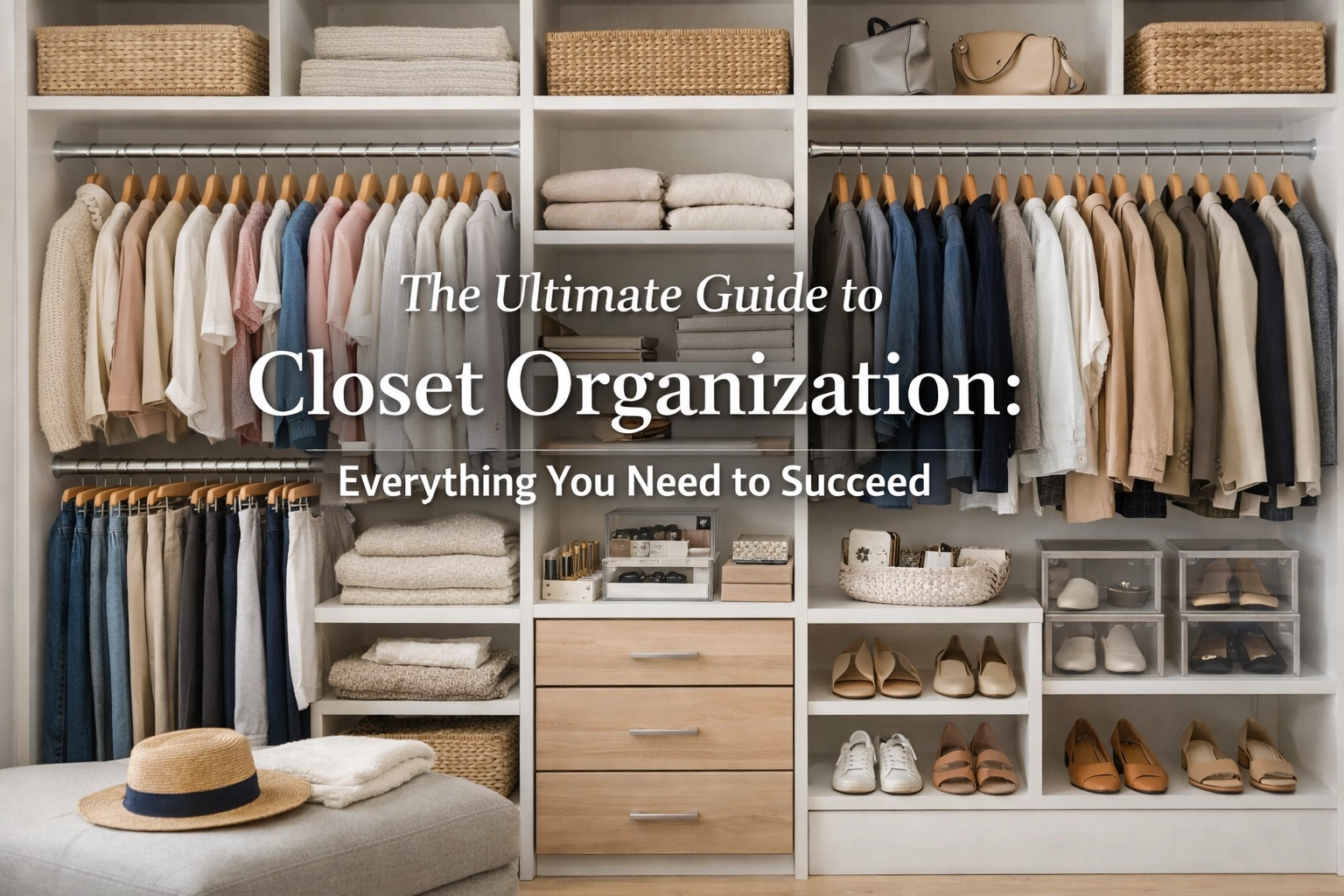
A disorganized closet creates unnecessary stress every morning. Searching through piles of clothes, struggling to find matching outfits, and dealing with cluttered shelves wastes valuable time and mental energy. An organized closet transforms the daily routine, making it easier to see what’s available and helping clothes last longer through proper storage.
This guide covers practical strategies for creating and maintaining a functional closet system that works for different lifestyles and space constraints.
Understanding Your Closet Space
Before starting any organization project, assess the physical space available. Measure the closet’s dimensions, including height, width, and depth. Note the existing features: shelving, rods, drawers, and any built-in storage components.
Different closet types present unique challenges:
- Reach-in closets typically have limited depth but can maximize vertical space
- Walk-in closets offer more square footage but may lack efficient organization systems
- Armoires or wardrobes require creative solutions for storage in standalone furniture
- Small bedroom closets demand strategic planning to fit everything comfortably
Understanding these limitations helps set realistic expectations and identify areas for improvement.

The Complete Inventory Process
The first step toward an organized closet involves removing every single item. This complete inventory serves multiple purposes: it reveals the full scope of belongings, exposes dust and dirt that needs cleaning, and forces an honest assessment of what’s actually being stored.
Empty the closet completely, placing items on the bed or floor. Separate everything into broad categories as it comes out: clothing, shoes, accessories, bags, and miscellaneous items. This initial sorting makes the next phase more manageable.
Clean the empty closet thoroughly. Wipe down shelves, vacuum corners, and address any maintenance issues like loose rods or damaged shelving. Starting with a clean slate makes the reorganization process more satisfying.
The Decluttering Process
With everything visible, begin the critical decluttering phase. This step determines what deserves valuable closet space and what needs to go.
Decision-Making Criteria
Evaluate each item using these practical questions:
- Has this been worn in the past year?
- Does it fit properly right now?
- Is it in good condition without stains, tears, or damage?
- Does it match current lifestyle needs?
- Does it bring joy or serve a specific purpose?
Be honest during this process. Holding onto clothes “just in case” or for sentimental reasons that don’t align with actual usage patterns creates unnecessary clutter.
Sorting into Categories
Create four distinct piles:
Keep: Items worn regularly that fit well and suit current needs
Donate: Gently used items in good condition that no longer serve a purpose
Sell: Higher-value pieces that might be worth listing online or taking to consignment
Discard: Damaged items beyond repair or donation
Remove the donate, sell, and discard piles from the space immediately. Keeping them around invites second-guessing and delays progress.

Creating Categories and Groupings
Organizing the “keep” items into logical categories makes everything easier to locate. Group similar items together based on type and function.
Primary Categories
Clothing by Type:
- Tops (t-shirts, blouses, sweaters)
- Bottoms (pants, skirts, shorts)
- Dresses and jumpsuits
- Outerwear (jackets, coats)
- Athletic wear
- Sleepwear and loungewear
Footwear:
- Everyday shoes
- Athletic shoes
- Formal shoes
- Seasonal boots
- Sandals and casual footwear
Accessories:
- Belts
- Scarves
- Jewelry
- Bags and purses
- Hats
Within each category, further organize by subtype, color, or frequency of use depending on what makes the most sense for daily needs.
Designing Your Organization System
A functional closet system matches lifestyle patterns and daily routines. The organization should feel intuitive and make getting dressed effortless.
Placement Strategy
Position items based on usage frequency:
Eye-level and easily accessible: Everyday essentials, work clothes, frequently worn items
Upper shelves: Seasonal items, special occasion wear, rarely used accessories
Lower shelves or floor: Shoes, bags, folded casual items
Those who work in professional environments need easy access to work attire. Athletes or fitness enthusiasts should keep workout gear front and center. Parents might prioritize comfortable, practical clothing in the most accessible spots.
Hanging vs. Folding
Determine which items hang and which items fold:
Hang:
- Dresses and skirts
- Button-down shirts and blouses
- Pants and trousers (if space allows)
- Jackets and coats
- Delicate fabrics prone to wrinkling
Fold:
- T-shirts and casual tops
- Jeans and casual pants
- Sweaters (hanging stretches them out)
- Athletic wear
- Underwear and socks

Storage Solutions and Tools
The right storage accessories transform a basic closet into an efficient system.
Essential Closet Accessories
Uniform Hangers: Matching, slim-profile hangers save space and create visual consistency. Non-slip velvet hangers prevent clothes from sliding off. Wood hangers work well for heavy coats and jackets.
Shelf Dividers: These keep stacks of folded clothes from toppling over and mixing together. Adjustable dividers accommodate different shelf heights.
Drawer Organizers: Expandable dividers create compartments within drawers for underwear, socks, and accessories. This prevents items from becoming jumbled together.
Clear Storage Bins: Transparent containers make it easy to see contents without opening every box. Use these for seasonal items, accessories, or special occasion pieces.
Shoe Racks or Organizers: Keep footwear organized and off the floor. Options include over-the-door organizers, slanted shelves, or stackable bins.
Hooks and Rods: Install additional hooks on walls or doors for bags, belts, scarves, and hats. Double rods maximize vertical space in reach-in closets.
Labels: Clear labels on bins and baskets eliminate guessing and help maintain organization long-term.
Color Coordination
Organizing hung clothing by color creates a boutique-style aesthetic and makes items easier to find. This system works particularly well for those with larger wardrobes. Group items by type first, then arrange each section by color following the rainbow spectrum: reds, oranges, yellows, greens, blues, purples, then neutrals (whites, grays, blacks, browns).
Maximizing Small Closet Spaces
Limited closet space requires creative solutions to fit everything comfortably.
Vertical Space Utilization
Small closets often have unused vertical space. Install additional shelving above the existing rod, stack bins upward, or use multi-tiered hangers for pants or skirts. Over-the-door organizers add storage without taking up floor or shelf space.
Seasonal Rotation
Keep only current-season clothing accessible. Store off-season items in bins on high shelves, under the bed, or in another location. Swap wardrobes as seasons change to prevent overcrowding and make daily selections easier.
Space-Saving Techniques
- Remove bulky shoe boxes and use slimmer shoe storage solutions
- Vacuum-seal bulky winter items during warmer months
- Use cascading hangers to hang multiple items vertically
- Install tension rods to create additional hanging space
- Utilize the closet floor strategically with low baskets or bins

Specialty Storage Considerations
Certain items require specific storage approaches to maintain their condition.
Handbag Storage
Bags need protection from dust and deformation. Options include:
- Shelf storage with dividers
- Clear bins or dust bags
- Hooks or pegs for frequently used bags
- Stuffing bags with tissue paper to maintain shape
Jewelry Organization
Keep jewelry untangled and visible with dedicated organizers. Hanging jewelry organizers, drawer inserts, or wall-mounted displays work well depending on the collection size and available space.
Belt and Scarf Storage
These accessories quickly become tangled messes without proper storage. Belt racks, hooks, or hanger-style organizers keep them separated. Scarves can hang on multi-ring hangers, fold in drawer dividers, or drape over rods.
Maintaining Your Organized Closet
Creating an organized closet takes effort; maintaining it requires establishing consistent habits.
Daily Habits
- Return items to their designated spots immediately after use
- Place dirty clothes directly in the hamper, not on the floor or furniture
- Hang or fold clean laundry promptly
- Put away accessories after wearing them
Weekly Reset
Dedicate five to ten minutes each week for a quick closet reset. Straighten shelves, realign hangers, return misplaced items, and address any clutter that has accumulated. This prevents small messes from becoming overwhelming.
Seasonal Maintenance
Schedule a closet review with each season change:
- Rotate seasonal clothing to appropriate storage locations
- Reassess items that went unworn during the past season
- Clean and repair any damaged items
- Adjust organization systems based on changing needs
The One-In-One-Out Rule
Maintain closet capacity by adopting a replacement approach. When purchasing a new item, remove something similar from the wardrobe. This prevents accumulation and forces intentional shopping decisions.

Adapting to Life Changes
Closets should evolve with changing circumstances. Major life transitions: new jobs, lifestyle changes, weight fluctuations, or relocations: may require organization system adjustments.
Reassess the closet organization annually or whenever routines shift significantly. What worked during one life phase might not suit current needs. Flexibility and willingness to modify the system ensures it remains functional long-term.
Final Considerations
An organized closet offers more than just visual appeal. It saves time during busy mornings, reduces decision fatigue, protects clothing investments through proper storage, and creates a calmer, more enjoyable space.
The key to successful closet organization lies in creating a system that matches specific needs and maintaining it through simple, consistent habits. Start with a thorough decluttering process, implement logical categorization, use appropriate storage solutions, and commit to regular maintenance. The result is a functional space that simplifies daily routines and brings lasting satisfaction.

