
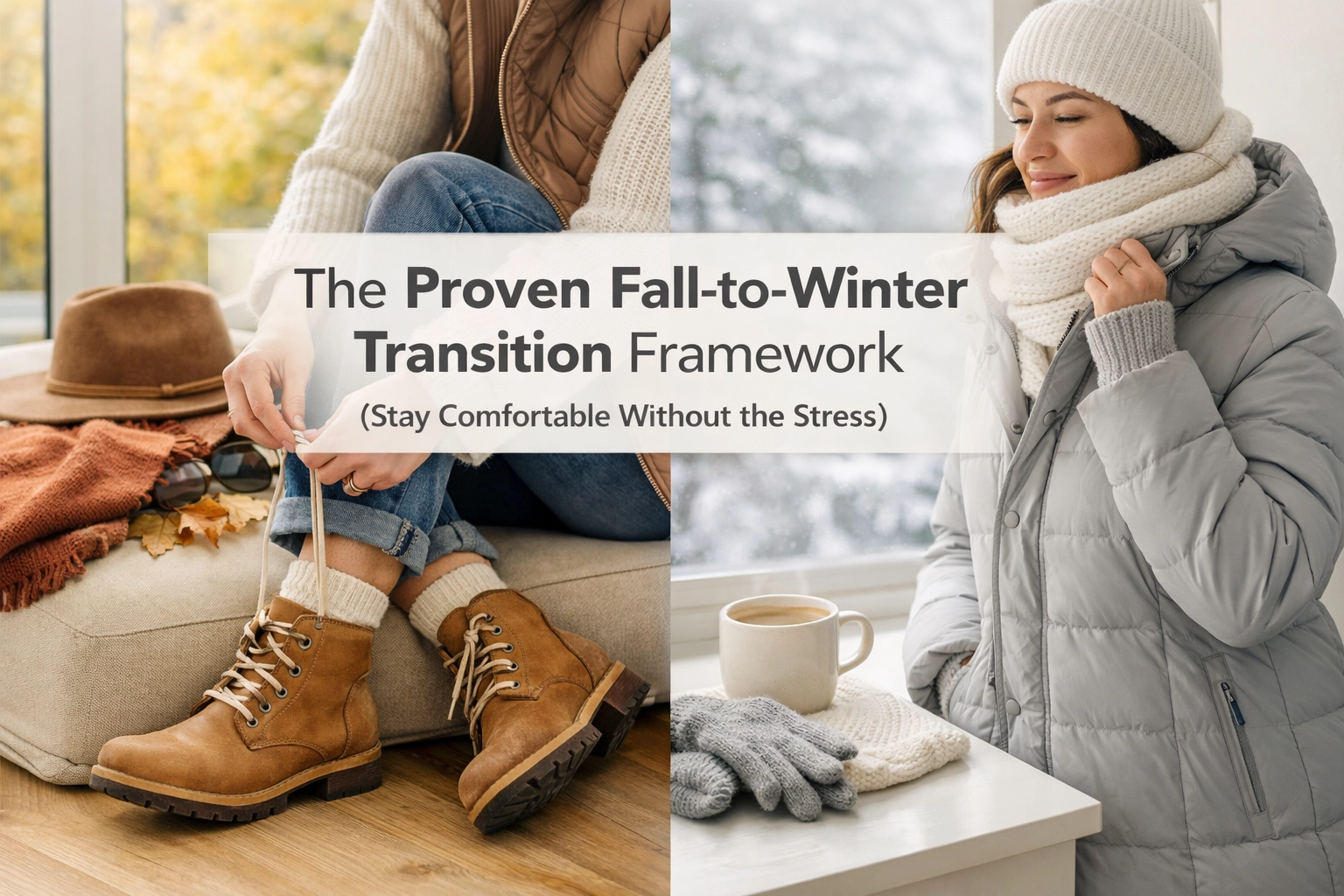
The shift from fall to winter represents one of the most significant seasonal transitions many households face each year. Shorter days, colder temperatures, and extended indoor time create a cascade of changes that affect everything from energy bills to mood levels. Without a structured approach, this transition can feel chaotic and stressful.
A proven framework exists for managing this seasonal shift effectively. By addressing physical spaces, health routines, and lifestyle adjustments in a systematic way, households can maintain comfort and stability throughout the darker months. The key lies in preparation rather than reaction: implementing changes before discomfort sets in rather than scrambling to fix problems mid-winter.
Understanding the Seasonal Shift
The fall-to-winter transition involves more than temperature changes. Daylight hours decrease significantly, with some regions experiencing up to four fewer hours of sunlight by mid-December compared to September. This reduced light exposure affects human circadian rhythms, influencing sleep patterns, energy levels, and mood regulation.
Indoor humidity levels drop as heating systems run more frequently, often falling below the comfortable 30-50% range. Dry indoor air impacts skin health, respiratory comfort, and even the integrity of wooden furniture and flooring. Energy consumption typically increases by 20-30% during winter months, putting pressure on household budgets.

The body’s immune system also faces increased demands during this period. Cold and flu viruses thrive in cooler, drier conditions, while reduced outdoor activity and vitamin D production from sunlight can weaken natural defenses. Understanding these interconnected challenges helps explain why a comprehensive framework proves more effective than addressing individual issues as they arise.
Creating a Comfortable Indoor Environment
Temperature Management
Maintaining consistent indoor temperatures while managing energy costs requires strategic planning. Setting thermostats to 68°F (20°C) during waking hours and reducing to 62-65°F (17-18°C) overnight balances comfort with efficiency. Programmable or smart thermostats automate these adjustments, eliminating the need for manual changes.
Zone heating allows different areas of the home to maintain different temperatures based on usage patterns. Living spaces benefit from higher temperatures during active hours, while rarely used rooms can remain cooler. This approach reduces overall heating costs without sacrificing comfort in primary living areas.
Checking for drafts around windows, doors, and outlets prevents heat loss that forces heating systems to work harder. Simple weatherstripping, door sweeps, and outlet insulators address these gaps at minimal cost. Ceiling fans set to rotate clockwise at low speed push warm air downward, improving heat distribution throughout rooms.
Humidity Control
Adding moisture to dry winter air improves comfort and health. Whole-home humidifiers integrated with HVAC systems provide consistent humidity levels throughout the house. For smaller spaces or targeted areas, portable humidifiers offer flexibility and lower upfront costs.
Monitoring humidity levels with hygrometers ensures levels stay within the optimal 30-50% range. Too much humidity encourages mold growth and condensation, while too little causes the discomforts associated with dry air. Adjusting humidifier settings based on outdoor temperatures helps maintain this balance.
Natural humidity sources complement mechanical systems. Houseplants release moisture through transpiration, while leaving bathroom doors open after showers allows steam to distribute throughout living spaces. Drying laundry indoors during winter months serves the dual purpose of adding humidity while reducing dryer energy consumption.

Lighting Optimization
Compensating for reduced natural light requires intentional lighting strategies. Full-spectrum LED bulbs that mimic natural daylight help maintain circadian rhythm regulation. Installing these bulbs in primary living areas and workspaces provides consistent light quality throughout shorter winter days.
Maximizing available natural light involves keeping windows clean, trimming outdoor vegetation that blocks sunlight, and using light-colored window treatments that allow light penetration while providing privacy. Mirrors positioned opposite windows reflect natural light deeper into interior spaces.
Light therapy lamps that provide 10,000 lux of brightness offer targeted intervention for those particularly affected by reduced daylight. Positioning these lamps at eye level during morning routines for 20-30 minutes can support mood and energy regulation without interfering with evening sleep preparation.
Physical Health Preparation
Immune System Support
Strengthening immune function before peak cold and flu season provides better protection than waiting until illness strikes. A diet rich in immune-supporting nutrients forms the foundation of this preparation. Vitamin C from citrus fruits, bell peppers, and broccoli; vitamin A from sweet potatoes and leafy greens; and zinc from nuts, seeds, and legumes all contribute to immune system efficiency.
Vitamin D supplementation becomes particularly important as sun exposure decreases. Many health professionals recommend 1,000-2,000 IU daily during winter months, though individual needs vary based on baseline levels and other factors. Consultation with healthcare providers helps determine appropriate dosage.
Adequate hydration supports immune function and compensates for moisture loss in dry indoor air. The common recommendation of eight glasses daily serves as a baseline, with individual needs varying based on activity level, body size, and overall health status.
Sleep Quality Enhancement
Sleep requirements don’t change with seasons, but achieving quality sleep often becomes more challenging during winter. Establishing consistent sleep and wake times: even on weekends: helps regulate the body’s internal clock despite fluctuating daylight hours.
Creating an optimal sleep environment involves maintaining bedroom temperatures between 60-67°F (15-19°C), using blackout curtains to eliminate light pollution, and removing electronic devices that emit blue light. Charging phones outside the bedroom eliminates both light exposure and the temptation to check devices during nighttime awakenings.
Pre-sleep routines signal the body that rest time approaches. These might include reading, gentle stretching, warm baths, or meditation: activities that promote relaxation without stimulation. Avoiding caffeine after 2 PM and limiting alcohol consumption, which disrupts sleep cycles, supports better rest quality.

Nutritional Adjustments
The body’s nutritional needs and digestive capacity shift with temperature changes. Transitioning from raw summer salads to cooked, warming foods aligns with these changing needs. Root vegetables, winter squash, hearty greens, and warm soups provide nutrients in easily digestible forms.
Seasonal eating naturally provides nutrients the body requires during colder months. Fall and winter vegetables contain higher levels of vitamins A and C, supporting immune function when it faces the greatest challenges. These foods also tend to be more affordable and fresher when purchased during their natural growing seasons.
Balancing heavier winter comfort foods with nutrient density prevents the weight gain many people experience during colder months. Incorporating lean proteins, whole grains, and plenty of vegetables alongside traditional warming dishes maintains nutritional quality while satisfying cravings for heartier meals.
Mental and Emotional Wellbeing
Managing Seasonal Mood Changes
Reduced sunlight affects serotonin and melatonin production, neurotransmitters that regulate mood and sleep. Recognizing early signs of seasonal mood changes: such as increased fatigue, difficulty concentrating, or feelings of sadness: allows for early intervention before symptoms intensify.
Strategic outdoor time during daylight hours, even on cloudy days, provides light exposure that supports mood regulation. A 30-minute walk during lunch breaks or scheduling outdoor activities on weekends ensures regular natural light contact despite shorter days.
Mindfulness practices including meditation, deep breathing exercises, or yoga support emotional regulation during seasonal transitions. These practices don’t require extensive time commitments: even 10-15 minutes daily provides measurable benefits for stress management and mood stability.
Social Connection Maintenance
Winter weather and early darkness can lead to social isolation, particularly for those who find cold weather discourages outings. Scheduling regular social activities before the winter season begins creates commitment that helps overcome reluctance when temperatures drop.
Indoor social options including game nights, dinner parties, book clubs, or hobby groups provide connection opportunities that don’t depend on weather conditions. Video calls with distant friends and family members supplement in-person interactions, maintaining relationships despite geographic or weather barriers.

Community activities such as volunteer work, classes, or fitness groups offer structured social interaction while serving additional purposes. These scheduled commitments provide motivation to leave home regularly, combating the tendency toward isolation during darker months.
Physical Activity Adaptation
Exercise routines often suffer during winter months as outdoor activities become less appealing and motivation decreases. Establishing indoor exercise options before cold weather arrives ensures continuity of physical activity. Home workout equipment, fitness apps, or online class subscriptions remove weather-related barriers to regular exercise.
Embracing winter-specific activities such as ice skating, snowshoeing, or cross-country skiing transforms cold weather from an obstacle into an opportunity. These activities provide both exercise and enjoyment, making physical activity feel less like an obligation.
Finding accountability through exercise partners, fitness classes, or tracking apps helps maintain consistency when motivation flags. The social component of group activities or the satisfaction of meeting tracked goals provides external motivation during periods when internal drive diminishes.
Creating a Personal Transition Timeline
Six Weeks Before Winter
Early preparation addresses both physical spaces and personal routines. This period involves scheduling HVAC maintenance, testing heating systems, checking insulation, and sealing drafts. Replacing furnace filters, cleaning vents, and ensuring carbon monoxide detectors function properly prevents mid-winter emergencies.
Beginning immune-supporting supplementation during this window allows the body to build reserves before peak cold and flu season. Gradually adjusting sleep schedules by 15-minute increments helps the body adapt to earlier darkness without abrupt disruption.
Three Weeks Before Winter
Mid-transition activities focus on establishing new routines and stocking necessary supplies. This includes organizing winter clothing, checking emergency supplies, and stocking non-perishable foods that reduce the need for shopping trips during severe weather.
Implementing new lighting strategies and establishing winter-appropriate exercise routines during this period allows time for adjustment before the full impact of winter conditions sets in. Testing these changes while weather remains relatively mild makes modifications easier than waiting until conditions deteriorate.

Ongoing Winter Maintenance
Regular monitoring and adjustment maintain comfort throughout the winter season. Weekly checks of humidity levels, monthly furnace filter changes, and attention to physical and emotional wellbeing indicators allow for timely interventions before small issues become significant problems.
Maintaining flexibility within the framework acknowledges that individual needs vary and unexpected situations arise. The goal isn’t rigid adherence to predetermined plans but rather having structures in place that support adaptation as circumstances change.
Building Long-Term Seasonal Awareness
Tracking what works and what doesn’t throughout each winter season creates valuable information for future transitions. Noting which strategies proved most effective, which challenges arose unexpectedly, and what adjustments improved comfort provides a personalized knowledge base.
This accumulated wisdom makes each subsequent fall-to-winter transition easier and more effective. Patterns become apparent, allowing for increasingly refined approaches that address specific household needs and individual vulnerabilities.
The fall-to-winter transition framework succeeds not through complexity but through systematic attention to interconnected aspects of home comfort and personal wellbeing. By addressing physical spaces, health practices, and lifestyle adjustments in a coordinated way, households maintain stability and comfort throughout the challenging seasonal shift. Preparation, rather than reaction, transforms what could be a stressful period into a manageable and even enjoyable transition into the quieter, more introspective winter months.

