
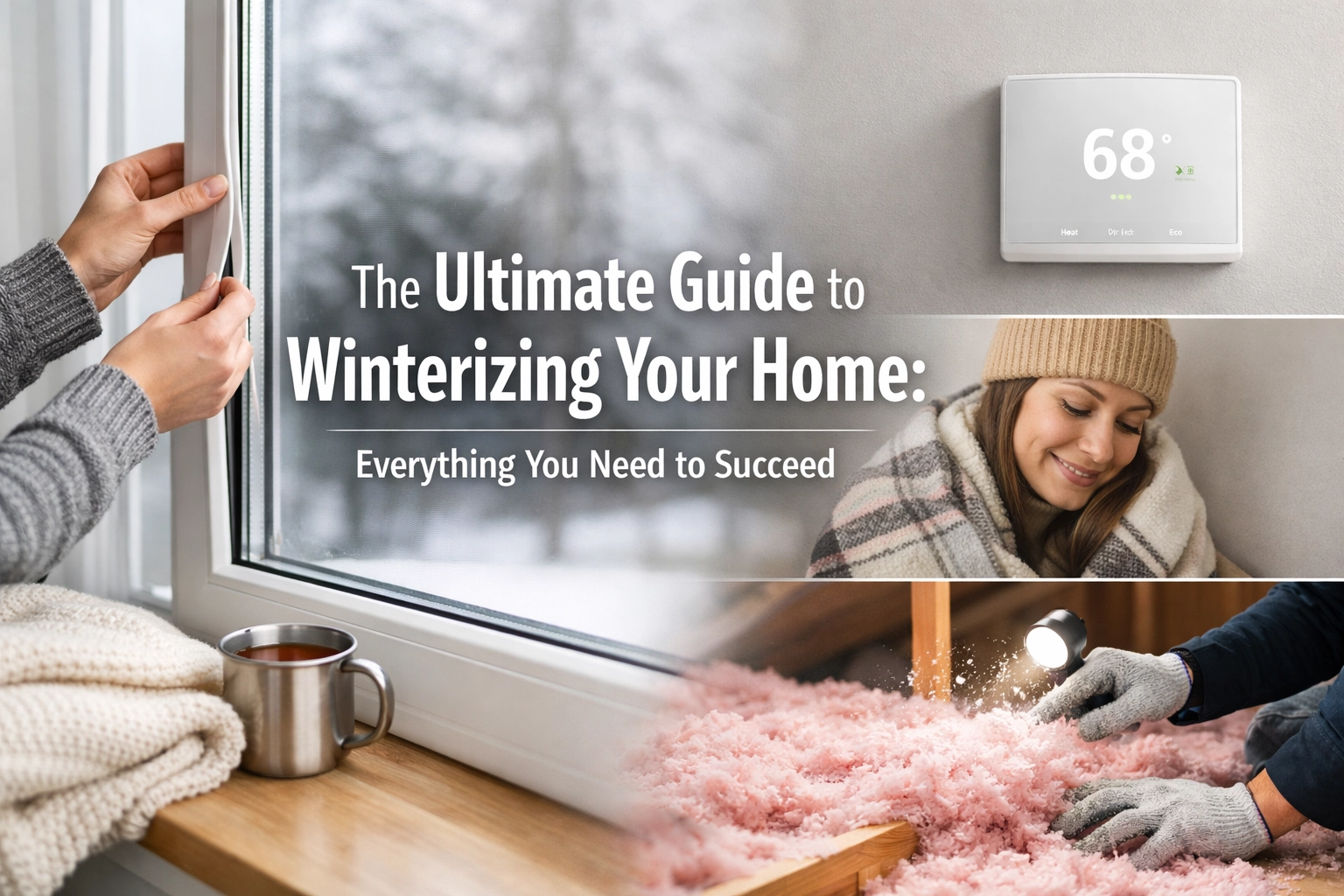
Winterization is a critical process for maintaining the structural integrity of a property and ensuring the comfort of its inhabitants during the coldest months of the year. By taking proactive steps before the first freeze, homeowners can prevent costly repairs, reduce energy consumption, and create a safer living environment. This comprehensive guide details the essential tasks required to prepare every area of a home for the challenges of winter weather.
The Importance of Heating System Maintenance
A home’s heating system is the most important defense against winter temperatures. Neglecting this system can lead to inefficient operation, higher utility bills, and even dangerous malfunctions.
Professional Inspections and Tune-ups
Scheduling a professional HVAC technician for an annual inspection is a foundational step. A professional can identify minor issues, such as worn belts or failing sensors, before they lead to a complete system failure in the middle of a cold snap. These inspections typically include cleaning the burner assembly, checking the heat exchanger for cracks, and ensuring that the system is venting carbon monoxide safely out of the home.
Replacing Air Filters
Air filters should be checked monthly and replaced at least every 90 days. During the winter, when the furnace runs more frequently, filters can clog quickly with dust and pet dander. A clogged filter restricts airflow, forcing the furnace to work harder and increasing the risk of the system overheating. Using a high-quality pleated filter can also improve indoor air quality by trapping smaller particles.
Optimizing the Thermostat
If a home is not yet equipped with a programmable or smart thermostat, winter is an ideal time for an upgrade. Setting the temperature lower when the house is empty or when occupants are sleeping can lead to significant energy savings. Many modern systems allow for remote monitoring via smartphone, which is particularly useful for those who travel during the winter months.

Sealing the Building Envelope
The building envelope includes the walls, windows, doors, and roof: essentially everything that separates the interior of the home from the exterior elements. Small gaps and cracks in this envelope can lead to significant heat loss.
Identifying and Sealing Air Leaks
Drafts are often most noticeable around window frames and door sills. A simple way to detect leaks is to hold a lit incense stick or a thin tissue near potential problem areas on a windy day. If the smoke or tissue flickers, air is moving through.
Weatherstripping is a cost-effective solution for sealing gaps around movable parts of windows and doors. For stationary gaps, such as where a window frame meets the exterior siding, a high-quality exterior caulk should be used. Pay close attention to areas where utilities: such as plumbing, electrical wires, or gas lines: enter the home, as these are common entry points for cold air and pests.
Door Sweeps and Thresholds
The gap at the bottom of exterior doors is a major source of heat loss. Installing a heavy-duty door sweep can block cold air from rushing in. If a draft persists despite a sweep, adjusting the threshold may be necessary to ensure a tight seal when the door is closed.
Window Treatments as Insulation
While not a replacement for proper sealing, heavy curtains or thermal drapes can provide an extra layer of insulation. Closing these treatments at night helps retain heat, while opening them during sunny winter days allows for natural solar gain to help warm the interior spaces.
Protecting Plumbing and Pipes
Frozen pipes are one of the most destructive issues a homeowner can face during winter. When water freezes, it expands, exerting immense pressure that can cause copper, plastic, or even steel pipes to burst.
Insulating Exposed Pipes
Pipes located in unheated areas, such as crawl spaces, attics, or garages, are at the highest risk. Foam pipe insulation is inexpensive and easy to install. Simply slip the pre-slit tubes over the pipes and secure them with duct tape or zip ties. Focus on pipes that run along exterior walls, as these are more susceptible to freezing.
Managing Outdoor Spigots
Outdoor faucets, or hose bibbs, must be drained before the first hard freeze. First, disconnect all garden hoses, drain them, and store them indoors. Inside the home, locate the shut-off valve for the outdoor water line and turn it off. Open the outdoor faucet to allow any remaining water to drain out. Leaving the valve open slightly during the winter allows any moisture that does get in to expand without breaking the pipe.
The Drip Method for Extreme Cold
During periods of extreme cold (temperatures staying below 15°F for more than 24 hours), it is advisable to let a small, steady drip of water run from faucets served by exposed pipes. This constant movement makes it harder for the water to freeze and, more importantly, relieves the pressure buildup that causes pipes to burst.

Exterior Maintenance and Roof Protection
The exterior of the home bears the brunt of winter storms. Proper maintenance of the roof and gutter system is essential to prevent water damage and structural issues.
Gutter and Downspout Cleaning
Once the last leaves of autumn have fallen, gutters should be thoroughly cleaned. Debris such as leaves, twigs, and pine needles can trap water. When this water freezes, it becomes heavy and can pull gutters away from the house. More dangerously, clogged gutters contribute to the formation of ice dams. Ensure that downspouts are clear and directed away from the foundation to prevent basement flooding when snow melts.
Inspecting for Shingle Damage
Before the first snowfall, conduct a visual inspection of the roof. Look for shingles that are missing, curled, or cracked. These vulnerabilities can allow melting snow to seep into the attic. If a roof is aging, it may be beneficial to consult a professional for a more detailed assessment.
Preventing Ice Dams
Ice dams occur when heat leaking from the attic melts the snow on the upper parts of the roof. The water flows down to the colder eaves and refreezes, creating a ridge of ice that prevents further runoff. This backed-up water can then seep under shingles and into the home’s walls and ceilings. Ensuring proper attic insulation and ventilation is the best long-term solution for preventing ice dams.
Chimney and Fireplace Safety
For many, a fireplace is a primary source of comfort during the winter. However, it requires specific maintenance to operate safely and efficiently.
Professional Chimney Sweeping
Creosote, a byproduct of burning wood, can accumulate on the interior walls of a chimney. This substance is highly flammable and is a leading cause of chimney fires. A certified chimney sweep should inspect and clean the flue annually. They will also check for structural issues, such as crumbling mortar or a damaged chimney cap, which could allow animals or moisture to enter.
Inspecting Gas Fireplaces
Gas fireplaces require less maintenance than wood-burning ones but are not maintenance-free. Vents should be checked for obstructions, and the glass should be cleaned of any film or buildup. It is also important to ensure that the gas lines and pilot light assembly are functioning correctly.

Indoor Safety and Air Quality
Winterizing isn’t just about heat; it’s also about maintaining a safe environment when the house is sealed tight against the cold.
Testing Alarms and Detectors
Because windows and doors are kept closed during the winter, the risk of carbon monoxide (CO) poisoning increases. Carbon monoxide is an odorless, colorless gas produced by fuel-burning appliances. Every floor of the home should have a functioning CO detector. Additionally, smoke detectors should be tested, and batteries replaced if they are more than six months old.
Reversing Ceiling Fans
Most ceiling fans have a small switch on the motor housing that reverses the direction of the blades. In the winter, fans should rotate clockwise at a low speed. This creates an updraft that pushes warm air, which naturally rises to the ceiling, back down into the living space. This simple adjustment can make a room feel significantly warmer without increasing the thermostat setting.
Maintaining Humidity Levels
Winter air is naturally dry, and heating systems further strip moisture from the environment. Low humidity can lead to dry skin, respiratory irritation, and damage to wooden furniture and flooring. Using a humidifier can help maintain a comfortable humidity level (ideally between 30% and 50%). For more information on maintaining a healthy home environment, one may visit the Paris Wheel Customer Help section.
Landscape and Outdoor Equipment Care
Properly storing outdoor items and preparing the yard can prevent damage and make the transition back to spring much easier.
Protecting Outdoor Furniture
Outdoor furniture, grills, and garden ornaments should be cleaned and moved into a shed, garage, or basement. If indoor storage is not available, high-quality, weather-resistant covers should be used to protect these items from snow and ice. Grills should have their propane tanks disconnected (and stored safely outdoors, never in a garage or basement).
Trimming Trees and Shrubs
Heavy snow and ice can cause weak or dead branches to break, potentially falling on the home, power lines, or vehicles. Pruning at-risk branches before winter minimizes this danger. Additionally, some delicate shrubs may benefit from being wrapped in burlap to protect them from “winter burn” caused by cold winds and sun exposure.
Servicing Power Equipment
Lawnmowers and leaf blowers should be prepared for winter storage. This involves either draining the fuel or adding a fuel stabilizer to prevent the gas from gumming up the engine. Conversely, snow blowers should be serviced and tested before the first storm hits to ensure they are ready for immediate use.

Preparing a Winter Emergency Kit
In the event of a severe winter storm or power outage, having the right supplies on hand is vital for safety and comfort.
Home Emergency Supplies
A well-stocked home kit should include:
- Flashlights and extra batteries.
- A battery-powered or hand-crank weather radio.
- A three-day supply of non-perishable food and one gallon of water per person per day.
- Warm blankets or sleeping bags.
- A first-aid kit.
- Extra pet food.
- Manual can opener.
Car Emergency Kit
Vehicles also require winterization and emergency supplies. Ensure tires have adequate tread and are properly inflated. A car kit should include an ice scraper, a small shovel, jumper cables, a flashlight, sand or kitty litter for traction, and extra warm clothing. For those looking to learn more about general household preparedness, the Paris Wheel Blog offers a variety of educational resources.

Special Considerations for Vacant Properties
If a home will be unoccupied for an extended period during the winter: such as a vacation home or a property for sale: additional precautions are necessary.
Water System Shutdown
The safest way to prevent plumbing issues in a vacant home is to turn off the main water supply and drain all the pipes. After the water is off, open all faucets and flush all toilets until the tanks are empty. For an added layer of protection, non-toxic antifreeze can be poured into toilet bowls and sink traps to prevent the remaining water from freezing and cracking the porcelain or pipes.
Maintaining Minimal Heat
While it may be tempting to turn the heat off entirely to save money, it is generally recommended to keep the thermostat set to at least 55°F (13°C). This provides enough warmth to protect the interior structure and prevents the humidity from dropping to levels that could damage woodwork.
Unplugging Non-Essentials
Unplugging electronics and small appliances prevents “vampire” energy draw and reduces the risk of electrical fires while the home is unattended. Ensure all windows are locked and that any security systems are fully functional.
Achieving Long-Term Efficiency
Winterizing a home is not merely a reaction to cold weather; it is a strategic approach to home maintenance that yields benefits throughout the year. The sealants applied to windows in December also help keep the air conditioning inside during July. The insulation added to the attic prevents heat gain in the summer as effectively as it prevents heat loss in the winter.
By following this guide, homeowners can navigate the challenges of the winter season with confidence. Taking the time to perform these tasks systematically ensures that the home remains a sanctuary of warmth and safety, regardless of the conditions outside. For ongoing learning about home management and lifestyle routines, exploring the various categories at Paris Wheel can provide further valuable insights.

