
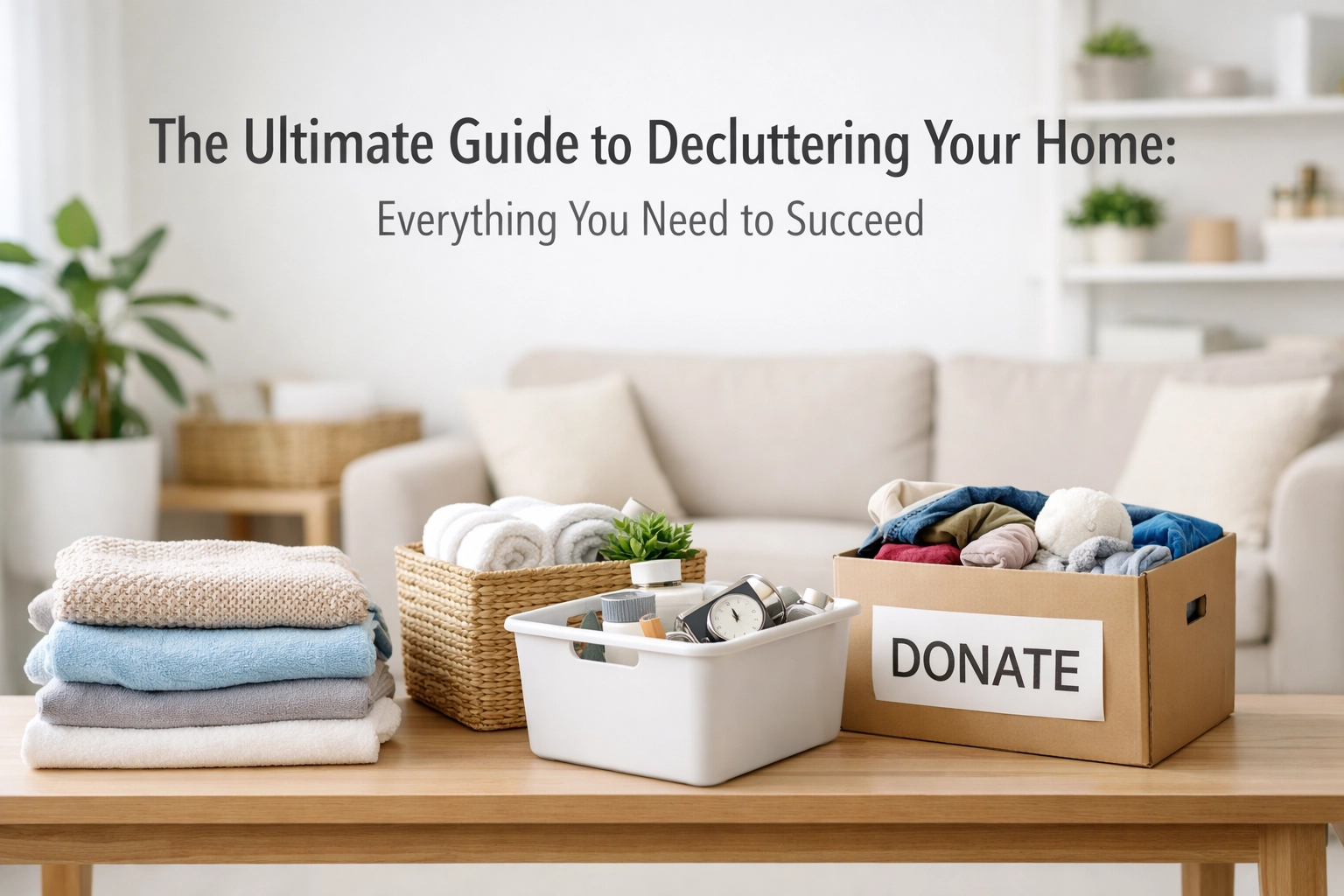
Maintaining a home involves more than just regular cleaning; it requires a systematic approach to managing the items that occupy the living space. Decluttering is the process of removing unnecessary items from a home to create a more functional, organized, and stress-free environment. While often used interchangeably with organizing, decluttering is the essential first step. It is impossible to organize a space that is overfilled with items that are no longer needed or used.
A successful decluttering project relies on a blend of psychology, logistics, and consistent habits. This guide provides a comprehensive framework for clearing out the excess and establishing systems that prevent clutter from returning.
Understanding the Difference Between Decluttering and Organizing
It is a common mistake to purchase storage bins and labels before addressing the actual volume of possessions. Organizing is the act of arranging items in a logical way for easy access and aesthetic appeal. Decluttering, however, is the act of subtraction.
Attempting to organize items that should be discarded leads to “organized clutter,” where items are neatly packed away but still take up valuable square footage and mental energy. Effective home storage solutions only work when they are applied to a curated selection of necessary items.
Preparation: The Decluttering Toolkit
Efficiency in decluttering comes from having the right supplies ready before the work begins. Stopping a session to find a trash bag or a marker can break momentum and lead to procrastination.
Essential Supplies
- Four Large Boxes or Bins: These should be clearly labeled: “Donate,” “Sell,” “Relocate,” and “Trash/Recycle.”
- Heavy-Duty Trash Bags: For items that are damaged beyond repair or use.
- Sticky Notes and Markers: For labeling piles or identifying items that need further consideration.
- Cleaning Supplies: A microfiber cloth and an all-purpose cleaner are useful for wiping down shelves and surfaces as they are emptied.
- A Timer: Setting a timer for 30 to 60 minutes helps maintain focus without causing burnout.

Proven Decluttering Methods
There is no single “correct” way to declutter. The best method is the one that fits a specific lifestyle and the amount of time available.
The Four-Box Method
This is one of the most straightforward techniques. In any given room, every single item is picked up and placed into one of the four boxes mentioned above. By forcing a decision on every object, this method prevents the tendency to simply move piles from one corner to another.
The 10-Day Category Method
For those who prefer a structured timeline, breaking the home into categories over ten days can make the task feel manageable.
- Day 1: Toiletries and medicine cabinet.
- Day 2: The “Junk Drawer” and office supplies.
- Day 4: Clothing and accessories.
- Day 5: Kitchen cabinets and gadgets.
- Day 6: The pantry and refrigerator.
- Day 7: Toys and hobby gear.
- Day 8: Linens and towels.
- Day 9: Media (books, DVDs, electronics).
- Day 10: Sentimental items and photographs.
Swedish Death Cleaning
Despite the morbid name, this method is about living more lightly. It involves a deep, slow process of evaluating possessions and keeping only those that add true value or are essential for daily life. It often starts with large items like furniture and moves toward smaller, sentimental objects.
Room-by-Room Execution Strategies
Tackling a whole house at once is often overwhelming. Focusing on one room or even one zone within a room ensures visible progress.
The Kitchen and Pantry
The kitchen is often the busiest room in the house and accumulates clutter quickly through expired food, duplicate utensils, and rarely used appliances.
Begin by emptying the pantry completely. Check expiration dates and discard anything that is past its prime. Group similar items together: grains, canned goods, baking supplies: to see how much of each category is present. A well-organized pantry significantly reduces food waste and makes meal preparation more efficient.
Next, move to the “gadget” drawer. If a tool only performs one specific task (like an avocado slicer) and hasn’t been used in a year, it is likely a candidate for donation.
The Living Room
The living room should be a place for relaxation. Clutter here often consists of old magazines, tangled cables, and excessive decor.
- Furniture: Evaluate if the room feels cramped. Removing one unnecessary side table or an unused chair can open up the space.
- Cable Management: Use clips or ties to bundle electronics cables.
- Surfaces: Keep coffee tables and mantels clear of all but a few meaningful items.
The Bedroom and Closet
A cluttered bedroom can interfere with sleep and relaxation. Focus on clearing nightstands of everything except the essentials (a lamp, a book, a glass of water).
In the closet, the “reverse hanger” trick is effective. Turn all clothes hangers backward. When an item is worn and returned to the closet, turn the hanger the right way. After six months, any hangers still facing backward identify clothes that have not been worn and can likely be donated. For those dealing with small bedroom organization, utilizing under-bed storage for out-of-season items is essential.

The Bathroom and Medicine Cabinet
Bathrooms often house expired medications and nearly empty bottles of skincare products.
- Safety First: Dispose of expired medications at a local pharmacy or designated drop-off site.
- Consolidate: If there are three half-empty bottles of the same lotion, combine them if they are the same product, or commit to using one until it is gone before opening the next.
- Daily Essentials: Only items used every morning and night should occupy counter space. Everything else should be tucked away in drawers or bins.
Managing Sentimental Items and Paper Clutter
Sentimental items are often the hardest to declutter because of the emotional attachment involved. Similarly, paper clutter can feel overwhelming because of the perceived “importance” of every document.
The Sentimentality Trap
It is important to remember that memories reside in the person, not the object. To let go of sentimental items without losing the memory:
- Take a Photograph: High-quality digital photos allow for the preservation of the visual memory without the physical bulk.
- Keep the Best, Discard the Rest: If there is a collection of 50 porcelain figurines, keeping the single most favorite one and donating the others honors the collection without cluttering the shelf.
- Pass it On: Knowing an item will be used and appreciated by someone else can make the parting easier.
Conquering Paperwork
Digitalization is the best defense against paper clutter.
- Scan and Shred: Most documents, including tax returns (after the required holding period) and medical records, can be scanned and stored securely in the cloud.
- The “One-Touch” Rule: When mail enters the house, deal with it immediately. Recycle junk mail, file important documents, and place bills in a designated “Action” folder.
- Unsubscribe: Reduce the amount of paper entering the home by opting for paperless billing and unsubscribing from physical catalogs.

Maximizing Home Storage Solutions
Once the decluttering process is complete, the remaining items need a designated “home.” Efficient storage is about visibility and accessibility.
Vertical Space
When floor space is limited, look up. Wall-mounted shelves, over-the-door organizers, and tall bookcases utilize the vertical real estate of a room. This is particularly effective in laundry rooms and entryways where floor space is at a premium.
Transparent Containers
Using clear bins allows for quick identification of contents without having to open every box. This is ideal for holiday decorations, craft supplies, and children’s toys. Labeling these bins further reinforces the system for everyone in the household.
Creating Zones
Store items where they are used. Keep coffee pods near the coffee maker, and store extra towels in the bathroom rather than a remote linen closet. Creating “zones” of activity minimizes the time spent searching for items.
Developing Habits to Prevent Clutter Re-entry
Decluttering is not a one-time event; it is a maintenance task. Without a change in habits, the clutter will eventually return.
The One-In-One-Out Rule
For every new item brought into the home: whether it is a piece of clothing, a book, or a kitchen tool: one old item must leave. This creates a “zero-sum” environment where the total volume of possessions remains stable.
The 5-Minute Reset
At the end of each day, spend five minutes returning items to their designated homes. This prevents small piles from turning into overwhelming messes. Following a simple daily checklist can make this habit feel like an effortless part of the evening routine.
Intentional Shopping
Before making a purchase, ask three questions:
- Is there a specific place for this item in the home?
- Is it replacing something that is broken?
- Is it a necessity or a transient want?
Reducing the flow of items into the home is the most effective way to maintain an organized space.

Integration with Cleaning Routines
A decluttered home is significantly easier to clean. Without piles of objects to move, dusting and vacuuming take a fraction of the time. Integrating decluttering into a weekly cleaning schedule ensures that “hot spots” like the entryway or the kitchen counter are addressed before they become problematic.
Seasonal transitions also provide excellent opportunities for a deeper declutter. For example, during fall home transitions, as summer gear is put away, it is the perfect time to evaluate what wasn’t used during the season and donate it rather than storing it for another year.
Summary of Actionable Steps
To move from a cluttered home to a streamlined environment, follow this logical progression:
- Define the Goal: Determine why decluttering is necessary (e.g., to save time, reduce stress, or gain space).
- Gather Supplies: Do not begin without boxes, bags, and labels.
- Choose a Zone: Start small: a single drawer or a bathroom cabinet: to build confidence.
- Be Ruthless: If it hasn’t been used in a year, it is likely not needed.
- Relocate Immediately: Do not let “Donate” or “Sell” boxes sit in the hallway for weeks. Take them to their destination as soon as the session ends.
- Maintain: Implement the one-in-one-out rule and daily resets.

A decluttered home provides the physical and mental space needed to focus on more important aspects of life. While the process requires effort and sometimes difficult decision-making, the long-term benefits of a simplified living environment are substantial. By following these structured methods and maintaining consistent habits, any home can be transformed into a functional and peaceful space.

