
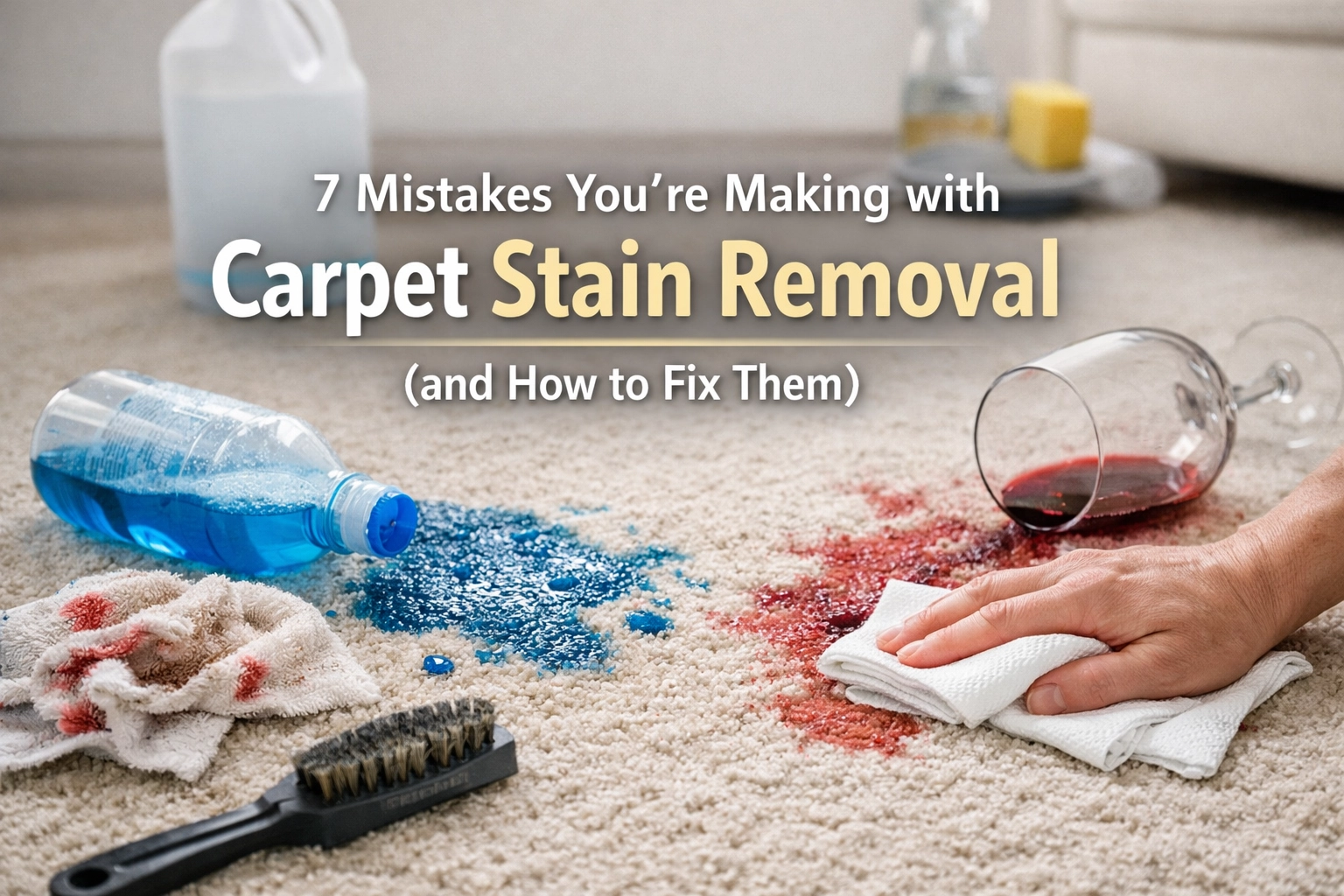
Maintaining a pristine home environment often begins with the state of the flooring. Carpets provide warmth, insulation, and comfort, but they also act as a filter for the home, trapping dust, allergens, and inevitably, spills. When a spill occurs, the immediate reaction is often one of panic, leading to hasty decisions that can permanently damage the carpet fibers or the backing. Understanding the science of carpet care is essential for any homeowner looking to extend the life of their textile surfaces.
Effective stain removal is not merely about removing a visible mark; it is about preserving the structural integrity of the carpet and ensuring the indoor air quality remains high. Many common household practices actually contribute to the degradation of carpet materials. By identifying and correcting these seven frequent mistakes, it is possible to handle almost any domestic spill with professional-grade results.
1. Scrubbing and Rubbing the Stain
The most instinctive reaction to a liquid spill is to grab a cloth and scrub vigorously. While this might feel like an effective way to “break up” the stain, it is the most common way to ruin a carpet. Scrubbing applies downward and lateral pressure that forces the liquid deeper into the carpet pile and, eventually, into the padding beneath.
Furthermore, the mechanical action of rubbing creates friction and heat. This can fray the carpet fibers, leading to a permanent “fuzzy” appearance known as blooming or pile distortion. Once the fibers are physically damaged, no amount of cleaning will restore the original texture.
How to Fix It: The Blotting Technique
Instead of rubbing, use the blotting method. Take a clean, white cotton towel or a high-absorbency paper towel and press it firmly down onto the spill. The goal is to transfer the liquid from the carpet fibers into the cloth using capillary action. Work from the outside of the stain toward the center to prevent the liquid from spreading outward. Continue this process, switching to a dry section of the towel frequently, until no more moisture transfers.

2. Waiting Too Long to Treat Spills
Time is the greatest enemy of carpet maintenance. When a substance like red wine, coffee, or pet urine hits the carpet, it begins a chemical bonding process with the fibers. If left to sit, the liquid moves from the surface of the fiber into the core. Once a stain “sets,” it undergoes a chemical change: often involving oxidation: that can make it permanent.
Delaying treatment also allows the liquid to seep through the primary and secondary backing of the carpet into the pad. This creates a “reservoir” of bacteria and moisture that is difficult to reach with surface cleaners. Over time, this can lead to persistent odors and the growth of mold or mildew.
How to Fix It: Immediate Response Protocol
Treat every spill as an emergency. Even if guests are present, taking sixty seconds to blot up the bulk of the liquid can save the carpet. Keep a dedicated “stain kit” in an accessible location, such as a laundry room or under the kitchen sink, containing white cloths and a neutral pH cleaner. For more tips on organizing home maintenance supplies, visit Paris Wheel Home Storage.
3. Over-Wetting the Carpet
There is a common misconception that more cleaning solution leads to a cleaner result. In reality, saturated carpets are a recipe for disaster. Excessive water or cleaning fluid can break down the latex adhesive that holds the carpet fibers to the backing, a process known as delamination. This results in bubbles, ripples, and a loss of structural integrity.
Over-wetting also triggers “wicking.” As the carpet dries, the moisture trapped in the padding travels back up to the surface, bringing dissolved dirt and the original stain with it. This explains why a stain often reappears a few days after it was supposedly cleaned.
How to Fix It: Controlled Moisture Application
Use a spray bottle to apply cleaning solutions as a fine mist rather than pouring liquid directly onto the floor. If a deep clean is necessary, ensure the room is well-ventilated with fans or open windows to speed up the drying process. A shop vacuum can also be used to extract as much moisture as possible after the cleaning process is complete.
4. Using Harsh or Improper Cleaning Solutions
Using the wrong chemical on a carpet can be more damaging than the stain itself. High-pH cleaners, such as laundry detergents, dish soaps, or all-purpose sprays, are designed for hard surfaces or clothing. On carpet, these high-alkaline substances can strip away the factory-applied stain-resistant coatings.
Bleach-based products or aggressive “oxy” cleaners can also cause permanent color loss or yellowing. Additionally, many household soaps leave behind a sticky residue. Because soap is designed to attract dirt, any residue left in the carpet will act as a magnet for dust and foot traffic, causing a dark spot to form in the exact location of the original spill.
How to Fix It: PH-Balanced Carpet Cleaners
Always select a cleaning solution specifically formulated for carpets. Look for products that carry the Carpet and Rug Institute (CRI) Seal of Approval. For those who prefer a DIY approach, a mixture of one part white vinegar to two parts water is a safe, acidic solution that helps neutralize many stains without leaving a sticky residue.

5. Skipping the Patch Test
Every carpet is made of different materials, including nylon, polyester, wool, or triexta. Each of these reacts differently to cleaning agents. A solution that works perfectly on a synthetic polyester rug might cause a wool carpet to shrink or its dyes to bleed.
Applying a new cleaner directly to the center of a living room rug without testing is a high-risk maneuver. If the cleaner causes discoloration or fiber melting, the damage is in the most visible part of the room.
How to Fix It: The Inconspicuous Area Test
Before applying any cleaner to a stain, test it in a hidden area, such as inside a closet or under a heavy piece of furniture. Apply a small amount of the solution to the carpet, wait several minutes, and then press a white cloth against it. If any color from the carpet transfers to the cloth, or if the carpet changes hue, do not use that product. More information on home care can be found at pariswheel.com.
6. Mixing Multiple Cleaning Products
When one cleaner doesn’t seem to work, the temptation is to immediately try another one on top of it. This is not only ineffective but potentially dangerous. Mixing chemicals like ammonia (found in some glass cleaners) and bleach can create toxic chlorine gas.
On a less hazardous level, mixing different chemicals can cause a reaction that “locks” the stain into the fiber. The interaction of different surfactants and solvents can create a gummy substance that is nearly impossible to extract.
How to Fix It: Single-Product Methodology
If one cleaning solution fails, the area must be thoroughly rinsed with plain water and blotted dry before attempting a different treatment. It is best to stick to one method at a time and allow the carpet to dry fully between attempts to see the true results.

7. Not Rinsing Thoroughly
Even if the correct carpet-specific cleaner is used, failing to rinse the area is a major error. Cleaning solutions work by suspending dirt particles so they can be removed. If the solution is left in the carpet, the dirt remains there as well, dried into the fibers along with the soap.
As mentioned previously, soap residue is a primary cause of rapid re-soiling. If a spot on the carpet feels “stiff” or “crunchy” after it has dried, there is still cleaning agent present in the pile.
How to Fix It: The Cold Water Rinse
After the stain has been removed, lightly mist the area with clean, cold water. Blot the area with a fresh towel to remove the water and any remaining cleaning agent. Repeat this “rinse and blot” cycle until the towel comes away clean and the carpet fibers feel soft to the touch.
Specialized Strategies for Specific Stains
While the mistakes above apply generally, certain substances require specialized approaches to avoid permanent setting.
Protein-Based Stains (Blood, Dairy, Pet Messes)
These stains should never be treated with hot water. Heat “cooks” the protein, causing it to bind permanently to the carpet fibers. Always use cold water for the initial blot. Enzyme-based cleaners are the most effective for these stains as they physically break down the organic matter.
Tannin and Acid Stains (Coffee, Tea, Wine)
These liquids act like dyes. The priority is to neutralize the acidity and prevent the pigment from bonding. A mixture of white vinegar and water is often effective here because the acidity of the vinegar helps prevent the tannin from setting.
Grease and Oil (Food Spills, Makeup)
Oil does not respond to water-based cleaners. For these, a small amount of a solvent-based cleaner or a dry-cleaning fluid designed for home use is necessary. Alternatively, applying a layer of cornstarch or baking soda and letting it sit for several hours can help “draw” the oil out of the fibers before vacuuming.

Long-Term Carpet Maintenance
Beyond spot cleaning, the overall health of a carpet depends on consistent maintenance routines. While removing stains is vital, preventing the build-up of abrasive soil is what truly extends the life of the flooring.
- Frequent Vacuuming: Dry soil acts like sandpaper. When stepped on, it cuts into the carpet fibers, causing them to look dull and worn. Vacuuming at least twice a week in high-traffic areas is the best preventative measure.
- Entryway Mats: Placing mats at every entrance to the home can capture up to 80% of the dirt that would otherwise be tracked onto the carpets.
- Professional Cleaning: Even with diligent spot cleaning, carpets should be professionally deep-cleaned every 12 to 18 months. Professionals use high-powered extraction equipment that can remove the deep-seated grit and oily residues that domestic vacuums and spot cleaners cannot reach.
By avoiding the common pitfalls of scrubbing, over-wetting, and using the wrong chemicals, homeowners can maintain the aesthetic and functional value of their carpets for years. Effective stain removal is a combination of patience, the right chemistry, and immediate action. With these principles in mind, a spill no longer needs to be a permanent mark on the home’s interior. For more educational resources on home improvement and maintenance, explore the articles at Paris Wheel.

