
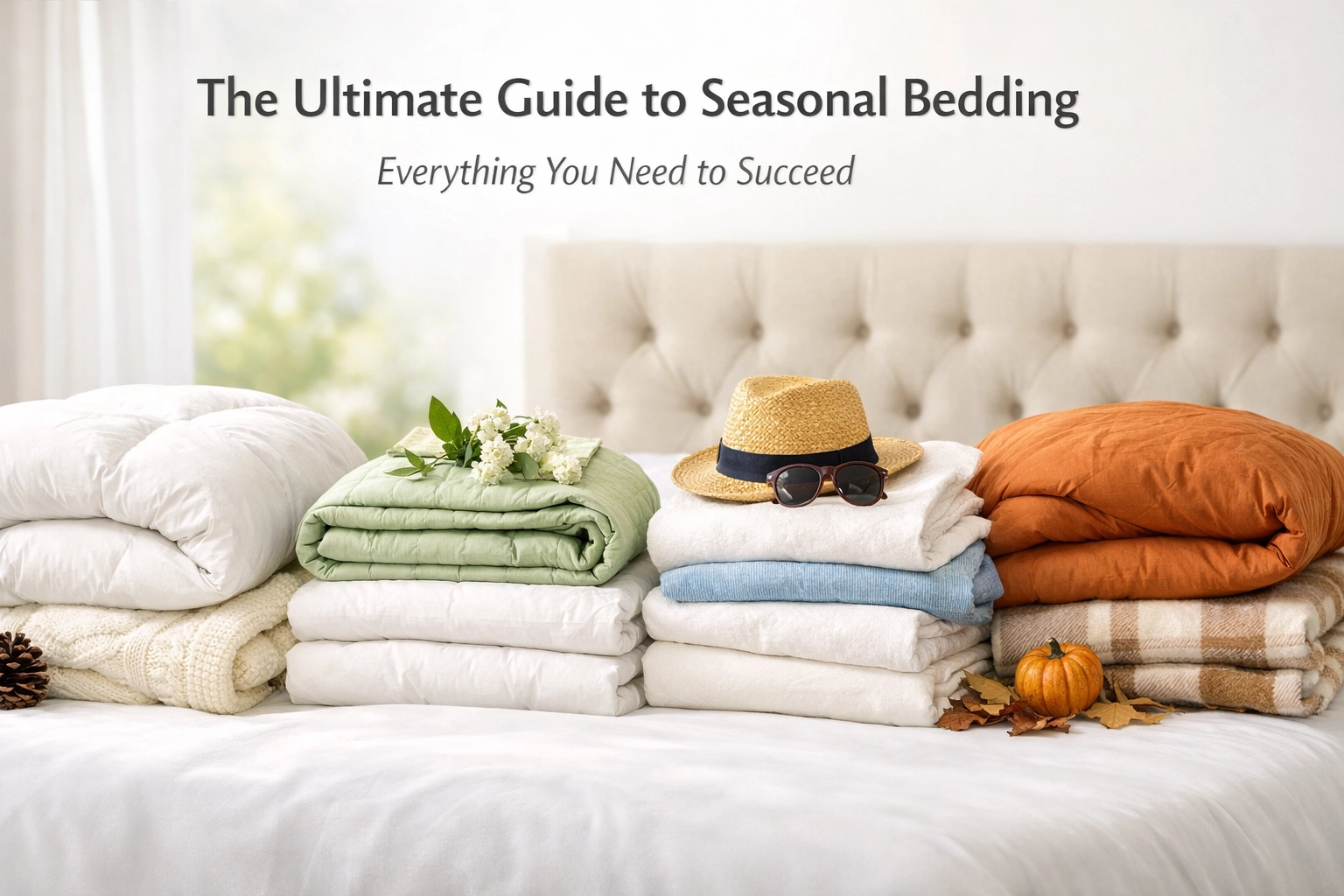
Sleep is a fundamental pillar of health, yet many factors can disrupt its quality. Among the most significant is body temperature. Research indicates that the ideal environment for sleep is a cool room, typically between 60 and 67 degrees Fahrenheit. However, achieving and maintaining this balance requires more than just adjusting the thermostat. It demands a strategic approach to bedding that evolves with the seasons.
A well-curated bedding system acts as a personal climate control module. By understanding the properties of different fibers and construction methods, one can create a sleep environment that remains comfortable whether the outside air is humid and sweltering or crisp and freezing. This guide provides a comprehensive breakdown of how to master seasonal bedding for year-round comfort.
The Science of Sleep and Temperature
The human body undergoes a natural dip in core temperature as part of the circadian rhythm, signaling that it is time to sleep. If the sleep environment is too hot, the body struggles to shed heat, leading to restlessness and fragmented sleep. Conversely, if it is too cold, the body may expend energy trying to stay warm, preventing deep, restorative stages of rest.
Seasonal bedding addresses these shifts by utilizing materials that either promote airflow and moisture-wicking in the summer or trap pockets of warm air for insulation in the winter. The goal is to reach thermal neutrality, a state where the body does not have to work to gain or lose heat.
Understanding Fabric Weights and Weaves
Before selecting bedding for a specific season, it is essential to understand the technical aspects of the materials involved. Not all cotton is created equal, and the way a fabric is woven significantly impacts its breathability and warmth.
Percale vs. Sateen
Most high-quality sheets are made of cotton, but the weave determines the “hand feel” and temperature profile.
- Percale: This is a simple one-over, one-under weave. It results in a matte finish and a crisp, cool feel. Percale is highly breathable and allows for maximum airflow, making it the gold standard for hot sleepers and summer months.
- Sateen: This weave uses a four-over, one-under pattern. It creates a smoother, silkier surface with a subtle sheen. Because the threads are packed more tightly, sateen is heavier and retains more heat than percale, making it ideal for transitional seasons or those who feel a chill.
Natural Fibers: Linen, Wool, and Silk
- Linen: Derived from the flax plant, linen features hollow fibers and a lower thread count by nature. This allows for exceptional moisture absorption and airflow. It is arguably the best material for high humidity.
- Wool: Often misunderstood as a winter-only material, wool is actually a powerful thermoregulator. It can move moisture away from the skin in the summer and provide dense insulation in the winter.
- Silk: This protein-based fiber is naturally hypoallergenic and excellent for temperature regulation, though it requires more delicate care.

Summer: Maximizing Airflow and Moisture Management
During the summer, the primary objective is to prevent the buildup of heat and humidity under the covers. Night sweats are a common disruption, often caused by synthetic materials like polyester that trap moisture against the skin.
Lightweight Sheet Selection
Switching to 100% cotton percale or linen is the first step in a summer bedding transition. These materials allow the body’s heat to dissipate rather than reflecting it back. Avoid high thread counts (above 500) in the summer, as a higher thread count often means a tighter weave with less breathability.
Low-Tog Duvets
The “Tog” rating is a measure of thermal resistance. For summer, a duvet with a Tog rating of 2.5 to 4.5 is recommended. This provides the psychological comfort of a “weight” on the body without the intense heat of a standard winter comforter.
The Summer Layering Strategy
- Base: A cotton mattress protector that allows for airflow.
- Middle: A crisp percale flat sheet.
- Top: A lightweight coverlet or a low-tog duvet.
- Foot of the bed: A thin cotton throw for early morning hours when temperatures may dip.
Winter: Building Insulation and Retaining Heat
As temperatures drop, the focus shifts from dissipation to retention. The goal is to create a “microclimate” under the covers that stays warm throughout the night without becoming stifling.
Flannel and Heavy Sateen
Flannel is a cotton fabric that has been brushed to create a soft, fuzzy surface. These raised fibers trap tiny pockets of air, which act as natural insulators. For those who find flannel too heavy, a high-quality sateen sheet provides a similar sense of cozy warmth with a smoother finish.
High-Tog Duvets and Fill Power
Winter duvets should typically fall between 12 and 13.5 Tog. When choosing a down duvet, look at the “fill power.” A higher fill power (600+) indicates that the down is higher quality and traps more air for its weight, providing warmth without excessive bulk. For those with allergies, down-alternative fills made of microfiber can mimic these properties.
The Winter Layering Strategy
- Base: A quilted or wool mattress pad for bottom-up warmth.
- Middle: Flannel or sateen sheets.
- Insulation: A high-tog duvet or a thick wool blanket.
- Top: A heavy bedspread or a faux-fur throw for added weight and heat retention.

Spring and Autumn: The Art of the Transitional Bed
Transitional seasons are the most challenging because temperatures can fluctuate wildly from one night to the next. The key to success during these months is modularity.
Versatile Materials
Linen is an excellent choice for spring and autumn because of its ability to adapt. Similarly, medium-weight cotton (around 300-400 thread count) serves as a reliable middle ground.
The All-Seasons Duvet
Many households utilize an “all-seasons” duvet system. This consists of two separate duvets, one low-tog (around 4.5) and one medium-tog (around 9.0), that can be buttoned together to create a heavy winter duvet (13.5 Tog). During spring and autumn, the medium-tog duvet is used on its own.
Flexible Layering
During these months, use a “quilt and blanket” approach. Having a medium-weight quilt as the primary cover allows one to easily add or remove a wool blanket depending on the evening’s forecast.
For more insights into managing home comfort, visit the Paris Wheel Blog.
The Definitive Guide to Tog Ratings
Understanding Tog ratings is essential for choosing the right duvet. While originated in the UK, the Tog system is a universal way to understand how much heat a piece of bedding will trap.
| Tog Rating | Season | Best Use Case |
|---|---|---|
| 1.0 – 4.5 | Summer | Very warm nights or hot sleepers |
| 7.0 – 10.5 | Spring/Fall | Moderate temperatures; standard year-round use |
| 12.0 – 13.5 | Winter | Cold climates or poorly insulated rooms |
| 15.0 | Deep Winter | Extreme cold; rarely needed in modern heated homes |

Strategic Layering for Year-Round Versatility
Layering is not just about warmth; it is about customization. A bed with multiple thin layers is almost always more comfortable than a bed with one thick layer.
- The Foundation: Start with a breathable mattress protector. This protects the mattress from moisture and allergens while providing a stable base for sheets.
- The Sheet Layer: This is the layer in direct contact with the skin. Choose based on the specific texture and temperature needs of the current month.
- The Middle Layer: A lightweight blanket (cotton or bamboo) is useful year-round. It adds a bit of weight and can be the sole covering on the hottest nights.
- The Main Insulator: The duvet or comforter. This provides the bulk of the warmth.
- The Accent Layer: A throw or bedspread at the foot of the bed adds aesthetic depth and serves as an emergency layer if the room gets unexpectedly cold.
The “Scandinavian Method” for Couples
A common challenge in seasonal bedding is when two people sharing a bed have different internal thermostats. The “Scandinavian Method” involves using two separate twin-sized duvets on a single king or queen-sized bed. This allows one partner to use a summer-weight duvet while the other uses a winter-weight one, eliminating “cover stealing” and temperature conflicts.
Maintenance: Cleaning and Protecting Seasonal Bedding
To ensure bedding lasts for many years, proper maintenance is required during transitions. Dirt, skin cells, and oils can degrade natural fibers over time if not addressed before storage.
Washing Tips
- Duvets: Down and down-alternative duvets should be washed once or twice a year. Use a large-capacity front-loading machine. To keep the fill from clumping, place two or three clean tennis balls in the dryer on a low-heat setting.
- Sheets: Wash weekly in warm water. Avoid using too much detergent, as it can build up on fibers and reduce breathability.
- Blankets: Wool blankets should be aired out frequently and dry-cleaned or carefully hand-washed only when necessary to prevent shrinking.
For specific questions regarding product care, consult the Customer Help section.
Drying
Whenever possible, line-dry linens. The sun acts as a natural disinfectant and prevents the heat damage that can occur in industrial dryers. If using a dryer, remove the linens while they are still slightly damp to prevent wrinkles and static.

Storage Solutions for Off-Season Linens
How bedding is stored during its “off-season” determines its longevity. Improper storage can lead to yellowing, mildew, or pest damage.
Preparation
Never store bedding that hasn’t been freshly laundered and completely dried. Even a small amount of residual moisture can lead to mold growth inside a storage container.
Choosing Containers
Avoid airtight plastic bins for long-term storage of natural fibers like wool or down. These materials need to “breathe.” Instead, use fabric storage bags or acid-free boxes. These allow for air circulation while keeping dust and pests out.
Location
Store linens in a cool, dry, and dark place. Sunlight can bleach fabrics over time, and humidity can weaken the fibers. Adding a small sachet of lavender or cedar can help repel moths and keep the bedding smelling fresh.
Common Bedding Pitfalls to Avoid
- Over-reliance on Thread Count: Many believe a higher thread count always means higher quality. In reality, excessively high thread counts often use thinner, weaker threads and can trap too much heat. Focus on the quality of the fiber and the type of weave instead.
- Ignoring the Mattress Protector: A plastic-backed mattress protector can act as a heat trap. Look for protectors made with Tencel or cotton-terry that provide a waterproof barrier without sacrificing breathability.
- Using Fabric Softeners: Fabric softeners and dryer sheets leave a waxy coating on fibers. This coating reduces the moisture-wicking capabilities of cotton and linen, making them feel hotter and “greasier” over time.
- Neglecting Pillows: Pillows also have seasonal properties. Memory foam tends to retain heat, while latex or feather-and-down pillows offer more airflow. Consider switching to a cooling pillowcase during the summer months.
Creating a Sustainable Routine
The transition between seasons does not have to be an overwhelming chore. By integrating these changes into the natural flow of the year, perhaps timed with the beginning and end of Daylight Saving Time, it becomes a ritual that prepares the mind and body for the coming weather.
A thoughtful approach to bedding is an investment in health. By mastering the art of the seasonal bed, one ensures that the bedroom remains a sanctuary of comfort, regardless of what is happening outside the window.
For more information on the mission behind Paris Wheel, visit the About Us page. For legal or policy inquiries, please see our Terms and Conditions.

