
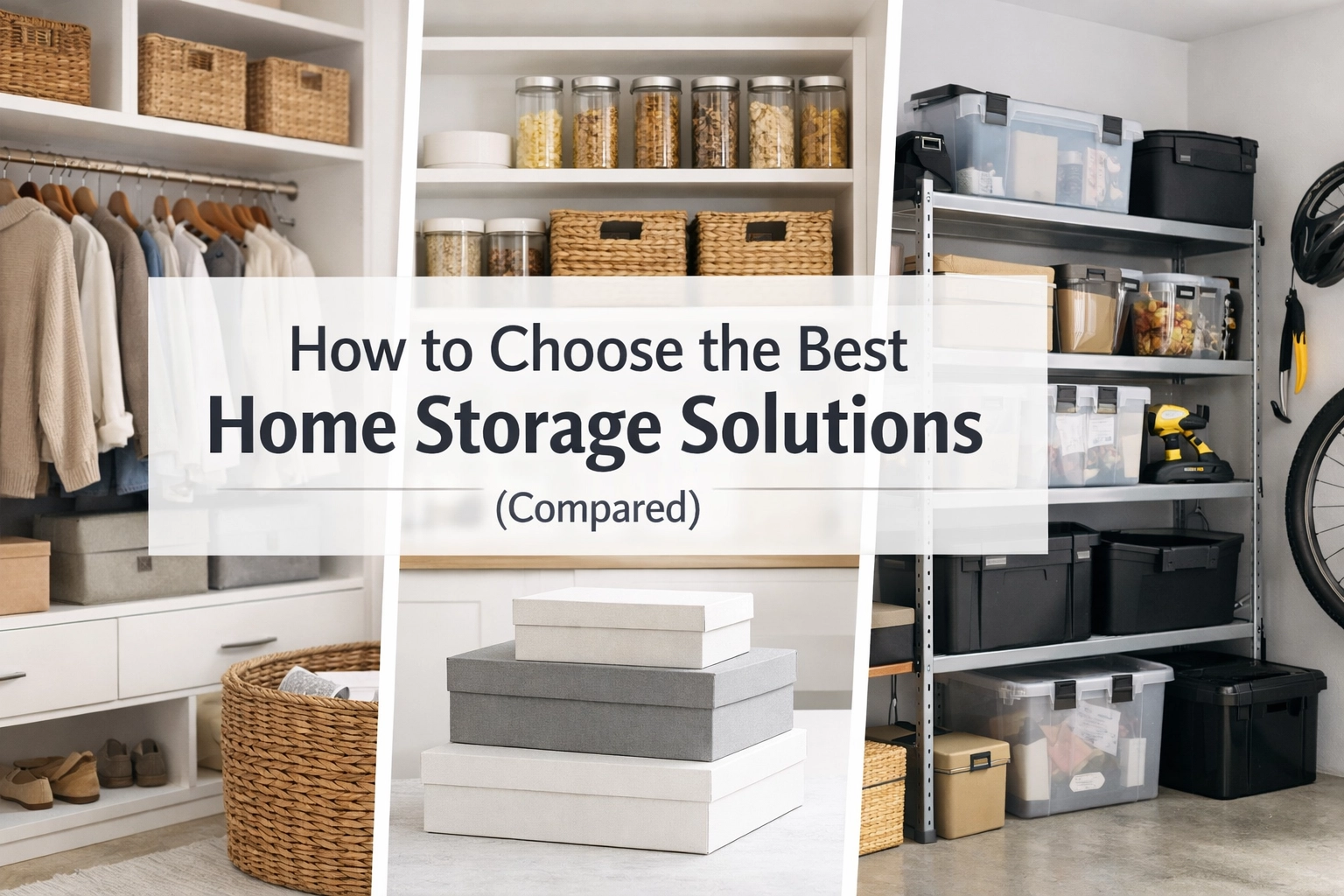
Maintaining an organized living environment is often a matter of balancing available square footage with the volume of personal belongings. As lifestyles evolve and the functions of a home expand: often serving as an office, a gym, and a sanctuary simultaneously: the demand for efficient storage solutions becomes paramount. Selecting the right system involves more than just purchasing plastic bins; it requires a strategic assessment of space, frequency of use, and long-term durability.
Assessing Storage Needs and Space Constraints
The first step in selecting a storage solution is a thorough audit of the items requiring a home. Categorizing belongings into “frequently used,” “seasonally used,” and “long-term storage” helps determine where and how they should be housed. For instance, daily-use kitchen tools require accessibility, whereas holiday decorations can be relegated to harder-to-reach areas.
Measuring the dimensions of a room is critical. It is not just about the floor area but also the height of the walls and the depth of existing closets. Many homeowners overlook the “cubic footage” of a room, focusing only on the floor space. By looking upward, it is possible to identify untapped potential in the upper thirds of walls and even the ceiling.
Traffic flow is another essential consideration. A storage unit that protrudes too far into a hallway or blocks a doorway creates a new problem while attempting to solve an old one. Before committing to a permanent fixture, marking the footprint of the intended furniture on the floor with painter’s tape can provide a realistic sense of how it will affect movement within the room.
Comparing Vertical Storage and Shelving
Vertical storage is one of the most effective ways to maximize space in small rooms. By shifting the storage burden from the floor to the walls, the room remains open and feels less cluttered.
Wall-Mounted Baskets and Floating Shelves
These options are ideal for items that need to remain visible and accessible. Floating shelves offer a minimalist aesthetic and can be installed at varying heights to accommodate items of different sizes. Wall-mounted baskets are particularly useful in entryways or bathrooms for containing loose items like mail or toiletries.
Tall Cabinets and Bookshelves
For maximum capacity, floor-to-ceiling cabinets or bookshelves provide significant volume. Closed cabinetry is preferable for items that contribute to visual “noise,” such as mismatched linens or office supplies. Open shelving, while requiring more frequent dusting and tidying, serves well for curated displays or frequently accessed books.

The Versatility of Modular Closet Systems
Modular storage systems are designed for adaptability. Unlike fixed shelving, modular units consist of tracks, brackets, and interchangeable components like drawers, rods, and baskets.
Benefits of Modularity
The primary advantage of a modular system is the ability to reconfigure it as needs change. A child’s closet might start with many low-hanging rods and small cubbies for toys but can be adjusted to accommodate longer garments and larger shelves as the child grows. This flexibility makes modular systems a cost-effective long-term investment.
Installation and Customization
Many modular systems are designed for DIY installation, utilizing a top track that supports the entire weight of the unit. This reduces the number of holes drilled into the wall and simplifies the process of leveling. For those seeking a professional finish, high-end modular systems offer wood veneers and integrated lighting that mimic the look of custom-built cabinetry at a lower price point.

Built-In Solutions for Oddly Shaped Spaces
Every home has underutilized areas that are difficult to furnish with standard retail pieces. Built-in storage solutions are tailored to these specific architectural quirks, turning wasted space into functional assets.
Under-Stair Storage
The triangular void beneath a staircase is often left empty or used as a dark, inaccessible closet. Transforming this area with pull-out drawers or custom-fitted cabinets can provide significant storage for shoes, cleaning supplies, or even a wine collection. Because these drawers can be pulled out fully, every inch of depth is utilized without the need to crawl into a cramped space.
Nooks and Alcoves
Small recesses in walls, often found next to fireplaces or at the end of hallways, are perfect candidates for built-in shelving. By matching the shelving material to the surrounding trim, these units blend seamlessly into the home’s architecture, providing a cohesive and intentional look.

Hidden and Multi-Functional Furniture
In homes where aesthetics are a high priority, hidden storage allows for organization without sacrificing style. Multi-functional furniture serves a dual purpose, making it especially valuable in studio apartments or open-concept living areas.
Storage Ottomans and Benches
An ottoman with a removable lid can store blankets, board games, or seasonal pillows while serving as a footrest or extra seating. Similarly, an entryway bench with cubbies or a flip-top seat provides a place to sit while putting on shoes and a discreet location to store them.
Under-Bed Storage
The space beneath a bed is one of the largest underutilized areas in a bedroom. Utilizing low-profile rolling bins or beds with integrated drawers can free up significant closet space. This is an ideal location for off-season clothing, extra linens, or luggage. Clear containers are often recommended here so that contents can be identified without sliding every bin out.
Room-Specific Storage Strategies
Different rooms have different organizational demands. A strategy that works for a pantry may not be suitable for a garage.
The Kitchen: Efficiency and Access
Kitchen storage should prioritize the “work triangle”: the area between the stove, sink, and refrigerator.
- Lazy Susans: These are essential for corner cabinets, preventing items from getting lost in the back.
- Pull-Out Pantry Shelves: These allow for deep storage while ensuring items at the back are as accessible as those at the front.
- Drawer Dividers: Keeping utensils and gadgets separated prevents the “junk drawer” phenomenon and speeds up meal preparation.

The Bathroom: Small Item Management
Bathrooms often suffer from a lack of counter space. Over-the-door organizers are highly effective for storing hair tools, lotions, and cleaning supplies. Inside cabinets, stackable clear bins can double the usable space by taking advantage of the vertical height often wasted under the sink.
The Garage and Utility Room: Heavy-Duty Solutions
Storage in garages must be durable enough to handle temperature fluctuations and heavy weights.
- Pegboards: These offer a highly visible and customizable way to store tools and gardening equipment.
- Ceiling-Mounted Racks: For items that are rarely used, such as kayaks, camping gear, or holiday bins, ceiling racks utilize the space above the garage door, keeping the floor clear for vehicles.

Material Comparison: Plastic vs. Wood vs. Metal
The choice of material affects the longevity, cost, and appearance of the storage system.
| Material | Pros | Cons | Best Used For |
|---|---|---|---|
| Plastic | Lightweight, moisture-resistant, inexpensive, often transparent. | Can become brittle over time, less aesthetic appeal. | Bathrooms, garages, under-bed storage, pantries. |
| Wood/MDF | Aesthetic appeal, sturdy, can be painted or stained to match decor. | Heavy, susceptible to moisture damage, higher cost. | Living rooms, bedrooms, built-in shelving. |
| Metal | Extremely durable, high weight capacity, industrial look. | Can be prone to rust if not coated, heavy, can be noisy. | Garages, utility rooms, modern kitchens. |
Aesthetic vs. Functional Priorities
While the primary goal of storage is organization, the visual impact cannot be ignored. There is often a tension between maximum accessibility and visual minimalism.
Open vs. Closed Storage
Open storage (shelves, racks) allows for quick retrieval of items but requires a high level of neatness. Closed storage (cabinets, drawers, opaque bins) hides clutter and creates a cleaner look, which can reduce visual stress in a living space. A balanced approach often works best: use closed storage for “utility” items and open storage for “decorative” or “frequently used” items.
Labeling and Uniformity
Using uniform containers: such as a set of matching wicker baskets or identical glass jars in a pantry: creates a sense of order even if the items inside are varied. Labeling is a functional necessity that prevents the frustration of searching through multiple bins. Clear, legible labels ensure that every member of the household knows where items belong, which is key to maintaining the system over time.
Maintenance of Storage Systems
The most expensive storage system will fail if it is not maintained. Organization is not a one-time event but a continuous process. It is helpful to conduct a “reset” every six months, particularly during seasonal transitions. This involves purging items that are no longer used and adjusting the storage layout if certain areas have become difficult to manage.
For those interested in refining their home management skills, pursuing further knowledge through structured resources can be beneficial. Many find that learning the principles of design and organization helps them make better decisions about their living spaces. Resources like those found at Paris Wheel offer insights into various aspects of home improvement and personal skill development.
Final Decision Factors
When choosing between the options compared above, consider the following three questions:
- How long will this residence be home? Renters should prioritize modular or freestanding units that can be moved. Homeowners may find more value in built-in solutions that increase property value.
- What is the primary frustration? If the issue is a lack of floor space, go vertical or use the ceiling. If the issue is visual clutter, opt for closed cabinetry and hidden furniture.
- What is the budget? Plastic bins and DIY shelving are cost-effective starters. Modular systems represent a mid-range investment, while custom built-ins are a premium choice.
By systematically evaluating the space and the nature of the items to be stored, it is possible to create a home environment that is both functional and serene. Whether through the installation of heavy-duty garage racks or the addition of a simple storage ottoman, the right solution exists for every organizational challenge. For more information on optimizing your home or to explore educational resources, you can visit the Paris Wheel blog or check the customer help section for general inquiries. For specific questions about implementing these strategies, the contact us page is available for further assistance.

