
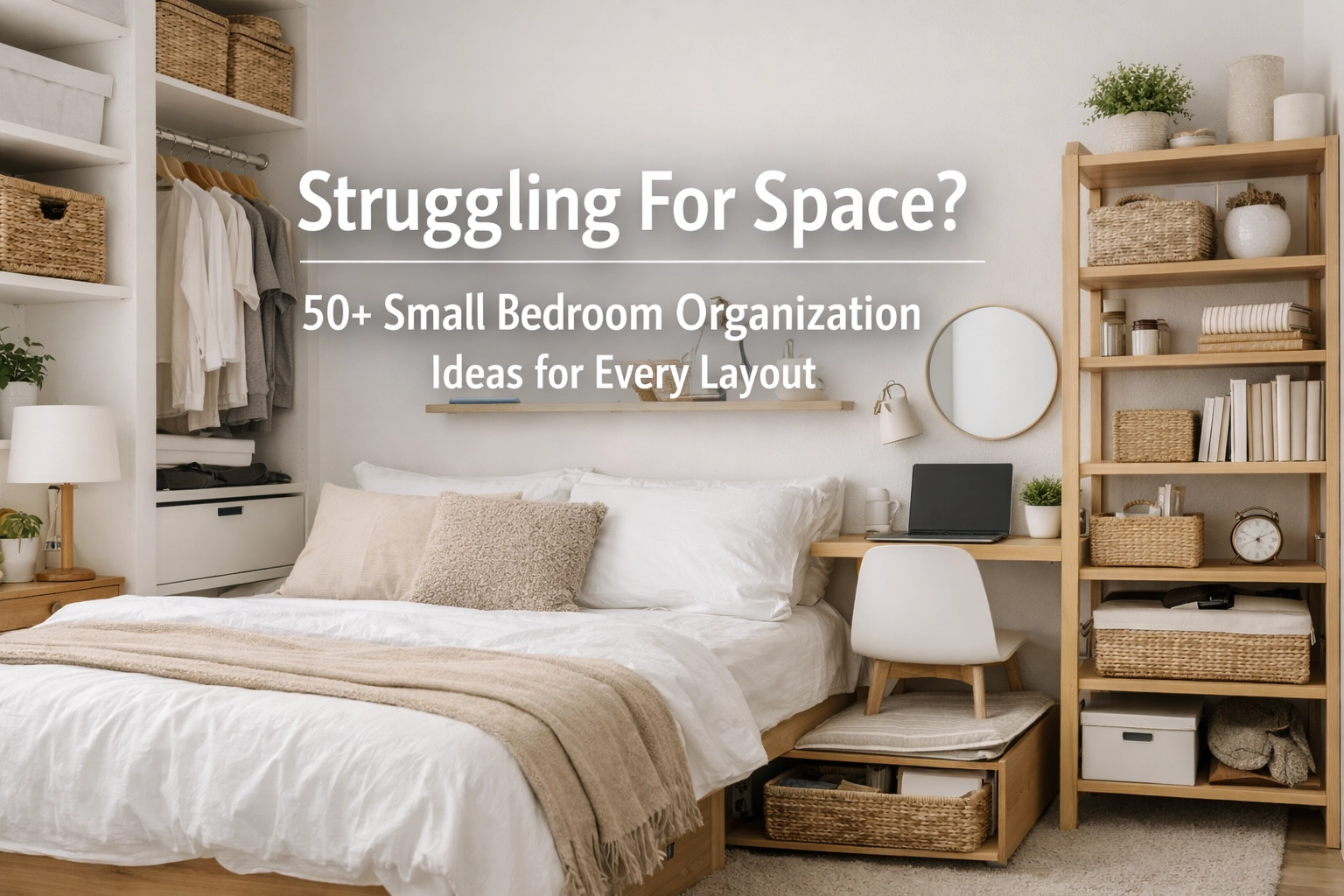
A bedroom serves as a sanctuary, a place for rest and rejuvenation. However, when square footage is limited, that sanctuary can quickly become a source of stress. Clutter accumulates, floor space disappears, and the room feels cramped rather than cozy. Organizing a small bedroom requires a shift in perspective. It involves looking at the room not just as a floor plan, but as a three-dimensional volume of potential storage.
Maximizing a small layout is about more than just buying bins; it is about strategic placement, multi-functional choices, and a commitment to maintaining order. Whether living in a studio apartment or a compact guest room, these organizational strategies help reclaim the space and create a functional, peaceful environment.
The Foundation of Small Space Organization
The primary challenge of a small bedroom is the lack of “breathing room.” When every surface is covered, the eye has nowhere to rest, making the room feel smaller than it actually is. The first step in any organization project is recognizing that space is a finite resource. Every item allowed to remain must earn its place.

Before introducing new storage solutions, it is essential to evaluate the current inventory. A room cannot be organized if it is filled with unnecessary items. Focusing on essentials creates a clean slate for implementing the following 50+ ideas.
Strategic Decluttering: The Essential First Step
Decluttering is the most effective way to “expand” a room without moving walls. It costs nothing and yields immediate visual results.
- The Surface Sweep: Clear everything off the tops of dressers, nightstands, and desks. Only return the items used every single day.
- The One-Year Rule: Items not worn or used in the past year are prime candidates for donation or removal.
- Digital Archiving: Move paper documents, old journals, or physical media to digital formats to free up shelf space.
- Empty the Floor: A clear floor creates the illusion of more space. Remove piles of shoes, laundry baskets, or stacks of books.
- Audit the Decor: Excessive knick-knacks contribute to visual noise. Select a few meaningful pieces and store the rest.
- Seasonal Rotation: If an item is not relevant to the current season, it should not be in the primary bedroom space.
- Trash and Recyclables: Check drawers for old receipts, expired lotions, or broken electronics.
Leveraging Verticality: Beyond the Floor Plan
When floor space is limited, the only way to go is up. Vertical organization utilizes the height of the walls, often reaching all the way to the ceiling.
- Floor-to-Ceiling Shelving: Install tall, narrow bookcases to store everything from books to folded clothing.
- Floating Shelves: These provide storage without the “heavy” look of furniture legs, keeping the floor visible.
- Picture Ledges: Narrower than standard shelves, these are perfect for displaying art or holding a phone and glasses next to the bed.
- Wall-Mounted Lighting: Swap bulky bedside lamps for sconces to free up nightstand surface area.
- Pegboards: A versatile solution for hanging jewelry, hats, or even small baskets for office supplies.
- High-Level Perimeter Shelving: Install a shelf about 12 inches below the ceiling around the perimeter of the room for items used infrequently.
- Vertical Shoe Racks: Use a tall, thin tower instead of a wide floor rack.
- Hanging Plants: Instead of placing pots on surfaces, use ceiling hooks to add greenery.

Under-Bed Storage: The Hidden Warehouse
The area beneath the bed is often the largest unused space in a small room. With the right containers, it becomes a secondary closet.
- Clear Plastic Bins: Use long, shallow bins with lids to keep dust off clothing and linens.
- Rolling Drawers: Bins with wheels make accessing items much easier, especially on carpet.
- Bed Risers: If the bed is too low, use risers to add three to six inches of height, drastically increasing storage capacity.
- Vacuum-Sealed Bags: Compress bulky winter coats and comforters before sliding them under the bed.
- Built-in Storage Beds: When purchasing new furniture, look for frames with integrated drawers.
- Fabric Storage Bags: These are flexible and can squeeze into tighter gaps than rigid plastic bins.
- Suitcase Storage: Store off-season clothes inside your luggage, then slide the luggage under the bed.
Closet Optimization: Maximizing Every Inch
A small closet is not a limitation; it is an efficiency challenge. Most closets have significant “dead space” that can be reclaimed.
- Slim Velvet Hangers: These take up half the space of plastic or wood hangers and prevent clothes from slipping.
- Double Hang Rods: Install a second rod below the first to double the amount of hanging space for shirts and skirts.
- Shelf Dividers: Keep stacks of sweaters or jeans from toppling over with vertical dividers.
- Over-the-Door Organizers: Excellent for shoes, but also for belts, scarves, or even cleaning supplies.
- S-Hooks for Jeans: Hanging jeans by the belt loops on S-hooks saves drawer space and makes them easy to see.
- Tiered Hangers: Use hangers that hold multiple pairs of pants or several tank tops on a single hook.
- Hanging Cubbies: Fabric shelves that hang from the closet rod are ideal for folded items like leggings or t-shirts.
- Internal Lighting: Battery-operated LED strips make it easier to see into dark corners, ensuring no space goes unused.

Multi-functional Furniture Solutions
In a small bedroom, furniture should ideally serve at least two purposes. This reduces the number of pieces needed in the room.
- Storage Ottomans: A bench at the foot of the bed provides seating and a place to hide extra blankets.
- Desk-Nightstand Combo: Use a small desk as a nightstand to eliminate the need for two separate pieces of furniture.
- Murphy Beds: For studio layouts, a bed that folds into the wall during the day is the ultimate space-saver.
- Headboards with Shelving: Choose a headboard that has built-in cubbies for books and lamps.
- Nesting Tables: These can be tucked away when not in use and pulled out when extra surface area is needed.
- Trunk as a Nightstand: An old vintage trunk offers deep storage for bulky items while serving as a table.
Creative Bedside Solutions for Tight Quarters
Sometimes there is simply no room for a traditional nightstand. In these cases, creativity is required to keep essentials within reach.
- C-Side Tables: These have a base that slides under the bed, bringing the surface over the mattress.
- Bedside Caddies: Fabric pockets that tuck between the mattress and box spring are perfect for remotes and books.
- Wall-Mounted Fold-Down Desks: These can serve as a nightstand or workspace and fold flat against the wall when finished.
- Small Stools: A narrow stool takes up less space than a cabinet but still holds a glass of water and a phone.

Door and Wall Utility
The back of a door and the sides of furniture are often overlooked as storage zones.
- Towel Bars on Walls: Use these to hang scarves, ties, or even high-heeled shoes.
- Command Hooks: Place these on the side of a dresser to hang a daily bag or headphones.
- Magnetic Strips: Small magnetic strips on the wall can hold bobby pins, tweezers, and other small metal grooming tools.
- Crown Molding as Shoe Racks: High-heeled shoes can hang by the heel from strips of crown molding mounted to the wall.
- Jewelry Cabinets: A wall-mounted mirror that opens to reveal jewelry storage saves dresser space.
Organizing Small Accessories and Jewelry
Small items are the most likely to create “micro-clutter” on surfaces.
- Acrylic Organizers: Use clear drawers for makeup or jewelry so you can see exactly what is inside.
- Tray Logic: Grouping small items (perfume, watches, rings) on a single tray makes them look intentional rather than messy.
- Drawer Inserts: Divide large dresser drawers into smaller compartments for socks and undergarments.
- Teacup Storage: Use vintage teacups inside a drawer to hold small items like earrings or cufflinks.
- Drawer Pouch System: Store tech cables and chargers in labeled pouches to prevent tangles.
Visual Tricks for Space
Organization is also about the visual perception of the room. A well-organized room that looks dark and heavy will still feel small.
- Mirror Placement: Large mirrors reflect light and give the illusion of another room beyond the wall.
- Unified Color Palette: Using similar tones for storage bins and walls reduces visual “breaks” that make a room feel choppy.
- Leggy Furniture: Furniture with visible legs creates a sense of openness by allowing light to pass underneath.
- Minimalist Hardware: Replacing bulky drawer pulls with streamlined versions can make furniture feel less intrusive.

Maintaining the System: Long-term Strategies
Creating an organized bedroom is only half the battle; maintaining it requires consistent habits. For more information on maintaining a balanced lifestyle and home environment, visit the About page.
- The Daily Reset: Spend five minutes every evening returning items to their designated spots.
- The “One In, One Out” Rule: For every new item brought into the room, one old item must leave.
- Seasonal Audits: Every six months, re-evaluate the storage systems. If a drawer is consistently messy, the system may need adjustment.
- Labeling: In closets or under-bed storage, labels help ensure items are returned to the correct bin.
For those looking for more home and lifestyle guides, the Paris Wheel Blog offers a variety of resources. If you encounter specific challenges with your layout or need further assistance, our Customer Help section is always available.
Managing a small bedroom is an ongoing process of refinement. By focusing on vertical space, maximizing the area under the bed, and choosing multi-functional furniture, it is possible to transform even the most cramped room into a functional and inviting space. The key is to start with a thorough declutter and then implement storage solutions that fit the specific needs of the layout. With these 50+ ideas, any small bedroom can become an organized retreat.
To learn more about our commitment to providing helpful resources, please review our Privacy Policy and general information at Paris Wheel. Maintaining an organized home is a foundational step toward a more focused and peaceful life.

