
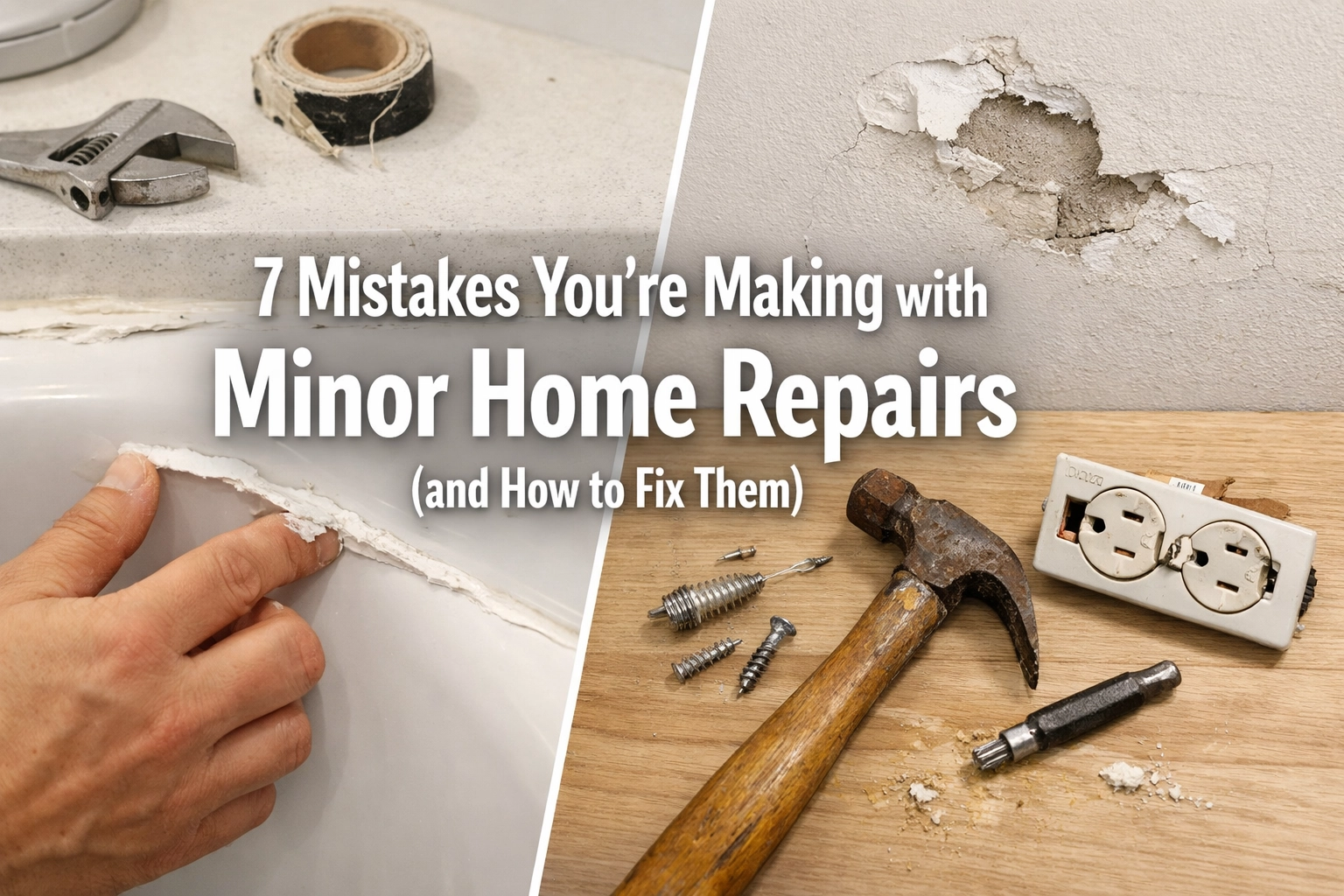
Maintaining a home is a continuous process that requires attention to detail, patience, and a basic understanding of various mechanical and structural systems. While the rise of digital tutorials has made it easier for homeowners to tackle minor repairs, the transition from watching a video to executing a task is often fraught with overlooked details. Minor errors in judgment or technique can transform a simple afternoon project into a multi-day ordeal involving expensive professional intervention.
Understanding the common pitfalls associated with residential maintenance is the first step toward achieving professional-grade results. By identifying where most DIY attempts fail, it becomes possible to implement systematic solutions that preserve the integrity of the home.
1. Diving In Without Proper Planning
One of the most frequent errors in home maintenance is the tendency to start a project without a comprehensive roadmap. It is common to see a small task, such as replacing a faucet or patching a hole in drywall, as a linear process. However, even minor repairs often have dependencies: factors that must be addressed before the main task can be completed.
The Impact of Poor Planning
When planning is skipped, materials are often purchased in incorrect quantities or specifications. This leads to multiple trips to the hardware store, which disrupts the workflow and increases the total time spent on the project. Furthermore, without a clear sequence of events, a homeowner might find themselves in a position where they have dismantled a vital utility: like a main water line or an electrical circuit: only to realize they lack a necessary component for reassembly.
How to Fix It: The Pre-Repair Audit
To avoid these issues, implement a pre-repair audit. This involves three distinct phases:
- Research and Documentation: Before touching any tools, read the manufacturer’s instructions or watch at least two different reputable tutorials. This helps identify different methods for the same repair. Take photos of the current state of the item to be repaired from multiple angles. This serves as a reference point for reassembly.
- The Component Inventory: List every single part needed. If replacing a light fixture, this includes the fixture itself, wire nuts, electrical tape, and potentially new mounting screws. If the project involves plumbing, check the size of the pipes (e.g., 1/2 inch vs. 3/4 inch) to ensure compatibility.
- The Contingency Buffer: Always assume that a repair will take twice as long as estimated. Build a small “contingency fund” into the project budget (typically 15-20%) to account for the discovery of hidden issues, such as wood rot behind a bathroom tile or outdated wiring.

2. Using the Wrong or Low-Quality Tools
A common misconception is that a basic hammer and a single screwdriver are sufficient for most household tasks. Using a tool for a purpose it was not designed for: such as using a flathead screwdriver as a chisel: not only damages the tool but can also ruin the material being worked on and pose a safety risk.
The Consequences of Subpar Equipment
Low-quality tools are often made from softer metals that “strip” screws or break under moderate pressure. For example, a cheap hex key might round off the interior of a furniture bolt, making it nearly impossible to tighten or remove. Additionally, precision tools like levels or measuring tapes that are not calibrated correctly can lead to structural misalignments.
How to Fix It: Investing in a Core Toolkit
Instead of buying a massive, low-quality “all-in-one” kit, it is more effective to build a collection of high-quality essentials.
- Prioritize Ergonomics and Material: Look for tools with forged steel components and comfortable, non-slip grips. A high-quality 16-ounce claw hammer and a set of chrome-vanadium screwdrivers will last decades.
- The Right Tool for the Job: Use an impact driver for long screws and a drill for making holes. Use a dedicated pipe wrench for plumbing rather than adjustable pliers, which can slip and mar the finish of the metal.
- Maintenance: Tools require care. Clean saw blades after use to prevent pitch buildup, and oil any moving parts to prevent rust. For more guidance on tool selection, the Paris Wheel blog offers various resources on technical skill development.
3. Ignoring Safety Precautions
In the context of minor repairs, safety is frequently treated as an afterthought. Because the task seems small, there is a temptation to skip protective gear or ignore standard safety protocols. This is a dangerous mistake, as most domestic accidents occur during seemingly routine tasks.
Common Hazards
Electrical shocks, eye injuries from flying debris, and falls from ladders are the most prevalent risks. Even a simple task like hanging a picture frame can lead to an electrical hazard if a nail is driven into a hidden wire behind the drywall.
How to Fix It: The Safety First Protocol
Safety should be a non-negotiable part of the repair process.
- Personal Protective Equipment (PPE): Always wear safety glasses when drilling, sawing, or using chemicals. Use work gloves when handling rough lumber or metal. If working in a dusty environment, such as sanding drywall, a respirator or high-quality mask is essential.
- Electrical Verification: Never assume a circuit is dead just because the light switch is off. Use a non-contact voltage tester to confirm that no electricity is flowing through the wires before beginning work. This is a critical step for any electrical maintenance.
- Ladder Stability: Use the “4-to-1” rule: for every four feet of height, the base of the ladder should be one foot away from the wall. Always maintain three points of contact (two feet and one hand, or two hands and one foot) while climbing.

4. Underestimating Project Complexity
There is a psychological phenomenon known as the Dunning-Kruger effect, where individuals with limited knowledge in a particular area overestimate their competence. In home repair, this manifests as a homeowner attempting a task that actually requires specialized licensing or years of experience.
When “Minor” Becomes “Major”
A “minor” leak in a basement wall might be a symptom of a significant foundation issue. A “simple” thermostat replacement could involve complex low-voltage wiring that, if handled incorrectly, can fry the control board of an expensive HVAC system.
How to Fix It: The Skill Assessment
Before starting, perform an honest assessment of the task’s complexity versus personal skill level.
- The Complexity Ladder: If a project involves structural changes (moving load-bearing walls), main gas lines, or the main electrical panel, it is usually best to consult a professional.
- Incremental Learning: Build skills on low-stakes projects. For example, practice soldering copper pipes on a workbench before attempting to repair a pipe inside a wall.
- Consulting Resources: Utilize the frequently asked questions section on Paris Wheel to understand the baseline knowledge required for various technical subjects. If the instructions feel overwhelming, it is a sign that professional help may be necessary.
5. Choosing Poor-Quality Materials
The desire to save money often leads to the purchase of the cheapest available materials. While this might reduce the upfront cost, it almost always leads to a shorter lifespan for the repair and a higher total cost of ownership.
The Hidden Costs of Cheap Materials
Low-grade paint often requires three or four coats to cover a surface that a premium paint could cover in one or two. Cheap caulking may shrink and crack within months, leading to water damage that necessitates a much larger repair later. Inexpensive lumber may have high moisture content, causing it to warp or “crown” as it dries inside the home.
How to Fix It: Lifecycle Cost Analysis
When selecting materials, consider how long they are expected to last.
- Researching Grades: Understand the grading system for materials. For example, when buying plywood, knowing the difference between A-grade and C-grade is essential for the finish quality of a project.
- Consulting Expert Reviews: Before purchasing a specific brand of sealant, adhesive, or hardware, check independent reviews. High-quality materials often have better “workability,” meaning they are easier to apply and provide a more professional finish.
- Material Compatibility: Ensure that the materials used are compatible with the existing structure. For instance, using galvanized nails with pressure-treated lumber can cause the nails to corrode rapidly due to the chemicals in the wood; stainless steel or hot-dipped galvanized fasteners are required.

6. Using Inappropriate Products for Specific Tasks
Not all cleaning or repair products are universal. Using the wrong chemical or abrasive on a surface can cause permanent damage that is far more difficult to fix than the original problem.
Common Product Misuses
- Liquid Drain Cleaners: Many homeowners reach for caustic liquid drain cleaners to fix a slow sink. However, these chemicals generate heat and can soften PVC pipes or corrode older metal pipes, leading to catastrophic leaks inside walls.
- Abrasive Cleaners on Delicate Surfaces: Using “magic erasers” or abrasive pads on polished stone, stainless steel, or finished wood can strip away protective sealants and leave dull, scratched patches.
- Pressure Washer Mismanagement: High-pressure water can be destructive. Using a high-pressure nozzle on wooden siding or stucco can strip paint, gouge the surface, and force water into the wall cavity, leading to mold growth.
How to Fix It: Surface-Specific Maintenance
The solution is to match the product to the material’s specific properties.
- Mechanical Over Chemical: For clogged drains, use a zip-tool or a manual drain snake instead of chemicals. These methods are safer for the plumbing and often more effective at removing the actual blockage.
- The “Inconspicuous Area” Test: Before using any new cleaner or adhesive, test it on a small, hidden area of the surface. Wait for it to dry to ensure there is no discoloration or texture change.
- Low-Pressure Cleaning: When cleaning the exterior of a home, use “soft washing” techniques: applying the correct cleaning solution and rinsing with low pressure: rather than relying on sheer mechanical force.

7. Not Following Instructions
In an era of instant information, there is a tendency to skim through instructions or skip them entirely once the general concept is understood. This leads to subtle errors that compromise the longevity and safety of the repair.
The Danger of Shortcuts
Instructions are written to ensure the product performs as intended under specific conditions. Skipping a “cure time” for an adhesive might mean the bond fails a week later. Ignoring the specific torque requirements for a bolt can lead to a mechanical failure. In electrical work, failing to follow the wiring diagram exactly can result in a short circuit.
How to Fix It: The Systematic Approach
Treat the instruction manual as the definitive guide for the project.
- Read Twice, Work Once: Read the entire manual before even opening the packaging. This ensures that you have all the necessary tools and that the environment (temperature, humidity) is appropriate for the task.
- Sequence Management: Many assembly or repair tasks must be done in a specific order. Taking a shortcut on step two can make step ten impossible to complete.
- Documentation during Disassembly: If taking something apart to fix it, label each part and its corresponding screws. Use small containers or a magnetic tray to keep components organized. Taking photos at each stage of disassembly provides a visual map for putting it back together.
Specific Fixes for Common Home Problems
Beyond these seven broad mistakes, several specific household issues frequently arise. Addressing these with a methodical approach can prevent them from becoming recurring problems.
Stain Removal on Carpets and Upholstery
When a spill occurs, the instinct is to scrub. However, scrubbing pushes the liquid deeper into the fibers and damages the texture. Instead, blot the area with a clean, white cloth to absorb as much liquid as possible. Use a cleaning solution specifically designed for the material: for example, a protein-based cleaner for organic stains like coffee or wine.
Minor Drywall Repair
Patching a small hole requires more than just filling it with spackle. To ensure the patch stays in place, sand the edges of the hole first to remove any loose debris. Use a mesh tape for larger holes to provide structural reinforcement. Apply the joint compound in thin layers, allowing each to dry completely before sanding and applying the next. This prevents the “hump” that often identifies a DIY repair.
Resolving Floor Creaks
Creaks are usually caused by friction between the subfloor and the floorboards or the joists. To fix this without pulling up the floor, identify the specific spot that creaks. If you have access from below (e.g., a basement), you can drive a short screw through the subfloor into the floorboard. From above, specialized “break-away” screws can be driven through the carpet or wood into the joist, with the head of the screw snapping off below the surface to remain invisible.

Summary of Best Practices
Effective home repair is less about “handiness” and more about discipline. By avoiding the common mistakes of poor planning, safety neglect, and material shortcuts, a homeowner can maintain their property efficiently.
The transition from a frustrated DIYer to a competent home maintainer involves a shift in perspective: seeing every repair as a technical project that requires the right tools, the right materials, and a commitment to following established protocols. For those looking to expand their knowledge base further, exploring the About section of Paris Wheel provides insight into the company’s commitment to structured, accessible learning in the practical arts.
By approaching minor repairs with a professional mindset, you not only save money but also ensure that your home remains a safe, functional, and aesthetically pleasing environment. For any specific inquiries regarding our resources, feel free to visit our contact page.

