
Maintaining a clean and organized home is more than just an aesthetic choice; it is a fundamental component of physical health and mental well-being. However, the sheer volume of tasks required to keep a household running smoothly can often feel overwhelming. Without a structured approach, cleaning frequently becomes a reactive process, addressing messes only when they become unavoidable.
A weekly cleaning schedule transforms this reactive cycle into a proactive routine. By breaking down large, daunting chores into manageable daily increments, it becomes possible to maintain a pristine living environment without sacrificing entire weekends to deep cleaning. This guide explores the strategies, checklists, and mindsets necessary to implement a sustainable cleaning rhythm.
The Importance of a Structured Routine
Human psychology thrives on predictability. When household chores are left to chance, they occupy significant “mental load,” leading to stress and decision fatigue. A predetermined schedule eliminates the need to decide what to clean and when, allowing the process to become habitual.
Beyond mental clarity, a consistent routine ensures that no area of the home is neglected. Dust, allergens, and bacteria accumulate at varying rates. A weekly cycle guarantees that high-touch surfaces are disinfected and hidden corners are addressed before buildup becomes a health hazard. For those seeking more information on managing household logistics, the Everyday Living section offers various resources on lifestyle management.
Assessing Household Needs
No two homes are identical, and a one-size-fits-all schedule rarely works in the long term. Before drafting a plan, it is essential to evaluate the specific requirements of the environment.
Square Footage and Layout
A studio apartment requires a different strategy than a multi-story family home. Larger homes may benefit from “zone cleaning,” where a specific floor or wing is tackled each day. Smaller spaces might focus more on decluttering and surface maintenance, as messes become visible more quickly in confined areas.
Household Composition
The presence of children, pets, or multiple roommates significantly impacts the cleaning frequency. Pet owners may need to prioritize daily vacuuming to manage dander and fur, while households with young children might focus more on sanitizing toys and high-traffic floor areas.
Lifestyle and Energy Levels
A schedule must be realistic. For individuals working long hours, a “power hour” on Saturday might be more effective than 20-minute daily sessions. Understanding when energy levels are highest, whether in the morning or evening, allows for better task alignment.

Designing a Personalized Cleaning Calendar
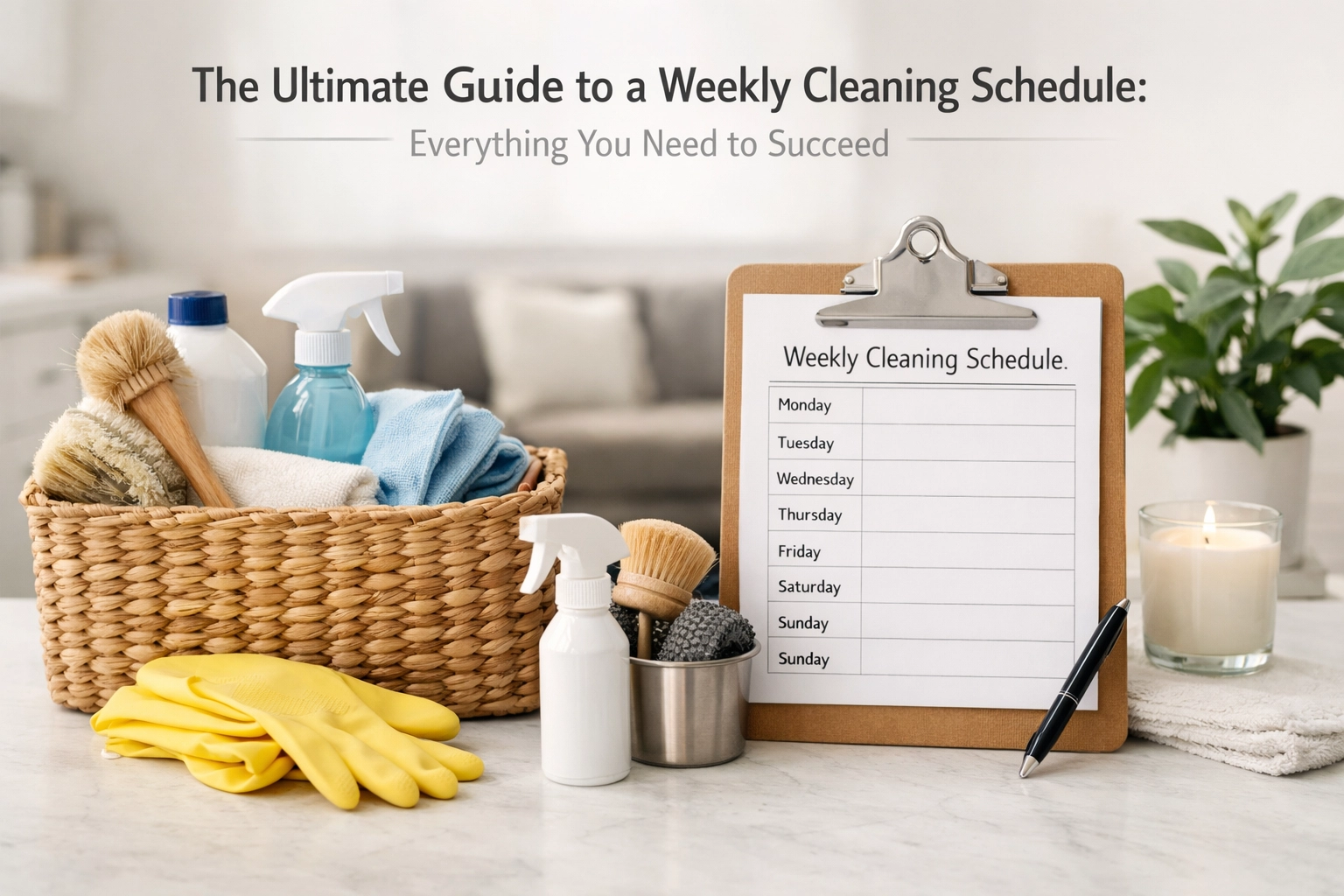
The most effective cleaning schedule is one that is documented and visible. Whether using a digital calendar, a printed spreadsheet, or a laminated chart on the refrigerator, having a physical reference point increases accountability.
The “Task per Day” Method
This approach assigns a specific type of cleaning or a specific room to each day of the week. For example:
- Monday: Bathrooms
- Tuesday: Kitchen and Dining
- Wednesday: Living Areas and Dusting
- Thursday: Bedrooms and Linens
- Friday: Floors and Entryways
- Saturday: Outdoor Spaces or Monthly Tasks
- Sunday: Rest and Reset
The “Timed Session” Method
For those with unpredictable schedules, setting a timer for 30 minutes each day to tackle a rotating list of priorities can be highly effective. This ensures that progress is made consistently without the pressure of completing a specific room.
Daily Maintenance: The Foundation of Cleanliness
A weekly schedule only works if it is supported by daily habits. These “non-negotiables” prevent the home from descending into chaos between deep-cleaning sessions.
- Making the Bed: This simple act instantly makes a bedroom look tidier and sets a productive tone for the day.
- Dish Management: Aiming for an empty sink every night prevents food odors and bacterial growth.
- Countertop Wipe-downs: Clearing and wiping kitchen surfaces after meals prevents grease buildup.
- Resetting the Living Room: Spending five minutes at the end of the evening to fold blankets and put away remotes ensures a fresh start the next morning.
- Laundry Cycle: For larger families, doing one load of laundry from start to finish (washed, dried, and put away) every day prevents the “laundry mountain” phenomenon.
Room-by-Room Checklist: Kitchen and Dining
The kitchen is often considered the heart of the home, but it is also the area most prone to bacteria and grime.
Weekly Kitchen Tasks
- Refrigerator Audit: Dispose of expired food and wipe down shelves where spills have occurred.
- Microwave and Toaster: Remove crumbs and wipe the interior of the microwave using a steam method (heating a bowl of water and lemon).
- Appliance Surfaces: Clean the exterior of the dishwasher, oven, and refrigerator. Pay special attention to handles.
- Cabinet Faces: Wipe down areas near the handles where oils from hands can accumulate.
- Floor Care: Sweep thoroughly, including under the toe kicks of the cabinets, and mop with a disinfectant.
- Trash Can Sanitization: Wipe the inside and outside of the bin to eliminate odors.

Room-by-Room Checklist: The Bathroom Sanctuary
Hygiene is the priority in the bathroom. Because moisture is constant, mold and mildew prevention are key components of the weekly routine.
Weekly Bathroom Tasks
- Disinfect Surfaces: Scrub the sink, faucet, and countertops.
- Toilet Deep Clean: Clean the bowl, the base, and the handle.
- Shower and Tub: Use a non-abrasive cleaner to remove soap scum. Check the shower curtain for mildew.
- Mirrors and Glass: Use a microfiber cloth for a streak-free finish on all glass surfaces.
- Towel Exchange: Replace all bath towels, hand towels, and washcloths with fresh ones.
- Floor Sanitation: Scrub the floors, paying attention to the corners and the area behind the toilet.
Room-by-Room Checklist: Bedrooms and Living Spaces
These areas are the primary zones for relaxation. The focus here is on dust removal and air quality.
Weekly Bedroom Tasks
- Bedding: Strip the beds and wash all sheets and pillowcases in hot water.
- Dusting: Use a damp cloth to dust nightstands, dressers, and headboards.
- Floor Maintenance: Vacuum carpets or mop hard floors, ensuring to get under the bed if possible.
- Clutter Clearing: Return stray items to their designated homes.
Weekly Living Room Tasks
- Upholstery: Vacuum sofas and chairs, including under the cushions.
- Electronics: Dust the television screen and console. Disinfect remote controls and gaming controllers.
- Surface Dusting: Dust coffee tables, bookshelves, and decorative items.
- Windows and Blinds: Spot-clean glass and dust the tops of window treatments.

The Science of Efficient Cleaning: Techniques and Tools
Efficiency in cleaning is often about the order of operations. Following professional techniques can reduce cleaning time by up to 30%.
Top-to-Bottom, Left-to-Right
Always start cleaning at the highest point in a room (ceiling fans, top shelves) and work downward. This ensures that any dust or debris that falls is caught during the cleaning of lower surfaces. Moving in a consistent direction (e.g., clockwise) ensures that no section is missed.
Dry Before Wet
Always dust or vacuum before applying liquid cleaners. If a wet cloth is applied to a dusty surface, it creates “mud,” which is much harder to remove and can cause streaking.
Choosing the Right Tools
Having a dedicated cleaning kit prevents time wasted searching for supplies. Essential items include:
- High-quality microfiber cloths (color-coded for different rooms).
- An extendable duster for high reaches.
- A versatile vacuum with attachments for upholstery and corners.
- A spray bottle with a pH-neutral all-purpose cleaner.
- A dedicated scrub brush for grout and tough stains.
For those interested in maintaining their home environment or seeking assistance with organizational strategies, the About page provides insight into the mission of Paris Wheel in supporting lifelong learning and practical skills.
Managing a Busy Schedule: Time-Saving Strategies
When time is at a premium, certain strategies can help maintain the schedule without overwhelming the day.
The “Clean as You Go” Philosophy
This involves integrating cleaning into other activities. While waiting for water to boil, empty the dishwasher. While brushing teeth, wipe the sink. These small actions prevent the accumulation of tasks.
Multi-Tasking Effectively
Cleaning provides an excellent opportunity to engage with other forms of learning or entertainment. Listening to an educational podcast or an audiobook can make the time pass more quickly and transform a chore into a productive mental session.
Batching Tasks
Instead of taking the vacuum out three different times for three different rooms, batch all floor cleaning into one session. This reduces the “setup and teardown” time associated with different tasks.

Integrating Monthly and Seasonal Tasks
While the weekly schedule handles the bulk of maintenance, some items require less frequent attention. These should be peppered into the weekly routine to avoid a massive “spring cleaning” burden.
- Monthly: Clean the dishwasher filter, vacuum refrigerator coils, and dust baseboards.
- Quarterly: Wash windows (interior and exterior), clean the oven, and rotate mattresses.
- Bi-Annually: Clean gutters, wash pillows and duvets, and deep-clean carpets.
Detailed instructions for specific household needs can often be found in the Frequently Asked Questions section of the site, which addresses common hurdles in home management.
Overcoming Common Obstacles
Even the best-laid plans encounter disruptions. Illness, travel, or work deadlines can derail a cleaning routine.
The “Grace Period”
If a day is missed, the best approach is to resume the schedule on the current day rather than trying to double up on tasks. A missed bathroom day can be addressed the following week, or handled as a “quick clean” during the weekend.
Involving the Household
Cleaning should not be the sole responsibility of one person. Delegating age-appropriate tasks to children or sharing responsibilities with a partner fosters a sense of collective ownership of the home environment. Clear communication regarding expectations is vital.
Dealing with “Procrastination Hurdles”
Often, the hardest part of cleaning is starting. Using the “five-minute rule”, committing to just five minutes of a task, often provides the momentum needed to finish the entire chore.
Maintaining Motivation and Consistency
Consistency is the result of habit, not just willpower. To make the cleaning schedule stick:
- Visual Satisfaction: Take a moment to appreciate a clean room. The visual reward reinforces the habit.
- Rewarding Progress: Treat the completion of a weekly cycle as an achievement.
- Adjusting as Needed: If a particular task consistently gets ignored, re-evaluate its placement in the schedule. Perhaps it fits better on a different day or requires a different tool.
For any questions regarding website navigation or finding specific guides, the Customer Help page is available to assist.

Conclusion: The Long-Term Benefits
A weekly cleaning schedule is a living document. It should evolve as life circumstances change, such as moving to a new home or welcoming a new family member. By committing to a structured routine, the home becomes a sanctuary rather than a source of stress.
The investment of time spent in a weekly routine pays dividends in the form of a healthier living environment, preserved property value, and significantly reduced daily anxiety. With the right tools, a clear plan, and a focus on consistency over perfection, anyone can master the art of household maintenance.
For further reading on home and lifestyle topics, please visit our Blog for the latest updates and guides. To stay updated on new content and tips, consider signing up for our Newsletter.
Frequently Asked Questions
What if I work full-time and cannot clean every day?
In this case, the “Zone Cleaning” method combined with a weekend “Power Session” is often most effective. Focus on small daily habits (like the dishes) during the week to prevent buildup, and dedicate a block of time on your day off for the more intensive tasks.
How often should I replace my cleaning supplies?
Microfiber cloths should be washed after every use and replaced when they begin to fray or lose absorbency. Vacuum filters should typically be cleaned or replaced every 3 to 6 months depending on usage.
Is it better to use store-bought or natural cleaners?
Both are effective. Natural solutions like vinegar and baking soda are excellent for many tasks and are eco-friendly, while heavy-duty disinfectants may be preferred for bathrooms or during flu season. Always check surface compatibility before using any cleaner.
How can I make cleaning more enjoyable?
Using high-quality tools that you enjoy handling, playing upbeat music, or turning cleaning into a form of “active meditation” can significantly improve the experience. Focusing on the physical movement and the immediate results can make the process quite satisfying.
For more information on our policies and terms, you can view our Privacy Policy and Terms and Conditions. If you need to get in touch with our team, please use the Contact Us page.

