
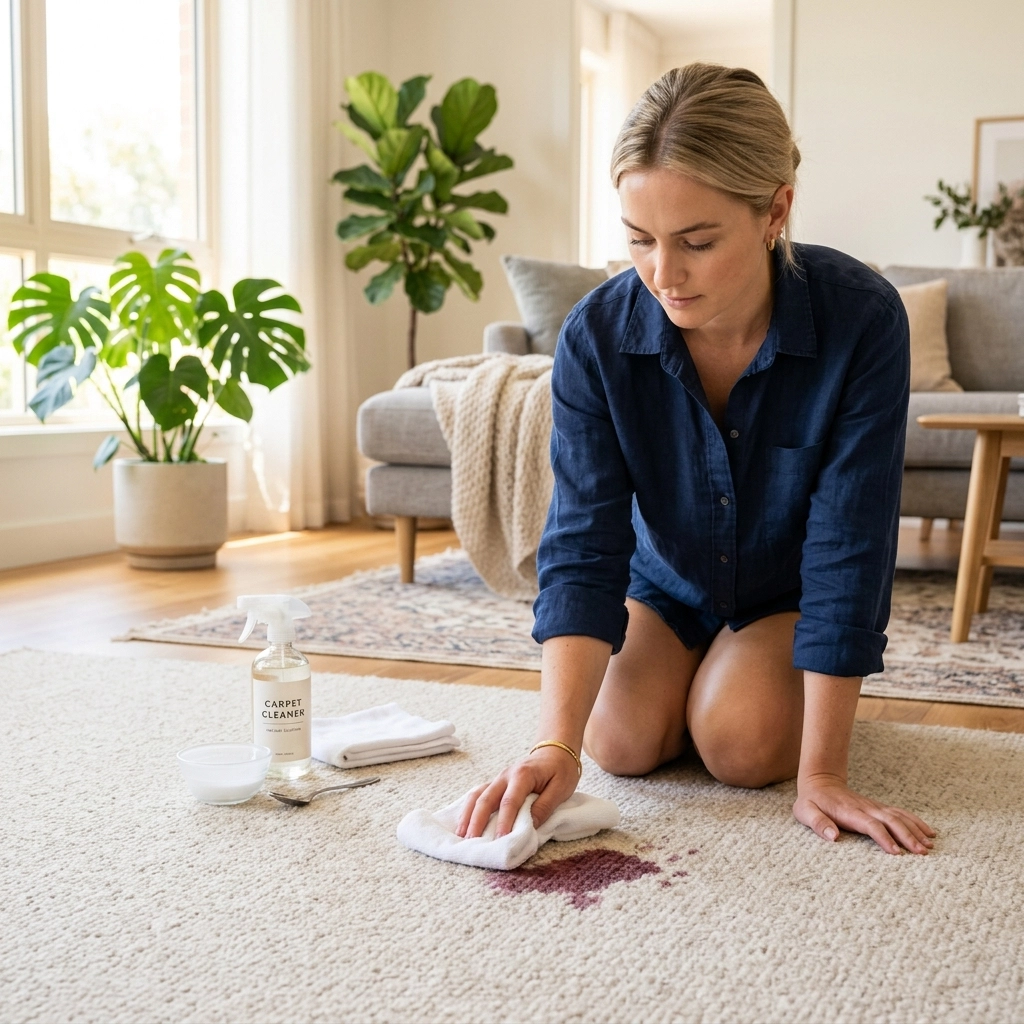
Maintaining the pristine condition of a carpeted floor requires more than just regular vacuuming. Life happens: coffee spills during a morning rush, pets have accidents, and mud gets tracked in after a rainy day. Understanding the science of carpet fibers and the chemistry of common household substances is the key to effective stain removal.
A carpet acts as a massive filter for a home, trapping dust, allergens, and, unfortunately, spills. When a liquid hits the carpet, it immediately begins to travel down the fibers toward the backing. If left untreated, the liquid can wick back up to the surface even after an initial cleaning, creating a recurring stain. This guide provides a comprehensive roadmap for addressing various types of spills, ensuring that carpets remain clean and durable for years to come.
The Fundamentals of Carpet Care
Before diving into specific stain types, certain universal principles apply to almost every situation. Adhering to these rules prevents permanent damage to the carpet structure and color.
The Blotting Rule
The most frequent mistake made during carpet cleaning is vigorous scrubbing. Rubbing a stain agitates the carpet fibers, often causing them to fray or “frizz.” More importantly, scrubbing pushes the staining agent deeper into the carpet pile and the padding underneath.
Instead of scrubbing, always blot. Use a clean, white cloth or paper towel and apply firm downward pressure. This action pulls the liquid upward into the absorbent material rather than spreading it outward.
Speed is Essential
The longer a substance sits on a carpet, the more time it has to chemically bond with the fibers. Some substances, like red wine or coffee, contain natural dyes that can permanently alter the color of nylon or wool if not addressed within minutes. For dry spills, such as mud or food crumbs, quick action prevents the particles from being stepped on and crushed into the base of the carpet.
The Direction of Cleaning
When treating a spot, always work from the outside edges toward the center. Working from the inside out tends to spread the stain, making the affected area larger. By starting at the perimeter, the cleaning solution and the staining agent are contained within the original footprint of the spill.

Building an Essential Carpet Cleaning Kit
Having the right tools on hand eliminates the panic that often accompanies a fresh spill. Most effective carpet cleaners can be assembled from common household items.
- White Vinegar: An acidic solution that helps neutralize odors and break down alkaline stains.
- Clear Dish Soap: A mild surfactant that lifts oils and greases. It is vital to use clear soap to avoid adding more dyes to the carpet.
- Baking Soda: Excellent for absorbing odors and moisture.
- Hydrogen Peroxide (3%): A mild bleaching agent useful for organic stains like blood or wine (must be used with caution).
- Club Soda: The carbonation helps lift particles to the surface.
- Microfiber Cloths: These are highly absorbent and less likely to leave lint behind compared to standard towels.
- A Soft-Bristled Brush: Useful for gently agitating dried debris. A Dust removing brush can be helpful for removing surface-level lint or dried particles before deep cleaning begins.
Handling Water-Soluble Stains
Water-soluble stains are those that can be dissolved in water. These include common items like soda, milk, wet mud, and most food spills.
Coffee and Tea
Coffee and tea contain tannins, which are natural vegetable dyes. To remove these, blot up as much liquid as possible first. Mix one tablespoon of liquid dish soap, one tablespoon of white vinegar, and two cups of warm water. Apply the solution with a clean cloth and blot. Repeat until the color no longer transfers to the cloth. Rinse the area with plain cold water to remove any soap residue, as leftover soap can attract dirt over time.
Red Wine
Red wine is one of the most feared spills, but it is manageable if handled quickly. Blot the excess wine immediately. A popular and effective method involves pouring a small amount of club soda over the area. The carbonation works to lift the pigments.
If the stain persists, a mixture of three parts hydrogen peroxide and one part dish soap can be applied. However, since peroxide can bleach some carpets, always test this on a hidden area first, such as inside a closet. For a more natural approach, covering the wet area with a thick layer of salt or baking soda can help draw the liquid out of the fibers as it dries.
Mud and Dirt
Unlike most stains, mud should be allowed to dry completely before any attempt is made to clean it. Cleaning wet mud often results in rubbing the dirt deeper into the pile. Once the mud is dry and crumbly, use a vacuum to remove the bulk of the debris. If any discoloration remains, a simple solution of warm water and a few drops of dish soap will usually lift the remaining earth.

Removing Grease, Oil, and Wax
Grease and oil-based stains are more complex because they do not dissolve in water. These require a solvent or a surfactant to break the chemical bond between the oil and the carpet fiber.
Cooking Oil and Butter
For oily spills, start by applying an absorbent powder like cornstarch or baking soda. Let it sit for at least 15 minutes to soak up the excess grease, then vacuum. If a mark remains, use a small amount of rubbing alcohol on a clean cloth and blot. The alcohol acts as a degreaser. Follow this with a mild soap and water rinse to ensure all residue is gone.
Candle Wax and Gum
The goal with wax or gum is to harden the substance so it can be physically removed. Place a plastic bag filled with ice cubes over the wax or gum until it becomes brittle. Use a blunt knife or a spoon to gently chip the hardened material away.
If wax remains deep in the fibers, place a brown paper bag over the spot and run a warm (not hot) iron over the paper. The wax will melt and be absorbed into the paper. Be extremely careful with this method, as synthetic carpets can melt if the iron is too hot or stays in one place too long.
Cosmetics
Makeup spills often occur in bedrooms or dressing areas. Keeping items organized in a 360-degree rotating cosmetic receiving box can prevent many of these accidents. If lipstick or foundation does land on the carpet, treat it similarly to grease. Blot with rubbing alcohol or a dry-cleaning solvent. Avoid using water initially, as many cosmetics are waterproof and the water will only spread the pigments.
Protein-Based Stains and Biological Spills
Biological stains such as blood, urine, or vomit require specific enzymes to break down the proteins and eliminate odors.
Pet Accidents
Pet urine is particularly challenging because it becomes more alkaline as it dries. Use an enzymatic cleaner specifically designed for pet messes. These cleaners contain bacteria that literally “eat” the organic matter causing the stain and the smell.
If an enzymatic cleaner is unavailable, a solution of equal parts white vinegar and water can help neutralize the ammonia in the urine. Follow this by sprinkling baking soda over the area to absorb the moisture and odor. For small pet-related items that might be brought into carpeted areas, utilizing a Car trunk storage bag to transport supplies can keep the mess contained before it ever reaches the house.
Blood
Always use cold water when treating blood. Warm or hot water will “cook” the protein and set the stain permanently. If the blood is fresh, blotting with cold water and a small amount of dish soap usually suffices. For dried blood, 3% hydrogen peroxide is very effective. Apply it sparingly; it will foam as it reacts with the blood. Blot the foam away immediately and rinse with cold water.

Special Considerations for Different Carpet Fibers
The material of the carpet dictates how it will respond to various cleaning agents.
- Nylon: The most common carpet fiber. It is durable and responds well to most cleaning methods but can be prone to fading if harsh chemicals are used.
- Polyester: Naturally stain-resistant to water-based spills but has a strong affinity for oil. Oily stains on polyester require immediate attention with a degreaser.
- Wool: A natural fiber that is highly absorbent. Wool is sensitive to high pH levels (alkalines) and heat. Never use bleach or strong detergents on wool. Stick to pH-neutral cleaners and avoid oversaturating the fibers.
- Olefin (Polypropylene): Often used in outdoor carpets or low-pile commercial settings. It is very resistant to staining and fading but can be crushed easily.
For those who enjoy outdoor activities, using a Portable ultra-thin folding camping mat during indoor “picnics” or for children’s play areas can act as an excellent barrier to protect high-quality indoor carpets from spills and wear.
Deep Cleaning and Maintenance
While spot cleaning handles immediate crises, carpets require periodic deep cleaning to remove the soil that has filtered down to the backing.
Steam Cleaning (Hot Water Extraction)
This is generally considered the most effective method for deep cleaning. A machine injects hot water and a cleaning solution into the pile and then extracts it with high-powered suction. This process removes deeply embedded dirt and helps “reset” the carpet’s texture. It is recommended to steam clean carpets every 12 to 18 months.
The Importance of Rinsing
Whether spot cleaning or deep cleaning, rinsing is a vital step. If soap residue is left in the carpet, it acts as a magnet for dust and dirt. The spot may look clean initially, but a dark patch will likely reappear in the same location within a few weeks as new dirt sticks to the leftover soap. Always finish a cleaning session by blotting the area with a damp cloth of plain water and then a dry cloth.
Drying the Carpet
Moisture trapped in a carpet can lead to mold and mildew growth in the padding. After cleaning, ensure the area has plenty of airflow. Open windows, turn on ceiling fans, or use a floor fan to speed up the drying process. Do not walk on the carpet until it is completely dry to prevent re-soiling the damp fibers.

Preventive Measures to Minimize Stains
The best way to handle carpet stains is to prevent them from occurring in the first place. Simple lifestyle adjustments can significantly reduce the frequency of spills.
- Implement a No-Shoe Policy: Most of the dirt and oils in a carpet are tracked in from the outdoors. Asking guests and family members to remove shoes at the door keeps carpets cleaner longer.
- Use Area Rugs and Runners: Place rugs in high-traffic areas, such as hallways and entryways, to take the brunt of the wear and tear.
- Regular Vacuuming: Vacuum at least twice a week. This prevents dry soil from acting like sandpaper, which grinds down the carpet fibers and makes them more porous and susceptible to staining.
- Protect High-Risk Areas: In rooms where snacks or drinks are frequently consumed, consider using a protective treatment.
By understanding the nature of different spills and the requirements of various carpet fibers, maintaining a clean home becomes a manageable task. Whether it is a common coffee spill or a difficult grease mark, the key remains consistent: act fast, blot gently, and use the correct cleaning agent for the job. Consistent care not only keeps the home looking its best but also protects the long-term investment made in quality flooring.

