
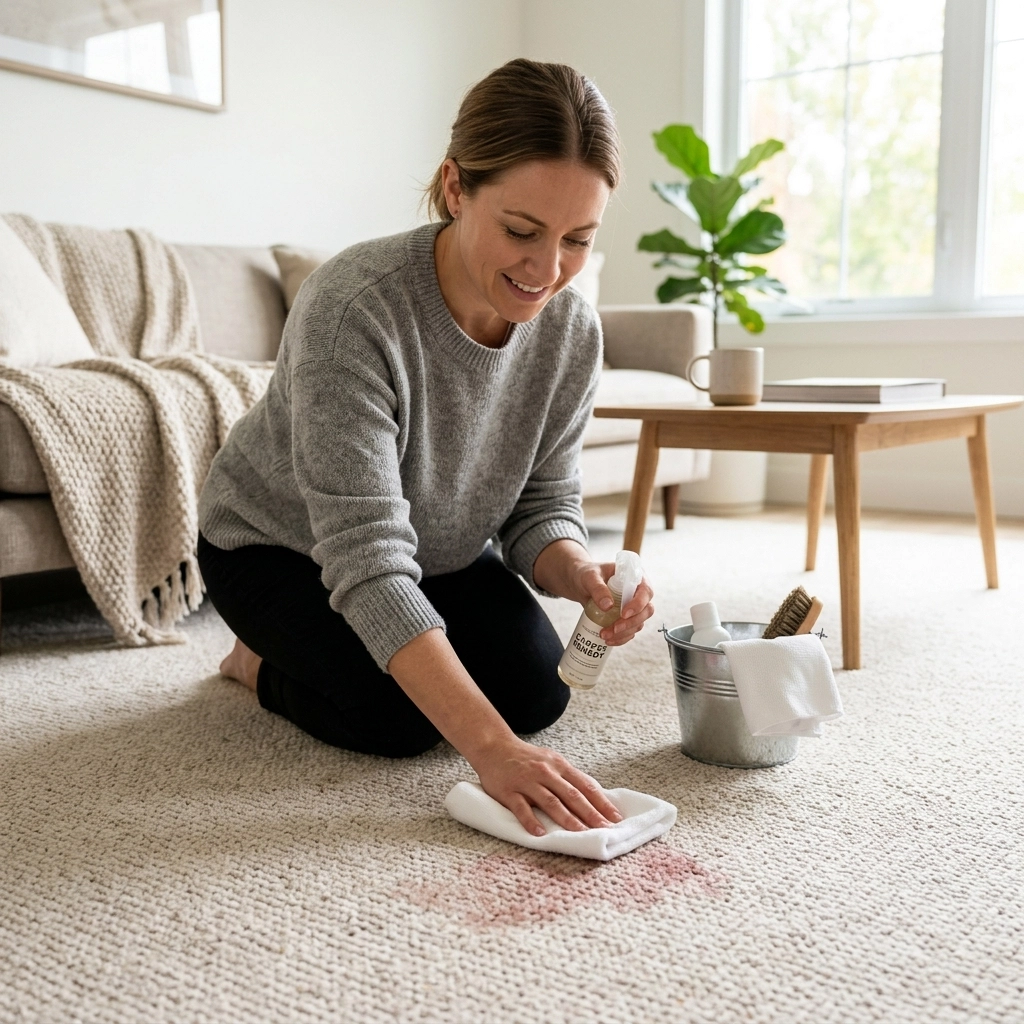
Maintaining the pristine condition of a carpet is a common challenge for many households. Whether it is a spilled glass of red wine during a gathering or a muddy paw print from a pet, stains are an inevitable part of home life. Understanding the science behind carpet fibers and the chemistry of cleaning agents is the first step toward effective restoration. This guide provides a comprehensive, technical, and practical approach to handling the most difficult carpet stains, ensuring that floor coverings remain as clean and vibrant as the day they were installed.
Understanding Carpet Composition and Fiber Reactions
Before reaching for a cleaning solution, it is essential to identify the type of carpet fiber in question. The material determines how a stain interacts with the rug and which chemicals are safe to use.
Synthetic Fibers
Most modern carpets are made from synthetic materials like nylon, polyester, or triexta. These are generally more durable and resistant to liquid absorption. Nylon is the most common and is often treated with stain-resistant coatings. Polyester is naturally hydrophobic, meaning it repels water-based stains but can be susceptible to oil-based marks.
Natural Fibers
Wool is the primary natural fiber used in high-end carpeting. While exceptionally durable and naturally soil-resistant, wool is highly sensitive to high-pH chemicals and excessive heat. Using bleach or strong alkaline cleaners on wool can cause permanent damage to the protein structure of the fibers. Silk and sisal are even more delicate and often require specialized professional intervention.

The Essential Stain Removal Toolkit
Successful stain removal relies on having the right tools readily available. Keeping a dedicated kit ensures that response times are minimized when a spill occurs.
- White Cloths and Paper Towels: Always use plain white materials to avoid dye transfer from the cloth to the carpet.
- Distilled White Vinegar: A mild acid that helps neutralize odors and break down alkaline stains.
- Clear Dish Soap: A grease-cutting agent that is gentle enough for most fibers. Ensure it does not contain bleach or lanolin.
- Baking Soda: Excellent for absorbing liquids and neutralizing acidic odors like those from pet accidents.
- Isopropyl Alcohol (Rubbing Alcohol): Effective for breaking down permanent ink and some oil-based pigments.
- Hydrogen Peroxide (3%): A mild oxygen bleach useful for organic stains like blood or wine, though it must be used with caution on dark colors.
- A Blunt Spoon or Spatula: Useful for scraping up solid debris without fraying the carpet loops.
For more information on general home care and maintenance, the blog section provides various resources on keeping a living space in top condition.
The Universal Rule: Blotting vs. Scrubbing
The single most important principle in carpet care is the “blot, don’t scrub” rule. When a liquid hits the carpet, it begins to travel down the fibers toward the backing. Scrubbing creates friction that generates heat and pushes the liquid deeper into the padding. Furthermore, scrubbing can untwist the carpet fibers, leading to a “fuzzy” or distorted texture that is permanent.
The Blotting Technique
To blot correctly, place a clean white towel over the spill. Apply firm, downward pressure using the heel of the hand or a heavy, non-staining object. As the towel absorbs the liquid, rotate it to a dry section and repeat until no more moisture transfers. This process uses capillary action to pull the stain upward and out of the carpet.

Categorizing Stains and Solutions
Different stains require different chemical reactions. Treating a grease stain with water alone will be ineffective, while using the wrong chemical on an organic stain might set it permanently.
Water-Soluble Stains
These include soda, milk, jelly, and mud. These are generally the easiest to remove if addressed quickly.
- Solution: Mix 1/4 teaspoon of clear dish soap with one cup of lukewarm water.
- Process: Apply the solution to a cloth, blot the area, and rinse by blotting with plain water.
Special Water-Soluble Stains
Coffee, tea, and red wine contain tannins and dyes that require an acidic component to break the bond with the fiber.
- Solution: One tablespoon of white vinegar mixed with one cup of water.
- Process: After initial blotting, apply the vinegar solution. The acidity helps prevent the “brown out” effect often seen with coffee spills.
Oil-Based Stains
Grease, makeup, and crayon are not water-soluble. They require a solvent or an absorbent.
- Solution: Baking soda or a small amount of rubbing alcohol.
- Process: Sprinkle baking soda on a fresh grease spot to absorb the oil. For set-in stains, a cloth dampened with a small amount of isopropyl alcohol can break down the oils.
Protein-Based Stains
Blood and dairy fall into this category. Heat is the enemy here, as it “cooks” the protein into the fiber.
- Solution: Cold water and a neutral detergent.
- Process: Always use cold water. For blood, a small amount of hydrogen peroxide can be effective, but a spot test is mandatory to ensure the carpet color remains stable.
Step-by-Step Guide for Common Stubborn Stains
How to Remove Red Wine
Red wine is often considered a carpet’s worst nightmare, but it is manageable with the right steps.
- Blot immediately. Remove as much liquid as possible.
- Apply salt or baking soda. This acts as a desiccant, drawing the wine out of the fibers. Let it sit until dry.
- Vacuum. Remove the dried salt or powder.
- Treat remaining pigment. Use a mixture of one part vinegar to two parts water. Blot until the color is gone.
Dealing with Pet Accidents
Pet stains present two issues: the stain and the odor.
- Absorption. Blot up the liquid. If it is solid, use a spoon to lift it away.
- Enzymatic Cleaners. These are essential. They contain bacteria that “eat” the organic matter causing the odor. Without these, the scent may remain even if the stain is gone, leading pets to return to the same spot.
- Rinse and Dry. Ensure the area is thoroughly dried to prevent mold growth in the padding.

Removing Wax and Gum
Traditional liquid cleaners are ineffective for solids like candle wax or chewing gum.
- Freeze it. Use an ice cube in a plastic bag to harden the wax or gum.
- Shatter and Scrape. Once brittle, break the substance with a blunt object and vacuum the pieces.
- The Heat Method (for wax only). If residue remains, place a brown paper bag over the spot. Run a warm (not hot) iron over the bag. The wax will melt and be absorbed by the paper.
For additional help with specific product-related questions or cleaning tools, the customer help page can offer further guidance.
Advanced Recovery: The Ironing Method for Old Stains
For stains that have been in the carpet for weeks or months, a more aggressive approach may be required. This method uses steam to re-liquefy the stain.
- Preparation: Mix a solution of one part white vinegar and two parts water.
- Application: Spray the stain until damp.
- The Towel: Place a damp, white cotton towel over the spot.
- The Iron: Set an iron to the “steam” setting. Place it on the towel for 20-30 seconds. Do not let the iron touch the carpet directly, as synthetic fibers will melt instantly.
- Observation: The stain should begin transferring from the carpet to the towel. Repeat with clean sections of the towel until the transfer stops.

Addressing “Wicking” and Recurring Stains
Occasionally, a stain is removed successfully, only to reappear a few days later. This phenomenon is known as “wicking.” It occurs when the spill has soaked deep into the carpet backing or padding. As the surface dries, the liquid in the padding travels up the fibers via capillary action, bringing the stain back to the surface.
How to prevent wicking:
- Use as little liquid as possible during the cleaning process.
- After cleaning, place a thick stack of white paper towels over the area and weight them down with a heavy object (like a stack of books) for 24 hours. This ensures that as the carpet dries, the moisture is pulled into the towels rather than staying at the tips of the fibers.
Common Mistakes to Avoid
- Using Bleach: Unless the carpet is solution-dyed nylon or specifically designated as bleach-safe, household bleach will permanently remove the color from the fibers.
- Over-Saturating: Excessive water can cause the carpet backing to delaminate (separate) or lead to the growth of mold and mildew in the subfloor.
- Leaving Soap Residue: If soap is not thoroughly rinsed away, it acts as a magnet for dirt. The area will look clean initially but will turn black or brown within weeks as it attracts foot traffic grime.
- Skipping the Spot Test: Always test any cleaner in a closet or hidden corner. Even “natural” cleaners can cause color bleeding in certain dyes.
If there is uncertainty about a specific carpet type, visiting the about page can provide context on the materials and standards used in various home products.
Long-Term Maintenance for Stain Prevention
Prevention is often more effective than removal. A well-maintained carpet is more resilient to spills because the fibers are not already weighed down by dry soil.
Frequent Vacuuming
Dry soil is abrasive. When left in the carpet, it acts like sandpaper, wearing down the protective coatings on the fibers. This makes it easier for liquid stains to penetrate the core of the fiber. High-traffic areas should be vacuumed at least twice a week.
Use of Entrance Mats
Placing mats at every entrance significantly reduces the amount of oil and dirt tracked onto the carpet. This prevents the “graying” of traffic lanes that can be mistaken for staining.
Professional Deep Cleaning
It is recommended to have carpets professionally cleaned every 12 to 18 months. Professionals use “Hot Water Extraction” (often called steam cleaning), which reaches temperatures high enough to kill bacteria and pressures strong enough to extract deep-seated grit that household vacuums cannot reach.
Detailed answers to common queries regarding home care can be found on the frequently asked questions page.
When to Call a Professional
While DIY methods are effective for most household spills, certain situations require professional equipment and expertise:
- Large-scale flooding: Water damage requires industrial dehumidifiers and extractors to prevent structural damage.
- Antique or Oriental Rugs: These often use natural dyes that bleed easily and require specialized dry-cleaning methods.
- Stubborn Odors: If a pet odor has reached the subfloor, the carpet and padding may need professional treatment or replacement.
- Unknown Stains: If the origin of a stain is unknown, a professional can use a chemical testing kit to determine the best removal strategy without risking damage.
If professional consultation is needed, the contact us page provides ways to get in touch for more specific guidance.
Final Thoughts on Carpet Longevity
Removing stubborn stains is a combination of patience and the correct application of chemical principles. By understanding that “more is not always better” when it comes to cleaning solutions, homeowners can avoid the common pitfalls of over-saturation and fiber damage. Acting quickly, using the blotting technique, and maintaining a regular cleaning schedule are the keys to ensuring a carpet serves the home for its full intended lifespan.
Consistent care not only improves the aesthetic of the home but also contributes to a healthier indoor environment by removing allergens and bacteria trapped within the floor’s fibers. With the right tools and knowledge, no spill has to be permanent.

