

Maintaining a clean and organized home often feels like a full-time job. Between professional responsibilities and personal commitments, household chores frequently fall to the bottom of the priority list, leading to a build-up of clutter and stress. However, the secret to a well-managed home does not lie in marathon cleaning sessions on the weekend. Instead, it is found in the implementation of small, strategic daily habits that prevent messes from accumulating in the first place.
By shifting the focus from “cleaning” to “maintaining,” it is possible to reclaim hours of lost time every week. The following guide explores seven essential household routine hacks designed to streamline daily life, reduce the mental load of home management, and ensure a living environment that supports relaxation rather than creating anxiety.
The Psychology of Routine Over Intensity
Most people approach housework with an “all or nothing” mentality. They wait until the house is significantly messy and then spend an entire Saturday scrubbing every surface. This approach is not only physically exhausting but also psychologically taxing. It creates a negative association with home maintenance, making it something to be dreaded and avoided.
Scientific research into habit formation suggests that consistency is more effective than intensity. When small tasks are integrated into a daily schedule, they eventually become automatic. This means the brain uses less energy to perform them, and the house remains in a state of perpetual readiness. For more insights on developing consistent lifestyle habits, checking the Paris Wheel blog can provide additional context on productivity and organizational skills.
1. The Power of the 15-Minute Timed Sprint
One of the most effective ways to combat procrastination is the use of a timer. This technique, often referred to as “micro-bursting,” leverages Parkinson’s Law: the idea that work expands to fill the time available for its completion. By setting a hard limit of 15 minutes, the task suddenly becomes manageable.
How to Execute a Sprint
To start, choose a specific area or a specific type of task. Set a timer for 15 minutes and work at a brisk pace. The goal is not perfection but progress. Once the timer goes off, the session is over.
- Kitchen Sprint: Focus on loading the dishwasher and wiping down the primary counter surfaces.
- Living Room Sprint: Focus on fluffing pillows, folding blankets, and clearing the coffee table.
- Bedroom Sprint: Focus on putting away stray clothes and clearing the nightstand.

Why It Works
A timer creates a sense of urgency. It prevents “distraction cleaning,” where one starts in the kitchen but ends up organizing a bookshelf in the hallway. Staying focused on a single goal for a short period yields visible results without the fatigue of a deep clean.
2. The “One-In, One-Out” and “Touch It Once” Rules
Clutter is often the result of postponed decisions. Every item that enters a home requires a place to live. When items are left in transition: on the mail table, on the back of a chair, or on the kitchen island: they create visual noise.
The Touch It Once Rule
The core of this hack is to complete a task the first time an object is handled. If mail is brought in, it should be sorted immediately: trash goes to the recycling, bills to the office, and letters to be read. Putting it on the counter to “handle later” effectively doubles the work, as the item must be picked up and processed a second time.
The One-In, One-Out Rule
To prevent long-term accumulation, for every new item brought into the home, one item should be donated or discarded. This is particularly effective for wardrobes and kitchen gadgets. By maintaining a stable inventory, the physical effort required to clean and organize remains consistent rather than increasing over time.
3. The Morning Laundry Launch
Laundry is a task that frequently spirals out of control because it has multiple stages: sorting, washing, drying, folding, and putting away. The most common bottleneck occurs between the dryer and the closet.
A New Workflow
Instead of waiting for a “laundry day,” the goal should be to process one small load every day.
- Morning: Put a load in the washer before leaving for work or starting the day.
- Evening: Move the load to the dryer immediately upon returning or finishing work.
- Night: Fold and put away the load while listening to a podcast or watching a brief show.
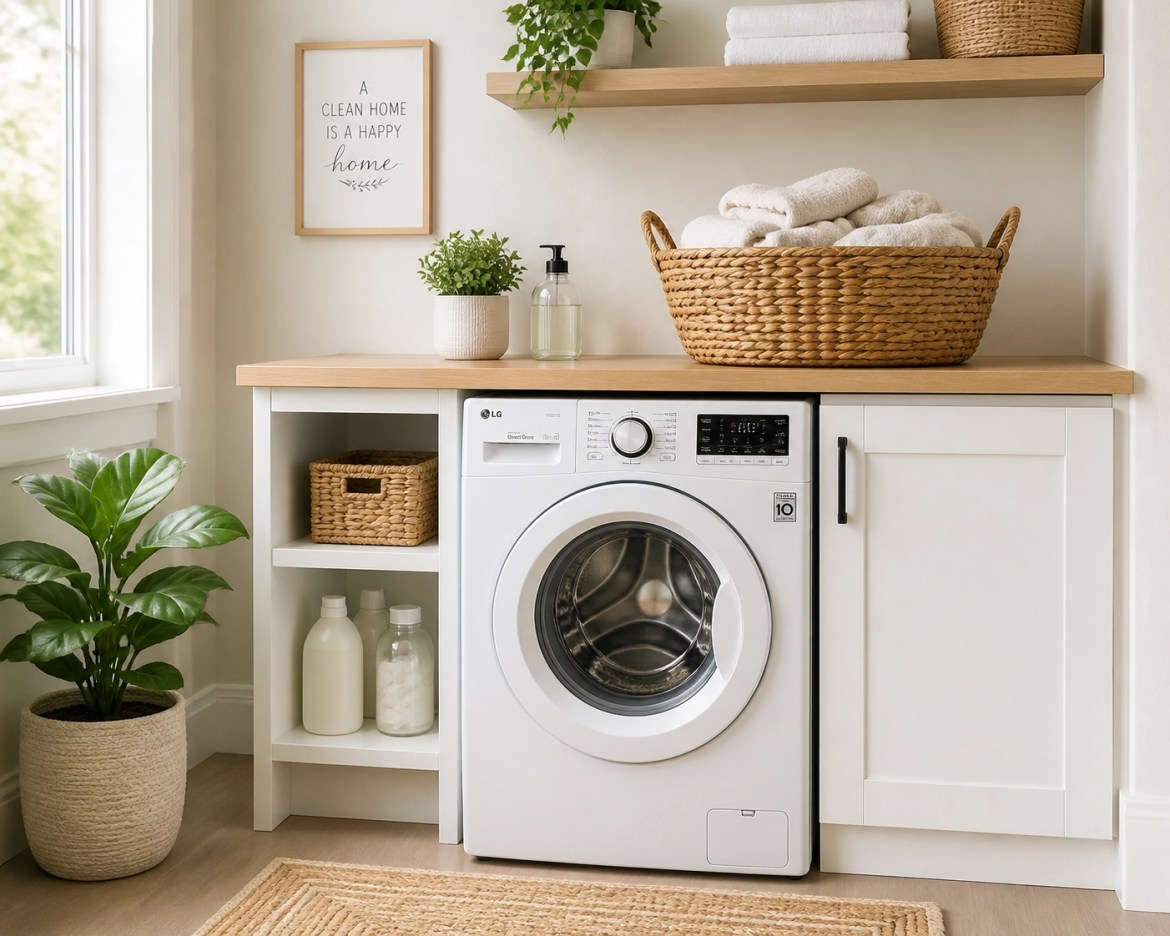
By breaking the cycle into these three distinct phases, laundry never becomes an overwhelming pile. It stays fresh, and there is never a shortage of clean linens or clothing. This small daily commitment eliminates the need for the dreaded “laundry mountain” on Sundays.
4. Culinary Cleanup: Clean as You Cook
The kitchen is the heart of most homes, but it is also the primary source of daily chores. The most significant time-waster in the kitchen is waiting until after a meal is consumed to begin cleaning.
Practical Steps for Efficiency
- The Soaking Method: As soon as a pot or pan is finished being used, fill it with warm, soapy water. By the time the meal is over, the food residue will have loosened, requiring significantly less scrubbing.
- The Scrap Bowl: While prepping vegetables or meat, keep a “scrap bowl” on the counter. This prevents multiple trips to the trash can and keeps the cutting board clear.
- The Transition Wipe: During “dead time”: such as while water is boiling or the oven is preheating: wipe down the surfaces that have already been used.
By the time the meal is served, the only remaining items to clean should be the plates and cutlery used for eating. This makes the post-dinner cleanup a five-minute task rather than a thirty-minute ordeal.
5. The High-Traffic Floor Refresh
Floors cover the largest surface area in a home. When they are dirty, the entire house feels unkempt, regardless of how organized the shelves might be. However, vacuuming or mopping every room daily is unrealistic for most.
Targeting the High-Traffic Zones
Focus exclusively on the “hot spots” where dirt and debris accumulate most quickly. This typically includes the entryway, the kitchen floor, and the area directly in front of the sofa.

A quick three-minute sweep or vacuum of these specific areas once a day prevents dirt from being tracked into the less-frequented parts of the house (like bedrooms or guest rooms). This extends the time required between full-house floor cleanings and maintains a high baseline of cleanliness. For those curious about the best tools for different floor types, visiting the Frequently Asked Questions section can offer guidance on general home maintenance equipment.
6. The Daily Dishwasher Reset
A sink full of dishes is a major psychological barrier to productive cooking and a tidy kitchen. The “Dishwasher Reset” ensures that the kitchen is always ready for the next phase of life.
The Timing Strategy
The most effective routine involves running the dishwasher every night, regardless of whether it is completely full. This ensures that the dishes are clean by morning.
- 7:00 AM: While the coffee is brewing or breakfast is being prepared, empty the dishwasher. This takes approximately 5–7 minutes.
- Throughout the Day: Because the dishwasher is empty, every dirty dish can be placed directly into it rather than into the sink.
- 9:00 PM: Start the cycle.
This simple loop prevents the “sink pile-up” and ensures that clean tools are always available for meal prep. It removes the friction of having to wash a pan by hand just to start cooking dinner.
7. The PM “Closing Shift” Routine
Businesses use a “closing shift” to prepare the workspace for the following morning. Applying this concept to the home can transform the start of the next day. A chaotic morning often stems from a messy evening.
The 10-Minute Reset
Before going to bed, spend ten minutes resetting the common areas.
- Surface Clearing: Remove any items from the dining table or kitchen island.
- Living Room Straighten: Adjust the cushions and put away any toys or media.
- Entryway Organization: Ensure shoes and bags are ready for the morning exit.

Waking up to a clean environment reduces morning cortisol levels and allows for a more focused and peaceful start to the day. It prevents the “resetting” of the house from eating into the productive morning hours.
Maintaining the System Long-Term
Implementing these hacks requires a shift in perspective. It is not about doing more work; it is about doing the work more intelligently. When these routines are established, the need for deep cleaning diminishes significantly.
Flexibility and Grace
There will be days when the routine breaks. A late meeting or an illness can disrupt the flow. The key to long-term success is to return to the routine as soon as possible without guilt. These systems are designed to serve the inhabitants of the home, not the other way around.
For those who wish to delve deeper into organizing schedules or managing household resources, the Paris Wheel About page provides information on our commitment to practical learning and lifestyle optimization.
Continuous Improvement
As life circumstances change: such as moving to a larger home or having children: the routine should be adjusted. Periodically reviewing which hacks are working and which are causing friction allows for a customized approach that fits the specific needs of the household.

Optimizing the Home Environment
Beyond routines, the physical layout of a home impacts how quickly chores can be completed. Placing cleaning supplies near the areas they are used is a simple but effective strategy. For example, keeping a spray bottle and microfiber cloth in each bathroom allows for a 30-second wipe-down of the sink after use, preventing soap scum buildup.
Storing items where they are used reduces the “travel time” within the house. If laundry supplies are kept in the laundry room and trash bags are kept at the bottom of the trash can, the time saved per task is small, but it adds up significantly over a year.
Digital Tools for Household Management
In the modern era, technology can assist in maintaining these routines. Setting recurring reminders on a smartphone or using a shared digital calendar can help ensure that all members of the household are aware of their responsibilities. If specific questions arise about how to manage a household budget alongside these routines, the Customer Help section can provide resources on navigating our educational content.
The Cumulative Benefit of Time Saved
If each of these seven hacks saves just 10 minutes a day, the total time recovered is over an hour daily: or more than seven hours a week. That is nearly a full workday reclaimed from the mundane cycle of cleaning and organizing.
By focusing on the “fringe time” of the day: those 5 to 15-minute windows that are usually lost to scrolling or procrastination: homeowners can maintain a pristine environment with minimal effort. The result is a home that functions as a sanctuary, allowing more time for hobbies, family, and rest.
For further updates on home management and organizational strategies, consider subscribing to the Paris Wheel newsletter to receive regular insights and tips delivered directly to your inbox. Maintaining a home should not be a burden; with the right routines, it becomes a simple, background process that enhances quality of life.

