
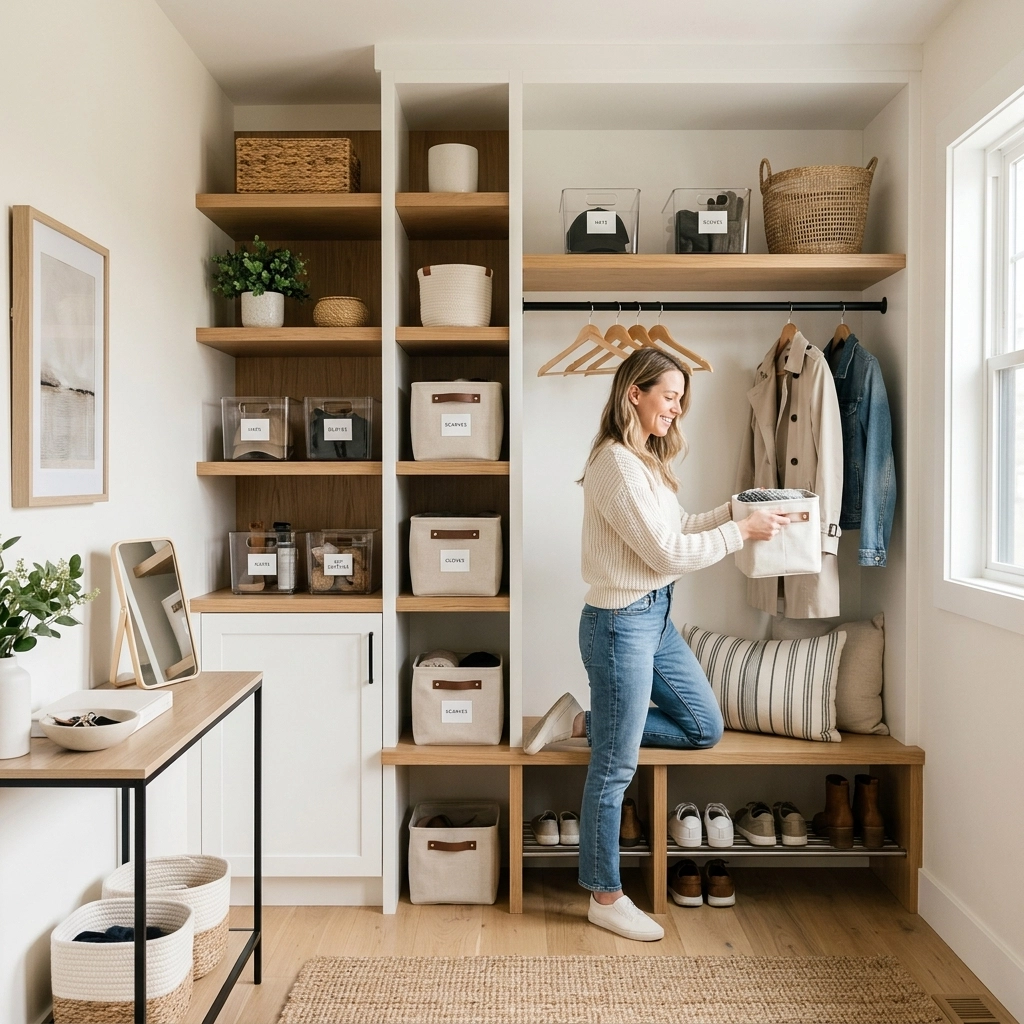
Maintaining an organized home is more than an aesthetic choice; it is a fundamental component of a functional and low-stress lifestyle. When every item has a designated place, the friction of daily tasks: from cooking dinner to getting dressed in the morning: significantly decreases. However, achieving a state of lasting organization requires more than just buying a few plastic bins. It demands a systematic approach that combines decluttering, strategic storage planning, and the implementation of sustainable habits.
The journey toward a more organized living space begins with understanding the relationship between the physical environment and mental well-being. A cluttered home often mirrors a cluttered mind, leading to increased levels of cortisol and a sense of being overwhelmed. By systematically addressing each room, it is possible to reclaim not only the physical square footage but also the time and energy spent searching for misplaced items.
The Foundations of Home Organization
Before diving into specific rooms, it is essential to establish the core principles that govern effective storage and organization. These principles act as a roadmap, ensuring that the work done today remains effective months into the future.
The Purge: Decluttering Before Organizing
The most common mistake in home organization is attempting to organize items that should no longer be in the home. Organizing clutter simply results in organized clutter. The first step in any project must be a thorough decluttering process.
This process involves going through every item in a designated area and making a definitive decision. Items generally fall into four categories:
- Keep: Items used frequently or that hold genuine value.
- Donate/Sell: Items in good condition that are no longer needed.
- Toss: Items that are broken, expired, or beyond repair.
- Relocate: Items that belong in a different room of the house.
Grouping by Category
Once the unnecessary items are removed, the remaining belongings should be grouped by category. This “like-with-like” strategy allows for a clear view of how much space is actually required for specific types of items. For example, gathering all makeup-tool supplies in one place ensures that duplicates are spotted and that the storage solution chosen is appropriately sized.
The “Prime Real Estate” Rule
In any given room, the areas between the shoulders and the knees are considered prime real estate. These are the easiest spots to reach and should be reserved for items used daily. Items used less frequently, such as seasonal decor or specialty kitchen appliances, should be relegated to higher shelves or lower cabinets.

Kitchen and Pantry Optimization
The kitchen is often the busiest room in the house and, consequently, the one most prone to disorder. Effective kitchen organization relies on “zoning”: grouping items based on the activities performed in specific areas.
The Working Zones
A functional kitchen is typically divided into three main zones:
- Prep Zone: Located near the workspace, this area should house knives, cutting boards, and mixing bowls.
- Cooking Zone: Situated around the stove, this zone requires easy access to pots, pans, and frequently used oils or spices.
- Cleaning Zone: Centered around the sink and dishwasher, this area should store cleaning supplies and daily-use dishware.
Pantry Management
A pantry can quickly become a graveyard for expired canned goods and half-empty pasta boxes. To combat this, consider using clear, airtight containers for dry goods. This not only keeps food fresh but also allows for an immediate visual inventory of what needs to be replenished.
Utilizing specialized tools like a fruit-organizer can prevent delicate produce from being crushed under heavier grocery items. Furthermore, tiered shelving or “lazy Susans” are excellent for making items at the back of deep cabinets accessible.
Under-Sink Solutions
The space under the kitchen sink is notoriously difficult to manage due to plumbing fixtures. Expandable shelving units designed specifically for under-sink use can create levels around pipes, providing a home for dish soaps, sponges, and trash bags.
Master Closet and Wardrobe Systems
A disorganized closet is a primary source of morning stress. By applying retail-inspired organization techniques, the closet can be transformed into a streamlined space where finding an outfit is an effortless process.
Categorization and Color Coding
Beyond simply grouping clothes by type: such as shirts, trousers, and dresses: color coding within those categories can make a significant visual difference. For instance, organizing a collection of denim by wash or style (from skinny to relaxed fits) makes it much easier to select the right pair for the occasion.
Seasonal Rotation
If closet space is limited, seasonal rotation is a necessity. During the warmer months, heavy sweaters and winter coats can be moved to less accessible storage, such as under-bed bins or high shelves, making room for summer essentials like summer-shorts and light cotton tees.
Utilizing Vertical Space
Most closets have a significant amount of wasted space above the top shelf. Installing additional shelving or using stackable bins can maximize this vertical area. For accessories like scarves or belts, over-the-door organizers are a highly effective, low-cost solution.

Bathroom and Vanity Organization
Bathrooms are often small, yet they are required to hold a vast array of small items, from skincare products to first-aid supplies. The key to bathroom organization is maximizing every inch of available space while keeping surfaces clear.
Vanity and Countertops
To maintain a serene environment, countertops should be kept as clear as possible. Small acrylic drawers or makeup-mirror stations with built-in storage can house daily essentials. Categorizing beauty products into “morning routine,” “nighttime routine,” and “weekly treatments” helps streamline the grooming process.
The Power of Trays and Bins
Drawer dividers are essential in the bathroom to prevent small items like hair ties, lip balms, and cotton swabs from rolling around. For deeper cabinets, pull-out drawers or bins act as “removable drawers,” allowing easy access to items tucked in the back.
Mirror and Lighting Considerations
Lighting plays a vital role in how an organized space feels. Utilizing mirrors effectively can make a small, organized bathroom feel larger and brighter. A well-lit vanity ensures that the organization system is functional for detailed tasks like grooming or makeup application.
Entryways and Mudrooms: The First Impression
The entryway is the transition point between the outside world and the sanctuary of the home. Without a system, it quickly becomes a dumping ground for shoes, mail, and bags.
Creating a “Drop Zone”
A dedicated drop zone should include:
- Hooks: For coats, bags, and keys.
- Shoe Storage: A rack or bench to prevent a pile-up at the door.
- Mail Station: A small basket or tray to sort incoming mail immediately.
Security and organization often go hand-in-hand in this area. Ensuring the door-lock and hardware are in good working order provides peace of mind as the final step of the “leaving the house” routine.
Functional Decor
Storage in the entryway does not have to be purely utilitarian. Incorporating planters can soften the look of a mudroom while defining the space. A bench with hidden storage underneath offers a place to sit while providing a home for seasonal gear like umbrellas or scarves.

Living Room and Common Areas
Living rooms are multi-functional spaces used for relaxation, entertainment, and sometimes work. The challenge here is to provide enough storage without the room feeling “heavy” or overly cluttered.
Concealed Storage
Multi-functional furniture is the best friend of a tidy living room. Ottomans with lids, coffee tables with drawers, and media consoles with closed cabinetry allow for items to be tucked away when not in use. This is particularly useful for storing items like remote controls, extra blankets, and board games.
Cord Management
Technology is a major contributor to visual clutter. Using cord organizers or “cable turtles” can keep wires from becoming a tangled mess behind the television or near charging stations.
Utility, Garage, and Vehicle Storage
The “hidden” areas of the home, such as the garage or utility closet, often require the most robust storage-organization solutions due to the size and weight of the items stored there.
Vertical Garage Systems
In a garage, the floor should be kept as clear as possible to allow for vehicle parking and safety. Wall-mounted track systems, pegboards, and overhead racks are ideal for storing tools, ladders, and sporting equipment.
Vehicle Organization
The concept of organization should extend to the vehicle, which often acts as a mobile extension of the home. Utilizing a car-trunk-storage-bag ensures that emergency kits, grocery bags, and sports gear remain contained rather than sliding around the trunk. This is especially helpful during seasonal transitions or road trips.

Maintaining the System
The most sophisticated organization system will fail if it is not maintained. Organization is not a one-time event; it is a continuous habit.
The Nightly Reset
A ten-minute “reset” at the end of each day can prevent small messes from turning into major projects. This involves returning items to their designated “homes,” loading the dishwasher, and clearing flat surfaces.
The “One In, One Out” Rule
To prevent clutter from creeping back into the home, many successful organizers follow the “one in, one out” rule. For every new item brought into the home: whether it is a new hooded-jacket or a kitchen gadget: one old item must be donated or discarded.
Labeling for Success
Labeling is the secret weapon of maintenance. It provides a clear visual cue for where items belong, making it easier for every member of the household to participate in keeping the space organized. Labels are particularly effective in pantries, linen closets, and children’s playrooms.
Choosing the Right Containers
While aesthetics are important, functionality should always come first when selecting storage containers.
- Transparency: Clear bins are ideal for items that need to be identified quickly, such as craft supplies or shoes.
- Uniformity: Using identical bins for a specific shelf creates a cohesive, high-end look that reduces visual “noise.”
- Breathability: For clothing and linens, natural fiber baskets or canvas bins allow for airflow, preventing musty odors.

Final Thoughts on Home Organization
Achieving a perfectly organized home does not happen overnight. It is a process of trial and error to see which systems work for the specific rhythms of a household. By focusing on one area at a time: starting perhaps with a single drawer or a small closet: the momentum built will eventually carry through to the rest of the home.
The ultimate goal of storage and organization is to create a space that supports the lives lived within it. When the physical environment is handled, there is more room for creativity, relaxation, and connection. Whether it is through better storage-organization in the kitchen or a more streamlined morning routine in the closet, every step taken toward organization is a step toward a more intentional and peaceful home life.

