
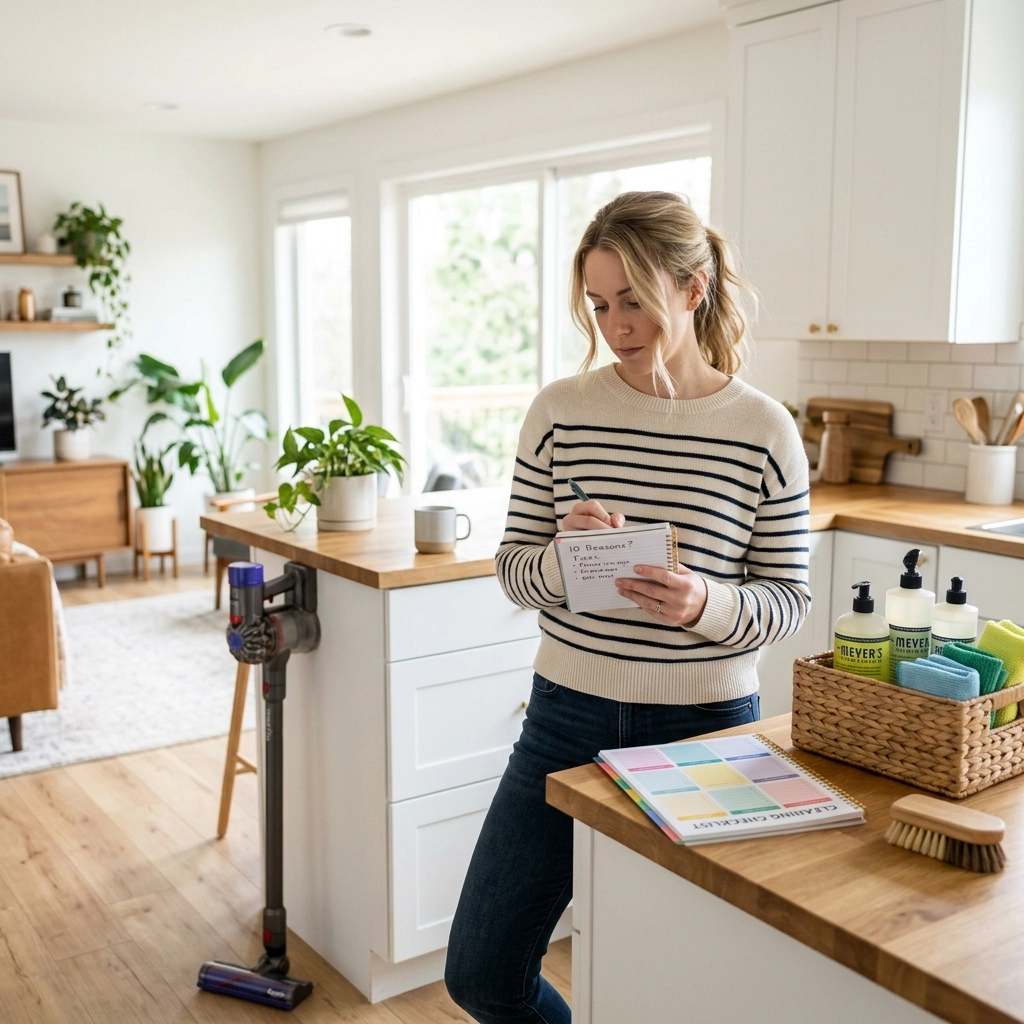
Maintaining a clean and organized home is often viewed as a simple matter of effort and discipline. However, many individuals find themselves trapped in a cycle of constant cleaning without ever achieving a lasting sense of order. When a household cleaning routine fails, it is rarely due to a lack of desire for a tidy space. More often, the failure stems from structural issues in the routine itself, inefficient techniques, or a misunderstanding of how cleaning chemistry works.
Establishing a functional routine requires more than just a list of chores; it requires a strategic approach that accounts for the physical layout of the home, the lifestyle of its inhabitants, and the specific needs of different surfaces. Understanding the common pitfalls that lead to a “broken” routine is the first step toward creating a sustainable system that keeps a home functional and pleasant.
1. The Absence of a Written Schedule
One of the primary reasons cleaning routines fail is the reliance on mental lists. Attempting to remember every task, from descaling the showerhead to vacuuming behind the sofa, leads to cognitive overload. When tasks are not scheduled, they are often forgotten or ignored until they become urgent, high-stress projects.
The Fix: Create a Tiered Task List
A successful routine categorizes tasks by frequency. By documenting these tasks, the mental burden is lifted, and progress becomes measurable.
- Daily Tasks: High-traffic area maintenance, such as dishwashing, wiping kitchen counters, and making beds.
- Weekly Tasks: Deep-cleaning bathrooms, vacuuming all floors, and dusting accessible surfaces.
- Monthly Tasks: Cleaning windows, dusting ceiling fans, and refreshing storage-organization systems.
- Quarterly/Seasonal Tasks: Deep-cleaning the oven, washing curtains, and clearing out gutters.

2. Cleaning Out of Order (Gravity and Logic)
Cleaning randomly or starting from the floor and working up is a common mistake that doubles the required effort. When a floor is mopped before the counters are wiped, crumbs and dust fall onto the clean floor, necessitating a second round of cleaning.
The Fix: The Top-to-Bottom, Left-to-Right Rule
Efficiency is found in following the laws of gravity. Dust and debris fall downward.
- Start High: Begin by dusting ceiling corners, light fixtures, and the tops of bookshelves.
- Middle Surfaces: Move to tabletops, counters, and chair rails.
- Finish Low: The final step should always be the floors.
- Directional Flow: Work in a clockwise or counter-clockwise direction around a room. This prevents “spot cleaning,” which often leaves certain areas untouched while others are cleaned multiple times.
3. Ignoring “Dwell Time” for Chemicals
Many individuals spray a surface and immediately wipe it away. This is one of the most significant obstacles to a truly sanitary home. Most cleaning products, especially disinfectants, require “dwell time”, a specific period during which the solution must remain wet on the surface to break down oils, dissolve mineral deposits, or kill pathogens.
The Fix: Read Labels and Batch Spray
To maximize efficiency without increasing physical labor, allow the chemistry to do the work.
- Spray First: Upon entering a room like the bathroom, spray the toilet, tub, and sink first.
- Wait: Move on to a different task, such as emptying the trash or cleaning mirrors, for 5 to 10 minutes.
- Wipe Last: By the time the focus returns to the sprayed surfaces, the grime will have softened, requiring significantly less scrubbing.
4. The “Clutter Creep” Phenomenon
A cleaning routine cannot fix an organization problem. If surfaces are covered in unnecessary items, the act of “cleaning” becomes an exhausting exercise in moving piles from one spot to another. Clutter acts as a magnet for dust and makes deep cleaning virtually impossible.
The Fix: Edit Before You Clean
A functional routine must include a decluttering phase. If an item does not have a designated “home,” it will inevitably contribute to a messy environment.
- Clear Surfaces: Keep flat surfaces as clear as possible to allow for quick daily wiping.
- Functional Storage: Utilize specialized tools to keep items contained. For example, a fruit-organizer in the kitchen prevents produce from scattering across the counter.
- Entryway Management: The entryway is the first line of defense. Ensuring the door-lock area is free of shoe piles and mail prevents dirt from being tracked further into the house.

5. Using Dirty Cleaning Tools
It is a paradox of housework that the tools used to clean are often the dirtiest items in the home. Reusing a sponge that hasn’t been disinfected or a vacuum with a full bag simply redistributes bacteria and allergens throughout the living space.
The Fix: Maintain the Equipment
Treat cleaning tools with the same care as the surfaces they clean.
- Microfiber Management: Use color-coded microfiber cloths (e.g., blue for glass, red for bathrooms) to prevent cross-contamination. Wash them in hot water without fabric softener, which can ruin the fibers’ ability to trap dust.
- Vacuum Care: Empty the canister or change the bag when it is two-thirds full. Check the brush roll for tangled hair and clean the filters monthly to maintain suction power.
- Sponge Replacement: Replace kitchen sponges weekly or switch to silicone scrubbers and cloths that can be sanitized in the dishwasher.
6. The “Marathon Cleaning” Mindset
Waiting until the entire house is a disaster to spend eight hours cleaning on a Saturday is a recipe for burnout. Marathon cleaning is exhausting, and it often leads to resentment toward the home. Furthermore, when cleaning is an all-day event, the house is only truly clean for a few hours before the cycle of mess begins again.
The Fix: The Power of 15-Minute Increments
The most successful routines are integrated into daily life rather than treated as a special event.
- Task Stacking: Wipe down the makeup-mirror while the shower water warms up.
- Timed Sprints: Set a timer for 15 minutes each evening to reset the main living areas. This prevents the accumulation of mess that leads to marathon sessions.
- Consistency over Intensity: Cleaning for 20 minutes every day is more effective at maintaining a hygienic environment than cleaning for five hours once every two weeks.

7. Using the Wrong Product for the Job
Not all surfaces are created equal. Using an acidic cleaner (like vinegar) on natural stone can cause permanent etching. Using a heavy wax on a modern laminate floor can create a sticky residue that actually attracts more dirt. A routine often fails because the results don’t look good, which is frequently a result of product-surface mismatch.
The Fix: Surface-Specific Knowledge
Research the materials in the home to ensure the cleaning agents are compatible.
- Windows and Glass: Use a dedicated glass cleaner and a flat-weave cloth to avoid streaks.
- Delicate Fabrics: When managing laundry routines, ensure that items like denim or high-quality cardigans-jumpers are washed according to label instructions to prevent fabric degradation.
- Natural Stone: Use pH-neutral cleaners specifically formulated for granite or marble.
8. Neglecting High-Touch Points
A home can look clean but still harbor significant amounts of bacteria if high-touch points are ignored. These are the areas that hands touch dozens of times a day but are rarely the focus of a standard “dusting” routine.
The Fix: The Sanitization Loop
Incorporate a “sanitization loop” into the weekly routine. This involves walking through the home with a disinfectant cloth and wiping:
- Door handles and light switches.
- The handles of appliances (fridge, microwave, oven).
- Remote controls and computer keyboards.
- Cabinet pulls and makeup-tool handles.
- Faucets and toilet flush levers.
9. Lack of “Home” for Specific Items
If a cleaning routine involves “tidying up” but the objects being moved don’t have a designated storage spot, the house will never stay clean. This is particularly true for seasonal items and hobby gear.
The Fix: Zoning and Dedicated Storage
Every category of item should have a zone.
- Indoor Gardening: Keep all potting supplies near the planters to prevent soil from being tracked across the house.
- Personal Care: Organize the bathroom so that every beauty product has a bin or drawer.
- Apparel: Seasonal clothing, such as summer wear or heavy coats-jackets, should be stored in clear bins or a secondary closet when not in use to keep the primary wardrobe accessible and tidy.

10. Failing to Account for Household Traffic
A routine that works for a single professional living in a small apartment will fail for a family of four with two dogs. Many individuals try to adopt “minimalist” cleaning routines that do not account for the actual “load” their household puts on the space.
The Fix: Adjust Frequency to Usage
The routine must be customized to the lifestyle of the inhabitants.
- High-Traffic Zones: The entryway and kitchen may need a “quick sweep” twice a day, whereas a guest room may only need attention once a month.
- Laundry Logic: Instead of a “laundry day,” consider doing one load of laundry from start to finish each day, wash, dry, fold, and put away. This prevents the “mountain of clothes” that often takes over bedrooms.
- Pet Considerations: If pets are present, air filters and vacuuming schedules must be doubled to manage dander and fur.
Building a Sustainable 7-Day Routine
To fix a broken routine, it is helpful to start with a fresh template and adjust it over several weeks. The goal is to distribute the work so that no single day is overwhelming.
Monday: The Kitchen Deep Clean
The kitchen is the heart of the home and often the messiest area.
- Clean out the refrigerator of expired food.
- Wipe down the exterior of all appliances.
- Scrub the sink and sanitize the counters.
- Sweep and mop the floor.
Tuesday: Bathrooms and Wet Areas
Bathrooms require frequent sanitization to prevent mold and soap scum buildup.
- Clean toilets, tubs, and showers.
- Wipe down the makeup-mirror and vanity.
- Replace towels with fresh ones.
- Empty the trash bins.
Wednesday: Living Areas and Dusting
Focus on the spaces where the household relaxes.
- Dust all surfaces using the top-to-bottom method.
- Vacuum upholstered furniture.
- Clean any glass surfaces or mirrors.
- Tidy up books, magazines, and remote controls.
Thursday: Floors and Entryways
Mid-week is the ideal time to handle the floors to keep the home feeling fresh for the weekend.
- Vacuum all carpets and rugs.
- Mop hard floors.
- Shake out the doormat and clean the area around the door-lock.
Friday: Bedroom Refresh
Ending the work week with a clean bedroom promotes better sleep and relaxation.
- Change bed linens.
- Dust nightstands and lamps.
- Organize the closet, ensuring items like skinny jeans or stripes patterns are visible and neatly folded.
- Clear away any “clutter magnets” like the bedroom chair.
Saturday: Outdoor and Seasonal Maintenance
Use the weekend for tasks that require more time or take place outside.
- Clean the porch or balcony.
- Tend to planters and garden beds.
- Perform a quick vehicle interior clean.
Sunday: Planning and Preparation
Sunday should be about setting up the following week for success.
- Review the calendar for the upcoming week.
- Meal prep to reduce kitchen mess during busy weeknights.
- Restock cleaning supplies if any are running low.

The Psychology of a Clean Home
Beyond the physical tasks, the success of a cleaning routine is heavily influenced by mindset. If cleaning is viewed as a punishment or a never-ending burden, the routine will inevitably collapse.
Focus on Maintenance, Not Perfection
A home is a living space, not a museum. The goal of a routine is to keep the home functional and comfortable. Accepting that there will always be a dish in the sink or a stray toy on the floor reduces the stress that leads to abandonment of the routine.
The Five-Minute Rule
If a task takes less than five minutes, do it immediately. Hanging up a coat, putting a dish in the dishwasher, or wiping a spill takes seconds but prevents the accumulation of tasks that make a routine feel “broken.”
Visual Cues and Incentives
Creating a pleasant environment during cleaning can help. Listening to a podcast, an audiobook, or music can transform the time spent on chores into a period of personal enjoyment. Additionally, finishing a room and seeing the immediate results: such as a clear kitchen counter with an organized fruit-organizer: provides a dopamine hit that reinforces the habit.
When to Audit Your Routine
A household cleaning routine is not a static document. It should evolve as the needs of the household change. It is recommended to perform a “cleaning audit” every six months. Ask the following questions:
- Which areas of the house consistently remain messy?
- Are there tasks on the list that never get done? Why?
- Is the current storage, such as the storage-organization in the pantry, still working?
- Have there been lifestyle changes (new pet, new job, new hobby) that require a shift in focus?
By identifying the specific reasons why a routine isn’t working: whether it’s the wrong tools, a poor schedule, or simply too much clutter: homeowners can pivot toward a more effective system. The result is a home that supports the inhabitants’ lives rather than a home that demands all of their free time. Accomplishing a clean home is a process of refinement, not a one-time achievement. Through small, consistent changes and a better understanding of cleaning logic, any household can break the cycle of mess and maintain a space that feels truly revitalized.

