
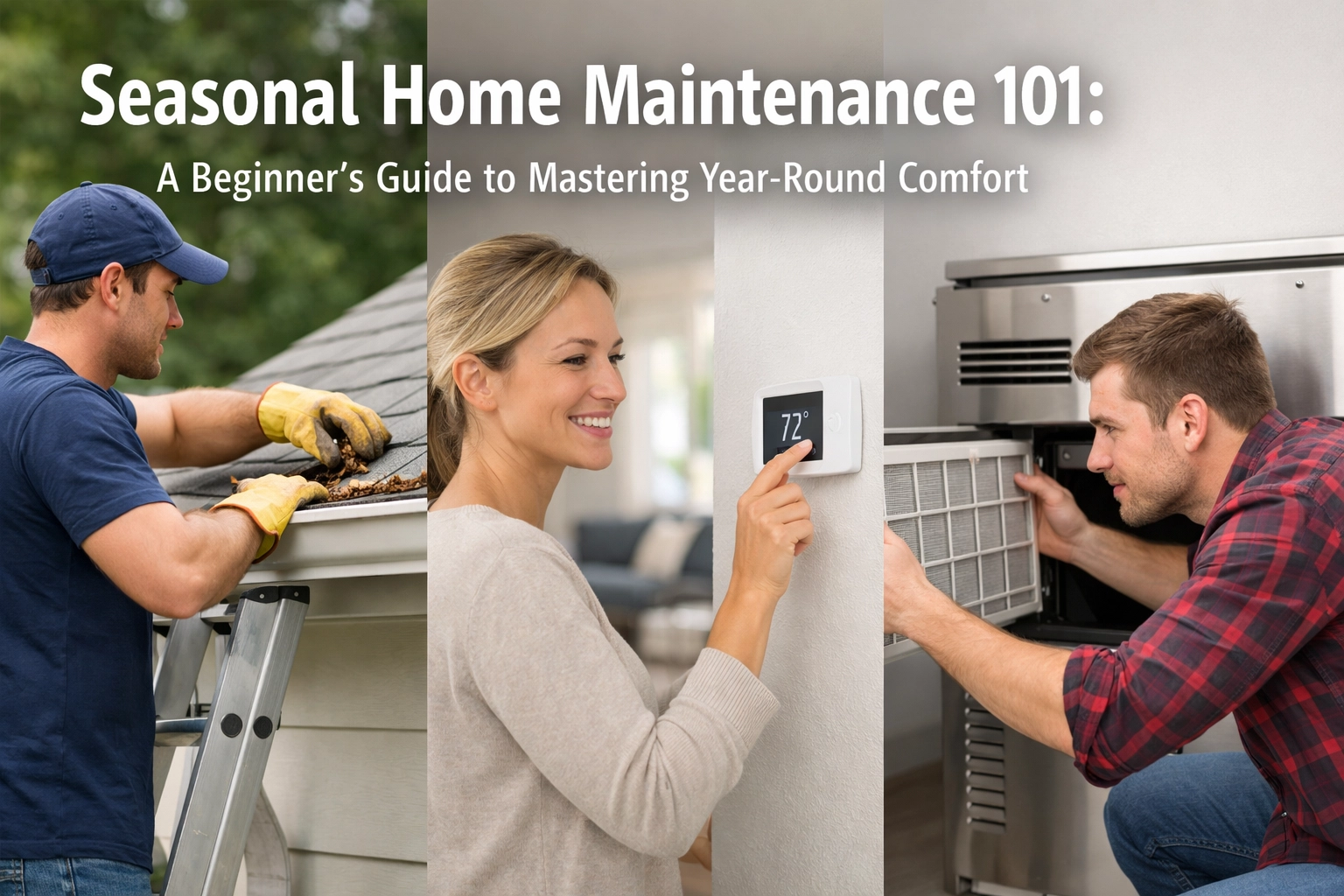
Maintaining a home is a continuous process that changes with the movement of the sun and the shifting of the tides. For many homeowners, the transition from being a renter to an owner brings the realization that a building is a living system. It breathes, expands, contracts, and reacts to the environment. Without a structured approach to care, small issues like a loose shingle or a tiny crack in window caulking can evolve into expensive structural repairs.
Adopting a seasonal maintenance mindset ensures that the living environment remains comfortable, energy-efficient, and safe. This guide provides a comprehensive roadmap for navigating the essential tasks required to preserve the integrity of a home throughout the four seasons. By following a structured schedule, homeowners can prevent emergencies, lower utility costs, and increase the longevity of their property.
Understanding the Cycle of Home Care
Home maintenance is often categorized by the frequency of the tasks. Some duties are monthly, while others are performed twice a year or once a decade. However, the most effective way to manage a property is to align tasks with the weather. Nature dictates the stresses placed on a structure; winter brings the weight of snow and the threat of frozen pipes, while summer introduces high humidity and the strain of cooling systems.
The objective of seasonal living is to prepare the home for the upcoming extremes. This proactive stance is the difference between a relaxing weekend and an emergency call to a plumber or a roofing contractor.
Spring: Refreshing the Exterior and Interior
As the frost thaws and the days lengthen, spring serves as the primary season for inspection and recovery. After months of being battered by winter winds and low temperatures, the exterior of a home requires a thorough evaluation to identify any damage that occurred during the dormant months.
Inspecting the Roof and Gutters
The roof is the first line of defense against the elements. Spring is the ideal time to check for missing, cracked, or curling shingles. High winds and heavy snow can lift roofing material, creating entry points for water. It is helpful to use binoculars from the ground to inspect the roof safely. Look for “balding” shingles where granules have washed away, as this indicates the material is reaching the end of its lifespan.
Gutters and downspouts often become clogged with debris over the winter. If water cannot flow freely, it can back up under the roofline or pool at the foundation. Clearing these channels is essential to prevent basement flooding and wood rot. Ensure that downspouts extend at least five feet away from the home’s foundation to keep the crawlspace or basement dry.
Foundation and Drainage
While walking the perimeter of the property, observe the grading of the soil. Over time, soil can settle, causing it to slope toward the house rather than away from it. This allows water to saturate the foundation. Adding topsoil to create a gentle slope away from the exterior walls can prevent significant structural issues. Additionally, check the foundation for new cracks. While small hairline cracks are common due to settling, any gap wider than a quarter-inch should be evaluated by a professional.

Air Conditioning and Air Quality
Before the first heatwave of the year, the cooling system needs attention. Replace the HVAC filters to ensure optimal airflow and indoor air quality. It is also recommended to clean the condensing unit outside. Clear away any leaves, twigs, or overgrown grass that might obstruct the unit’s ability to pull in air.
Inside the home, spring is the season for deep cleaning. Dusting ceiling fan blades and checking the operation of smoke and carbon monoxide detectors are critical safety steps. For those looking to organize their maintenance kits, utilizing a car trunk storage bag in the garage can help keep cleaning supplies and small tools in one accessible location.
Summer: Protecting the Home from Heat and Pests
Summer maintenance focuses on the exterior of the home and the efficiency of cooling systems. The goal is to maximize comfort while minimizing energy consumption during peak temperatures.
Exterior Wood and Siding
High humidity and intense UV rays can damage wood surfaces such as decks, fences, and siding. Inspect these areas for signs of rot or insect infestation. Using a screwdriver to probe wood that looks soft can reveal underlying decay. If water no longer beads on a wooden deck, it is time to apply a new coat of sealant or stain to prevent the wood from warping or cracking.
Power washing the siding can remove dirt, mold, and mildew that accumulate during the damp spring months. This not only improves curb appeal but also prevents the degradation of the home’s exterior finishes.
Efficient Cooling Strategies
To reduce the load on the air conditioning system, homeowners should adjust the direction of ceiling fans. In the summer, fans should rotate counter-clockwise to create a downdraft that provides a cooling breeze. This allows the thermostat to be set a few degrees higher without sacrificing comfort.
Checking the seals around windows and doors is also vital in the summer. If cool air is escaping, the AC unit must work harder, leading to higher energy bills. Replacing worn weatherstripping or applying fresh caulk is a low-cost task that yields immediate returns in efficiency.
Pest Control and Standing Water
Summer is the peak season for insect activity. Inspect the property for areas of standing water, such as birdbaths, clogged gutters, or low spots in the yard. Mosquitoes breed in stagnant water, and eliminating these sources is the most effective way to reduce their population. Additionally, check for entry points where ants or termites might enter the home, particularly where wood meets the soil.

Fall: Preparing for the Freeze
Fall is perhaps the most critical season for maintenance. The tasks performed during these months are designed to “harden” the home against the upcoming winter. This transition involves sealing the building envelope and ensuring that heating systems are reliable.
Sealing the Envelope: Windows and Doors
As temperatures drop, any gaps in the home’s exterior become conduits for cold air. Inspect the caulking around windows and the weatherstripping around doors. If light or air can be felt through a closed door, the seal is inadequate.
If the home has older, single-pane windows, consider installing storm windows or using window film to provide an extra layer of insulation. These measures significantly reduce heat loss and improve the consistency of indoor temperatures. More information on general household management can be found in the everyday living section of the Paris Wheel resource center.
Heating System Readiness
A furnace or boiler should be tested before it is actually needed. Turn on the heat in early autumn to ensure the system ignites properly and there are no unusual smells or noises. This is also the time to schedule a professional chimney sweep if the home has a wood-burning fireplace. Creosote buildup is a leading cause of house fires, and an annual cleaning is a non-negotiable safety task.
Exterior Water Management
One of the most common winter disasters is a frozen pipe that bursts. To prevent this, disconnect all garden hoses from outdoor faucets. Drain the hoses and store them. If the home has an irrigation system, it must be professionally blown out with compressed air to remove all moisture from the underground lines. Freezing water expands, and even a small amount left in a pipe can cause a rupture.

Winter: Protecting the Infrastructure
Winter maintenance is largely about monitoring and response. When the temperatures stay below freezing, the priority shifts to interior safety and preventing physical damage from snow and ice.
Plumbing Protection and Pipe Safety
In extreme cold, pipes located along exterior walls are at risk of freezing. Homeowners should leave cabinet doors open under sinks to allow warm air to circulate around the plumbing. During particularly cold nights, allowing a faucet to drip slowly can keep water moving and prevent the pressure buildup that leads to bursts.
If a home will be vacant for a period during the winter, the thermostat should never be set below 55 degrees Fahrenheit. This provides a safety margin to ensure the interior remains warm enough to protect the plumbing infrastructure.
Snow and Ice Management
Ice dams occur when snow melts on the upper parts of a roof and refreezes at the colder eaves. This ridge of ice prevents melting snow from draining, forcing water under the shingles and into the home. Ensuring the attic is well-insulated and properly ventilated is the long-term solution to ice dams, as it keeps the roof surface at a consistent temperature.
For walkways and driveways, use ice melt or sand to maintain safe passage. Be mindful of the type of ice melt used, as some chemicals can damage concrete or harm pets. Shoveling snow promptly after a storm prevents it from compacting into ice, which is much more difficult to remove.
Indoor Comfort and Safety
With the home sealed tight for winter, indoor air quality and safety become paramount. Since people spend more time indoors, it is a good time to perform tasks like cleaning behind the refrigerator and vacuuming the coils to improve efficiency.
Testing smoke and carbon monoxide detectors is especially important in winter when heating systems are running at full capacity. For those who enjoy reading during the long winter nights, a luminous LED bookmark lamp provides a practical way to enjoy a book without needing high-intensity overhead lighting, which can help maintain a cozy atmosphere.

Year-Round Maintenance Habits
While the seasons provide a framework, certain tasks should be integrated into a regular monthly habit. Consistency is the key to preventing the “snowball effect” of home repairs.
Monthly Checklists
- Test GFCI Outlets: Press the “test” button on outlets in kitchens and bathrooms to ensure the ground-fault circuit interrupter is working.
- Check Fire Extinguishers: Ensure the gauge is in the green zone and the extinguisher is easily accessible.
- Inspect Filters: Depending on the environment, HVAC filters may need replacement more frequently than every three months.
- Water Softener Salt: If the home uses a water softener, check the salt levels and replenish as needed.
Tool Organization
A well-maintained home requires the right tools. Maintaining an organized storage area for wrenches, screwdrivers, caulking guns, and lubricants saves time during an emergency. Using dedicated bags or shelving systems prevents the frustration of searching for a tool while a leak is occurring.
Creating a Maintenance Schedule
To avoid feeling overwhelmed, it is helpful to document a personalized maintenance schedule. Every home is different; a house surrounded by mature oak trees will require more frequent gutter cleaning than a home in a desert climate.
Start by listing the major systems: HVAC, roofing, plumbing, and electrical. Assign specific months for their inspection based on the seasonal advice provided above. Digital calendars or dedicated home maintenance apps can provide reminders that ensure these tasks are not forgotten in the busyness of daily life.
The Financial Benefit of Diligence
The cost of preventative maintenance is a fraction of the cost of emergency repairs. For example, spending fifty dollars on high-quality caulk and weatherstripping can save hundreds of dollars in heating costs over a single winter. Similarly, a professional HVAC tune-up is far less expensive than replacing a compressor that failed due to lack of cleaning.
Furthermore, a well-documented history of maintenance adds significant value to a home when it comes time to sell. Prospective buyers are often willing to pay a premium for a property that has been meticulously cared for, as it represents a lower risk for them.
Final Considerations for Homeowners
Seasonal home maintenance is not merely a list of chores; it is an investment in the comfort and safety of the living environment. By understanding the specific needs of a structure as the weather changes, homeowners can master the art of year-round comfort.
Taking the time to walk around the property, listen to the systems, and address small issues before they grow is the hallmark of responsible property ownership. Whether it is preparing for the heat of July or the deep freeze of January, a proactive approach ensures that the home remains a sanctuary regardless of the conditions outside. For more information on enhancing the home experience, visiting the Paris Wheel sitemap can provide a wide array of resources and guides tailored to modern living.

