
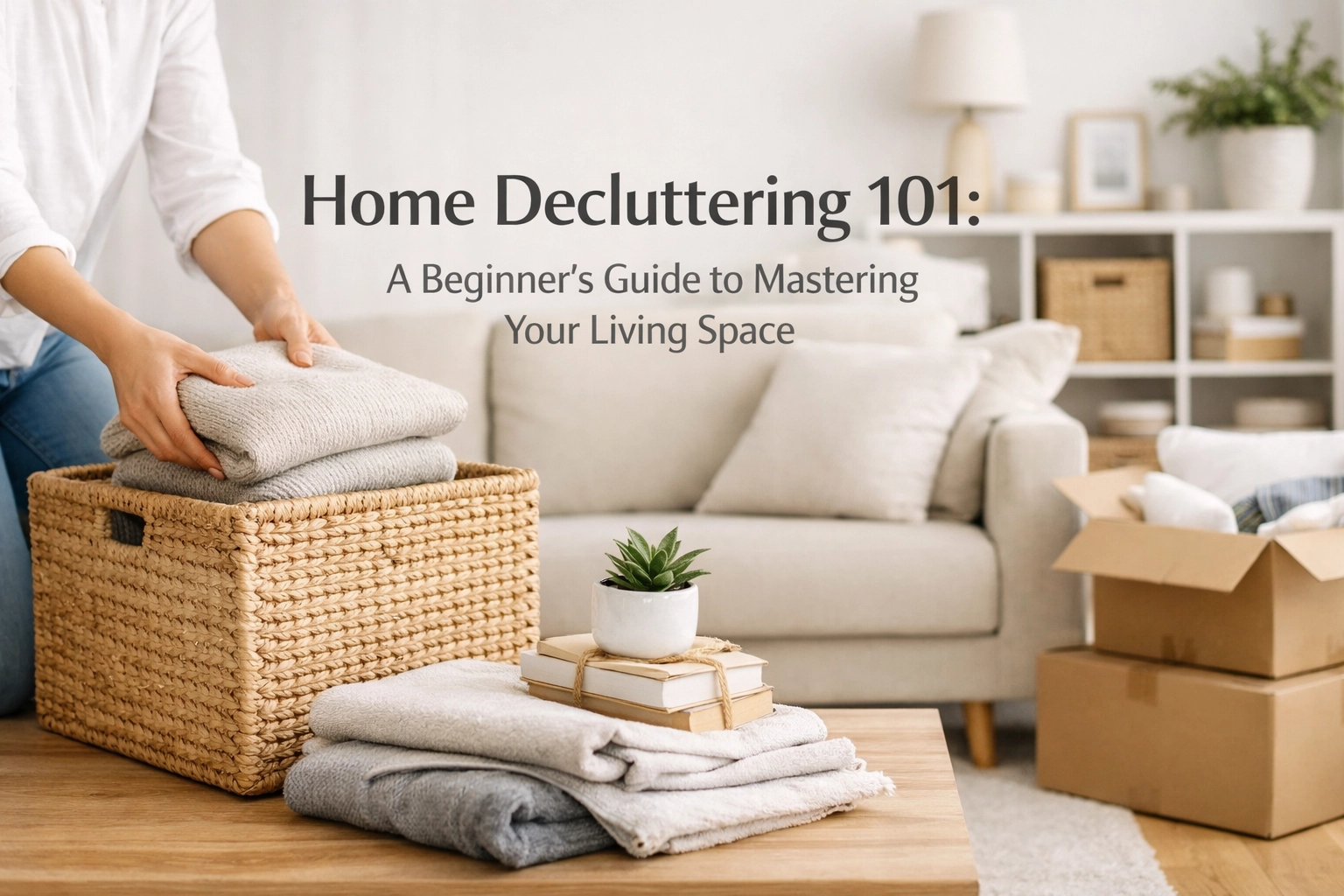
A home is meant to be a sanctuary, a place of rest and rejuvenation. However, when surfaces are covered in paperwork, closets are overflowing, and every drawer feels like a junk drawer, the home can become a source of stress rather than a refuge. The process of decluttering is more than just cleaning; it is a systematic approach to reclaiming physical space and mental clarity. For those feeling overwhelmed by the state of their living environment, a structured, beginner-friendly guide is the first step toward a more organized life.
Understanding the mechanics of home organization allows for a sustainable transition from chaos to order. This guide explores the psychological foundations of clutter, practical step-by-step strategies for every room, and the storage solutions necessary to maintain progress over the long term.
The Psychological Impact of Clutter
Clutter is rarely just about “too much stuff.” It is often a physical manifestation of postponed decisions. Every item left on a counter or tucked into a corner represents a choice that hasn’t been made yet: “Should I keep this?” “Where does this go?” “Do I need this?” When these micro-decisions accumulate, they create a heavy mental load.
Research suggests that high levels of visual stimuli: like a messy room: can lead to increased cortisol levels and a decreased ability to focus. By addressing the physical environment, individuals often find that their productivity increases and their overall sense of well-being improves. The goal of decluttering is not necessarily to achieve a minimalist aesthetic but to ensure that every item in the home serves a purpose or brings genuine value.
Preparing for the Process
Jumping into a massive decluttering project without a plan often leads to “decluttering fatigue,” where the project is abandoned halfway through, leaving the house in a worse state than before. Preparation is essential.
Essential Supplies
Before starting, gather the necessary tools to make the process efficient:
- Large Sturdy Boxes: Use these for “Donate,” “Sell,” and “Relocate” categories.
- Heavy-Duty Trash Bags: For items that are broken, stained, or otherwise unusable.
- Labels and Markers: Clearly mark every box to prevent confusion later.
- A Timer: Setting a timer for 30 or 60 minutes helps maintain focus without burning out.
- Cleaning Supplies: Decluttering reveals dust and dirt that have been hidden for months. Have a microfiber cloth and all-purpose cleaner ready.
The Mindset Shift
It is helpful to view decluttering as a way of “curating” a life rather than “losing” possessions. Instead of asking, “What should I get rid of?” ask, “What is worthy of a place in my home?” This subtle shift in perspective makes it easier to let go of items that no longer serve a functional or aesthetic purpose.

The Three-Pile Methodology
The most effective way for beginners to handle any space is the Three-Pile Method. As each area is emptied, every single item must be assigned to one of three categories.
1. The Keep Pile
Items in this pile must be used regularly or hold significant personal value. If an item is kept, it must have a designated “home” within the house. If there is no space for it, something else must be removed to make room.
2. The Remove Pile (Donate, Sell, or Trash)
This category is for items that no longer serve the household.
- Donate: Items that are in good condition but no longer needed.
- Sell: Only for items with significant resale value. Beware of the “selling trap,” where items sit in a box for months waiting to be listed. If it isn’t sold within two weeks, it should be donated.
- Trash/Recycle: Items that are broken, expired, or beyond repair.
3. The Relocate Pile
Often, clutter consists of items that belong in a different room. Instead of walking to the other room every time an item is found: which leads to distraction: place all “out-of-place” items in a single basket to be distributed once the current session is finished.
Room-by-Room Strategy
Approaching the whole house at once is a recipe for failure. The most successful declutterers work in zones.
The Kitchen: The Heart of the Home
The kitchen is often the most cluttered area because it serves multiple functions: cooking, dining, and frequently, a landing pad for mail and school papers.
- Countertops: Clear everything off the counters. Only items used daily (like a coffee maker or toaster) should remain.
- The Pantry: Remove every item. Check expiration dates and discard anything past its prime. Group similar items together: grains with grains, baking supplies with baking supplies.
- Duplicate Utensils: Most households do not need four vegetable peelers or three sets of measuring spoons. Keep the highest quality set and donate the rest.
- The “Tupperware” Cabinet: Match every lid to a container. If a piece is missing its partner, recycle it.
The Living Room: Creating a Relaxation Zone
Living rooms should be spaces for rest, but they often become magnets for toys, media, and decor that no longer fits the style of the home.
- Media and Electronics: Tangled cords and old remote controls for devices no longer owned should be recycled at an e-waste center.
- Books and Magazines: Be honest about what will actually be read. If a magazine is more than two months old and hasn’t been opened, it is unlikely to be read.
- Flat Surfaces: Coffee tables and side tables should be kept clear to allow the room to feel more spacious.
The Bedroom and Closet: The Sanctuary
A cluttered bedroom can interfere with sleep quality. The closet is usually the biggest challenge here.
- The 90/90 Rule: If an item hasn’t been worn in the last 90 days and won’t be worn in the next 90 days, it is a candidate for donation.
- Hanger Trick: Turn all clothes hangers backward. When an item is worn and returned, turn the hanger the right way. After six months, any hangers still facing backward represent clothes that aren’t being used.
- Nightstands: These should only hold essentials like a lamp, a book, and perhaps a glass of water.

Effective Storage Solutions
Once the decluttering is complete, the remaining items need a logical system of organization. Proper storage prevents clutter from returning.
Utilize Vertical Space
In small homes, floor space is a premium. Wall-mounted shelves, over-the-door organizers, and tall bookcases allow for storage without making the room feel cramped. In the kitchen, magnetic knife strips or hanging pot racks can clear up significant drawer and cabinet space.
The Power of Transparent Bins
For items stored in closets or under beds, transparent bins are superior to opaque ones. Seeing exactly what is inside prevents the need to rummage through multiple boxes, which inevitably leads to a mess. Labels should still be used for quick identification.
Zoning
Group items based on “activity zones.” For example, create a “Coffee Zone” where the machine, mugs, sugar, and beans are all within arm’s reach. This reduces movement across the room and keeps the organization intuitive.
For those interested in deepening their understanding of home management and organizational systems, exploring Paris Wheel can provide access to structured online learning resources that cover everything from interior design basics to advanced time management.
Managing Sentimental Items
Sentimental clutter is the hardest to process. These are items tied to memories, people, or past versions of oneself.
To manage these effectively:
- Save them for last: Don’t start with the box of old photos. Build the “decluttering muscle” on easier items like kitchen gadgets first.
- The Photo Solution: If an item is being kept only for the memory (like an old trophy or a child’s large school project), take a high-quality photograph of it. The memory is in the image, not the physical bulk.
- The “Memory Box”: Limit sentimental items to one specific box. When the box is full, one item must be removed before a new one can be added. This forces a prioritization of the most meaningful treasures.

Paperwork and Digital Clutter
In the modern age, physical paper is one of the most persistent forms of clutter.
- The One-Touch Rule: When mail comes into the house, handle it immediately. Sort it into “Action,” “File,” or “Recycle.” Never put it down on a counter to “deal with later.”
- Digitalize: Use a scanner or a phone app to create digital copies of important documents and store them securely in the cloud. Most manuals for appliances are available online, so the physical booklets can usually be recycled.
- Unsubscribe: To stop clutter at the source, spend ten minutes unsubscribing from physical catalogs and junk mail lists.
Maintaining the Order
Decluttering is not a one-time event; it is a lifestyle habit. Without maintenance, the “stuff” will slowly creep back in.
The One-In, One-Out Rule
To maintain a balanced environment, adopt the rule that for every new item brought into the home, an old one must leave. This is particularly effective for clothing, kitchen gadgets, and toys.
The 10-Minute Nightly Reset
Before going to bed, spend ten minutes walking through the main living areas. Return items to their “homes,” fold blankets, and clear the kitchen counters. Starting the next day with a clean slate prevents the accumulation of “micro-clutter.”
Regular Evaluations
Schedule a “mini-declutter” once a season. As seasons change, needs change. Winter coats might need to be moved to deep storage, or old summer gear that wasn’t used can be donated.

Common Decluttering Pitfalls to Avoid
Even with the best intentions, beginners often fall into common traps that stall progress.
- Buying Bins First: Never buy organizational supplies before decluttering. It is impossible to know what size or type of bin is needed until the final “Keep” pile is established. Buying bins first often leads to “organized clutter”: boxes full of things that should have been discarded.
- Aiming for Perfection: A home is a living space, not a museum. The goal is a functional environment that supports daily life, not a picture-perfect Pinterest board.
- Doing it All Alone: If a household has multiple residents, decluttering should be a collaborative effort. Assigning specific zones to different family members ensures everyone is invested in maintaining the new system. For children, this is an excellent opportunity for learning responsibility and the value of donating to others.
Conclusion
Mastering a living space through decluttering is a journey that requires patience and consistency. By starting small, using a systematic approach like the Three-Pile Method, and implementing smart storage solutions, anyone can transform a chaotic environment into a peaceful home.
The physical clearing of space often leads to a lighter, more focused mindset, allowing for more time and energy to be spent on the things that truly matter. Whether it’s through better organization of personal records or simply having a kitchen where it’s easy to cook a meal, the benefits of a decluttered home are profound and long-lasting.
By treating the home as a curated collection of useful and joyful items, residents can ensure that their environment serves them, rather than the other way around. Through continuous small efforts and the occasional deep dive into specific zones, a clutter-free life becomes an achievable reality.

