
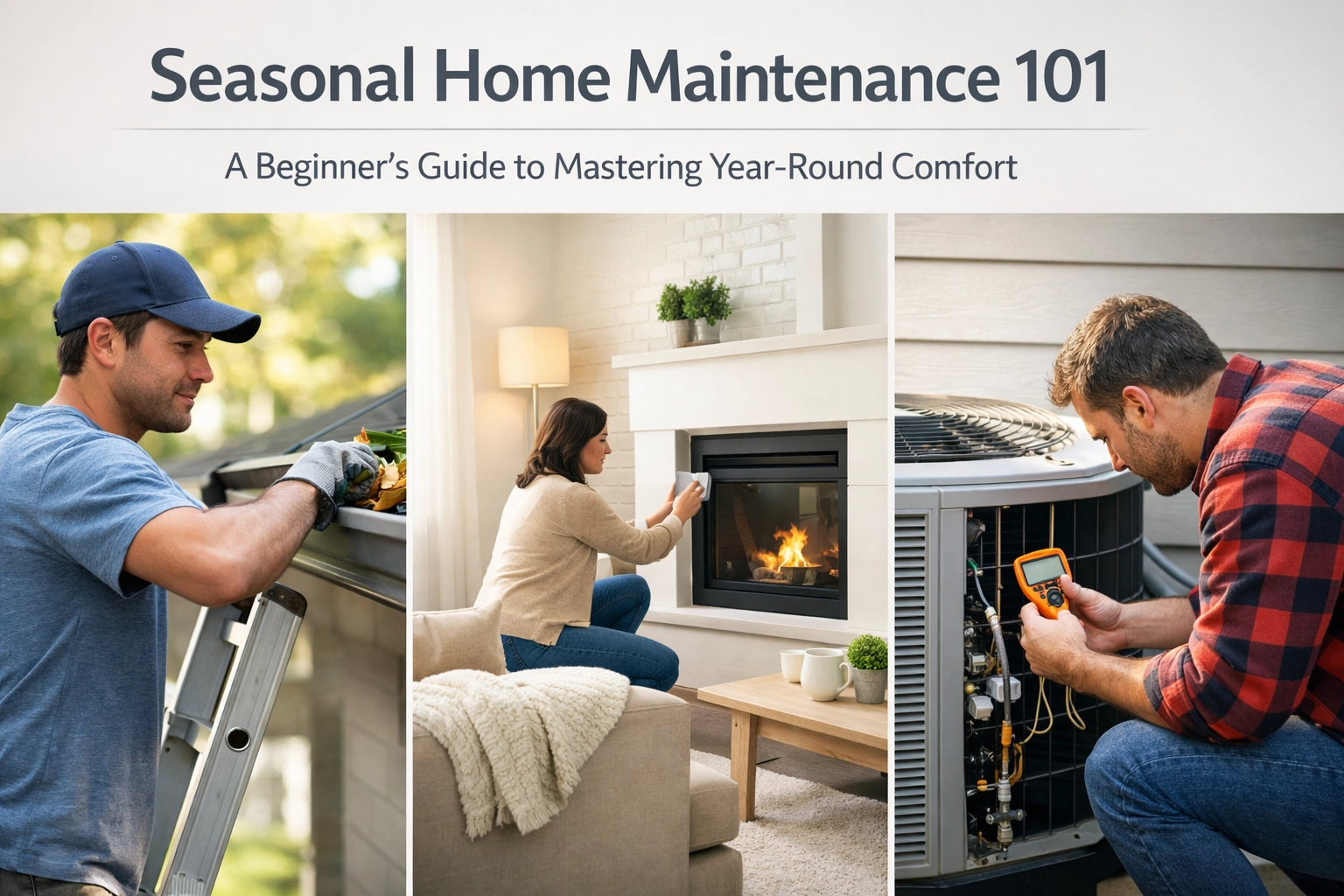
Owning a home is often described as a journey rather than a destination. Unlike a rental property where a landlord handles the heavy lifting, a homeowner serves as the primary caretaker of a complex ecosystem of mechanical systems, structural components, and aesthetic finishes. Without a proactive approach, small issues can quickly escalate into expensive repairs. Understanding the rhythm of seasonal home maintenance is the most effective way to protect this significant investment and ensure year-round comfort.
A well-maintained home operates more efficiently, costs less to run, and provides a healthier living environment. By breaking down tasks into manageable seasonal checklists, the overwhelming nature of home upkeep becomes a predictable and rewarding routine. This guide provides a comprehensive roadmap for navigating the essential tasks required through spring, summer, fall, and winter.
The Importance of Preventative Maintenance
Preventative maintenance is the practice of inspecting and servicing home systems before they fail. It is much like regular oil changes for a vehicle; while it requires a small investment of time and money upfront, it prevents the engine from seizing later. In a residential context, this means cleaning gutters to prevent basement flooding or servicing an air conditioner before the first heatwave of the year.
Beyond financial savings, regular maintenance enhances the “quiet enjoyment” of a home. A house that is free of drafts, leaks, and mechanical noises is a more peaceful place to live. Furthermore, for those interested in expanding their knowledge of property management or general life skills, learning these basics is a foundational step in Online Learning.
Spring: Rejuvenation and Water Management
Spring is the season of transition. As the snow melts and the ground thaws, the primary focus shifts to assessing winter damage and preparing for the upcoming rains. Water is the most common cause of property damage, making exterior drainage the top priority during these months.
Exterior Inspection and Gutter Care
The first task of spring should be a thorough walk-around of the property. Look for signs of “winter heave”: where the freezing and thawing of the ground may have shifted walkways or foundation elements.
Gutters and downspouts are the home’s primary defense against water. During the winter, debris often accumulates, and ice dams may have loosened brackets.
- Clear Debris: Remove leaves, twigs, and sediment that have settled in the troughs.
- Check Alignment: Ensure gutters are sloped toward the downspouts.
- Downspout Extensions: Ensure downspouts discharge water at least five to ten feet away from the foundation.

Roof and Siding Assessment
Using binoculars is a safe way to inspect the roof without climbing a ladder. Look for shingles that are cracked, buckling, or missing. On the ground, check for “granules”: the small sand-like pebbles that coat shingles: in the gutter discharge. Excessive granule loss suggests the roof may be nearing the end of its lifespan.
Inspect the siding for any holes or cracks. In many regions, spring is when pests like wood-boring bees or termites become active. Sealing small gaps now prevents larger infestations later.
HVAC Preparation
Before the humidity of summer arrives, the air conditioning system requires attention.
- Clear the Area: Remove any leaves, tall grass, or debris from around the exterior condenser unit to allow for maximum airflow.
- Change Filters: Replace the furnace/AC filter. A clogged filter forces the system to work harder, increasing energy bills and shortening the equipment’s life.
- Professional Tune-up: Consider a professional inspection to check refrigerant levels and clean the coils.
Summer: Efficiency and Exterior Living
Summer maintenance focuses on keeping the home cool efficiently and maintaining the exterior structures that are most used during the warmer months, such as decks and patios.
Maximizing Cooling Efficiency
As temperatures rise, the goal is to keep the heat out and the cool air in.
- Ceiling Fans: Ensure ceiling fans are rotating counter-clockwise. This direction creates a downdraft that provides a “wind chill” effect, allowing the thermostat to be set a few degrees higher without sacrificing comfort.
- Window Treatments: Closing blinds or curtains on the sunny side of the house during the day significantly reduces solar heat gain.
- Sealing Leaks: Check for gaps around windows and doors. Even in summer, caulking and weatherstripping are vital for keeping conditioned air from escaping.

Deck and Patio Upkeep
Wood decks are vulnerable to the intense summer sun and occasional heavy thunderstorms.
- The Water Test: Pour a small amount of water onto the deck boards. If it beads up, the sealant is still effective. If it soaks into the wood, it is time to clean and reseal the surface.
- Check Fasteners: Inspect for protruding nails or loose screws that could cause injury during barefoot season.
Exterior Plumbing and Landscaping
Summer is the time to monitor the home’s exterior water usage. Inspect outdoor faucets (hose bibbs) for leaks. Even a slow drip can waste hundreds of gallons of water over a season.
Regarding landscaping, ensure that mulch is kept a few inches away from the siding to prevent moisture rot and insect paths. Trees should be trimmed so that branches do not overhang the roof, which prevents squirrels from accessing the attic and stops branches from scraping shingles during summer storms.
Fall: The Great Winterization
Fall is arguably the most critical season for home maintenance. It is the final opportunity to seal the “envelope” of the home before the harsh conditions of winter arrive. The focus here is on heating systems, insulation, and preventing frozen pipes.
Heating System Readiness
Do not wait for the first freezing night to discover the furnace isn’t working.
- Test the System: Turn the thermostat to “heat” and ensure the system kicks on and produces warm air.
- Chimney Sweep: If the home has a wood-burning fireplace, have the chimney inspected and cleaned by a professional. Creosote buildup is a leading cause of house fires.
- Filter Change: Replace filters again, as the heating system will likely run more frequently than the cooling system did.
Sealing and Insulation
A drafty house is not only uncomfortable but also expensive to heat.
- Weatherstripping: Replace worn weatherstripping around doors. If light can be seen around the door frame, heat is escaping.
- Attic Check: Inspect the attic insulation. It should be level and distributed evenly. If the floor joists are visible, adding more insulation can lead to significant energy savings.
- Window Film: In older homes with single-pane windows, applying a plastic shrink-film can provide an extra layer of insulation.

Outdoor Winterization
Water expands when it freezes, which is the primary cause of burst pipes.
- Drain Exterior Faucets: Disconnect garden hoses, drain them, and store them. Inside the home, shut off the water valve leading to the exterior faucet and then open the exterior tap to drain any remaining water.
- Sprinkler Systems: In cold climates, irrigation systems should be “blown out” with compressed air to prevent underground pipes from cracking.
- Gutter Cleaning Part II: Once the leaves have finished falling, clean the gutters one last time. Clogged gutters in winter lead to ice dams, which can force water under the roof shingles and into the walls.
Winter: Interior Safety and Monitoring
When the weather turns cold, maintenance shifts primarily indoors. This is the time to focus on air quality and safety systems, as residents spend significantly more time inside.
Indoor Air Quality and Safety
Because homes are sealed tight in the winter, the risk of carbon monoxide (CO) poisoning and fire increases.
- Detector Testing: Test all smoke and carbon monoxide detectors. Replace batteries if they haven’t been changed in the last six months. Most units have a lifespan of 7 to 10 years; check the manufacture date on the back of the device.
- Fire Extinguishers: Ensure a fire extinguisher is easily accessible in the kitchen and near any fireplaces. Check the pressure gauge to ensure it is still in the “green” zone.
- Humidifiers: Winter air is notoriously dry. If using a whole-house or portable humidifier, clean it regularly to prevent the growth of mold or bacteria.
Monitoring for Ice and Moisture
During periods of heavy snow, keep an eye on the roofline.
- Ice Dams: Look for large icicles or mounds of ice at the edge of the roof. This indicates that heat is escaping from the house, melting the snow on the roof, which then refreezes at the cold eaves.
- Basement Humidity: Check the basement or crawlspace for signs of dampness. Even in winter, hydrostatic pressure can force moisture through foundation walls.

Monthly and Ongoing Essentials
While the seasons provide a natural cadence for major tasks, certain items require monthly attention to keep the home running smoothly.
- Test GFCIs: Press the “test” and “reset” buttons on Ground Fault Circuit Interrupter outlets (the ones with buttons, usually found in kitchens and bathrooms) to ensure they are functioning.
- Clean Range Hood Filters: Grease buildup in kitchen exhaust filters is a fire hazard. Most can be cleaned easily with degreasing soap and hot water.
- Inspect Water Supply Lines: Periodically look under sinks and behind toilets for any signs of slow leaks or corrosion on the valves.
- Deep Clean Appliances: Vacuum the coils behind or beneath the refrigerator to improve its cooling efficiency. Clean the lint trap and the external dryer vent to prevent fires.
The Homeowner’s Essential Toolkit
To perform these tasks effectively, a basic toolkit is required. One does not need professional-grade power tools to maintain a home, but having the right manual tools is essential. If you are looking for more information on how to use these tools safely, you can visit our Customer Help page for guidance.
- Adjustable Wrench and Plier Set: For tightening loose nuts or handling minor plumbing issues.
- Screwdriver Set: Both Phillips and Flathead in various sizes.
- Level: Essential for checking gutter slopes or hanging shelves.
- Caulk Gun: For sealing gaps around windows and bathtubs.
- Flashlight/Headlamp: For inspecting dark corners of the attic or basement.
- Multi-purpose Ladder: A sturdy, adjustable ladder is necessary for reaching gutters and changing high light bulbs.

Long-Term Benefits of Mastery
Mastering seasonal home maintenance transforms the experience of homeownership from a source of stress into a source of pride. By following a structured approach, the “hidden” costs of owning a home are minimized.
Furthermore, a well-documented maintenance history is a significant asset when it comes time to sell a property. Potential buyers are often willing to pay a premium for a home that shows clear evidence of consistent care. It signals that the structure is sound and that there are likely no expensive surprises lurking behind the walls.
For those who are new to these concepts, the transition can seem daunting. However, like any other skill, it can be learned and refined over time. Engaging with resources on the Paris Wheel Blog can provide further insights into home management and other practical life skills.
Conclusion
A home is more than just a shelter; it is a complex machine that requires regular tuning to perform at its best. By dedicating a few weekends each year to these seasonal tasks, homeowners can ensure their living space remains a sanctuary of comfort and safety. Whether it is the simple act of changing a filter or the more involved process of winterizing a deck, every action taken today is an investment in the home’s future.
Maintaining a home is a continuous cycle of observation and action. By staying ahead of the seasons, one can master the art of year-round comfort and enjoy the peace of mind that comes with a job well done. For more resources on personal development and practical skills, explore the various offerings at Paris Wheel.

