
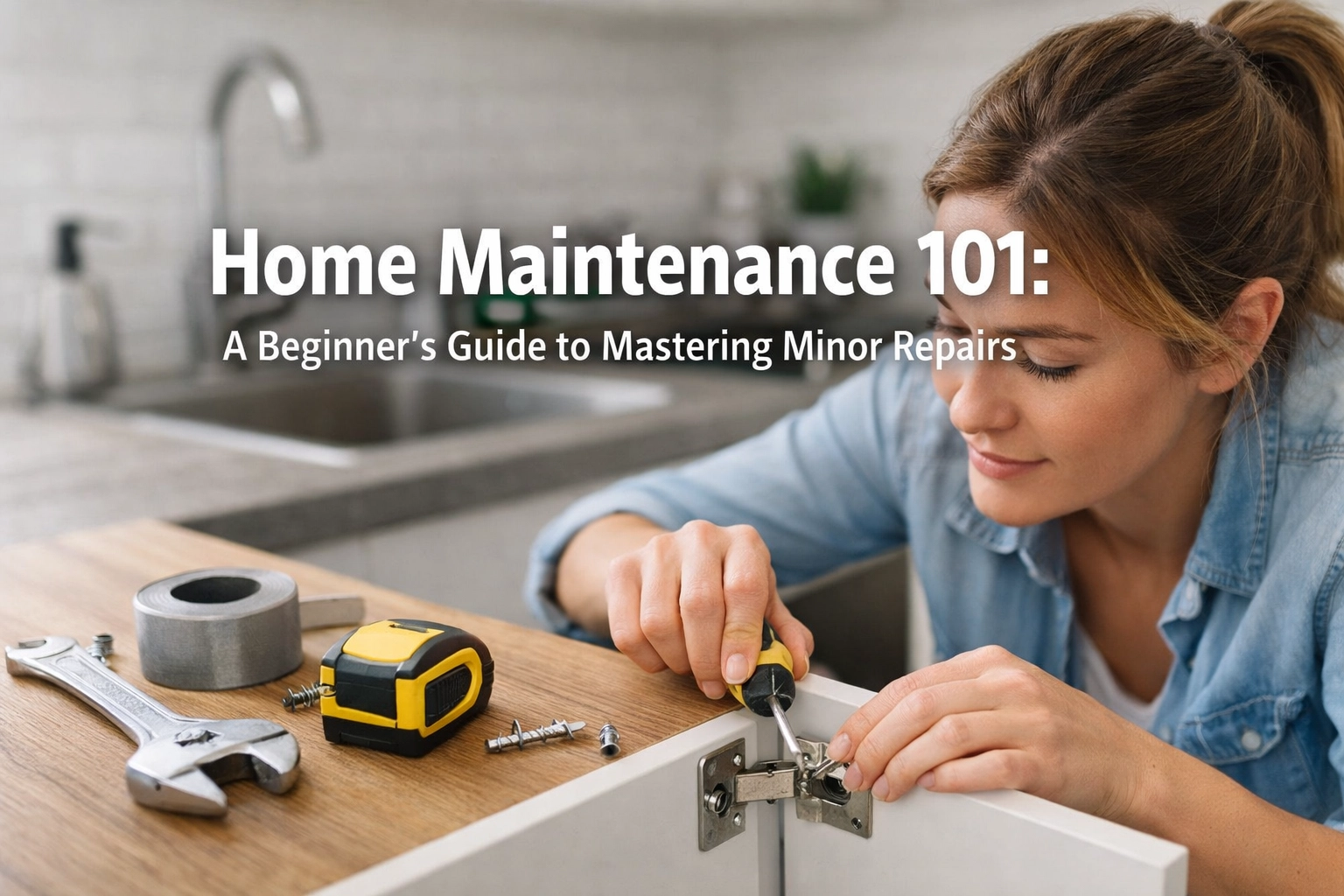
Owning a home is a significant milestone, but it also introduces a variety of responsibilities that can feel overwhelming to a novice. While major structural issues or complex electrical overhauls require professional intervention, a substantial portion of home upkeep involves minor repairs and routine checks. Mastering these basic skills prevents small inconveniences from evolving into expensive disasters. This guide provides a comprehensive overview of essential maintenance tasks, troubleshooting common household problems, and building the confidence to manage a property effectively.
The Foundation of Home Maintenance: An Essential Toolkit
Before attempting any repair, having the right tools on hand is vital. A basic toolkit does not need to be expensive, but it should contain high-quality essentials.
- Claw Hammer: Used for driving nails and prying them out.
- Screwdriver Set: At a minimum, a Phillips head (cross-shaped) and a flathead (straight) in various sizes are necessary.
- Adjustable Wrench: Essential for tightening or loosening bolts and plumbing fixtures.
- Pliers: Needle-nose pliers help with precision work, while slip-joint pliers are better for gripping larger objects.
- Tape Measure: Accuracy is critical for everything from hanging pictures to measuring for new appliances.
- Utility Knife: Useful for opening packages, trimming materials, or scraping away old caulk.
- Level: Ensures that shelves, mirrors, and appliances are perfectly horizontal or vertical.
- Cordless Drill: While technically a power tool, it is indispensable for driving screws quickly and drilling pilot holes.

Addressing Walls and Surfaces: Minor Repairs and Refinishing
Walls are often the first place where wear and tear becomes visible. From small nail holes to larger dings from furniture, knowing how to patch drywall is a fundamental skill.
How to Patch Small Holes in Drywall
Small holes from nails or screws can be fixed in minutes. Use a putty knife to apply a small amount of spackling compound over the hole. Press it in firmly and then swipe across to level it with the wall. Once dry, lightly sand the area with fine-grit sandpaper until smooth. Wipe away the dust and apply a touch-up of matching paint.
Fixing Larger Dings and Cracks
For larger holes (up to two inches), a self-adhesive mesh patch provides the necessary reinforcement. Place the patch over the hole, apply a layer of joint compound over the mesh, and feather the edges outward to blend into the wall. After the first layer dries, sand it lightly and apply a second, wider coat. Sanding and painting after the final coat is dry will make the repair nearly invisible.
Removing Persistent Stains from Surfaces
Stains on walls or furniture can be frustrating. For scuffs on walls, a melamine sponge (often called a “magic eraser”) works well with just a little water. For water rings on wooden furniture, applying a mixture of equal parts vinegar and olive oil can often lift the mark. For ink or permanent marker, rubbing alcohol on a cotton ball is frequently effective, though it is always wise to test a small, inconspicuous area first.
Plumbing Basics: Dealing with Drips and Clogs
Water damage is one of the most common and costly issues in a home. Learning how to manage minor plumbing tasks can save hundreds of dollars in service calls.
Silencing a Leaky Faucet
A dripping faucet is usually caused by a worn-out washer or O-ring. To fix it, first turn off the water supply valves under the sink. Remove the handle (usually by loosening a small screw), take out the cartridge or stem, and replace the rubber seals. Reassemble the faucet and turn the water back on to test.
Troubleshooting a Running Toilet
If a toilet continues to run after flushing, the issue is often the flapper: the rubber seal at the bottom of the tank. If the flapper is warped or covered in mineral deposits, it won’t seal properly. Replacing a flapper is a simple task: turn off the water at the wall, flush to empty the tank, unhook the old flapper, and snap a new one into place.

Clearing Slow Drains
Avoid using harsh chemical cleaners, as they can damage pipes over time. For a slow-moving sink, try a “zip-it” tool: a long plastic strip with barbs: to pull out hair and debris. For kitchen sinks, a mixture of baking soda followed by vinegar can break down grease and organic matter. If the clog is stubborn, removing the P-trap (the U-shaped pipe under the sink) allows for manual cleaning. Keep a bucket underneath to catch any trapped water.
Electrical Safety and Small Adjustments
Electrical work can be intimidating, but some tasks are safe for beginners provided the power is properly disconnected. Always turn off the circuit breaker before touching any wiring.
Testing and Replacing Smoke Detectors
Smoke and carbon monoxide detectors should be tested monthly using the “test” button. Batteries should be replaced at least once a year, or immediately if the unit begins to “chirp.” If a detector is more than ten years old, the entire unit should be replaced. This is a critical safety task that should never be delayed.
Understanding GFCI Outlets
Ground Fault Circuit Interrupter (GFCI) outlets are found near water sources (kitchens, bathrooms, garages). They are designed to shut off power instantly if they detect a surge or moisture. If an outlet stops working, look for the “Reset” button on the faceplate. If it won’t reset, the outlet may need to be replaced by a professional, or there may be a fault further down the line.
Replacing Light Fixtures
Replacing an old, dated light fixture is an excellent way to refresh a room. After turning off the power at the breaker, remove the old fixture and disconnect the wires (usually black for hot, white for neutral, and green or bare copper for ground). Attach the mounting bracket for the new fixture, connect the wires using wire nuts: matching color to color: and secure the fixture to the ceiling.
Maintaining the Home’s Exterior
The exterior of the home acts as a shield against the elements. If this shield is compromised, moisture can enter and cause rot or mold.
Gutter Maintenance and Why It Matters
Gutters direct rainwater away from the foundation. When they become clogged with leaves and debris, water overflows and can seep into the basement or damage the siding. Gutters should be cleaned at least twice a year: once in the spring and once in the late fall. Use a sturdy ladder and a small garden trowel to scoop out debris, then flush the gutters with a hose to ensure the downspouts are clear.

Caulking Gaps and Seals
Inspect the exterior for gaps around windows, doors, and where different materials meet (such as where siding meets the foundation). Gaps allow air leaks, which increase energy bills, and provide entry points for insects and water. Use an exterior-grade caulk to seal these openings. A smooth bead of caulk not only protects the home but also provides a finished, professional look.
Seasonal Maintenance Checklist
Maintaining a home is easier when tasks are spread out across the year. Following a seasonal schedule ensures that nothing is overlooked.
Spring Tasks
- Inspect the roof: Look for missing or damaged shingles after winter storms.
- Service the AC: Clean the condenser unit and ensure the area around it is clear of vegetation.
- Check window screens: Repair any holes to keep insects out during the warmer months.
- Inspect the attic: Check for signs of leaks or pest activity.
Summer Tasks
- Check the deck/patio: Look for loose boards or signs of wood rot.
- Inspect the exterior paint: Touch up any peeling or cracking areas to prevent wood damage.
- Clean the dryer vent: Built-up lint is a major fire hazard and reduces the efficiency of the machine.
Fall Tasks
- Prepare the furnace: Replace the air filter and consider a professional tune-up.
- Drain exterior faucets: In cold climates, water left in pipes can freeze and burst.
- Check weatherstripping: Ensure doors and windows seal tightly to keep heat in.
Winter Tasks
- Test safety devices: Check all smoke and carbon monoxide detectors.
- Monitor for ice dams: Ensure gutters are clear so melting snow can drain properly.
- Inspect the basement: Look for signs of dampness or new cracks in the foundation.

Problem-Solving: Layout and Functionality Fixes
Sometimes maintenance is about improving how a space functions rather than fixing something broken.
Silencing Squeaky Floors
Squeaks are caused by floorboards rubbing together or against a subfloor. If the floor is carpeted, specialized screws can be driven through the carpet and into the joist to secure the boards. For hardwood floors, puffing a little graphite powder or talcum powder into the joints can reduce friction and silence the noise.
Fixing “Sticking” Doors and Drawers
Changes in humidity can cause wood to swell, making doors and drawers difficult to open. If a door is sticking at the top or side, check the hinge screws; tightening them often pulls the door back into alignment. For wooden drawers that don’t slide smoothly, rubbing a candle or a bar of soap along the drawer glides provides enough lubrication to solve the problem.
Managing the HVAC System
The Heating, Ventilation, and Air Conditioning (HVAC) system is the heart of the home’s comfort. While complex repairs require a technician, basic maintenance is a DIY task.
Replacing Air Filters
This is the most important maintenance task for any homeowner. A dirty filter restricts airflow, forcing the system to work harder and increasing energy costs. Most filters should be replaced every 90 days, though homes with pets or allergies may require more frequent changes.

Cleaning the Condenser
The outdoor unit of an air conditioner can become clogged with dirt, grass clippings, and leaves. Gently spray the unit with a garden hose (avoiding high-pressure settings) to clean the fins. Ensure there is at least two feet of clear space around the unit for proper airflow.
The One-Hour “House Health” Walkthrough
To stay ahead of repairs, conduct a monthly walkthrough of the property. This proactive approach allows a homeowner to spot issues before they become emergencies.
- Check under every sink: Look for moisture or drips at the pipe connections.
- Inspect ceilings: Look for new water spots or discolorations.
- Flush unused drains: Run water in guest bathrooms to keep the P-trap full and prevent sewer gases from entering the home.
- Listen: Note any unusual banging, whistling, or humming from appliances or the HVAC system.
- Look at the foundation: Walk the perimeter of the house to check for new cracks or signs of soil erosion.
For more detailed guides and educational resources on home management, visiting the Paris Wheel blog or checking the customer help section can provide additional clarity on specific homeowner questions.
Conclusion
Mastering minor home repairs is a journey of trial and error. By starting with a solid toolkit and tackling small projects: like patching a hole or fixing a leaky faucet: anyone can develop the skills necessary to maintain a safe and comfortable environment. Consistent maintenance preserves the value of the property and provides the peace of mind that comes with knowing the home is in good hands. For those looking to expand their knowledge, resources are available at Paris Wheel to help navigate the complexities of modern living and home ownership.

