
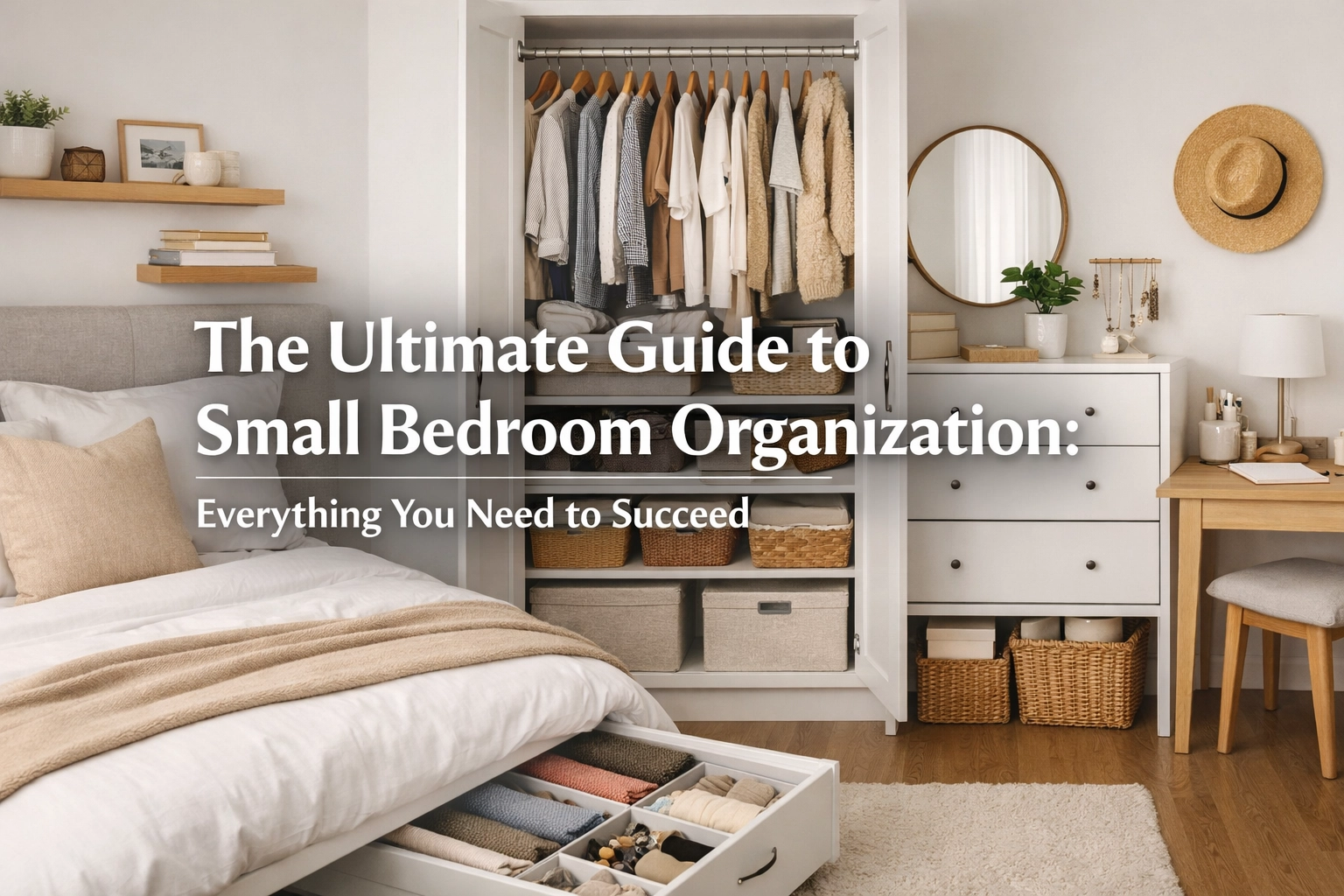
Living in a small bedroom does not mean sacrificing comfort or style. While limited square footage presents challenges, it also offers an opportunity to become more intentional about the items kept within a personal sanctuary. Effective organization transforms a cramped, chaotic room into a serene retreat where every object has a designated home.
Success in small-space living relies on three core principles: maximizing vertical space, utilizing hidden storage areas, and selecting multi-functional furniture. By approaching the bedroom with a strategic mindset, anyone can turn a tiny footprint into a highly efficient environment.
The Foundation: A Comprehensive Decluttering Strategy
Before purchasing bins or rearranging furniture, a thorough decluttering process is essential. Organization is not simply about hiding clutter; it is about curateing a space to reflect current needs and lifestyle.
The Audit Process
Begin by removing everything from the room, if possible, or tackling one zone at a time, such as the closet or the dresser. Categorize items into three groups: keep, donate/sell, and discard. Ask whether an item has been used in the last six months. In a small bedroom, seasonal items like heavy winter coats or summer gear should be separated from daily essentials.
The Psychological Benefit of Less
A cluttered room often leads to a cluttered mind. Reducing the sheer volume of belongings makes maintenance easier. Once the inventory is narrowed down to the essentials, the remaining items can be organized more effectively. For more resources on improving lifestyle habits, visiting the Paris Wheel blog can provide further inspiration on personal development and home management.

Mastering Vertical Real Estate
In a small room, the floor is the most valuable and limited resource. When floor space runs out, the only direction left to go is up. Vertical organization draws the eye upward, making the ceiling feel higher and the room more spacious.
Floating Shelves and High-Level Storage
Wall-mounted shelves are superior to bulky bookcases. Installing shelves near the ceiling provides a perfect spot for items not used daily, such as keepsake boxes, extra books, or decorative pieces. This keeps the lower levels clear for high-traffic items.
Wall-Mounted Task Stations
If a desk or nightstand is necessary but takes up too much floor space, consider wall-mounted versions. A floating desk can provide a workspace without the visual weight of four legs. Similarly, a simple wall ledge can replace a traditional nightstand, offering just enough room for a phone, a glass of water, and a reading lamp.
Utilizing the Back of the Door
The back of a bedroom or closet door is often forgotten. Over-the-door organizers are not just for shoes; they can hold accessories, cleaning supplies, or even folded t-shirts. This utilizes space that would otherwise remain completely unused.
The Power of Under-Bed Storage
The area beneath the bed is often referred to as “hidden square footage.” In a small bedroom, leaving this space empty is a missed opportunity.
Choosing the Right Containers
Long, shallow plastic bins or fabric bags are ideal for under-bed storage. To keep things accessible, look for containers with wheels. These allow for easy retrieval of items like extra linens, out-of-season clothing, or bulky sports equipment. Clear bins are particularly helpful because they allow the resident to see the contents without having to pull every box out.
Bed Risers
If the current bed frame is too low to accommodate storage bins, bed risers provide an inexpensive and effective solution. Lifting a bed by just three to five inches can significantly increase the volume of storage available.
Built-In Storage Beds
For those looking to invest in new furniture, a storage bed is a game-changer. These beds often feature large drawers built directly into the base or a hydraulic lift system that raises the mattress to reveal a vast storage compartment underneath. This eliminates the need for an extra dresser, saving significant floor space.

Multi-Functional Furniture Selection
In a limited space, every piece of furniture must earn its keep. Single-purpose items are often a luxury that small rooms cannot afford.
Storage Ottomans and Benches
Placing an ottoman or a bench at the foot of the bed serves two purposes: it provides a place to sit while putting on shoes and offers a hidden compartment for blankets or pillows. Unlike deep closet shelves, an ottoman is easily accessible, making it a better choice for items used frequently.
The Versatile Rolling Cart
A slim, three-tiered rolling cart can fit into narrow gaps between the bed and the wall or inside a closet. These carts are excellent for holding beauty products, art supplies, or tech accessories. Because they are on wheels, they can be moved out of the way when not in use.
Headboard Storage
A traditional headboard serves mostly an aesthetic purpose. However, a storage headboard with built-in cubbies or shelves can act as a bookshelf and a nightstand simultaneously. This is a particularly effective solution for very narrow rooms where there is no space on either side of the bed.
Optimizing the Closet for Maximum Efficiency
Closets in small bedrooms are frequently undersized and poorly laid out. Improving the internal structure of the closet can double or even triple its capacity.
Double Hanging Rods
Most closets have a single rod with a large amount of wasted space beneath the hanging clothes. Installing a second, lower rod allows for two tiers of hanging storage. This is perfect for shorter items like shirts, skirts, and folded trousers.
Slim Hangers
Traditional plastic or wooden hangers are bulky. Switching to ultra-slim velvet hangers can save a surprising amount of horizontal space on the closet rod. As a bonus, the velvet texture prevents clothes from slipping off.
Shelf Dividers and Baskets
Shelves inside a closet can quickly become a jumbled mess of folded sweaters and jeans. Clear acrylic shelf dividers keep stacks upright and organized. For smaller items like socks, belts, or scarves, using uniform baskets creates a clean, streamlined look and makes it easier to find specific accessories.

Drawer Management and Surface Organization
Even a well-organized room can feel cluttered if every flat surface is covered in small objects. Organizing the interior of drawers and the tops of furniture is the final step in achieving a successful bedroom layout.
Drawer Dividers
Drawers often become “junk drawers” because they lack internal structure. Small bins or adjustable dividers give every item a specific home. This is especially useful for nightstand drawers where electronics, cables, and personal items tend to get tangled.
The “Tray” Method
For items that must remain on top of a dresser or nightstand: such as jewelry, watches, or perfumes: corral them on a decorative tray. This creates a visual boundary. Instead of many small items scattered across a surface, there is one organized “zone,” which looks much tidier to the eye.
Cable Management
In the modern bedroom, charging cables are a constant source of visual clutter. Using cable clips or a dedicated charging station can keep cords from falling behind furniture and prevent them from tangling on the floor. For more information on how to manage a home efficiently, you can check out the About page to learn about the philosophy behind organized living.
Managing “Dead” Spaces and Corners
Every room has corners and small gaps that seem unusable. In a small bedroom, these “dead” spaces are prime candidates for creative storage.
Corner Shelving
Standard shelves are difficult to fit into corners, but dedicated corner shelving units or floating L-shaped shelves can turn a neglected corner into a display area for books or plants.
Behind-the-Shoulder Storage
If the bed is positioned in the center of a wall, there is often a small gap behind the pillows or the headboard. A very slim “behind-the-sofa” style table can be used here to hold a lamp or a phone, freeing up the space on the sides of the bed for movement or larger storage units.
Window Sill Extension
For rooms with deep window sills, these can be treated as extra shelf space. If the sill is narrow, a wooden topper can be added to extend the surface area, creating a mini-bookshelf or a place for indoor plants, which helps brighten the room without taking up floor space.

Visual Techniques to Enhance the Sense of Space
Organization is not just about where things are placed, but also about how the room is perceived. Certain design choices can make a small, organized room feel even larger.
The Role of Mirrors
Mirrors are a classic tool for small spaces. A large floor-length mirror or a series of smaller mirrors reflects light and gives the illusion of depth. Placing a mirror opposite a window is the most effective way to brighten the room.
Lighting Choices
Dark corners make a room feel smaller. In addition to a main overhead light, add “layered” lighting. Wall-mounted sconces are better than floor lamps because they don’t take up any floor real estate. Proper lighting highlights the organized areas and makes the space feel airy.
Color Coordination
While not strictly a storage solution, color coordination contributes to the feeling of order. Using a consistent color palette for storage bins, hangers, and bedding reduces “visual noise.” When everything follows a similar color scheme, the eye moves smoothly across the room, creating a sense of calm.
Maintaining the System: Daily and Weekly Rituals
The most sophisticated organization system will fail if it isn’t maintained. Small spaces are less forgiving of mess than large ones; even a few items left out of place can make the room feel chaotic.
The Evening Reset
Spend five minutes every evening putting away items that have migrated throughout the day. Return books to shelves, hang up clothes, and clear off the nightstand. This ensures that the day begins in an organized environment.
The “One In, One Out” Rule
To prevent the room from becoming overcrowded again, adopt the “one in, one out” rule. For every new item brought into the room: whether it’s a piece of clothing or a new book: one old item must be donated or discarded.
Seasonal Deep Dives
Every few months, perhaps at the change of seasons, re-evaluate the storage. Swap out the clothes in the under-bed bins and check if any items kept in the “high-level” storage are still needed. For assistance with any questions regarding lifestyle maintenance or general inquiries, the FAQ section can be a helpful resource.

Implementing the Changes
Organizing a small bedroom is a process that takes time and experimentation. What works for one person might not work for another, depending on their specific belongings and the layout of their room. The key is to start small: perhaps with a single drawer or the space under the bed: and build momentum from there.
By focusing on verticality, multi-functional furniture, and hidden storage, anyone can maximize their living space. A small bedroom does not have to be a source of stress. With the right systems in place, it becomes a functional, organized, and peaceful place to rest. For those who wish to learn more about our company and how we support organized lifestyles, further details can be found on our About page.
Creating a successful small bedroom is about finding the balance between what is necessary and what brings comfort. When every item has a place, the room becomes more than just a place to sleep: it becomes a testament to efficient and thoughtful living.
If there are any specific concerns or if further guidance is needed on implementing these strategies, the Customer Help team is always available to assist. Success in organization is within reach for everyone, regardless of how many square feet they have to work with.

