
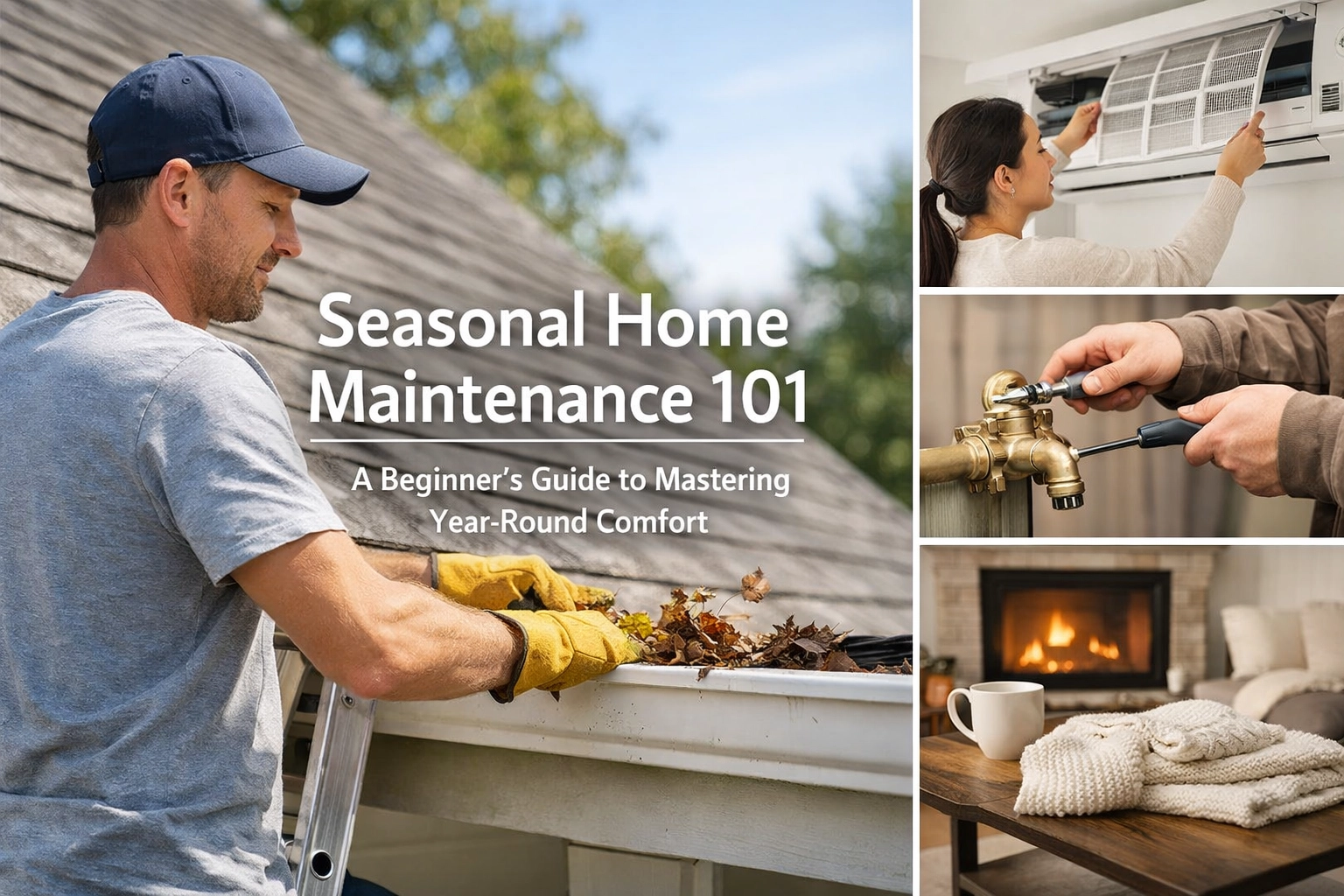
Maintaining a home is a continuous process that ensures the safety, efficiency, and longevity of the property. For a beginner, the sheer number of tasks can feel overwhelming. However, by breaking these responsibilities down into seasonal increments, the process becomes manageable and proactive rather than reactive. This guide provides a comprehensive roadmap for year-round home care, focusing on preserving comfort and preventing the high costs associated with deferred maintenance.
The Importance of Preventative Maintenance
A home is a complex assembly of systems: structural, mechanical, and electrical: that work together to provide shelter and comfort. Like any machine, these systems require regular attention. Ignoring a small leak in the spring can lead to structural rot and mold by autumn. Similarly, a neglected HVAC system works harder than necessary, increasing utility bills and shortening the equipment’s lifespan.
Proactive maintenance not only saves money but also enhances daily living. A well-maintained home remains at a consistent temperature, has better air quality, and functions smoothly. By following a structured seasonal schedule, homeowners can transition through the year with minimal stress and maximum reliability.
Spring: Recovery and Renewal
As the ground thaws and the days lengthen, spring maintenance focuses on assessing the damage caused by winter and preparing the home for the upcoming heat. March, April, and May are the ideal months to inspect the exterior and refresh internal systems.
Exterior Inspection and Gutter Care
Winter ice and snow can take a toll on a roof. Once the snow has cleared, a visual inspection of the roof from the ground using binoculars is a safe way to check for missing, cracked, or buckling shingles. Pay close attention to the flashing around chimneys and vents, as these are common points for leaks.
Gutters and downspouts are the primary defense against foundation water damage. Clear out all debris, such as leaves and twigs, that may have accumulated over the winter. After removing the bulk of the material, flush the gutters with a garden hose to ensure water flows freely to the downspouts. Ensure that downspout extensions direct water at least five feet away from the home’s foundation.
HVAC Preparation
Before the humidity of summer arrives, the air conditioning system needs attention. Replace the air filter to ensure maximum airflow and better indoor air quality. Check the outdoor condenser unit; remove any leaves, grass clippings, or debris that may have gathered around the base. A clear perimeter of at least two feet around the unit is recommended for optimal performance.
Foundation and Siding
Walk around the perimeter of the house and inspect the foundation for new cracks or signs of shifting. While small hairline cracks are common in many homes, any gap larger than a quarter-inch should be evaluated by a professional. Inspect the siding for any damage, peeling paint, or signs of wood rot. Repairing these issues early prevents moisture from penetrating the building envelope.

Summer: Efficiency and Outdoor Living
Summer maintenance is centered on keeping the home cool and ensuring that outdoor spaces are safe and functional. With higher temperatures and increased sun exposure, the focus shifts to efficiency and protection.
Deck and Patio Maintenance
Decks and patios are high-traffic areas during the summer. Inspect wooden decks for loose boards, protruding nails, or signs of rot. A simple “water test” can determine if a deck needs resealing: pour a small amount of water onto the wood. If it beads up, the seal is still effective. If it soaks in, it is time to clean and reseal the surface.
For those organizing outdoor gear or cleaning supplies for these tasks, utilizing a car-trunk-storage-bag-folding-car-utility-vehicle-trunk-storage-bag can help keep cleaning agents and tools organized and easily transportable from the garage to the yard.
Window and Door Seals
Heat gain through windows can significantly increase cooling costs. Inspect the caulking around the exterior of windows and doors. If the caulk is cracked or pulling away, remove it and apply a fresh bead of exterior-grade silicone caulk. Inside, check the weatherstripping. If you can see light through the edges of a closed door, cool air is escaping.
Pest Control
Summer is the peak season for insect activity. Inspect the perimeter of the home for ant trails, wasp nests, or signs of termites. Keeping vegetation trimmed back at least 12 inches from the house helps discourage pests from entering. Ensure that all window screens are free of holes; even a small tear can allow mosquitoes and flies to enter the living space.
Plumbing Systems
Check outdoor faucets and irrigation systems for leaks. A leaking hose bib can waste hundreds of gallons of water over a season. Additionally, inspect the washing machine hoses inside the home. High humidity and heat can sometimes stress older rubber hoses; if they appear cracked or bulged, replace them with braided stainless steel lines to prevent a potential indoor flood.
Fall: Strengthening the Envelope
Fall is arguably the most critical season for home maintenance. The goal is to “button up” the house before the first frost, ensuring that heat stays in and the elements stay out.
Heating System Tune-Up
Before the first cold snap, have the furnace or boiler professionally inspected. A technician can check for carbon monoxide leaks, clean the burners, and ensure the pilot light or ignition system is functioning safely. This is also the time to stock up on high-quality air filters. Changing filters every 30 to 90 days during the peak heating season keeps the system running efficiently.
Chimney and Fireplace
If the home has a wood-burning fireplace, a chimney sweep should inspect it annually. Creosote buildup is a leading cause of chimney fires. Ensure the damper opens and closes smoothly and that the chimney cap is in place to keep out birds and small animals.
Gutter Maintenance Redux
Once the leaves have finished falling, a second gutter cleaning is necessary. Clogged gutters in winter lead to ice dams, which can force water under the roof shingles and into the walls of the house. While cleaning, inspect the window wells and clear any debris to prevent basement flooding during heavy autumn rains.

Outdoor Faucet Winterization
To prevent pipes from bursting, disconnect all garden hoses and drain them. If the home is not equipped with frost-proof faucets, shut off the water valve inside the house and drain the exterior line. For extra protection, insulated foam covers can be placed over the outdoor spigots.
Winter: Interior Safety and Comfort
Winter maintenance is largely about monitoring systems and maintaining a safe indoor environment while the exterior is dormant.
Pipe Protection
In extremely cold weather, pipes located against exterior walls are at risk of freezing. Open cabinet doors under sinks to allow warm air to circulate around the plumbing. In cases of extreme temperature drops, letting a faucet drip slightly can prevent the pressure buildup that causes pipes to burst. Ensure everyone in the household knows where the main water shut-off valve is located in case of an emergency.
Indoor Air Quality and Safety
Since windows remain closed during the winter, indoor air quality can decline. Use this time to clean the exhaust fans in bathrooms and the kitchen range hood filter. For maintaining upholstery and winter clothing, a flying-branch-hair-ball-trimmer-rechargeable-sweater-shaving-hair is useful for removing lint and pilling that accumulates on fabrics during heavy use.
Safety devices are paramount. Test all smoke and carbon monoxide detectors. Batteries should be replaced at least once a year, and the units themselves should be replaced every ten years. Check the expiration date on fire extinguishers and ensure they are easily accessible in the kitchen and garage.
Attic and Insulation Check
On a cold day, check the attic for signs of moisture or “frosting” on the underside of the roof deck. This often indicates poor ventilation or air leaks from the living space below. Ensure that insulation is not blocking the soffit vents, as airflow is necessary to keep the roof cool and prevent ice dams.

Monthly Habits for a Healthy Home
While seasonal deep dives are essential, certain tasks should be performed monthly to maintain a baseline of cleanliness and order.
- Filter Inspections: Depending on the environment (pets, allergies, or construction), HVAC filters may need more frequent changes.
- Garbage Disposal Care: Grind ice cubes and lemon peels to sharpen blades and remove odors.
- Safety Tests: Briefly test the “test” button on smoke alarms and GFCI outlets (the ones with the small buttons in bathrooms and kitchens).
- Deep Cleaning Small Spaces: Use organizational tools to prevent clutter from becoming a fire hazard or hiding spot for pests. For small items or bathroom essentials, a the-desk-is-arranged-in-a-360-degree-rotating-cosmetic-receiving-box can keep surfaces clear and easy to wipe down.
Annual Professional Inspections
Even the most diligent DIY homeowner can benefit from professional expertise. There are three areas where a professional eye is invaluable:
- Electrical Audit: Every few years, have an electrician check the breaker panel for loose connections or signs of overheating.
- Structural Assessment: If the home is older, a structural engineer can verify that the foundation and load-bearing elements remain sound.
- Termite/Pest Inspection: Professional inspectors can find signs of wood-destroying organisms that are invisible to the untrained eye.
Essential Tools for the Maintenance Journey
To perform these tasks effectively, a basic toolkit is required. For a beginner, the following items are indispensable:
- A sturdy extension ladder: Essential for gutter and roof inspections.
- A cordless drill and bit set: For tightening deck boards and hardware.
- A multi-head screwdriver and pliers: For general repairs.
- A high-quality flashlight: Essential for inspecting dark corners of the attic or crawlspace. For reading manuals or labels in tight spots, a small bookmark-light-luminous-led-bookmark-lamp-creative-portable-small-night-light-simple-luminous-reading-bookmark can provide hands-free or low-profile illumination.
- Caulk gun and various sealants: For maintaining the home’s envelope.

Managing the Schedule
The best way to ensure these tasks are completed is to record them. A simple digital calendar with recurring reminders or a physical logbook kept in the utility room can help track when the furnace was last serviced or when the smoke alarm batteries were changed.
By treating home maintenance as a series of small, manageable events rather than a single monumental chore, homeowners can protect their investment and enjoy a higher quality of life. The comfort of a home is directly tied to the care it receives. Whether it is the peace of mind that comes from a clean chimney in winter or the efficiency of a well-tuned AC in summer, the effort put into seasonal maintenance pays dividends in both comfort and financial security.
Mastering these basics allows anyone to move from a passive inhabitant to an active steward of their living space. Over time, these tasks become second nature, and the home remains a reliable sanctuary throughout every season of the year. For more information on various home and lifestyle topics, browsing through the site categories can provide further insights into efficient living and home management.

