
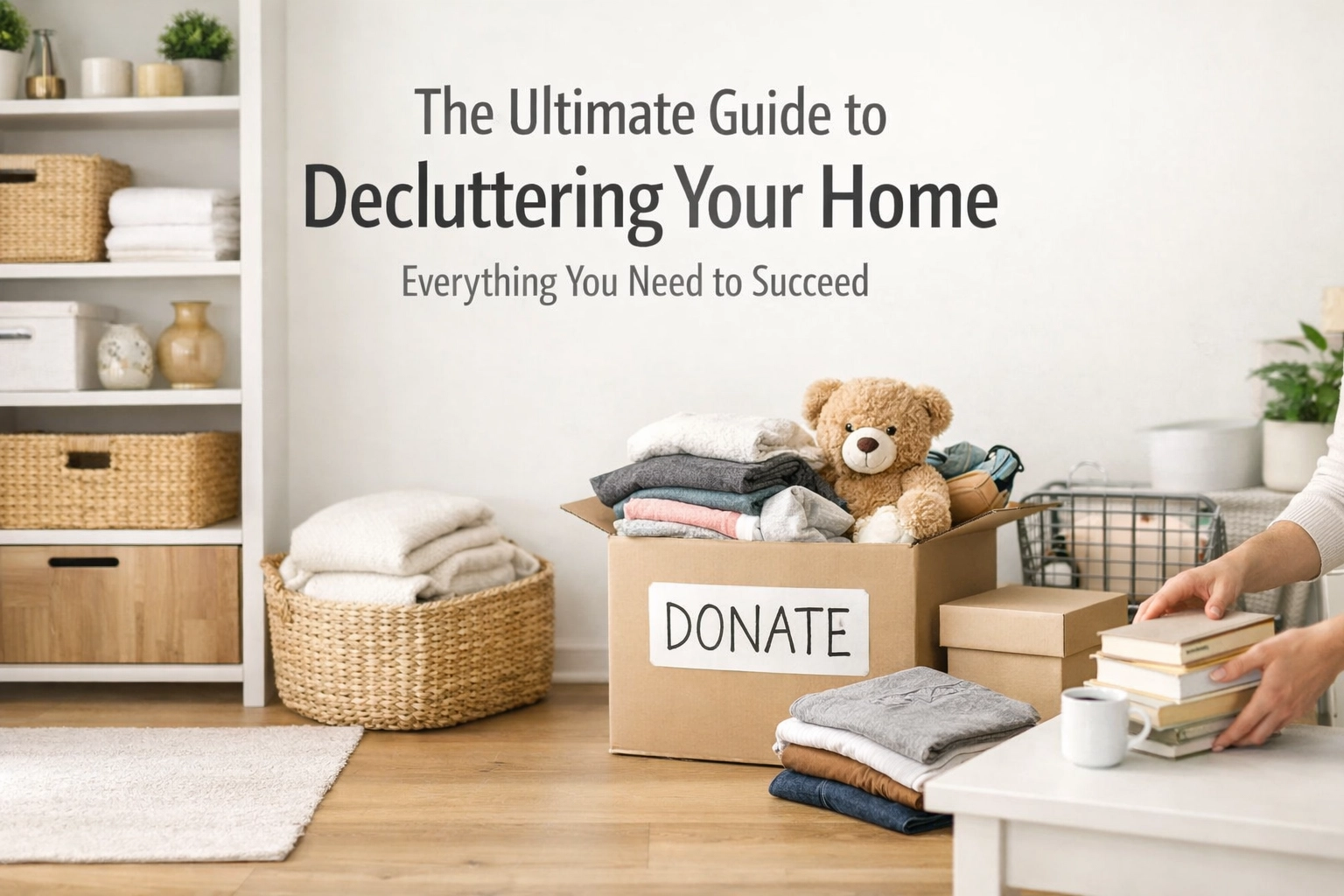
A home serves as a sanctuary, a place of rest, and a hub for daily activities. However, when physical items begin to overwhelm the living space, the home can transform from a place of peace into a source of stress. Decluttering is more than just a cleaning task; it is a systematic process of evaluating belongings and making intentional choices about what truly adds value to a life.
Creating an organized home requires a blend of strategy, patience, and the right tools. By understanding the principles of effective organization and following a structured room-by-room plan, any living space can be transformed into an efficient and aesthetically pleasing environment.
The Psychological Benefits of a Decluttered Space
Living in a cluttered environment often leads to a state of mental “noise.” Research indicates that physical clutter can compete for attention, leading to increased cognitive load and heightened stress levels. When a home is organized, the brain can focus more effectively on tasks and relaxation.
Efficiency is perhaps the most immediate benefit. Knowing exactly where items are located saves time and reduces the daily friction of searching for keys, documents, or kitchen tools. Furthermore, a clear space often translates to a clearer mind, fostering creativity and a sense of control over one’s environment.
Setting the Foundation: Preparation and Mindset
Before moving a single box, it is essential to establish a plan. Attempting to declutter an entire house in one afternoon is a common mistake that leads to burnout and half-finished projects.
Choosing a Realistic Timeline
Depending on the size of the home and the volume of items, a decluttering project might take a weekend, a month, or even a full season.
- The One-Month Sprint: This involves committing 30 minutes every day to a specific category or small area. This is ideal for those with busy schedules who want to maintain momentum.
- The Weekend Intensive: Best for those who prefer to see immediate, large-scale results. This requires clearing the calendar and focusing entirely on one or two major rooms.
- The Seasonal Approach: A slower method where one room is tackled every two weeks. This allows for deep reflection and more thorough organizing.
Gathering Essential Supplies
Having the right supplies on hand prevents interruptions. Prepare the following:
- Large cardboard boxes: Label these as “Donate,” “Sell,” and “Relocate.”
- Heavy-duty trash bags: For items that are broken beyond repair or unusable.
- Labeling tools: A simple label maker or permanent markers and masking tape.
- Cleaning supplies: As areas are cleared, dust and grime will be revealed; having a microfiber cloth and all-purpose cleaner nearby is practical.
Core Principles of Successful Decluttering
To ensure the process is effective and the results are lasting, several foundational principles should be applied throughout the home.
The “Pull Everything Out” Method
It is difficult to assess a space while items are still tucked away in drawers. Emptying a cabinet or closet completely allows for a full visual assessment of the volume of items. This “blank slate” approach also provides an opportunity to clean the interior of the storage-organization units before returning items to them.
The Power of Categorization
Always work by category rather than by location when possible. For example, gathering every pen in the house into one pile reveals the true extent of the collection, making it much easier to decide how many are actually necessary.
The 90/90 Rule
If an item has not been used in the last 90 days and will not be used in the next 90 days, it is likely clutter. While this doesn’t apply to seasonal items like winter coats or holiday decor, it is a helpful metric for kitchen gadgets, clothing, and hobby supplies.

A Room-by-Room Strategic Guide
Approaching a home systematically prevents the feeling of being overwhelmed. Starting with a high-traffic area, such as the entryway, provides an immediate sense of accomplishment.
The Entryway: Managing the First Impression
The entryway is the transition point between the outside world and the home. It often becomes a magnet for mail, shoes, and bags.
- Clear the Surfaces: Remove any items that do not belong in the entryway.
- Establish a Drop Zone: Use small trays or hooks for keys and frequently used items.
- Shoe Management: Limit the number of shoes kept by the door to one or two pairs per person. Store the rest in closets.
- Mail Sorting: Place a recycling bin near the door to immediately discard junk mail before it reaches the kitchen counter.
The Kitchen: Maximizing Functionality and Flow
The kitchen is often the most used room in the house. Efficiency here relies on clear countertops and logical placement.
- The Golden Triangle: Keep items used for cooking, cleaning, and food preparation in their respective zones.
- Countertop Clearance: Only appliances used daily, such as a coffee maker or toaster, should remain on the counter.
- Pantry Organization: Group similar items together: grains, canned goods, and snacks. Utilizing a fruit-organizer can keep perishables visible and accessible, reducing food waste.
- The “Junk” Drawer: Every kitchen has one, but it should be curated. Remove dead batteries, old menus, and broken rubber bands. Use small dividers to keep remaining essentials like tape and scissors in place.
The Living Room: Creating a Space for Relaxation
Living rooms often accumulate items that belong elsewhere, such as toys, books, and stray electronics.
- Surface Edit: Clear coffee tables and side tables of old magazines and excessive decor.
- Cable Management: Untangle and bundle cords for the television and lamps. Labeling them ensures that the correct cord is pulled when needed.
- Textile Rotation: Evaluate throw pillows and blankets. If they are worn or no longer suit the aesthetic, consider donating them.
- The Role of Furniture: Ensure furniture pieces are functional. A storage ottoman can provide a place to tuck away blankets while serving as seating.

Bedrooms and Closets: Personal Sanctuaries
The bedroom should be a place of rest, free from the visual clutter of laundry and unorganized closets.
- The Bed as a Focal Point: Making the bed daily sets a standard for the rest of the room.
- Closet Culling: Use the “reverse hanger” trick: turn all hangers backward. Once an item is worn and washed, return it with the hanger facing the correct way. After six months, any hangers still facing backward identify clothes that are not being worn.
- Seasonal Storage: Store out-of-season clothing in bins under the bed or on high shelves to free up prime closet space.
- The Vanity Area: Keep beauty products organized by frequency of use. A makeup-mirror and dedicated makeup-tool holders can prevent small items from scattering across the surface.
The Home Office: Enhancing Productivity
In an era of remote work, the home office can easily become a dumping ground for paperwork and tech gadgets.
- Paper Management: Categorize papers into “To Do,” “To File,” and “To Shred.” Transitioning to digital statements can significantly reduce physical clutter over time.
- Stationery Audit: Test all pens and markers, discarding those that are dried out. Keep only a small supply of stationery at the desk.
- Visual Calm: Use mirrors strategically to reflect light and make a small office feel more open and less cramped.

Advanced Organization: Storage Solutions and Systems
Once the unnecessary items have been removed, the remaining belongings need a permanent “home.” Effective storage is not about hiding clutter; it is about making items accessible.
Vertical Storage
When floor space is limited, look up. Wall-mounted shelving and high cabinets are excellent for items used less frequently. In small entryways or mudrooms, hooks are often more efficient than bins for managing bags and coats.
Clear Containers vs. Opaque Bins
- Clear Bins: These are best for items that need to be identified quickly, such as craft supplies, pantry staples, or children’s toys.
- Opaque Bins: These provide a cleaner visual look for items like extra linens or seasonal decor that might look messy through a clear container.
Natural Elements in Storage
Using planters or woven baskets can add a decorative touch to storage. A large planter can even be repurposed to hold umbrellas in an entryway or rolled-up yoga mats in a home gym, blending utility with style.

Addressing Sentimental Clutter
The most challenging items to declutter are those with emotional attachments. Whether it is a box of old greeting cards or a collection of heirlooms, sentimental clutter requires a different approach.
- The Photo Solution: If an item is being kept solely for the memory it triggers, consider taking a high-quality photograph of it and then letting the physical object go.
- The “Best of” Collection: Rather than keeping a whole set of a relative’s china that is never used, keep one or two pieces as a display and donate the rest.
- Give Items a New Life: Remind oneself that donating an item allows someone else to find value and use in it, rather than it sitting forgotten in an attic.
Maintenance: The Habit of Staying Organized
Decluttering is not a one-time event; it is a lifestyle. Without maintenance, clutter will slowly return.
The Daily Reset
Spend 10 to 15 minutes every evening returning items to their designated places. Clear the kitchen counters, fold the living room throw blankets, and put away shoes. This “reset” ensures that the next day starts with a clean slate.
The One-In-One-Out Rule
For every new item brought into the home, one item must leave. This is particularly effective for clothing, books, and kitchen gadgets. It forces a moment of reflection before every purchase, ensuring that the home’s volume of belongings remains stable.
Security and Accessibility
Organization also extends to home security and maintenance. Ensuring that a door-lock is functioning correctly and that keys are always in their designated “home” is part of a well-ordered environment. An organized home is a safer home, where exits are clear and essential tools are easy to find in an emergency.

The Ethics of Disposal: Where Do the Items Go?
The final step of the decluttering process is ensuring that items leave the home responsibly.
- Donation: Research local charities to see what items they currently need. Some organizations focus on professional clothing for job seekers, while others provide furniture to families in transition.
- Recycling: Textiles that are too worn for donation can often be recycled into insulation or cleaning rags. Electronic waste should be taken to specialized recycling centers to prevent hazardous materials from entering landfills.
- Selling: High-value items can be sold through online marketplaces. However, set a deadline. If an item hasn’t sold in two weeks, donate it to prevent it from becoming permanent clutter again.
Conclusion
The journey toward a decluttered home is a process of curation. By systematically evaluating belongings and implementing thoughtful storage solutions, a living space can be transformed into an environment that supports, rather than hinders, daily life. It is not about living in a perfectly empty house, but about surrounding oneself with items that serve a purpose or bring genuine joy. Through consistent habits and a strategic approach, a peaceful and organized home is achievable for everyone.

