
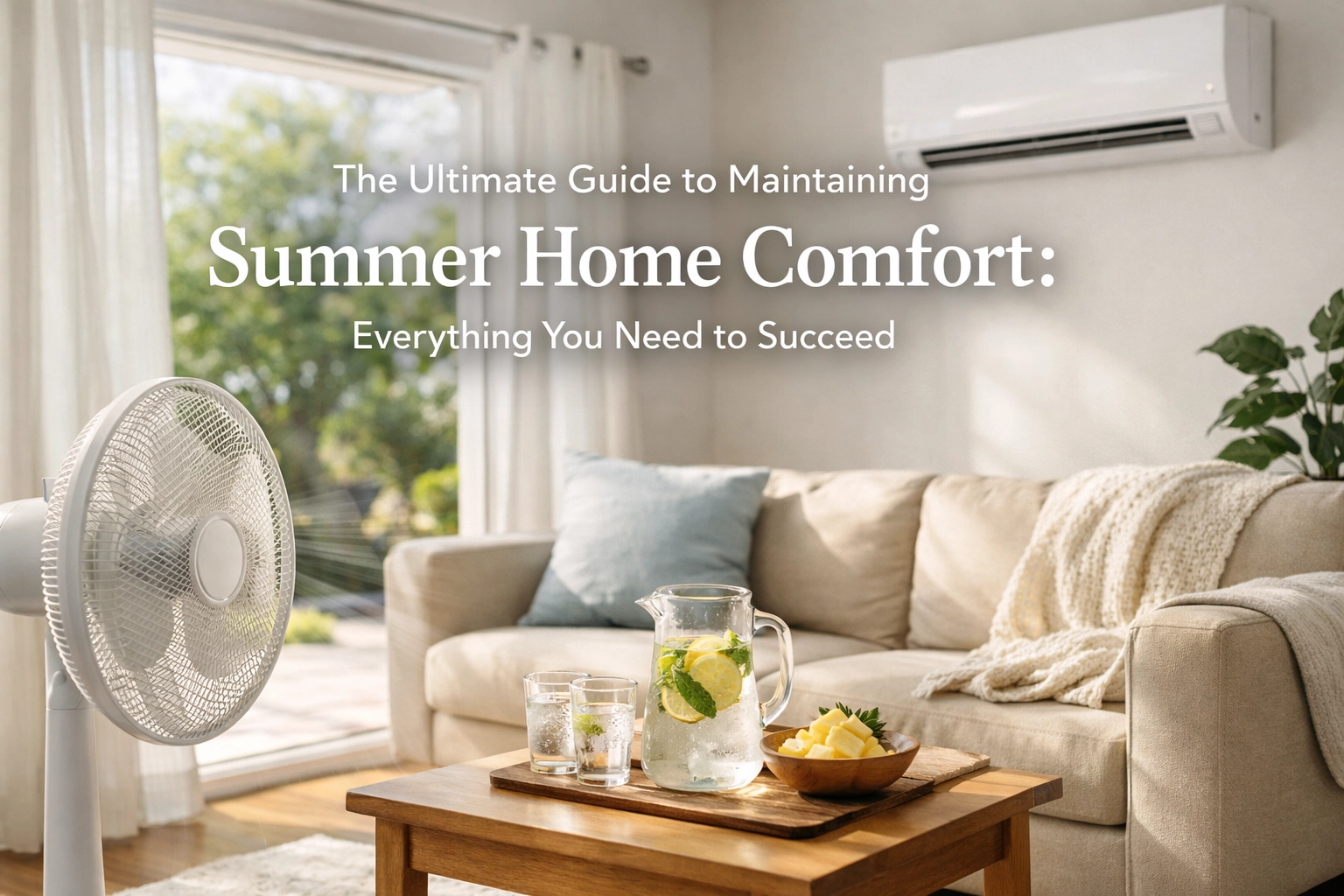
Maintaining a home during the summer months involves more than simply turning on the air conditioning. As temperatures rise and humidity levels fluctuate, the physical structure of a house and its internal systems face unique stresses. Achieving optimal comfort requires a proactive approach to maintenance, focusing on efficiency, protection, and climate control.
A well-maintained home remains cooler, uses less energy, and provides a healthier environment for its inhabitants. This guide explores the essential routines and technical adjustments necessary to ensure residential spaces remain functional and inviting throughout the warmest season of the year.
Optimizing Cooling Systems for Peak Performance
The air conditioning system is the primary defense against summer heat. Without regular attention, these units can lose efficiency, leading to higher utility costs and potential mechanical failure during the hottest days.
Air Filter Management
One of the simplest yet most effective maintenance tasks is the regular replacement of air filters. Over time, dust, pollen, and pet dander accumulate on the filter surface, restricting airflow. This causes the system to work harder to circulate air, which increases wear and tear. Filters should be inspected monthly and replaced every 30 to 90 days, depending on the household environment and the type of filter used. High-efficiency particulate air (HEPA) filters are particularly useful for those sensitive to seasonal allergens.
Condenser Unit Care
The outdoor portion of a central air conditioning system, known as the condenser, requires adequate airflow to dissipate heat effectively. Throughout the spring, debris such as leaves, twigs, and grass clippings can collect around the unit. It is vital to clear at least two feet of space around the condenser. Additionally, the metal fins on the unit can become clogged with dirt. Gently rinsing the fins with a garden hose can improve heat exchange, though high-pressure washers should be avoided as they can bend the delicate metal.
Professional Tune-Ups
While many tasks can be handled by a homeowner, an annual professional inspection is recommended. A technician can check refrigerant levels, tighten electrical connections, and lubricate moving parts. They can also inspect the condensate drain line for clogs, which can lead to water damage or indoor humidity issues if left unaddressed.

Strengthening the Home Envelope
The “envelope” of a home refers to the barrier between the interior and the exterior. If this barrier is compromised, cool air escapes and hot air infiltrates, rendering even the most efficient HVAC systems ineffective.
Sealing Air Leaks
Small gaps around windows and doors are common culprits for energy loss. Inspecting the perimeter of these openings is the first step. If light is visible through a closed door frame or a breeze is felt near a window sill, intervention is needed. Applying fresh caulk to stationary joints and installing new weatherstripping on moveable parts can significantly reduce the cooling load.
Attic Insulation and Ventilation
Heat often enters a home from the top down. In many residences, the attic can reach temperatures exceeding 140 degrees Fahrenheit on a sunny day. If attic insulation is insufficient, this heat radiates through the ceiling into the living spaces below. Ensuring that insulation meets modern standards for a specific climate zone is a long-term investment in comfort. Furthermore, proper attic ventilation: via soffit vents and ridge vents: allows trapped heat to escape, preventing the “oven effect” above the bedrooms.
Window Treatments and Solar Gain
Windows are a significant source of solar heat gain. Strategically managing how light enters the home can naturally lower the internal temperature. During the peak of the day, closing blinds, shades, or heavy curtains on south- and west-west-facing windows can block a substantial amount of radiant heat. For those seeking a permanent solution, applying reflective window films can reduce ultraviolet (UV) rays and heat without completely sacrificing the view.

Enhancing Natural Ventilation and Airflow
Relying solely on mechanical cooling can be expensive. Utilizing natural airflow and supplemental fans can create a more comfortable environment while reducing the reliance on the air conditioner.
The Science of Ceiling Fans
Ceiling fans do not actually lower the temperature of a room; instead, they create a wind-chill effect on the skin by accelerating the evaporation of moisture. To maximize this effect in the summer, fan blades should be set to rotate in a counter-clockwise direction. This pushes a column of air directly downward. It is important to remember that fans cool people, not rooms, so they should be turned off when a space is unoccupied to conserve electricity.
Strategic Cross-Ventilation
On milder summer evenings or during early mornings when the outside temperature is lower than the interior, cross-ventilation can be utilized. By opening windows on opposite sides of the house, a natural breeze can be encouraged to flow through the living spaces. Positioning a portable fan to blow air out of a window on the leeward side of the house can help pull cooler air in from windows on the windward side.
Exterior Maintenance and Structural Protection
Summer storms and intense UV radiation can take a toll on the exterior of a home. Regular maintenance prevents minor issues from becoming costly repairs.
Gutter and Downspout Inspection
While often associated with fall and spring, gutters remain critical in the summer. Sudden thunderstorms can drop a significant volume of water in a short period. If gutters are clogged with leftover spring debris, water can overflow, leading to soil erosion around the foundation or basement leaks. Ensuring that downspouts direct water at least five to ten feet away from the home’s base is essential for structural integrity. For more information on home safety and guidelines, visiting the terms and conditions page can provide insights into general property standards.
Roof Health
Extreme heat can cause roofing materials to expand and contract. Shingles may curl, crack, or lose their protective granules over time. A visual inspection from the ground using binoculars can reveal damaged areas that need attention before the next heavy rain. Early detection of roof wear is a key component of seasonal home care.
Siding and Deck Maintenance
The combination of humidity and heat can encourage the growth of mold or mildew on siding and wooden decks. Power washing these surfaces can restore their appearance and prevent the degradation of the material. After cleaning, wooden decks should be inspected for loose boards or protruding nails. Applying a fresh coat of sealant or stain every few years provides a vital barrier against UV damage and moisture absorption.

Lawn and Garden Care for a Resilient Property
The landscape surrounding a home affects its curb appeal and can even influence the local microclimate. A healthy lawn and garden contribute to a cooler environment through a process called transpiration.
Smart Watering Practices
To maintain a green lawn without wasting water, timing is critical. Watering in the early morning (before 10:00 AM) is the most efficient method, as it allows moisture to soak into the roots before the sun causes excessive evaporation. Evening watering should generally be avoided, as prolonged moisture on grass blades overnight can promote fungal diseases.
Mowing and Mulching
Adjusting the mower blade to a higher setting during the summer helps the grass develop deeper root systems and provides shade for the soil, reducing water loss. In garden beds, applying a two-to-three-inch layer of organic mulch: such as wood chips or shredded bark: is highly effective. Mulch suppresses weeds, regulates soil temperature, and retains moisture, ensuring that plants remain vibrant during heat waves.
Pest Management and Prevention
Summer is the peak season for many household pests. Inspecting the perimeter for gaps that might allow ants or rodents entry is a necessary preventative measure. Additionally, eliminate any sources of standing water: such as clogged gutters, empty flower pots, or birdbaths: to reduce mosquito breeding grounds. Keeping mulch and wood piles at least six inches away from the home’s foundation can also deter termites and other wood-destroying insects.

Managing Indoor Humidity and Air Quality
High humidity can make a warm room feel unbearable. Managing the moisture content of indoor air is just as important as managing the temperature.
Using Dehumidifiers
In many climates, the air conditioner acts as a primary dehumidifier. However, in particularly damp basements or during extremely humid days, a standalone dehumidifier can be beneficial. Maintaining indoor humidity levels between 30% and 50% is ideal for comfort and prevents the growth of allergens like mold and dust mites.
Exhaust Fans and Moisture Sources
Daily activities such as showering and cooking add significant amounts of moisture to the air. Using bathroom exhaust fans during and after showers and kitchen vents while boiling water can help expel this humid air before it spreads throughout the home. Ensuring these fans vent to the outside, rather than into an attic or crawlspace, is a critical technical detail for long-term home health.
Indoor Air Quality
Because homes are often kept closed up to retain cool air, indoor pollutants can accumulate. Regularly cleaning carpets, dusting surfaces, and ensuring that the HVAC system’s blower is functioning correctly helps maintain a healthy breathing environment. For those with specific questions regarding home health products, the frequently asked questions section may offer further clarity.
Enhancing Outdoor Living Spaces
Summer comfort isn’t limited to the indoors. Properly preparing patios, porches, and decks allows for the enjoyment of the outdoors even during the warmer months.
Furniture Maintenance
Outdoor furniture should be cleaned with mild soap and water to remove dust and pollen. If cushions are not waterproof, storing them in a deck box when not in use can prevent fading and mildew. Checking the stability of umbrellas and ensuring they are securely weighted is important for safety during windy summer afternoons.
Lighting and Ambiance
As the sun sets, outdoor lighting becomes essential for safety and comfort. Replacing burnt-out bulbs and cleaning solar light sensors ensures that walkways and social areas remain illuminated. LED string lights or path lights are energy-efficient options that add to the atmosphere of a summer evening.
Grill Safety and Preparation
Before hosting a summer gathering, the grill should be thoroughly cleaned and inspected. For gas grills, checking the hoses for leaks and ensuring the burners are clear of obstructions is a safety priority. For charcoal grills, removing old ash helps improve airflow and temperature control during cooking.

Preparing for Summer Weather Hazards
While the focus is often on heat, summer can also bring severe weather, including thunderstorms, high winds, and, in some regions, hurricanes.
Emergency Kits and Power Outages
High demand on the electrical grid or storm damage can lead to power outages. Maintaining an emergency kit with flashlights, extra batteries, a first-aid kit, and non-perishable food is a standard safety practice. Understanding how to manually open garage doors or operate a generator safely are skills every homeowner should possess.
Trimming Hazards
Trees with dead or overhanging branches pose a risk during summer storms. High winds can easily snap compromised limbs, leading to roof or window damage. Periodically inspecting the trees on the property and hiring a professional arborist to remove hazardous branches can prevent significant property loss.
Sump Pump Testing
For homes with basements, the sump pump is the primary defense against flooding during heavy downpours. Testing the pump by pouring water into the pit to ensure it triggers and successfully moves the water away from the foundation is a quick task that provides peace of mind before a storm hits.
Long-Term Maintenance and System Longevity
Consistent attention to a property throughout the summer ensures that systems do not have to work twice as hard to compensate for neglect. This proactive mindset extends the lifespan of appliances and structural components.
By following a structured maintenance routine, residents can enjoy a higher standard of living while potentially reducing the long-term costs associated with home ownership. For those interested in learning more about broader lifestyle topics and home management, browsing the blog offers a wealth of additional resources.
Maintaining home comfort is an ongoing process of observation and adjustment. From the precision of an HVAC tune-up to the simplicity of mulching a garden bed, every action contributes to a more resilient and comfortable living environment. As the seasons change, these habits form the foundation of a well-cared-for home that provides safety and sanctuary regardless of the temperature outside.
To learn more about the philosophy behind these guides and the commitment to quality information, the about page provides a deeper look into the mission of providing practical knowledge for everyday life. Staying informed and prepared is the ultimate strategy for mastering summer home comfort.

