
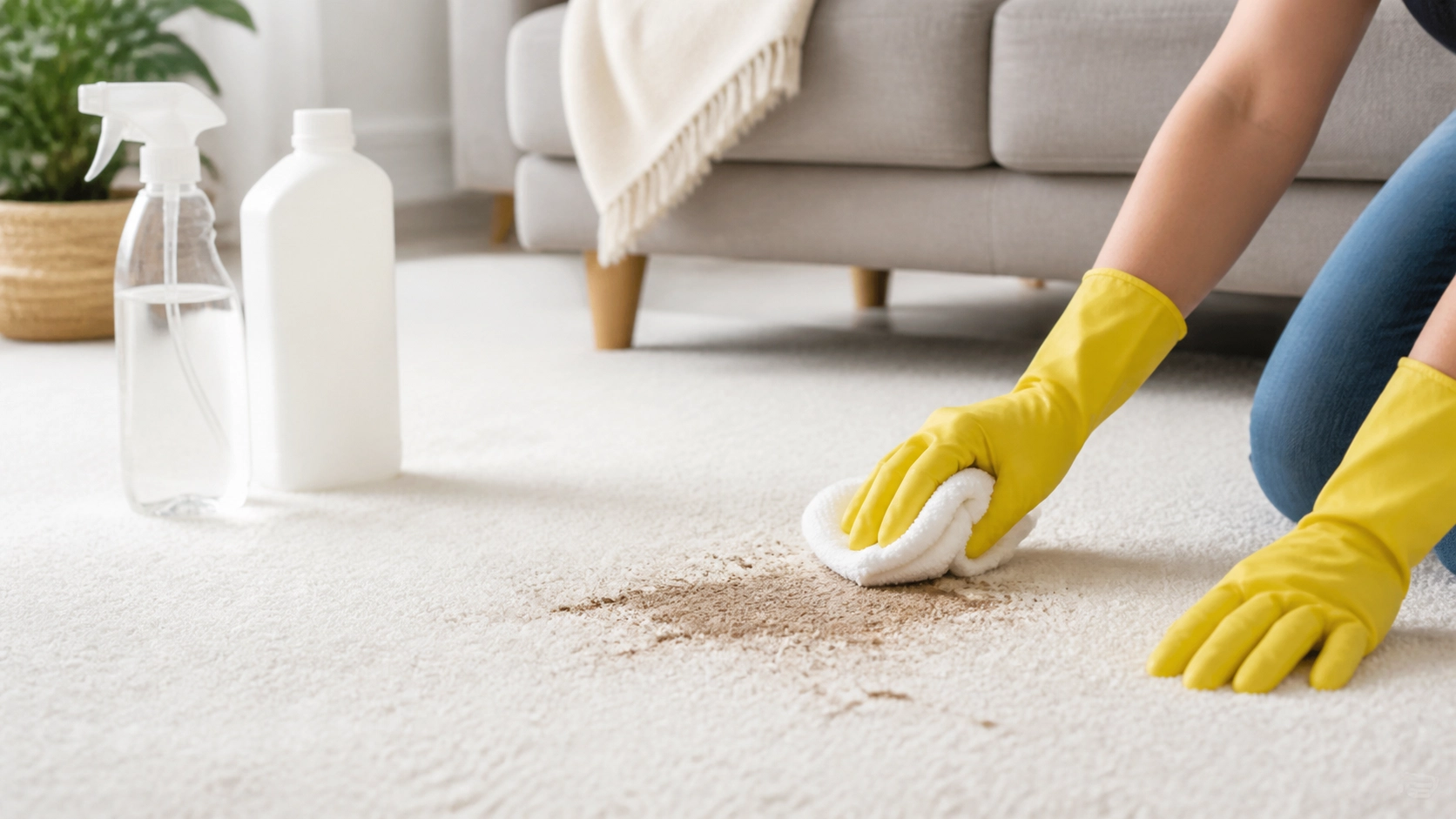
Maintaining the pristine condition of a carpet is one of the most challenging aspects of home care. Whether it is a luxury plush pile or a durable loop-pile Berber, carpets act as a magnet for spills, dust, and daily wear. When a spill occurs, the difference between a temporary inconvenience and a permanent blemish often comes down to the first sixty seconds of response time and the specific techniques employed.
This guide provides a comprehensive roadmap for addressing everything from common food spills to complex chemical stains. By understanding the science of carpet fibers and the appropriate chemical reactions needed to lift pigments and oils, any household can keep its flooring looking new for years.
The Science of Carpet Fibers
Before grabbing a cleaning solution, it is essential to understand what the carpet is made of. Most modern carpets fall into two categories: synthetic and natural.
Synthetic Fibers
Nylon, polyester, and triexta are the most common synthetic materials. They are generally engineered to be stain-resistant and can handle slightly more aggressive cleaning agents. Nylon is exceptionally durable and resilient, while polyester offers superior inherent stain resistance against water-based spills.
Natural Fibers
Wool and sisal are common natural fibers. Wool is luxurious and naturally flame-resistant, but it is highly sensitive to high-pH chemicals and excessive heat. Sisal and seagrass are plant-based and can be permanently damaged by water, requiring specialized dry-cleaning methods. Always check the manufacturer’s tag or perform a “burn test” on a hidden tuft if the material is unknown.
The Golden Rules of Stain Removal
Success in stain removal relies on a few non-negotiable principles. Ignoring these rules often leads to “blossoming,” where a small stain spreads into a much larger, permanent problem.
- Act Immediately: The longer a substance sits, the more likely it is to bond with the fiber or penetrate the carpet backing.
- Blot, Never Scrub: Scrubbing twists the carpet fibers, permanently damaging the “nap” and pushing the stain deeper into the secondary backing.
- Work Outside-In: Always begin cleaning at the edges of the spill and move toward the center to prevent the liquid from spreading.
- Test First: Before applying any solution, test it on a hidden area, such as inside a closet, to ensure it does not cause color bleeding or fiber degradation.
- Use White Cloths: Always use clean, white paper towels or microfiber cloths. Colored rags can transfer their own dyes onto the carpet, creating a second stain.

Building an Emergency Carpet Cleaning Kit
Having the right supplies on hand prevents the panic-driven use of inappropriate chemicals like bleach or harsh dish soaps that may contain dyes. A professional-grade home kit should include:
- White Vinegar: Excellent for neutralizing odors and cutting through alkaline stains.
- Clear Dish Soap: Ensure it is “clear” to avoid dye transfer. Use only a few drops per cup of water.
- Baking Soda and Cornstarch: Ideal for absorbing oils and moisture.
- Isopropyl Alcohol (70%): A powerful solvent for ink and grease.
- Hydrogen Peroxide (3%): A mild bleach alternative for organic stains (use with extreme caution on dark carpets).
- A Specialized Tool: Before deep cleaning, using a dust-removing-brush-multifunctional-brusher-for-large-double-sided-clothing can help lift dry particulates and surface hair that might otherwise turn into a muddy paste when wet.
Step-by-Step Guide for Specific Stains
Different substances require different chemical approaches. Using the wrong one can “set” the stain permanently.
Water-Based Spills (Soda, Fruit Juice, Mud)
These are the most common spills. Most fruit juices contain dyes that can act as a permanent tint if not removed quickly.
- Blot up as much liquid as possible.
- Mix one tablespoon of clear dish soap with one cup of lukewarm water.
- Apply the solution to a cloth and blot the area.
- Rinse by blotting with a cloth dipped in plain water to remove soap residue.
- For mud, let it dry completely first, then vacuum the dry clumps. Treating wet mud often spreads the pigment.
Protein-Based Stains (Blood, Dairy, Eggs)
Protein stains must never be treated with hot water, as heat “cooks” the protein and bonds it to the fiber.
- Use cold water only.
- Mix a small amount of dish soap with cold water and blot.
- If the stain persists, a mixture of one part ammonia to eight parts water can be used (avoid ammonia on wool).
- For blood, 3% hydrogen peroxide is highly effective. Dab a small amount on the spot; it will fizz as it breaks down the proteins. Blot immediately.
Oil and Grease (Butter, Gravy, Makeup)
Oils repel water, so standard soapy water often fails.
- Scrape off any solids with a blunt knife.
- Apply a solvent like isopropyl alcohol to a cloth and dab the spot.
- Alternatively, sprinkle cornstarch or baking soda over the area and let it sit for six hours to “wick” the oil out of the fibers.
- Vacuum the powder and treat any remaining pigment with a dish soap solution.
Tannin and Dye Stains (Coffee, Tea, Red Wine)
These are high-difficulty stains because they contain natural dyes.
- Coffee and Tea: Mix one tablespoon of white vinegar, one tablespoon of liquid dish soap, and two cups of warm water. The acidity of the vinegar helps break down the tannins.
- Red Wine: Blot the liquid immediately. If the stain remains, apply a mixture of dish soap and hydrogen peroxide (for light carpets) or use a dedicated “wine away” product. Some suggest pouring white wine or salt on red wine; while salt can absorb liquid, it can also act as a desiccant that makes the stain harder to remove later if not fully extracted.

Addressing Pet Accidents
Pet urine is a complex bio-stain. It starts as an acid but turns into a high-pH alkaline as it dries, creating ammonia. This is why the smell often lingers even after the spot looks clean.
To properly treat pet stains, an enzymatic cleaner is required. These cleaners contain bacteria that literally “eat” the organic matter.
- Blot up the moisture.
- Saturate the area with an enzymatic cleaner, ensuring it reaches the carpet pad.
- Cover the area with a damp white towel and let it sit for 24 to 48 hours. Keeping the area moist allows the enzymes to remain active.
- Air dry.
For recurring pet hair issues that settle deep into the fibers, a flying-branch-hair-ball-trimmer-rechargeable-sweater-shaving-hair can sometimes be used on localized areas of pilled or fuzzed carpet to restore a smoother appearance, though it should be tested on a small area first to ensure it does not thin the pile too much.
Solving Physical Carpet Damage
Stains are not the only issues that plague household carpets. Physical damage like burns, snags, and furniture dents can make a room look unkempt.
Repairing Furniture Dents
Heavy sofas and tables leave deep indentations in the carpet pile. To fix this, place an ice cube in the dent and let it melt. The moisture encourages the fibers to swell back to their original shape. Once dry, use the edge of a spoon to gently lift the fibers.
Fixing Small Burns
If a cigarette or spark from a fireplace singes the surface, the charred tips can be carefully snipped away with fine manicure scissors. If the burn goes deep, use a sharp utility knife to remove the damaged tufts. Apply a small amount of clear waterproof glue to the hole and insert “donor” fibers taken from a closet corner or a remnant piece.
Managing Pilling and Fuzzing
In high-traffic areas, some carpets (especially wool blends) may develop small balls of fluff known as pills. These should never be pulled, as it can cause a “run” in the carpet. Instead, use a pair of sharp scissors or a fabric shaver to trim them flush with the surface.

Layout and Placement Fixes
Sometimes the “stain” is actually localized fading or wear. To prevent uneven aesthetics in a room:
- Rotate Rugs: If using area rugs, rotate them 180 degrees every six months to ensure even wear and sun exposure.
- Use Protectors: In areas where food is frequently consumed, such as under a child’s high chair or during a temporary event, using a portable-ultra-thin-folding-camping-mat-pocket-waterproof-blanket-outdoor-picnic-mat-sand-beach-mat-70110cm can serve as an emergency “crumb catcher” that is easily wiped clean.
- Walk-off Mats: Place high-quality mats at every entrance to the home. Most carpet “stains” are actually just tracked-in soil that hasn’t been vacuumed.
Advanced Troubleshooting: Reappearing Stains
A common frustration is the “ghost stain” that disappears after cleaning only to return a few days later. This happens due to two reasons:
- Wicking: The stain traveled down into the carpet backing or pad. As the carpet dries, the moisture evaporates upward, carrying the deep-seated stain back to the surface. To prevent this, after cleaning, place a thick stack of white paper towels over the area and weigh it down with a heavy book. This ensures the “wicking” happens into the paper towel rather than the carpet tips.
- Residue: If too much soap was used and not properly rinsed, the sticky soap residue remains on the fiber. This residue attracts dirt like a magnet. The area isn’t technically “stained” again; it is simply getting dirty faster than the surrounding carpet. Rinse the area with a 50/50 water and vinegar solution to strip the soap.

Long-Term Maintenance for a Stain-Free Home
While spot-treating is necessary, it is not a substitute for a comprehensive maintenance schedule.
Professional Deep Cleaning
Experts recommend professional hot water extraction (steam cleaning) every 12 to 18 months. This process reaches the bottom of the pile and removes the oily soils that vacuuming misses. Skipping this can void the warranty on many new carpets.
Vacuuming Frequency
Vacuuming is the single most important thing a homeowner can do. High-traffic areas should be vacuumed daily, while the rest of the home should be done at least twice a week. This prevents dry soil from acting like sandpaper, which grinds away at the carpet fibers and makes them more porous and prone to permanent staining.
Air Quality and Humidity
High humidity can make carpets more susceptible to mold and mildew, especially if a spill isn’t dried quickly. Use a dehumidifier in basement areas and ensure that after any liquid cleaning, the carpet is dried within 24 hours using fans or open windows.

Summary of Treatment Steps
When faced with a spill, follow this summarized checklist:
- Identify the substance (Oil, Water, Protein, or Tannin).
- Blot up excess material immediately.
- Apply the specific neutralizer (Vinegar for coffee, Alcohol for grease, Cold water for blood).
- Blot from the outside in with a white cloth.
- Rinse with plain water to remove cleaning agents.
- Dry thoroughly using weighted paper towels to prevent wicking.
By treating the carpet with the same care as fine upholstery or clothing, it is possible to maintain a fresh, clean environment regardless of the accidents that inevitably occur in a busy household. Knowledge of the right tools and techniques transforms a potential disaster into a minor, manageable chore.

