
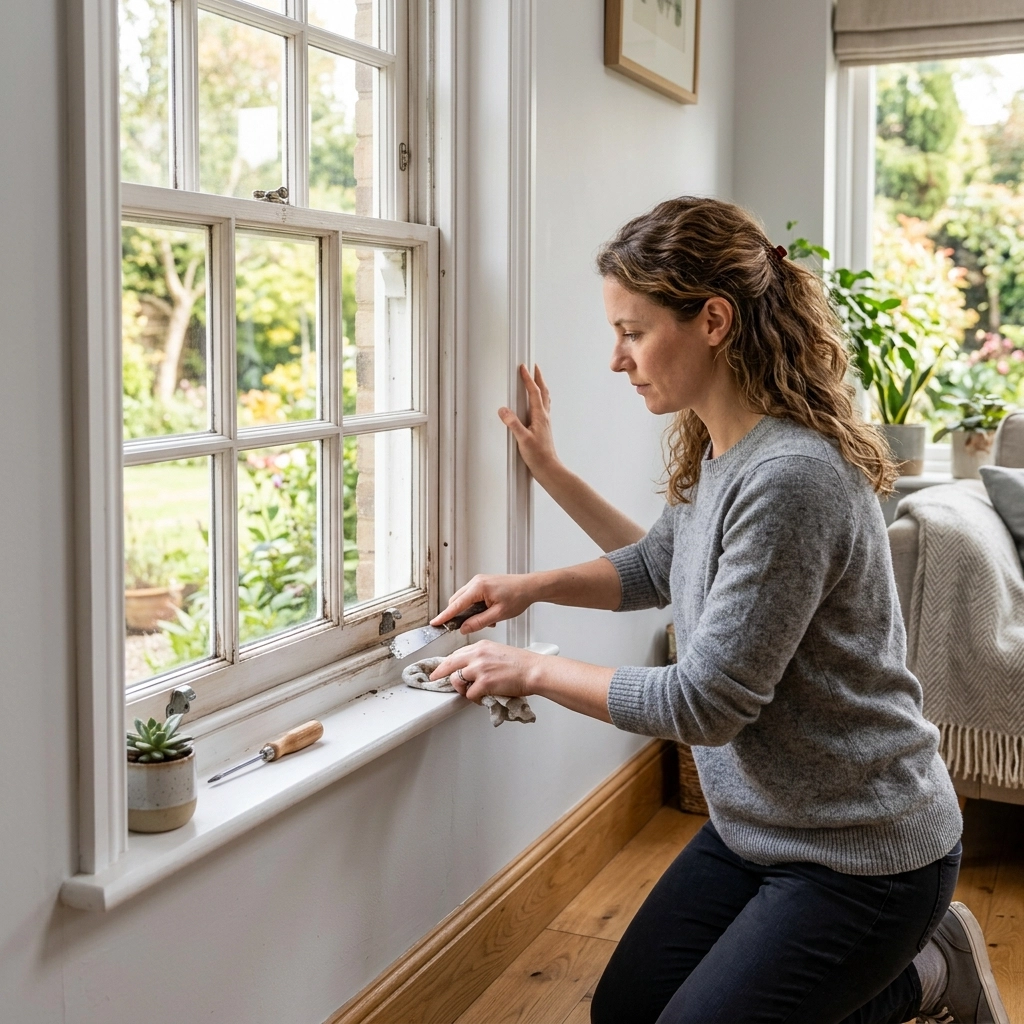
A window that refuses to budge is a common household frustration. Whether it is a beautiful summer day and the breeze is missing, or a safety concern requires a secondary exit, a stuck window is an issue that needs addressing. Most windows become difficult to operate due to age, lack of maintenance, or environmental factors. Understanding the mechanics of different window types: from double-hung and casement to sliding windows: is the first step toward a successful repair.
Repairing a window often requires minimal tools and a bit of patience. Before jumping into a full replacement, most issues can be resolved with a thorough cleaning, a bit of lubrication, or minor hardware adjustments. This guide explores the ten most common reasons windows get stuck and provides actionable steps to restore their functionality.
1. Accumulated Dirt, Dust, and Debris
The most frequent cause of a stuck window is simply a build-up of grime. Over time, dust, pollen, and pet hair settle into the tracks and channels of the window frame. When combined with moisture from condensation or rain, this debris turns into a sticky sludge that creates immense friction. This is particularly common in sliding windows and the lower tracks of double-hung windows.
To fix this, the window tracks must be thoroughly cleaned. Start by opening the window as much as possible. Use a vacuum with a narrow crevice tool to remove loose dirt. For deeper cleaning, a small, stiff-bristled brush is necessary to agitate the packed grime in the corners. Utilizing a dust-removing brush can help reach into tight crevices that standard cleaning cloths might miss. Once the loose debris is gone, wipe the tracks with a mixture of warm water and mild dish soap. Dry the area completely with a microfiber cloth to prevent new dust from sticking to damp surfaces.
2. Layers of Dried Paint
In older homes, or following a recent renovation, windows are frequently “painted shut.” This happens when a fresh coat of paint is applied to the window frame and sash, and the window is closed before the paint has fully cured. The paint acts as a powerful adhesive, bonding the moving sash to the stationary frame.

To release a window painted shut, a utility knife and a thin putty knife are required. Carefully run the utility knife along the seam where the sash meets the frame, cutting through the dried paint layer. This process is known as “scoring.” It is important to do this on both the interior and exterior sides of the window if possible. After scoring, gently insert a putty knife into the seam and tap it lightly with a hammer to break the seal. Work your way around the entire perimeter. Avoid prying too hard in one spot, as this can crack the wood or break the glass.
3. Wood Swelling Due to Humidity
Wooden window frames are organic and porous. They naturally absorb moisture from the air, especially in humid climates or during rainy seasons. When wood absorbs water, it expands. This expansion can cause the window sash to become too large for its frame, leading to a tight, “stuck” feeling.
If the window is only slightly stuck, waiting for a drier season may allow the wood to shrink back to its original size. However, for a more permanent fix, the edges of the sash may need to be sanded. Once the window is open, identify the areas where the wood is rubbing against the frame: these will often show signs of wear or shiny spots. Use a medium-grit sandpaper to remove a small amount of wood from these high points. After sanding, it is crucial to seal the bare wood with paint or varnish to prevent future moisture absorption.
4. Warped Vinyl or Aluminum Frames
While vinyl and aluminum do not swell like wood, they are susceptible to warping. Extreme heat can cause vinyl to distort, while physical impact or house settling can bend aluminum tracks. If a track is no longer perfectly straight, the window rollers or the sash itself will snag.
Inspecting the tracks with a straightedge or a level can help identify bends. In the case of aluminum, a block of wood and a rubber mallet can sometimes be used to gently tap a bent track back into alignment. For vinyl windows, severe warping often indicates that the material has reached the end of its lifespan or was improperly installed. In these instances, professional adjustment or sash replacement is usually the only viable solution.
5. Broken or Malfunctioning Hardware
Mechanical failure is a primary culprit for windows that won’t open, particularly for casement windows that rely on a crank mechanism. If the internal gears of the crank are stripped, the handle will turn, but the window will remain stationary. Similarly, if the locking mechanism is jammed or broken in the “locked” position, the window is effectively sealed.

To address hardware issues, begin by removing the crank handle or the lock plate to inspect the components. Check for loose screws; often, a handle feels “broken” simply because the set screw has backed out. If the gears are visibly stripped, the entire operator mechanism will need replacement. Fortunately, most window hardware is standardized and can be swapped out by unscrewing the old unit and installing a new one from a local hardware store.
6. Failed Window Balances
Double-hung windows use a balance system to counteract the weight of the sash, allowing it to stay open or move up and down with ease. Older windows use a cord-and-weight system tucked inside the wall, while modern windows use spiral, block-and-tackle, or constant force springs. If a cord snaps or a spring loses tension, the window will feel incredibly heavy and may seem “stuck” because the safety catches are engaging or the sash is sitting crookedly in the frame.
Accessing the balance system usually involves removing the sash or the side stops of the window frame. If a sash cord is broken, it can be replaced with a new nylon window rope. For modern spring-loaded balances, the entire cartridge usually needs to be replaced. Ensure the replacement balance matches the weight rating of the window sash to ensure smooth operation.
7. Foundation Shifting and Structural Movement
Houses are not static structures. Over time, foundations settle, and the framing of a house can shift. Even a slight movement in the wall studs can take a window frame out of “square.” When a frame becomes a parallelogram rather than a perfect rectangle, the square sash can no longer move freely within it.

You can check for squareness by measuring the window diagonally from corner to corner. If the two diagonal measurements differ by more than a quarter-inch, the frame is out of square. Fixing this is a more complex task. In some cases, adjusting the window shims behind the casing can help. In more extreme cases of foundation shift, the entire window unit may need to be reinstalled or the structural issue addressed by a professional contractor.
8. Lack of Proper Lubrication
Even a clean window can be difficult to open if there is too much friction between the moving parts. However, using the wrong type of lubricant can make the problem worse. Oils and greases tend to attract dust, which eventually creates the “sludge” mentioned in reason number one.
The best choice for windows is a dry silicone spray or a specialized PTFE lubricant. These provide a slick surface without the sticky residue. To apply, open the window and spray the lubricant onto a clean cloth, then wipe the tracks and the edges of the sash. For casement windows, apply a small amount of lithium grease only to the metal gears of the crank mechanism. Regularly lubricating windows as part of an annual maintenance routine can prevent them from ever becoming stuck.
9. Rust and Oxidation
In environments with high salt content (near the ocean) or high humidity, metal window components can rust or oxidize. Steel casement windows are particularly prone to rust, which can fuse the hinges or the sash to the frame. Aluminum windows can develop a white, powdery oxidation that creates a rough surface, increasing friction.

Rust can be removed using a wire brush or steel wool. Once the rust is gone, the metal should be treated with a rust-inhibiting primer and paint. For aluminum oxidation, a mixture of vinegar and water applied with a non-abrasive scrubbing pad can dissolve the build-up. After cleaning, applying a protective coating of car wax to aluminum tracks can help prevent future oxidation.
10. Engaged Safety Latches or Child Locks
Modern windows are equipped with various safety features designed to prevent accidental falls or unauthorized entry. These include “night latches” that allow the window to open only a few inches, or secondary security locks. If these are engaged: sometimes accidentally: the window will feel like it is hitting a solid wall after moving just a short distance.
Examine the sides of the sash for small plastic or metal tabs that can be pushed in or pulled out. On sliding windows, look for blocks in the tracks. Sometimes, after-market child safety locks are installed and forgotten. If you have recently moved into a new home, check for any hidden hardware that might be obstructing the path of the sash.
Essential Tools for Window Repair
Before attempting to fix a stuck window, gathering the right tools will make the process safer and more efficient.
- Utility Knife: Essential for scoring paint and cutting through old caulk.
- Putty Knife: A stiff-bladed putty knife helps break paint seals and pry gently.
- Rubber Mallet: Used for tapping the sash or frame without causing surface damage.
- Screwdriver Set: Necessary for removing hardware, cranks, and locks.
- Vacuum and Brushes: For removing debris from tracks.
- Silicone Lubricant: The preferred lubricant for tracks and slides.
- Sandpaper (80 and 120 grit): For smoothing wood that has swollen.
- Level and Tape Measure: To check if the window is square and level.
Safety Precautions During Repair
Working with windows involves glass and moving parts, so safety should always be a priority.
- Protect Your Hands: Wear sturdy work gloves, especially when prying or handling older windows where glass might be loose.
- Eye Protection: Use safety glasses when scraping paint or spraying lubricants.
- Don’t Force It: If a window is truly jammed, excessive force can shatter the glass. Always apply pressure evenly and slowly.
- Stable Footing: If you are working on a window from the outside, ensure your ladder is stable and on level ground.
- Secure the Sash: When working on double-hung windows with broken balances, ensure the sash is propped up securely with a block of wood so it doesn’t fall on your hands.
Long-Term Window Maintenance
To prevent windows from sticking in the future, a proactive maintenance schedule is recommended.
- Bi-Annual Cleaning: Clean the tracks every spring and fall. Use a vacuum to remove leaves and insects, and a damp cloth for dust.
- Inspect Seals: Check the weatherstripping for signs of wear. Damaged weatherstripping can get caught in the sash and cause sticking.
- Check Drainage Holes: Many windows have “weep holes” in the exterior frame to let water out. If these get clogged, water can back up and cause wood rot or swelling.
- Hardware Check: Tighten any loose screws on handles and locks. If a handle feels loose, address it before the internal gears strip.
- Moisture Control: In the winter, use a dehumidifier to keep indoor humidity levels between 30% and 50%. This prevents wood expansion and reduces condensation on the glass.

While a stuck window can be an annoyance, it is rarely a sign that you need a full replacement. By systematically checking for dirt, paint, hardware failure, and environmental factors, most homeowners can restore their windows to smooth operation. If the issue is related to the house foundation or significant structural rot, it may be time to consult a professional, but for the majority of cases, a little bit of cleaning and a drop of lubricant are all that is needed. Keep your tools organized and ready for home maintenance tasks in a car trunk storage bag if you frequently travel between properties or help friends with repairs. Taking care of these small issues today ensures your home remains comfortable and safe for years to come.

