
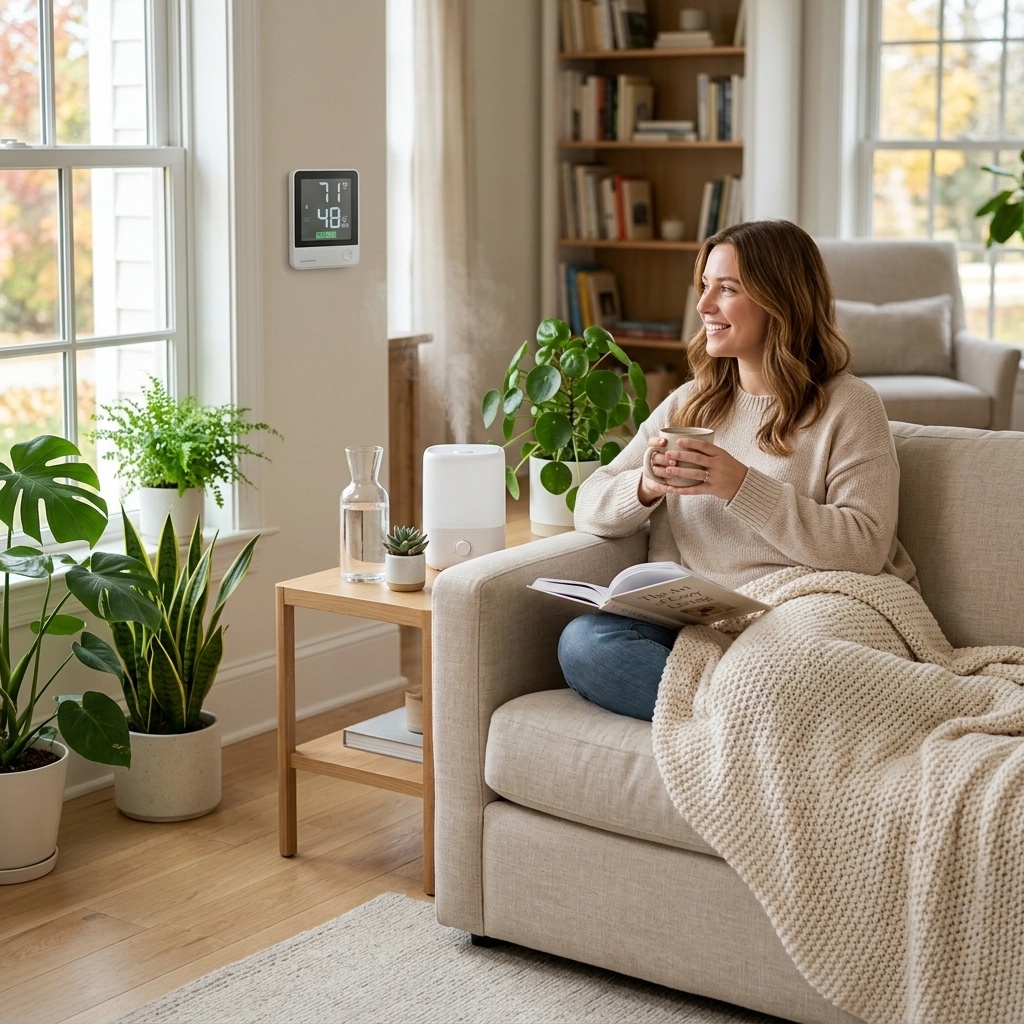
Maintaining the perfect balance of moisture in the air is one of the most overlooked aspects of home maintenance and personal comfort. While temperature often takes center stage in household climate control, humidity levels play a critical role in how that temperature is perceived by the human body and how a building’s structure reacts to the changing seasons. Achieving the ideal indoor environment requires a deep understanding of relative humidity (RH) and a proactive approach to managing the air as outdoor conditions fluctuate throughout the year.
The Science of Indoor Comfort: Understanding Relative Humidity
Relative humidity refers to the amount of water vapor present in the air relative to the maximum amount the air can hold at a specific temperature. Warm air has the capacity to hold significantly more moisture than cold air. This physical property explains why indoor air often feels parched during the winter months when heating systems warm up cold, dry air from the outside. Conversely, summer air can feel heavy and “muggier” because the warm atmosphere is saturated with water vapor.
For the average household, the “Goldilocks Zone” for humidity lies between 30% and 50%. Staying within this range ensures that the air is moist enough to prevent respiratory irritation and skin dryness, yet dry enough to inhibit the growth of mold, mildew, and dust mites. When humidity climbs above 60%, the environment becomes a breeding ground for allergens. When it drops below 30%, the air begins to draw moisture out of everything it touches, including human skin, wooden furniture, and musical instruments.

The Impact on Health and Well-being
Humidity levels directly correlate with physical health. In high-humidity environments, the body struggles to cool itself through evaporation. Since sweat cannot evaporate efficiently into air that is already saturated, the internal body temperature rises, leading to fatigue and discomfort. Furthermore, high moisture levels can exacerbate asthma and allergy symptoms by encouraging the proliferation of mold spores.
In low-humidity scenarios, common during harsh winters, the mucous membranes in the nose and throat can dry out. This reduces the body’s natural defense against airborne viruses and bacteria. Dry air also leads to itchy eyes, chapped lips, and flaky skin. For families with young children, maintaining a stable environment is even more critical. Using products like a baby sleep pad sleeping pillow can help provide comfort, but the ambient air quality remains the foundation of a restful night’s sleep.
Summer Management: Combatting Excess Moisture
During the summer, the primary goal is dehumidification. High outdoor temperatures often bring high humidity, especially in coastal or humid continental climates. Managing this requires a combination of mechanical intervention and lifestyle adjustments.
Leveraging the Air Conditioning System
A primary function of an air conditioning unit is to remove moisture from the air. As warm air passes over the cold evaporator coils, water vapor condenses into liquid and is drained away. However, an oversized AC unit can be counterproductive. If the unit is too powerful for the space, it will reach the target temperature too quickly and shut off before it has had enough time to properly dehumidify the air. This results in a room that feels “cold and clammy.”
To ensure the AC is working efficiently, homeowners should keep windows and doors closed. Opening a window even slightly allows a constant stream of humid air to enter, forcing the system to work harder. During peak summer heat, wearing lightweight clothing like summer shorts can help individuals stay cool while keeping the thermostat at a more energy-efficient setting.
The Role of Portable Dehumidifiers
In areas where the central AC isn’t sufficient: such as basements or laundry rooms: portable dehumidifiers are essential. These devices work by drawing in air, cooling it to condense the moisture, and then slightly reheating the air before releasing it back into the room. For maximum effectiveness, the water collection bucket must be emptied regularly, or a hose should be attached for continuous drainage.
Proper placement is key. Dehumidifiers should be placed away from walls and furniture to allow for unobstructed airflow. Monitoring the humidity with a dedicated hygrometer ensures that the device isn’t over-drying the space, which can be just as uncomfortable as too much moisture.

Winter Management: Adding Essential Moisture
The challenge shifts entirely when the temperature drops. Cold winter air holds very little moisture. When this air enters a home and is heated by a furnace, the relative humidity plummets, often reaching levels below 15%: drier than the Sahara Desert.
Implementing Humidifiers
To combat “winter air,” moisture must be actively added back into the environment. There are two main types of humidifiers:
- Evaporative Humidifiers: These use a fan to blow air through a moistened wick. They are self-regulating because as the humidity in the room rises, the rate of evaporation naturally slows down.
- Ultrasonic Humidifiers: These use high-frequency vibrations to create a fine mist. While quiet and efficient, they require the use of distilled water to prevent “white dust” (mineral deposits) from settling on furniture.
In a dry home, static electricity becomes a frequent nuisance. Not only can it cause uncomfortable shocks, but it also causes lint and hair to cling stubbornly to fabrics. Using a dust removing brush or a hair ball trimmer can help maintain the appearance of winter knitwear, but the root cause remains the lack of atmospheric moisture.
Protecting the Home’s Structure
Low humidity doesn’t just affect people; it affects the building itself. Wood is a hygroscopic material, meaning it absorbs and releases moisture. In the winter, wooden floorboards may shrink, leaving visible gaps. Crown molding might pull away from the ceiling, and musical instruments like pianos or guitars can go out of tune or even crack. Maintaining a consistent humidity level of at least 30% protects these investments and maintains the structural integrity of the home’s woodwork.
Transitional Seasons: The Art of Ventilation
Spring and autumn are transitional periods where humidity can be highly unpredictable. One day may be crisp and dry, while the next is rainy and humid. During these seasons, the best strategy is controlled ventilation.
Natural Airflow vs. Controlled Environments
When the outdoor humidity is within the 30-50% range, opening windows is the most efficient way to refresh indoor air. This “cross-ventilation” flushes out indoor pollutants and balances moisture levels naturally. However, it is vital to check the local weather report’s dew point rather than just the temperature. The dew point is a more accurate measure of how much moisture is actually in the air.
In the evening, as temperatures drop, moisture can condense on the inside of windows. This is a sign that the indoor humidity is too high relative to the outdoor temperature. Wiping down this condensation is necessary to prevent window sill rot and mold growth. Setting a pleasant ambiance with a scented candle can make these transitional evenings more comfortable, but the focus should remain on air circulation.

Room-Specific Humidity Strategies
Different areas of the home have different moisture profiles based on their usage and plumbing.
The Kitchen and Bathroom
These are the primary “moisture-producing” zones. Boiling water for pasta or taking a long, hot shower releases a massive amount of steam into the air.
- Action: Always use exhaust fans during and for at least 20 minutes after these activities.
- Tip: If no fan is available, cracking a window helps, though it is less efficient. Ensure that the bathroom rug and towels are spread out to dry rather than left in a damp heap.
The Bedroom
For optimal sleep, the bedroom should be slightly cooler and slightly more humid than the rest of the living space. Dry air can lead to snoring and congested sinuses. Many people find that running a small ultrasonic humidifier on a bedside table improves sleep quality significantly. Automation can make this easier; using a smart switch socket allows the humidifier to be scheduled to turn on an hour before bedtime and shut off automatically at sunrise.
The Basement and Storage Areas
Basements are naturally cooler and more prone to dampness due to their contact with the surrounding earth. High humidity in storage areas can ruin seasonal items, clothing, and documents. Utilizing a car trunk storage bag for organizing items is a good start, but ensure the storage environment itself is kept below 50% RH to prevent musty odors.
Advanced Strategies for Year-Round Balance
For those looking to move beyond portable units, several long-term investments can simplify humidity management.
Whole-House Humidifiers and Dehumidifiers
These units are installed directly into the HVAC ductwork. A whole-house humidifier is plumbed into the water line and adds moisture to the air as it is heated and circulated. A whole-house dehumidifier works similarly but removes moisture before the air reaches the vents. These systems are managed by a “humidistat,” which functions like a thermostat but for moisture levels. This provides a “set it and forget it” solution for year-round comfort.
Improving the Thermal Envelope
Moisture issues are often exacerbated by poor insulation or air leaks. If a home “leaks” air, it is constantly losing its conditioned (humidified or dehumidified) air to the outside. Sealing gaps around windows and doors, adding attic insulation, and ensuring the crawl space has a proper vapor barrier are essential steps in creating a stable indoor climate.
When the home is properly sealed, the HVAC system can maintain humidity levels much more efficiently, leading to lower utility bills and increased comfort. Even small steps, like using a portable folding mat during outdoor activities to prevent tracking in mud and moisture, contribute to a cleaner, drier indoor environment.

Lifestyle Adjustments for Moisture Control
Beyond machines, daily habits influence the “wetness” of a home.
- Indoor Plants: Plants release moisture through a process called transpiration. While a few plants are fine, a “jungle” of indoor greenery can significantly raise humidity levels in a small room. Conversely, in the winter, plants can act as natural, low-level humidifiers.
- Drying Clothes: Hanging wet laundry to dry indoors is a major source of humidity. In the winter, this can be a helpful way to add moisture to the air. In the summer, it contributes to a muggy environment and should be avoided.
- Cooking Habits: Covering pots and pans while cooking keeps the steam inside the vessel rather than releasing it into the kitchen.
- Basement Sealing: Ensure that gutters are directed away from the house foundation to prevent ground moisture from seeping into the basement walls.
Monitoring with Precision
The only way to truly know if a home is at the right humidity level is to measure it. Digital hygrometers are inexpensive and provide real-time data on both temperature and RH. It is recommended to place one on each floor of the home, as heat and moisture rise.
If a household member struggles with health issues, such as hypertension, maintaining a stress-free environment is paramount. While tools like an electronic blood pressure monitor help track health metrics, the surrounding air quality serves as the foundation for physical ease.

Summary of Seasonal Actions
To maintain maximum comfort, a seasonal checklist is an effective tool:
Spring:
- Clean or replace AC filters.
- Check for any window seal failures.
- Begin monitoring for rising humidity as the ground thaws.
Summer:
- Set the dehumidifier to 45-50%.
- Use exhaust fans in the kitchen and bath religiously.
- Keep windows closed during hot, humid days.
Fall:
- Service the furnace and the whole-house humidifier.
- Check for air leaks around doors that might let in cold, dry air.
- Clean out gutters to prevent moisture buildup near the foundation.
Winter:
- Set the humidifier to 30-35% (slightly lower if window condensation occurs).
- Monitor for signs of dry air (static, dry skin).
- Ensure air circulation is sufficient to prevent cold spots where mold could grow.
By treating humidity as a dynamic element of the home environment, rather than a static one, it is possible to create a living space that feels comfortable regardless of the weather outside. Whether it is the height of a humid July or the depths of a frozen January, the right balance of moisture protects the home, supports health, and enhances the overall quality of daily life.

