
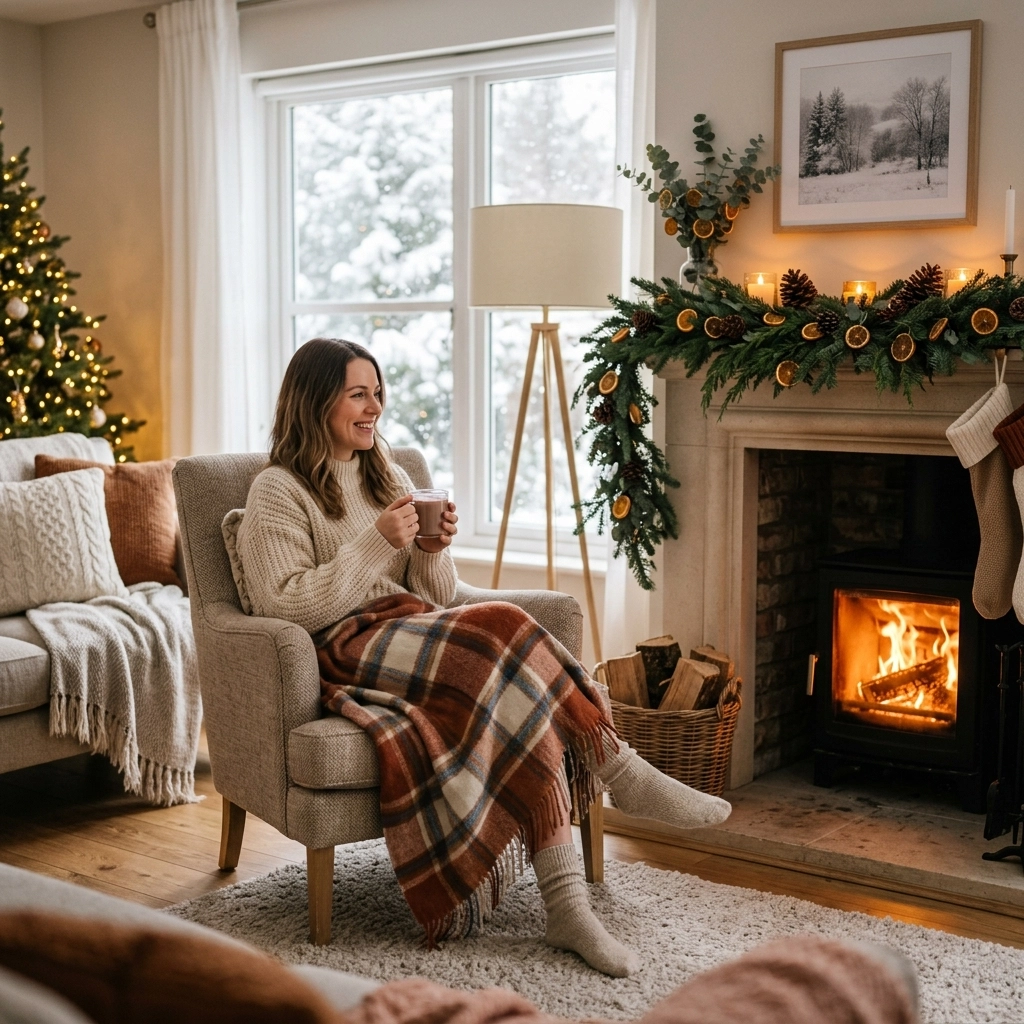
As the daylight hours shorten and the temperatures begin to drop, the home becomes more than just a place to reside; it turns into a sanctuary against the elements. Transitioning interior spaces for the winter season is a practical necessity that enhances comfort and emotional well-being. This guide provides a comprehensive, five-step framework to shift your home’s atmosphere from the vibrant energy of autumn to the serene, grounded warmth of winter.
Step 1: The Systematic De-Clutter and Seasonal Storage
The transition to a winter home begins with a clean slate. Before adding the layers that define winter comfort, it is essential to remove the remnants of previous seasons. This process is not merely about tidying up; it is about resetting the visual and physical energy of each room.
Systematic Removal
The most efficient way to approach this is room by room, moving in a clockwise direction. Start by identifying items that are strictly seasonal. This includes autumn-themed items like decorative pumpkins, dried corn husks, and floral arrangements in rust and orange tones. If holiday decorations are still present, evaluate which ones feel “festive” versus which ones feel “wintry.” Items that are tied specifically to a holiday date should be retired, while neutral elements like white lights or evergreen motifs can often stay.
Cleaning the Foundation
Once surfaces are clear, a deep clean is necessary. Winter often involves spending more time indoors, which means indoor air quality and surface cleanliness become more noticeable. Dusting ceiling fans, wiping down baseboards, and vacuuming upholstery creates a fresh environment for the new layers of decor. Pay special attention to windows; maximizing the limited winter sunlight is easier when glass is free of streaks and grime.
Strategic Storage
Investing in high-quality storage solutions ensures that decor remains in good condition for the following year. Use clear, stackable bins and label them by room and season. For delicate fabrics or linens used in the summer and fall, consider breathable storage bags to prevent mustiness. Organizing these items properly now saves significant time when the seasons shift again. For more tips on home management, the Paris Wheel blog offers various resources on lifestyle organization.
Step 2: Incorporate Natural Elements and Greenery
Winter decor often relies heavily on the “outside-in” philosophy. Since the natural world is dormant, bringing living or preserved elements indoors provides a necessary connection to nature that can boost mood and air quality.
Selecting the Right Greenery
Evergreens are the standard for winter for a reason, they represent resilience and life during the coldest months. Pine, fir, cedar, and spruce offer varying textures and scents. For a more modern or minimalist look, consider eucalyptus or olive branches. These provide a muted, silvery-green palette that fits perfectly with a neutral winter theme.
Creative Placement
Greenery does not have to be limited to a single vase.
- Mantels and Shelves: Drape cedar or pine garlands across focal points. Allow the ends to hang naturally for a relaxed, organic feel.
- Entryways: A simple wreath on the interior of the front door or a small potted evergreen in the foyer sets an immediate tone of warmth.
- Windows: Hanging small wreaths or sprigs of greenery in windows catches the light and adds a layer of depth to the room.

Maintenance of Natural Decor
If using fresh greenery, remember that indoor heating systems are incredibly drying. To keep branches looking vibrant, mist them regularly with water or use a floral sealant spray. For those who prefer longevity without the maintenance, high-quality “real-touch” faux greenery is a viable alternative. These items can be found in many specialty shops and are a one-time investment for years of winter use.
Step 3: Transition Textiles for Maximum Tactile Warmth
The most significant physical change in a winter home comes from the textiles. This step focuses on “visual weight” and physical insulation. Switching out lightweight linens and cottons for heavier, denser fabrics is the fastest way to make a room feel cozy.
Layering the Living Room
The living room is often the heart of winter relaxation. To transition this space:
- Swap Throw Pillows: Replace linen or silk pillow covers with velvet, wool, or faux fur. Choose inserts that are slightly larger than the covers to create a plush, overstuffed appearance.
- The Multi-Blanket Approach: Instead of one thin throw, layer multiple blankets. A chunky knit throw paired with a soft fleece or weighted blanket provides both aesthetic depth and practical warmth.
- Floor Comfort: If your floors are hardwood or tile, consider layering a smaller, high-pile rug (like a sheepskin or shag) over your existing area rug. This adds an extra layer of insulation against the cold floor.
The Winter Sanctuary: The Bedroom
Sleep quality is heavily influenced by the bedroom environment. As temperatures drop, your bedding should adapt.
- Sheet Selection: Flannel sheets are a winter staple for their ability to trap heat. If flannel feels too heavy, a high-thread-count brushed cotton offers a similar softness with more breathability.
- Duvet Weights: Consider switching to a higher-tog (thermal overall grade) duvet. A heavy down or down-alternative comforter provides the “tucked-in” feeling that is highly conducive to winter rest.
- Textured Bed Runners: A faux fur or heavy wool runner at the foot of the bed adds a hotel-like luxury while keeping feet warm.

Functional Textiles in the Kitchen and Bath
Don’t overlook the functional rooms. In the kitchen, replace thin dish towels with thicker, absorbent cotton weaves in darker tones. In the bathroom, swap out standard towels for oversized, high-gsm (grams per square meter) towels that mimic a spa experience. A plush bath mat is also essential for stepping out of a hot shower onto a cold floor.
Step 4: Establish a Sophisticated Neutral Color Palette
Winter decor is most effective when it leans into the natural palette of the season. Rather than the bright reds and greens of the holidays, a transitional winter home focuses on “winter neutrals” that feel calm and sophisticated.
The Power of White and Cream
Using varying shades of white, from stark snow white to warm cream and ivory, creates a “monochromatic” depth. This palette reflects whatever light is available, making spaces feel larger and brighter even on overcast days. Use these tones in your larger pieces, such as slipcovers, curtains, and large-scale art.
Accent Tones from Nature
To prevent a neutral room from feeling flat, introduce accent colors found in the winter landscape:
- Forest Greens and Deep Blues: These colors provide a grounding effect and mimic the hues of evergreen forests and twilight skies.
- Metallics: Silver, gold, and copper add a touch of “frost” and help bounce light around the room. Use these sparingly in picture frames, candle holders, or tray accents.
- Wood Tones: Natural wood, especially raw or weathered finishes, adds essential warmth to a cool-toned room.
Visual Balance
When applying your color palette, follow the 60-30-10 rule. 60% of the room should be your primary neutral (e.g., cream), 30% a secondary tone (e.g., soft gray or wood), and 10% an accent color (e.g., navy or forest green). This ensures the room feels cohesive rather than cluttered. For those looking to learn more about the principles of design, checking out the About page at Paris Wheel can provide insight into the company’s educational focus.
Step 5: Master the Art of Winter Lighting and Scent
The final step in creating a cozy atmosphere involves the senses that are often overlooked: sight (specifically light quality) and smell. Because winter days are dark, the way you light your home becomes the most important factor in its “mood.”
Layered Lighting Schemes
Avoid using overhead “big lights” in the evening. Instead, create a layered lighting plan:
- Ambient Lighting: Use floor lamps with warm-toned bulbs (2700K to 3000K). Avoid “daylight” or “cool white” bulbs, which can feel clinical and cold in a winter setting.
- Task Lighting: Small table lamps on side tables or desks create intimate pools of light that make a large room feel more manageable.
- Accent Lighting: Fairy lights or “twinkle lights” aren’t just for Christmas. Stringing them inside a glass cloche or along a bookshelf provides a subtle, magical glow that lasts all winter.

The Role of Candles
Candles provide both light and movement. The flickering flame of a candle has a primal calming effect. If safety is a concern, high-quality LED flameless candles with moving “flames” offer a similar effect. Group candles in odd numbers (three or five) on coffee tables or mantels to create a focal point.
Scenting the Season
Scent is the most powerful memory trigger. To make a home feel truly like a winter retreat, use scents that evoke the season.
- Natural Scents: Pine, cedarwood, and sandalwood provide an earthy, grounded atmosphere.
- Kitchen Scents: Cinnamon, clove, orange peel, and vanilla create a sense of nostalgia and warmth.
- Stovetop Simmers: For a chemical-free way to scent the home, simmer a pot of water with sliced oranges, cinnamon sticks, and cranberries.
Room-by-Room Guide for Winter Transitioning
While the five steps above provide a general framework, each room has specific needs to consider during the seasonal shift.
The Entryway and Mudroom
The entryway is the transition point between the harsh outdoors and the warm indoors. It must be functional yet welcoming.
- Rug Durability: Swap out decorative mats for heavy-duty, water-absorbent rugs that can handle snow and slush.
- Organization: Ensure there is a dedicated space for wet boots, heavy coats, and winter accessories like scarves and hats. Using wicker baskets for storage adds a nice natural texture.
- Seating: If space allows, a small bench provides a place to sit while changing footwear, which is a subtle but important comfort.
The Kitchen: The Winter Hub
In winter, the kitchen often shifts from a place of quick meals to a place of slow cooking and warm beverages.
- Hot Beverage Station: Dedicate a corner of your counter to a coffee, tea, or cocoa station. Display mugs on a tiered tray and keep seasonal spices like nutmeg or cinnamon easily accessible.
- Warm Displays: Use wooden bowls to display seasonal fruit like pears or pomegranates.
- Textiles: Use quilted placemats and fabric napkins to add softness to hard kitchen surfaces.
The Home Office: Productivity in the Cold
Working from home during winter can feel isolating if the space is cold.
- Ergonomic Warmth: Add a heated throw or a small space heater to keep the area comfortable without heating the whole house.
- Natural Light: Position your desk as close to a window as possible to capture the limited vitamin D available during work hours.
- Greenery: A small desk plant can help improve air quality and provide a visual break from digital screens.

The Bathroom: A Private Spa
Winter is the ideal time to turn the bathroom into a place of restoration.
- Warm Wood Accents: A bamboo or teak bathtub tray provides a warm surface for books or candles during a soak.
- Plushness: Ensure your bathrobe and slippers are easily accessible and made of high-quality, insulating materials.
- Scent: Use eucalyptus oil in the shower to create a clearing, refreshing steam.
Practical Tips for Maintaining the Winter Atmosphere
Transitioning your home is the first step, but maintaining that “cozy” feeling through the long months of January and February requires a bit of effort.
Managing Air Quality
Because windows remain closed, indoor air can become stagnant. Use an air purifier and consider a humidifier. Winter air is notoriously dry, which can affect your skin, hair, and even your wooden furniture. Keeping humidity levels between 30% and 50% is ideal for comfort.
The “One-In, One-Out” Rule
As the season progresses, it is easy for clutter to accumulate, especially with winter gear and blankets. To maintain the serene atmosphere you’ve created, adopt a policy where for every new decorative item brought in, one is stored away or donated.
Embracing the “Slow” Lifestyle
The aesthetic of a winter home is ultimately a reflection of a slower pace of life. Take the time to actually use the spaces you have created. Sit in the chair with the chunky knit blanket, light the candles during dinner, and enjoy the sanctuary you have built.
For those interested in ongoing updates and tips on lifestyle and home learning, signing up for the Paris Wheel newsletter is an excellent way to stay informed.
Summary Checklist for Your Winter Transition
To ensure no detail is missed, use this quick checklist as you move through your home:
- Step 1: Pack away autumn decor, deep clean surfaces, and organize seasonal storage bins.
- Step 2: Add fresh or high-quality faux greenery to mantels, doors, and tabletops.
- Step 3: Swap summer linens for flannel sheets, velvet pillows, and heavy wool throws.
- Step 4: Simplify the color palette to whites, creams, and natural wood tones with metallic accents.
- Step 5: Replace cool-toned light bulbs with warm ones, add candles, and introduce seasonal scents.
By focusing on these five foundational steps, any home can be transformed into a warm, inviting, and practical retreat that celebrates the unique beauty of the winter season. For further assistance or specific inquiries regarding our resources, please visit the Customer Help page or Contact Us.

