
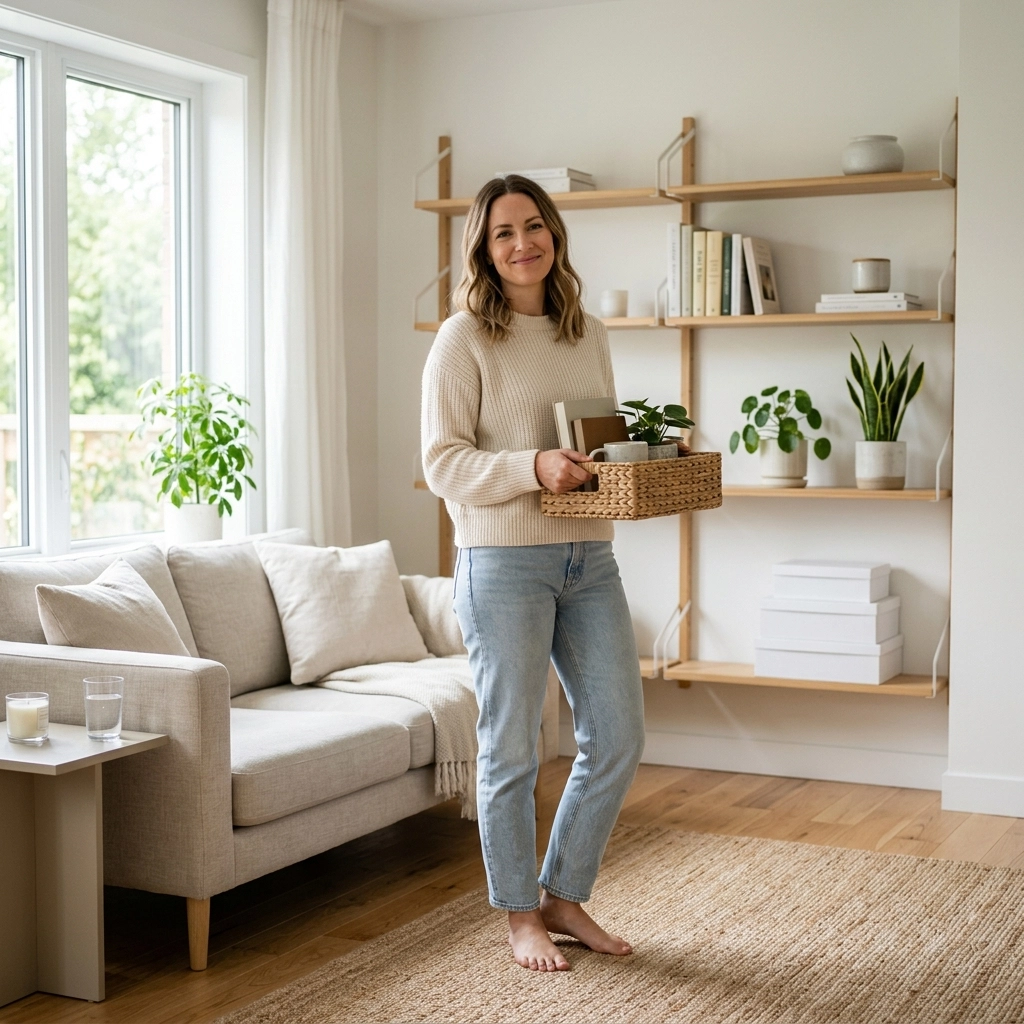
A cluttered home often leads to a cluttered mind. Physical objects carry weight beyond their physical dimensions; they occupy mental real estate and visual space, contributing to a sense of being overwhelmed. Achieving a streamlined, organized home is not just about aesthetics: it is about creating an environment that supports productivity, relaxation, and overall well-being. This guide provides a comprehensive roadmap for transforming a chaotic living space into a functional sanctuary through proven decluttering strategies and practical storage solutions.
The Psychological Impact of Clutter
Clutter is rarely just about the items themselves. It is often a physical manifestation of indecision, procrastination, or emotional attachment. Research suggests that high levels of visual stimuli in the home can increase cortisol levels, the body’s primary stress hormone. When every surface is covered with mail, toys, or miscellaneous gadgets, the brain struggles to focus on single tasks.
By removing the “noise” of unnecessary possessions, the home becomes a place of restoration rather than a source of stress. Organization allows for better time management, as less time is spent searching for misplaced items. It also fosters a sense of control over one’s environment, which can have positive ripple effects in other areas of life, such as work and personal relationships.
Preparation and the Organization Mindset
Before moving a single box, it is essential to establish a clear plan. Decluttering a whole house in a single day is rarely achievable and often leads to burnout. Success comes from consistent, manageable efforts.
Setting Realistic Goals
Instead of aiming to “clean the house,” set specific targets like “organize the kitchen junk drawer” or “sort through the hallway closet.” Breaking the project down into bite-sized tasks prevents the feeling of being overwhelmed. Use a timer to stay focused. Committing to just twenty minutes of focused work can often lead to a productive hour once momentum is established.
Essential Supplies
Gather the necessary tools before starting:
- Four Large Boxes or Bags: Labeled “Keep,” “Donate/Sell,” “Recycle,” and “Trash.”
- Cleaning Supplies: Microfiber cloths, all-purpose cleaner, and a vacuum. Decluttering is the best time to deep-clean surfaces that are usually hidden.
- A Staging Area: A clear space on a floor or table where items can be spread out for evaluation.
The Power of the “Outbox”
One of the most effective ways to handle “maybe” items is the outbox method. If an item’s utility is questionable, place it in a designated box in the garage or a closet. Note the date. If the item has not been retrieved or missed within six months, it can be safely donated.

The Core Sorting Method: Step-by-Step
A systematic approach ensures that nothing is overlooked and decisions are made objectively.
1. The Full Empty
To truly understand the volume of what is owned, every item must be removed from its storage spot. Seeing an empty cabinet or drawer provides a blank slate. It also forces a decision on every single object; nothing is kept simply because it was already there.
2. The Critical Evaluation
Pick up each item and ask specific questions:
- Does this item serve a clear purpose in daily life?
- Has it been used in the last twelve months?
- If it were lost today, would it be worth the cost and effort to replace it?
- Is it in good repair?
3. Immediate Relocation
Items that belong in a different room should be moved there immediately or placed in a “relocate” bin. Keeping them in the current workspace creates secondary clutter. For smaller essentials that often go missing, such as keys or remotes, utilizing technology like a wireless key finder can prevent future frustration and keep entryways tidy.
Room-by-Room Strategies
Different areas of the home present unique challenges. Applying specialized tactics to each room ensures a more thorough organization.
The Kitchen: The Heart of Utility
The kitchen is often the most used room and the quickest to become cluttered. The goal here is “prime real estate” management. Items used daily (coffee makers, cutting boards) should stay on the counter or in the front of easy-to-reach cabinets. Items used once a year (turkey roasters, specialty baking pans) should be moved to higher shelves or a pantry.
- Pantry Organization: Group like items together. Use clear containers for dry goods to see exactly what is in stock. This reduces overbuying.
- Cabinet Efficiency: Use vertical dividers for baking sheets and pan lids. For small jars, spices, or condiments, a rotating cosmetic receiving box works exceptionally well on countertops or inside deep cabinets to keep small items accessible.
The Bedroom: A Sanctuary for Sleep
The bedroom should be a low-stimulus environment. Surfacing clearing is the priority here. Nightstands should only hold essentials, perhaps a lamp and a book. For those who enjoy reading before bed, a small luminous LED bookmark lamp provides targeted light without cluttering the surface with a large bedside lamp.

The Closet and Wardrobe
Clothing often represents the largest category of household clutter. Use the “hanger trick”: turn all hangers backward. When an item is worn and returned to the closet, turn the hanger the right way. After six months, any hangers still facing backward identify clothes that are not being worn.
Maintaining the quality of the clothes kept is also vital. Using a rechargeable sweater shaver can refresh older knits, making a smaller wardrobe feel new and polished. Furthermore, keeping a multifunctional dust removing brush nearby helps maintain garments and upholstered furniture, reducing the need for bulky lint rollers.
The Bathroom: Hygiene and Health
Bathrooms are magnets for expired products and half-used bottles.
- Medicine Cabinet: Check expiration dates on all medications and skincare. Dispose of expired items safely at a local pharmacy.
- Linens: Limit sets of towels to two per person. Excess linens can be donated to animal shelters.
- Discreet Storage: Small personal items can be kept organized and out of sight using specialized pouches like an aunt towel storage bag, which keeps essentials tidy in a shared drawer.
For those managing health conditions at home, keeping devices like an electronic blood pressure monitor in its original case inside a dedicated drawer ensures it stays clean and calibrated.
Living Areas and Entryways
Living rooms often suffer from “homeless” items.
- Flat Surface Rule: Aim to keep coffee tables and side tables 75% clear.
- Digital Clutter: Minimize remotes and cables. Consider a wifi smart switch socket to manage lighting through voice or phone apps, reducing the need for manual switches and tangled extension cords.
- The Entryway: This is the “landing strip” for the home. A small tray for keys and mail prevents the “drop-and-dash” clutter that accumulates after work.

Tackling Paper and Digital Clutter
Paper is one of the most persistent forms of clutter. The best way to manage it is to stop it at the source.
- Unsubscribe: Opt for paperless billing and remove the household from junk mail lists.
- The “One-Touch” Rule: When mail comes in, deal with it immediately. Shred it, recycle it, or file it. Do not put it down on a counter “for later.”
- Scanning: For important documents that are rarely needed, scan them into a secure digital cloud and shred the physical copy.
Managing Sentimental Items
The hardest things to part with are those tied to memories. However, the memory lives in the person, not the object.
- The Photo Solution: If an item is sentimental but takes up too much space (like a childhood trophy or a large piece of furniture), take a high-quality photograph of it. Keep the photo in a digital album and donate the item.
- The Best-of Box: Instead of keeping every piece of a child’s artwork or every greeting card, select the top 5% and keep them in a single, high-quality “memory box.” When the box is full, one item must leave before a new one can enter.
Storage Solutions that Work
Once the home is decluttered, proper storage prevents the mess from returning. Effective storage is about accessibility and visibility.
Vertical Space
In small homes, the walls are underutilized. Use floating shelves, over-the-door organizers, and tall bookcases. Storing items vertically keeps the floor clear and the room feeling larger.
Containers and Labels
Bins and baskets are useful, but only if they are labeled. Without a label, a bin becomes a “mystery box” that people are afraid to open or, worse, use as a dumping ground for miscellaneous items.
Vehicle and Utility Storage
Storage needs often extend beyond the walls of the house. A cluttered car can be a source of daily stress. Using a folding car utility trunk storage bag ensures that emergency kits, grocery bags, and outdoor gear like a pocket waterproof camping mat are neatly contained and ready for use.

Maintaining the New Standard
The most difficult part of decluttering is not the initial purge: it is maintaining the order.
The One-In, One-Out Rule
This is the golden rule of organization. For every new item that enters the home, an item in the same category must leave. If a new pair of shoes is purchased, an old pair is donated. This keeps the total volume of possessions constant.
The Five-Minute Reset
Every evening, spend five minutes returning items to their designated homes. This prevents the “clutter creep” that happens when items are left on surfaces overnight.
Mindful Consumption
Before making a purchase, pause. Ask if there is already something at home that serves the same purpose. Often, we buy things because we cannot find the one we already own. By keeping the home organized, the need for redundant purchases vanishes.
Regular Check-ups
Once a season, do a quick walkthrough of the home. Identify areas where clutter is starting to accumulate again and spend thirty minutes addressing them. Small adjustments are much easier than another total-home overhaul.

Final Thoughts on Home Organization
Decluttering is a journey toward a more intentional life. It requires letting go of the past and the “just in case” anxieties of the future to make room for the present. By systematically addressing each room, implementing functional storage solutions, and adopting daily maintenance habits, anyone can transform their living space. A tidy home is more than just a clean house; it is a foundation for a calmer, more focused, and more enjoyable daily life. Focus on the progress made rather than perfection, and the results will eventually speak for themselves.

