
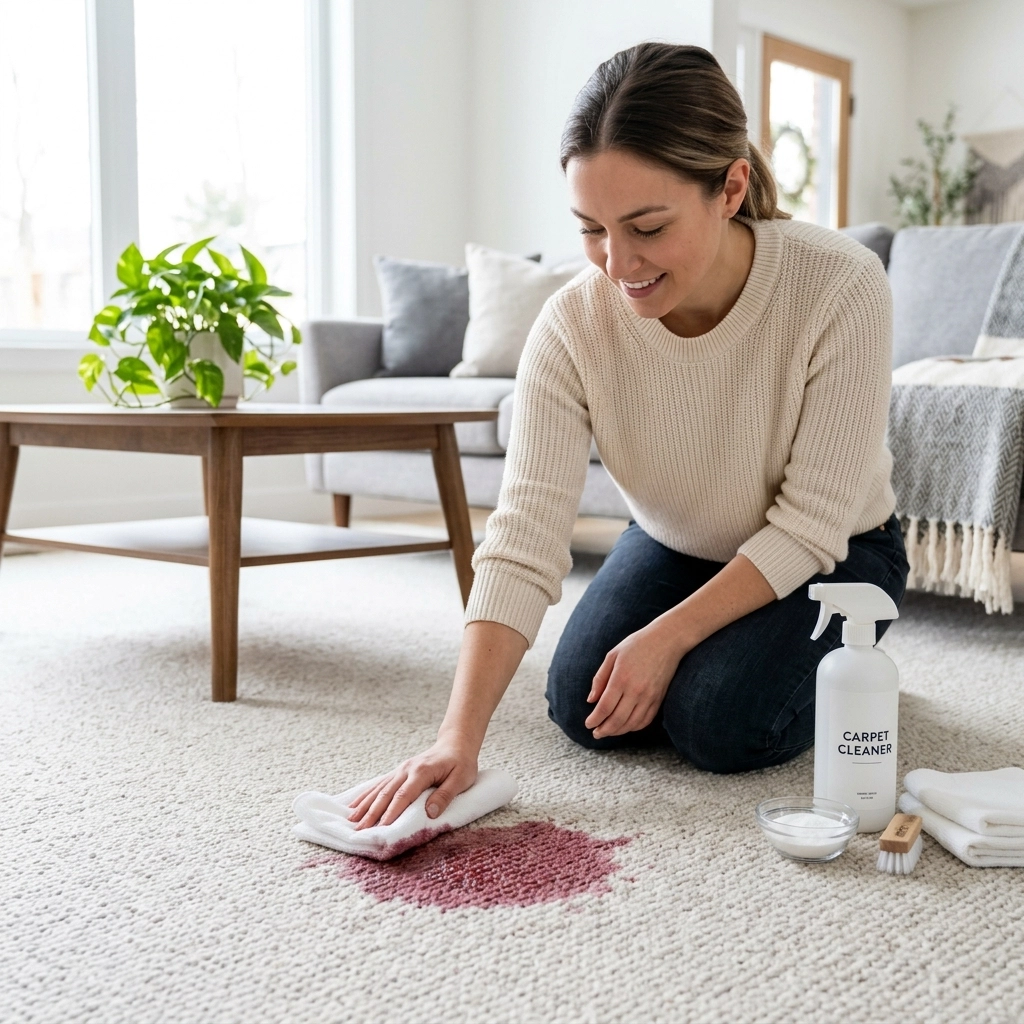
A clean carpet serves as the foundation for a comfortable and inviting home. However, the soft fibers that provide warmth and comfort are also highly susceptible to spills, tracked-in dirt, and accidents. Whether it is a splash of morning coffee or a sudden pet mishap, understanding how to address these issues promptly and correctly is essential for maintaining the longevity and appearance of the flooring.
Carpet stain removal is both a science and an art. It requires knowledge of fiber types, the chemistry of cleaning agents, and the patience to follow a process through to completion. This guide provides a comprehensive look at the methods used by professionals and homeowners alike to tackle even the most stubborn spots.
Understanding Carpet Fibers
Before reaching for a cleaning solution, it is vital to understand the material underfoot. Not all carpets are created equal, and a solution that works perfectly on one might damage another.
Synthetic Fibers
Most modern homes feature synthetic carpets made from nylon, polyester, or triexta. These materials are generally durable and resistant to water-based stains. Nylon is particularly resilient but can be sensitive to certain acidic treatments if they are not neutralized. Polyester is naturally stain-resistant but has a tendency to hold onto oil-based stains.
Natural Fibers
Wool is the most common natural fiber used in carpeting. It is luxurious and durable, but it is also highly absorbent and sensitive to high-pH chemicals. Using harsh alkaline cleaners or excessive heat on wool can cause permanent damage, including shrinking or fiber degradation. For those looking to learn more about home maintenance and general upkeep, visiting the Everyday Living section can offer additional context on managing household materials.
The Essential Carpet Stain First-Aid Kit
Success in stain removal often depends on having the right tools ready the moment an accident occurs. Preparing a dedicated kit ensures that no time is lost searching for supplies while a liquid is seeping deep into the carpet padding.
Recommended Supplies:
- White Cloths or Paper Towels: Always use white materials to prevent dye transfer from the cloth to the carpet.
- Dish Soap: A mild, clear liquid detergent without bleach or lanolin.
- White Vinegar: Useful for neutralizing odors and tackling alkaline stains.
- Baking Soda and Cornstarch: Excellent for absorbing liquids and oils.
- Rubbing Alcohol (Isopropyl): Effective for ink and grease-based spots.
- Hydrogen Peroxide (3%): A mild bleach alternative for organic stains, though it must be used with caution on dark carpets.
- Enzymatic Cleaner: Specifically for biological stains like pet accidents or food.
- A Small Spray Bottle: For controlled application of solutions.
- A Dull Knife or Spoon: For scraping up solids.

The Fundamental Rules of Stain Removal
The method of application is often more important than the cleaning solution itself. Following these universal rules will prevent a minor spill from becoming a permanent eyesore.
Rule 1: Act Immediately
The longer a substance sits on the carpet, the more likely it is to form a chemical bond with the fibers. Once a stain “sets” due to time or heat, it becomes significantly harder to remove.
Rule 2: Blot, Never Scrub
Scrubbing is the most common mistake made in home carpet care. The friction of scrubbing untwists the carpet fibers, causing them to fray and look fuzzy. This “fuzzing” is permanent damage that remains even if the stain is removed. Instead, apply firm downward pressure with a clean cloth to lift the liquid.
Rule 3: Work from the Outside In
To prevent the stain from spreading, always start cleaning at the outer edges of the spot and move toward the center. This contains the liquid and prevents it from expanding into a larger circle.
Rule 4: Test First
Before applying any solution to a visible area, test it on a hidden spot, such as inside a closet. This ensures the cleaner will not cause “bleeding” of the carpet dyes or change the texture of the fiber.
Removing Water-Soluble Stains
Most household spills fall into the water-soluble category. This includes soda, fruit juice, milk, and mud. These are generally the easiest to remove if addressed quickly.
Coffee and Tea
Coffee and tea contain tannins, which can act as a dye on natural fibers.
- Blot up as much liquid as possible immediately.
- Mix one tablespoon of liquid dish soap, one tablespoon of white vinegar, and two cups of warm water.
- Apply the solution to a cloth and blot the stain.
- Rinse by blotting with a cloth dampened with plain water.
Red Wine
Red wine is a notorious offender, but it can be managed with a specific approach.
- Blot the area with a dry white cloth.
- Apply a small amount of plain club soda or a mixture of dish soap and water.
- If the color persists, a mixture of 3% hydrogen peroxide and a drop of dish soap can be effective, but only after a spot test.
- Cover with a clean cloth and a heavy book to draw out the remaining moisture.

Mud and Dirt
Unlike most stains, mud should be allowed to dry completely. Attempting to clean wet mud often pushes the fine dirt particles deeper into the carpet pile.
- Wait for the mud to dry until it is brittle.
- Break up the large chunks and vacuum the area thoroughly.
- Treat any remaining discoloration with a mild detergent solution (1/4 teaspoon soap to 1 quart water).
- Blot and rinse.
Biological and Protein-Based Stains
Biological stains require a different chemical approach because they contain proteins and organic matter that can produce strong odors and harbor bacteria.
Pet Accidents
Pet urine is a complex substance that changes pH as it dries, becoming more alkaline and potentially damaging the carpet’s structure.
- Blot: Use a thick layer of paper towels and stand on them to ensure maximum absorption from the padding.
- Enzymes: Use an enzymatic cleaner. These cleaners contain specialized bacteria that “eat” the organic matter causing the odor.
- Dwell Time: Follow the manufacturer’s instructions; these products often need to remain damp for several hours to work effectively.
- Rinse: Once the odor is gone, rinse the area with water to remove any residue.
For more information on common household questions, the Frequently Asked Questions page provides a wealth of general knowledge.
Blood
Blood should always be treated with cold water. Hot water will “cook” the proteins, making the stain permanent.
- Blot with cold water or a saline solution (1 teaspoon salt to 1 cup cold water).
- If the stain remains, apply a small amount of 3% hydrogen peroxide. It will bubble as it reacts with the blood.
- Blot the bubbles away and repeat until the red color is gone.

Tackling Oil-Based and Synthetic Stains
Grease, ink, and cosmetics do not dissolve in water, so they require a solvent or an absorbent to break them down.
Grease and Oil
Cooking oil or motor grease can be tricky because they attract dirt, making the spot look darker over time.
- Apply a generous amount of baking soda or cornstarch to the spot.
- Let it sit for at least six hours to absorb the oil.
- Vacuum the powder.
- If a mark remains, use a dry-cleaning solvent or a small amount of rubbing alcohol on a cloth. Always blot; do not saturate the carpet backing with solvents.
Ink and Markers
Ink stains require a delicate touch.
- Dampen a cloth with isopropyl alcohol (rubbing alcohol).
- Dab the ink carefully. You should see the ink transferring to the cloth.
- Change the cloth frequently to avoid reapplying the ink to the carpet.
- Rinse with water once the ink is removed.
Removing Solids: Gum and Wax
Sticky substances require a change in the physical state of the material before they can be removed.
Candle Wax
- Place an ice pack over the wax until it becomes hard and brittle.
- Gently shatter the wax with a blunt tool and vacuum up the pieces.
- If residue remains, place a brown paper bag over the spot.
- Run a warm (not hot) iron over the paper. The wax will melt and be absorbed into the paper. Move the paper frequently to ensure a clean surface is always in contact with the wax.
Chewing Gum
Similar to wax, gum should be frozen with ice. Once hardened, it can usually be pried off the fibers. If any sticky residue remains, a citrus-based adhesive remover can be applied to a cloth and blotted onto the area.

Common Mistakes in DIY Carpet Cleaning
While DIY methods are effective, certain pitfalls can lead to permanent damage. Avoiding these errors is key to a successful outcome.
- Using Too Much Water: Saturating a carpet can lead to “wicking,” where the stain travels down into the padding only to reappear on the surface as the carpet dries. Excessive moisture can also cause mold and mildew growth or delamination of the carpet backing.
- Using the Wrong pH: Using highly alkaline cleaners (like laundry detergent) on wool can cause the fibers to turn yellow or become brittle.
- Neglecting the Rinse: Soap residue is sticky. If it is not thoroughly rinsed out of the carpet, it will attract dirt rapidly, causing the “stain” to seem to reappear within weeks.
- Using Bleach: Unless the carpet is solution-dyed synthetic specifically designed to handle bleach, household bleach will permanently remove the color from the carpet, leaving a white or yellow spot.
When to Call the Professionals
There are instances where a home remedy is simply not enough. Understanding the limits of DIY care can save a carpet from being ruined.
Persistent Odors
If a pet accident has soaked through the carpet into the subflooring, topical cleaning will not suffice. A professional may need to lift the carpet, replace the padding, and treat the subfloor with an odor-blocking sealer.
Large Areas
Attempting to clean a whole room with spray bottles and cloths is inefficient and can result in uneven cleaning. Professional hot water extraction (steam cleaning) is recommended every 12 to 18 months to remove deeply embedded soil that vacuums cannot reach. Information on professional-grade care and company policies can often be found on the Terms and Conditions or Privacy Policy pages of service providers.
Delicate Materials
Silk, sisal, and some high-end wool rugs require specialized “dry” cleaning methods that are difficult to replicate at home without professional equipment.

Long-Term Maintenance Strategies
Preventing stains is often more effective than removing them. A few habit changes can drastically reduce the amount of cleaning required.
- Implement a No-Shoes Policy: Most of the oils and dirt that darken carpets are tracked in from the outside. Using indoor slippers or socks can keep the pile clean.
- Use Area Rugs: Place washable rugs or runners in high-traffic areas, such as hallways or in front of the sofa.
- Regular Vacuuming: Vacuuming twice a week removes abrasive dirt particles that saw away at carpet fibers, making them more porous and prone to staining.
- Reapply Protectant: Many carpets come with a factory-applied stain guard. This wears off over time and should be reapplied by a professional after a deep cleaning.
For those interested in the history of the company or seeking further assistance, the About page and the Customer Help portal are excellent resources for navigating the site’s offerings. If specific questions arise about home maintenance education, the Contact Us page is the direct line for inquiries.
Maintaining a pristine carpet requires a combination of vigilance and the right technique. By following these steps and understanding the unique needs of the flooring, it is possible to keep any home looking its best, regardless of the accidents that occur along the way. Stay updated with the latest tips by checking the Blog regularly for more practical home advice.

