
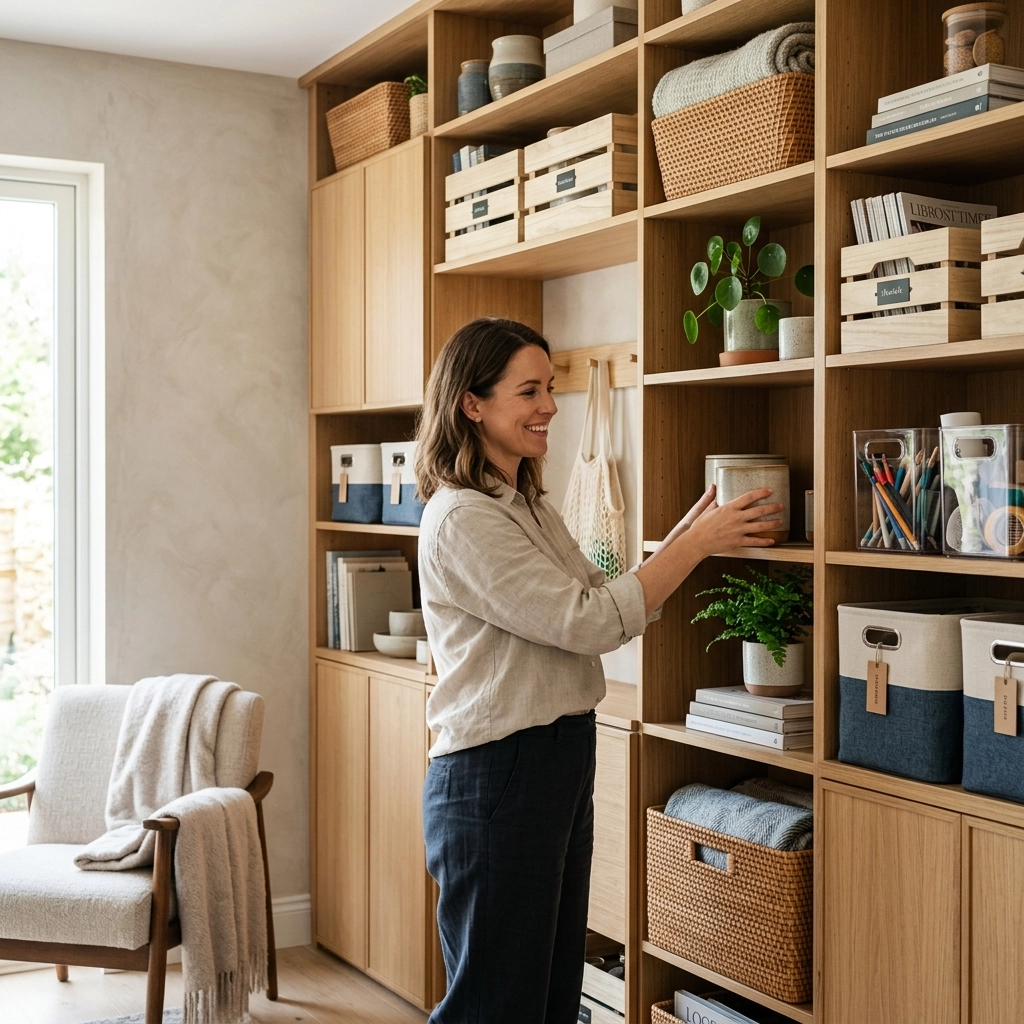
Maintaining an organized living environment requires more than just tidying up; it necessitates a strategic approach to storage. The challenge for many homeowners is not a lack of space, but rather the absence of the correct systems to manage that space. Choosing the right storage solution involves a detailed comparison of materials, accessibility, and the specific needs of the items being stored.
By understanding the functional differences between various containers: from clear plastic bins to decorative woven baskets: it is possible to create a home that is both aesthetically pleasing and highly efficient. This guide provides an in-depth comparison of common storage options to help determine which systems best serve different areas of the house.
Assessing Storage Needs: The Five-Question Framework
Before investing in shelving units or containers, a thorough assessment of the inventory is required. Purchasing storage solutions without a plan often leads to mismatched bins and wasted space. Answering these five questions can clarify the requirements for any organization project.
1. What Is the Nature of the Items?
The physical characteristics of the items dictate the container type. Light and soft goods like linens, towels, or plush toys can be housed in fabric bags or lightweight baskets. Conversely, heavy items such as books, hand tools, or stacks of paperwork require rigid containers with reinforced bases and strong handles to prevent buckling.
2. Where Will the Storage Reside?
Environmental factors play a massive role in material selection. Climate-controlled areas of the home, like bedrooms and hallways, offer the most flexibility. However, garages, attics, and basements are prone to temperature fluctuations, moisture, and pests. In these environments, sturdy plastic with gasket seals is non-negotiable.
3. How Frequently Is Access Required?
Storage is generally divided into “active” and “deep” storage. Active storage items, used daily or weekly, should be kept in open bins, low-drawers, or rolling carts. Deep storage items, such as holiday decor or seasonal clothing, can be placed in lidded bins on high shelves or in the back of a closet.
4. Is Visibility Necessary?
Clear containers allow for instant identification of contents, which is ideal for pantries and craft rooms. Opaque or decorative containers are preferable in public living spaces where the goal is to hide visual clutter and maintain a specific design aesthetic.
5. What Are the Potential Risks?
Consider the threats of dust, moisture, and pests. If a basement is prone to dampness, standard cardboard or breathable fabric boxes will fail. Weathertight containers with airtight seals are required to protect valuable keepsakes or electronics.

Comparing Major Storage Solutions
Clear Plastic Storage Bins
Clear plastic bins are the workhorse of home organization. They are most effective in closets, offices, and kids’ playrooms where “seeing is finding.”
- Pros: High visibility, stackable design, and wide availability in various sizes. Most are made of durable polypropylene, which resists cracking.
- Cons: Not always aesthetically pleasing for living rooms; lower-quality models may have lids that warp or latches that break.
- Best Use: Organizing categories of items like “Office Supplies,” “Art Kits,” or “Winter Accessories.”
Gasket-Sealed “Weathertight” Containers
These are the premium version of plastic bins, featuring a silicone or rubber gasket in the lid and multiple heavy-duty latches.
- Pros: Provides a barrier against humidity, dust, and insects. Usually built with thicker walls for stable stacking.
- Cons: Higher price point and heavier than standard bins.
- Best Use: Important documents, heirloom textiles, and items stored in non-climate-controlled garages or sheds.
Decorative Baskets and Fabric Cubes
When storage is part of the room’s decor, aesthetics are as important as function. This category includes woven seagrass, felt bins, and linen-wrapped boxes.
- Pros: Enhances the room’s design; lightweight and safe for children’s rooms (no sharp edges).
- Cons: Difficult to clean, non-stackable, and provides minimal protection against dust or moisture.
- Best Use: Storing throw blankets in the living room, holding toys in a nursery, or organizing a frequently used entryway. For those interested in aesthetic touches, items like a Scented Candle can be placed alongside these baskets to complete a shelf display.
Maximizing Closet and Bedroom Efficiency
Closets often become the primary “catch-all” for household clutter. To maximize this space, one must look beyond the standard hanging rod.
Drawer and Shelf Dividers
Small items like socks, undergarments, and accessories often end up in tangled piles. Modular drawer organizers create dedicated zones for these items. For instance, maintaining a Sanitary Napkin Bag within a drawer can keep personal care items discrete and organized.
Seasonal Rotation and Maintenance
Clothing maintenance is a vital part of organization. Before storing away a Denim Jacket or Summer Shorts for the season, they should be cleaned. Utilizing a Hair Ball Trimmer or a Dust Removing Brush ensures that garments like a Hooded Jacket or Jogging Top remain in top condition while in storage.

Under-Bed Storage Options
The space beneath the bed is often underutilized.
- Rigid Plastic Bins: Best for items that need protection and slide easily on carpet.
- Soft Zip Bags: Flexible and low-profile, perfect for spare pillows or a Baby Sleep Pad.
- Drawers on Wheels: Provide the most convenient access for daily items like a T-Shirt Regular Fit or Skinny Fit Jacket.
Specialized Storage for Small and Niche Items
Large bins are not suitable for everything. Small, frequently misplaced items require specialized solutions to prevent them from getting lost in the “junk drawer.”
Tech and Security
Items like a Wireless Key Finder should have a dedicated tray near the entryway. Similarly, managing home utilities with a Voice Control Smart Socket helps centralize home automation tech.
Health and Grooming
The bathroom vanity is a high-traffic area that benefits from vertical organization. A 360-Degree Rotating Cosmetic Box can consolidate skincare and makeup, saving significant counter space. Medicine cabinets should be organized with clear bins to separate daily needs from emergency supplies, such as an Electronic Blood Pressure Monitor.
Workspace and Reading Nooks
Desks often accumulate small tools and stationery. A Bookmark Light or a Flying Alarm Clock needs a specific “home” on the desk surface to avoid a cluttered workspace.

Kitchen and Pantry Organization
The kitchen requires high-efficiency storage because of the frequency of use. The goal is to reduce the “search time” for ingredients and tools.
- Stackable Pantry Bins: Use clear, square containers for dry goods like pasta, flour, and snacks. This eliminates bulky cardboard packaging and makes it easy to see when supplies are low.
- Shelf Risers: These wire or plastic inserts create a “second floor” inside cabinets, allowing for the stacking of plates or canned goods without burying the items at the bottom.
- Door Organizers: The back of a pantry door is an ideal spot for spices, foil wraps, or cleaning supplies.
- Narrow Rolling Carts: These can slide into the small gap between a refrigerator and a wall, providing extra storage for oils, vinegars, or jars.
Garage, Utility, and Outdoor Storage
The garage often houses the most difficult items to store: those that are bulky, dirty, or oddly shaped.
Vertical Wall Systems
Using track systems or pegboards is the most effective way to clear floor space. Hanging bicycles, shovels, and ladders keeps them accessible but out of the way of vehicles.
Vehicle and Travel Organization
Car maintenance and travel gear can quickly clutter a garage. A Car Trunk Storage Bag is an excellent solution for keeping emergency kits or groceries from rolling around. For those who enjoy the outdoors, dedicated bins for a Folding Camping Mat and other picnic gear ensure that everything is ready for a quick departure.
Heavy-Duty Totes
Unlike indoor bins, heavy-duty totes (often black with yellow lids) are made of high-impact resin. They are designed to be stacked high and can withstand freezing temperatures without becoming brittle. These are essential for tools and hardware.

Vacuum Storage: The Ultimate Space Saver
For items that are purely seasonal or soft, vacuum-sealed bags are unrivaled. By removing the air from bulky textiles, one can reduce their volume by up to 75%.
- Best for: Comforters, heavy winter coats, guest bedding, and sleeping bags.
- Considerations: Use high-quality bags with a double-zip seal and a one-way valve. Avoid storing delicate natural fibers like silk or down feathers in a highly compressed state for years, as this can damage the structure of the fibers.
- Storage Location: Once vacuumed, these flat “pancakes” of fabric can be stored under beds or on the highest shelves of a closet.
Decorative and Lifestyle Integration
Organization does not have to look clinical. Integrating storage into the lifestyle of the home involves choosing pieces that serve dual purposes.
Furniture with Built-In Storage
Storage ottomans, benches with hidden compartments, and coffee tables with drawers allow for “stealth storage.” This is particularly useful in small apartments where every square foot counts.
Aesthetic Accents
Even functional areas can be styled. In a home office or living room, a shelf featuring Simulation Floating Stones or decorative lighting creates a balanced look that prevents the room from feeling like a warehouse.

Practical Buying Rules for Success
To avoid the common pitfall of buying bins that don’t fit, follow these practical rules:
- Measure Three Times: Measure the height, width, and depth of the shelf or cabinet. Then, measure the clearance: the space between the shelf and the door frame or the height the bin needs to clear to slide out.
- Standardize Your Bins: Stick to one or two brands and styles. This ensures that lids are interchangeable and that bins stack securely on top of one another.
- Label Every Container: Even if the bin is clear, a label provides a mental “placeholder” that encourages family members to return items to their correct location.
- Declutter Before Buying: Never buy storage for items that are no longer needed. The first step of any organization project should be to purge items that are broken, expired, or unused.
- Prioritize Ergonomics: Place the heaviest and most frequently used bins at waist height. Light items or those used only once a year can be placed on the lowest or highest tiers.
By comparing storage solutions through the lenses of durability, visibility, and accessibility, any space can be transformed into an orderly environment. Whether it is a small cabinet or an entire garage, the right container ensures that every item has a place, making the home more functional and the daily routine more seamless.

