
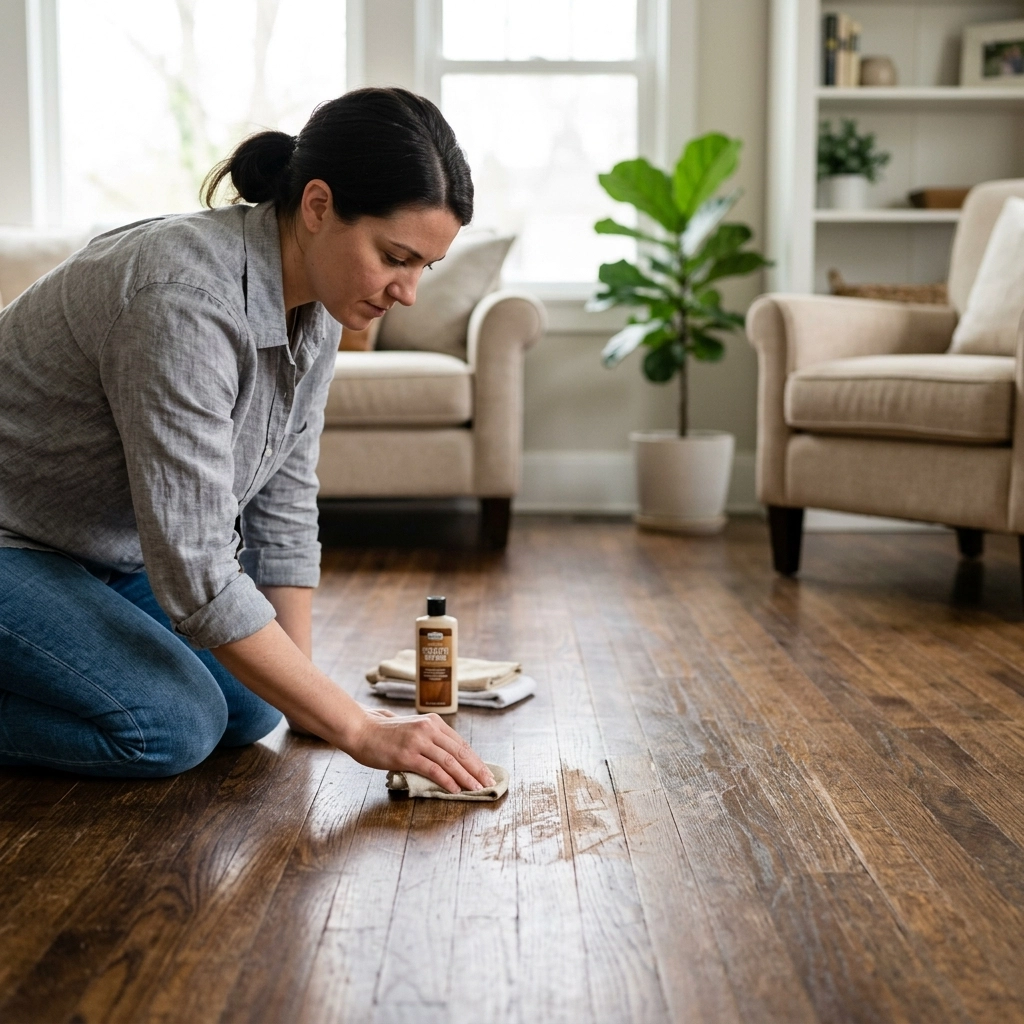
Wood is one of the most resilient and beautiful materials found in a home, yet it is susceptible to the wear and tear of daily life. Whether it is a set of hardwood floors bearing the brunt of pet claws or a vintage mahogany table marked by a sliding centerpiece, scratches are inevitable. However, a scratch does not mean the end of a piece of furniture or the need for a full floor replacement.
Repairing wood requires an understanding of the material’s grain, the type of finish applied to it, and the depth of the damage. By using the right techniques, many of which involve common household items or affordable hardware store supplies, it is possible to restore wood surfaces to their former glory. This guide provides a comprehensive look at how to diagnose damage and execute professional-level repairs on both furniture and flooring.
Assessing the Damage: How Deep is the Scratch?
Before reaching for a repair kit, the first step is to determine the severity of the damage. Wood repairs are generally categorized into three levels based on how many layers of the material have been compromised.
Surface Scratches
Surface scratches are the most common and often the easiest to fix. These marks only affect the protective clear coat: such as polyurethane, lacquer, or shellac: and do not penetrate the wood itself. When viewed from an angle, these look like dull white lines or hazy scuffs. A helpful test is to run a fingernail across the scratch; if the nail does not catch, the damage is likely limited to the finish.
Medium Scratches
Medium scratches penetrate the finish and reach the stained layer of the wood. This results in a visible color difference, as the raw wood underneath or the lighter stain layer becomes exposed. In these cases, a fingernail will catch slightly on the edge of the scratch. These require a combination of color matching and minor surface leveling.
Deep Scratches and Gouges
Deep scratches are significant indentations where wood fibers have been torn away or compressed. These are often caused by dragging heavy furniture or dropping sharp objects. These “gouges” leave a physical trench in the wood that must be filled with a hardening material to level the surface before any coloring or finishing can occur.

Identifying the Finish
The success of a repair often depends on the type of finish used on the wood. Different finishes react differently to solvents and oils.
- Film-Forming Finishes: Polyurethane, varnish, and lacquer sit on top of the wood to create a hard barrier. These are common on modern floors and dining tables.
- Penetrating Finishes: Oils (like linseed or tung oil) and waxes soak into the wood fibers. These are common on older furniture or “natural” style modern pieces.
- Painted Wood: A solid opaque layer that hides the grain entirely.
- Shellac: A traditional finish that is alcohol-based. It is common on antiques and can be tested by rubbing a small amount of denatured alcohol on a hidden spot; if it softens, the finish is shellac.
Essential Tools for Wood Repair
A basic wood repair kit should include a variety of items to handle different depths of damage.
- Cleaning Supplies: Microfiber cloths, mild dish soap, and mineral spirits.
- Abrasives: Fine-grit sandpaper (180, 220, and 320 grit) and #0000 steel wool.
- Coloring Tools: Stain markers, wax touch-up crayons, and various shades of wood stain.
- Fillers: Stainable wood filler, wood putty, and shellac sticks.
- Natural Remedies: Raw walnuts, apple cider vinegar, and vegetable or mineral oil.
- Top Coats: Spray lacquer or wipe-on polyurethane.
For those interested in the broader scope of home maintenance and aesthetics, more information can be found on the Paris Wheel About page.
Method 1: Repairing Light Surface Scratches
For scratches that haven’t reached the wood grain, the goal is to “melt” the finish back together or fill the microscopic valley of the scratch with an oil that mimics the finish’s reflective properties.
The Oil and Vinegar Technique
This is a classic home remedy that works surprisingly well on older finishes and light scuffs.
- The Mixture: Mix one part white vinegar with three parts oil (canola, vegetable, or mineral oil). The vinegar cleans the area and slightly softens the existing finish, while the oil penetrates the scratch to hide the white line.
- Application: Rub the mixture into the scratch using a soft cloth in circular motions. Let it sit for several minutes before buffing the area dry with a clean cloth.
The Walnut Trick
For light scratches on natural, dark wood (like walnut, mahogany, or oak), the meat of a raw walnut is an effective tool.
- Process: Rub the nut meat over the scratch. The natural oils and the soft brown pigment from the nut will fill the scratch and darken it to match the surrounding wood.
- Finishing: Rub the area with your finger to warm the oils, then buff with a soft cloth.
Commercial Scratch Removers
Products like “almond sticks” or specialized wood polishes contain oils and mild solvents designed to swell the wood fibers slightly and mask surface abrasions. These are ideal for maintenance on high-traffic furniture like coffee tables.
Method 2: Addressing Medium Scratches and Color Loss
When the color of the wood has been compromised, the repair must involve adding pigment back into the scratch.
Using Stain Markers
Stain markers are essentially felt-tip pens filled with wood stain rather than ink.
- Color Choice: Always choose a shade slightly lighter than the wood. It is easy to darken a repair with a second coat, but very difficult to lighten a repair that is too dark.
- Application: Draw along the scratch. Immediately wipe the area with a rag to blend the marker with the surrounding finish.
- Layering: If the color is too light, wait for it to dry (about 5 minutes) and apply another layer.
Wax Fill Sticks and Crayons
For scratches that are slightly deeper but not yet “gouges,” wax sticks are excellent. These look like large crayons and are made of colored wax.
- Application: Rub the stick across the scratch (perpendicular to the grain) until the wax fills the void.
- Leveling: Use a plastic scraper or the edge of a credit card to remove the excess wax so it is level with the wood surface.
- Buffing: Wipe the area with a cloth to remove any waxy residue from the surrounding finish.

Method 3: Fixing Deep Scratches and Gouges
Deep damage requires a structural repair. This involves filling the hole with a material that will harden and then sanding it flush.
Step 1: Preparation
Clean the gouge with a cotton swab dipped in mineral spirits to remove any wax or polish that might prevent the filler from sticking. Trim away any loose wood splinters with a sharp utility knife.
Step 2: Choosing a Filler
- Wood Putty: This does not harden and is best for small nail holes or floors where the wood might move.
- Stainable Wood Filler: This dries hard and is designed to accept wood stain. It is the best choice for furniture repairs.
- Epoxy Wood Filler: This is used for very large holes or structural repairs, as it does not shrink.
Step 3: Filling the Hole
Using a putty knife, press the filler into the gouge. Overfill the hole slightly, as most fillers shrink as they dry. Use the putty knife to smooth the surface as much as possible, but leave a slight “mound.”
Step 4: Sanding
Once the filler is completely dry (consult the package for drying times), sand the area with 220-grit sandpaper. Always sand in the direction of the wood grain. Sand until the filler is perfectly flush with the surrounding wood. Wipe away the dust with a damp cloth.
Step 5: Staining and Sealing
Apply a matching wood stain to the dried filler with a small artist’s brush. Because wood filler often absorbs stain differently than natural wood, you may need to apply multiple coats. Once the color matches, protect the repair with a thin coat of polyurethane or lacquer.
For more specific questions on material compatibility, the Paris Wheel FAQ may offer additional insights into wood care products.
Special Considerations for Hardwood Floors
Repairing floors involves the same principles as furniture, but the scale and durability requirements are different. Floors are subject to foot traffic and frequent cleaning, meaning repairs must be more robust.
Localized Sanding and Refinishing
If a section of the floor has multiple surface scratches, it may be possible to “screen” the area. This involves lightly sanding only the top layer of the finish with a fine mesh screen and then applying a fresh coat of polyurethane. This avoids the need for a full room sand-and-finish.
Dealing with “Polyurethane Peeling”
Sometimes, the finish on a floor begins to flake or peel around a scratch. This is common in older floors where the bond between the wood and the finish has weakened. In this case, the loose finish must be carefully scraped away before the area is sanded and a new topcoat is feathered in.

Fixing Scratches on Painted Wood
Painted furniture, such as cabinets or modern desks, requires a different approach. Because the grain is not visible, the focus is on texture and color matching.
- Fill: Use a latex-based wood filler to fill the scratch. These fillers are smoother and easier to sand than stainable versions.
- Sand: Sand the filler with 320-grit sandpaper until it is indistinguishable from the surrounding surface by touch.
- Prime: If the scratch was deep enough to show bare wood, apply a small dab of primer. This prevents the wood from soaking up the paint and creating a “dull spot.”
- Paint: Apply the matching paint with a high-quality brush or a small foam roller to mimic the original texture. If the original paint was sprayed on, feathering the edges of your brushstrokes is essential to hide the repair.
Addressing White Rings and Water Marks
While not technically scratches, white rings from hot mugs or wet glasses are common surface defects on wood furniture. These marks occur when moisture becomes trapped in the finish.
The Heat Method
Place a clean, dry cotton cloth over the white mark. Set a clothes iron to a low-medium heat (no steam). Run the iron over the cloth for 10–15 seconds at a time. The heat will cause the finish to open up and allow the trapped moisture to evaporate. Check the progress frequently to avoid overheating the wood.
The Abrasive Method
If heat does not work, create a paste using non-gel toothpaste and baking soda. Rub the paste gently into the ring with a soft cloth. The mild abrasive will polish away the very top layer of the finish where the moisture is trapped. Once the mark is gone, apply a fresh coat of wax or furniture polish.

Preventing Future Damage
Maintenance is the most effective way to avoid the labor-intensive process of wood repair.
- Floor Protection: Place felt pads under the legs of all furniture. This is especially important for chairs that are moved frequently, like those in a dining room.
- Rugs and Runners: Use area rugs in high-traffic zones, such as entryways and hallways, to catch grit and small stones that act like sandpaper on wood floors.
- Climate Control: Wood expands and contracts with humidity. Extreme changes can cause the finish to crack or the wood to warp, making it more susceptible to scratching. Maintaining a consistent indoor humidity level (between 30% and 50%) is ideal.
- Regular Cleaning: Dust is abrasive. Regular vacuuming (using a hard-surface setting) and dusting with a microfiber cloth will prevent micro-scratches from accumulating over time.
For assistance with specific issues or to inquire about professional-grade maintenance tools, visit the Customer Help page.
When to Call a Professional
While most scratches can be handled by a determined homeowner, some situations require professional intervention.
- Deep Structural Damage: If a piece of furniture has a crack that goes all the way through the wood, it may need to be stabilized with internal joinery.
- Valuable Antiques: If a piece is a genuine antique with a sensitive finish like French Polish, DIY repairs can significantly decrease its value.
- Widespread Floor Wear: If the finish on a hardwood floor has worn through in large sections (turning the wood grey or black), a full professional sanding and refinishing is necessary to protect the wood from rot.
If a project seems beyond your current skill level, it may be helpful to reach out for expert advice via the Contact Us page.
Summary of Repair Steps
To ensure success, follow this general workflow for any wood repair project:
| Step | Action | Key Consideration |
|---|---|---|
| 1 | Clean | Remove all wax, dirt, and oil from the area. |
| 2 | Assess | Determine if you need to fill (deep) or just color (medium). |
| 3 | Color | Match the lightest part of the wood grain first. |
| 4 | Fill | Use the appropriate material for the job (wax vs. hard filler). |
| 5 | Level | Sand or scrape until the repair is flush. |
| 6 | Protect | Apply a clear topcoat to seal the repair. |
Repairing wood is a satisfying skill that extends the life of household items and preserves the beauty of a home. With patience and the right materials, even the most daunting gouge can be transformed into a nearly invisible mend.
For those looking to learn more about home care or to explore other educational resources, the Paris Wheel Shop offers a variety of materials to help you succeed in your home improvement journey. You can also stay updated on new guides by signing up for the newsletter.

