
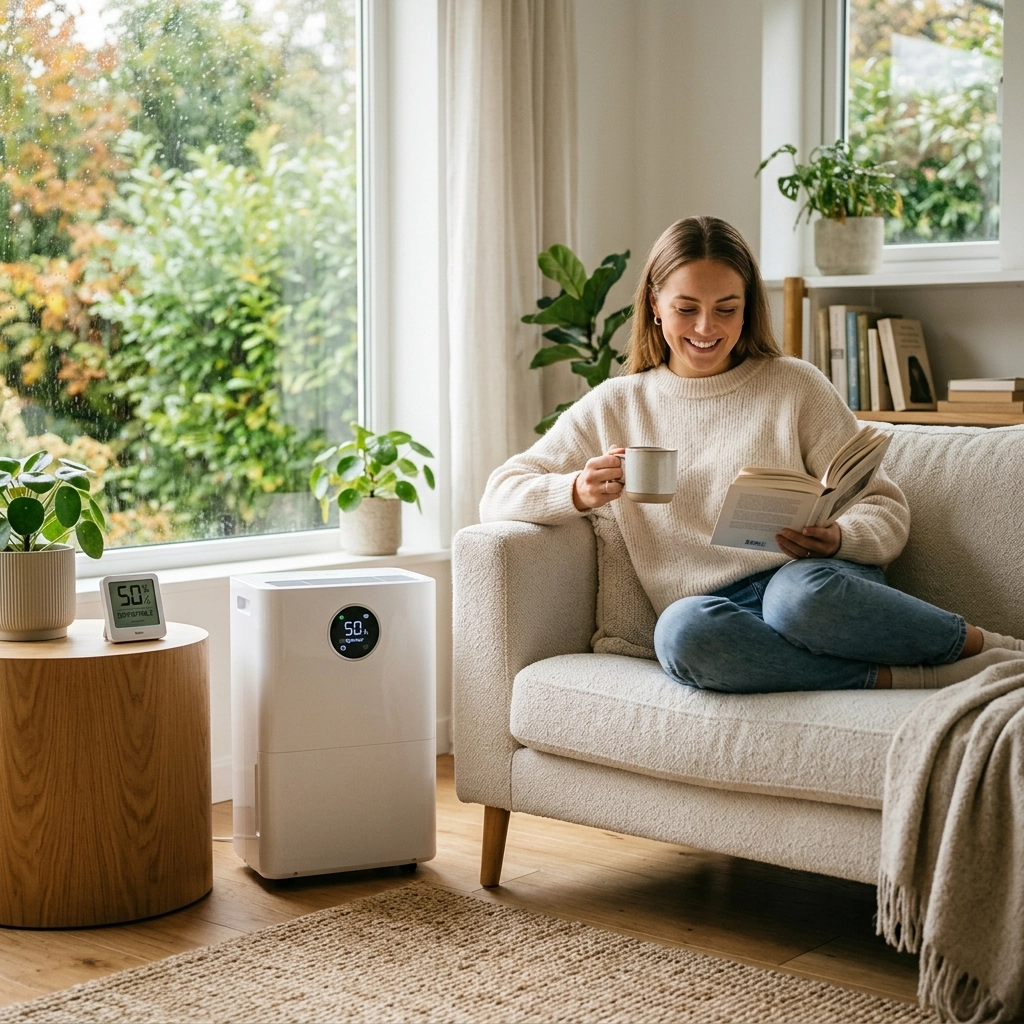
Maintaining the correct balance of moisture in the air is a fundamental component of home maintenance that impacts health, structural integrity, and daily comfort. While often invisible, humidity levels dictate how warm or cool a room feels, the longevity of wooden furniture, and the prevalence of common allergens like mold and dust mites.
Achieving a stable indoor climate requires an understanding of how external weather patterns interact with internal heating and cooling systems. This guide provides a comprehensive look at managing humidity throughout the changing seasons, offering practical strategies for both the dry winter months and the muggy summer season.
Understanding the Science of Humidity
Before implementing control measures, it is essential to understand what humidity actually represents. In residential settings, the term most frequently used is Relative Humidity (RH). This is a percentage that describes how much water vapor is currently in the air compared to the maximum amount that air could hold at its current temperature.
Temperature plays a critical role in this equation. Warm air expands and can hold significantly more water vapor than cold air. This is why a house might feel excessively dry in the winter even if the indoor humidity percentage seems moderate; as the cold outdoor air is brought inside and heated, its capacity to hold moisture increases, causing the relative humidity to plumet. Conversely, in the summer, cooling warm, moist air can cause the relative humidity to spike, leading to a “sticky” or “heavy” atmosphere.
The Goldilocks Zone for Home Comfort
While individual preferences vary, most building scientists and health organizations recommend maintaining an indoor relative humidity level between 30% and 50%.
- Below 30%: The air is considered too dry. This can lead to respiratory irritation, dry skin, and damage to wooden materials.
- Above 50-60%: The air is considered too damp. This environment encourages the growth of mold, mildew, and dust mites, and can lead to structural rot over time.

Monitoring Tools and Techniques
Effective control is impossible without accurate measurement. Relying on physical sensations is often unreliable, as the body can confuse temperature with moisture levels.
Digital Hygrometers
A digital hygrometer is a small, inexpensive device that measures both temperature and relative humidity. For the most accurate home assessment, place several hygrometers in different areas of the house:
- The Main Living Area: To gauge daily comfort levels.
- The Basement or Crawlspace: To monitor for high moisture levels that could lead to mold.
- Sleeping Areas: Where dry air often causes the most physical discomfort.
Smart Integration
Many modern thermostats now include built-in humidity sensors. Some advanced systems can be programmed to trigger a whole-house dehumidifier or humidifier automatically when levels stray from a pre-set range. Monitoring these levels over the course of a week during a seasonal transition provides the data necessary to decide on long-term equipment investments.
Winter Humidity Management: Combating the Dryness
Winter presents a unique challenge: the air outside is cold and naturally holds very little moisture. When this air enters a home and is warmed by a furnace, the relative humidity can drop to levels lower than those found in some deserts.
Symptoms of Low Winter Humidity
Low humidity isn’t just a matter of comfort; it can have tangible effects on the household:
- Health Issues: Dry nasal passages, increased susceptibility to colds, and itchy, cracked skin.
- Static Electricity: Frequent shocks when touching metal surfaces or fabrics. This can be particularly annoying when handling delicate textiles or seasonal clothing like those found in a hooded jacket.
- Material Damage: Hardwood floors may develop gaps, and wooden furniture can crack as the material shrinks.
- Clothing Care: Dry air can make natural fibers more brittle. Using tools like a hair ball trimmer can help maintain the appearance of sweaters, but maintaining humidity is the first line of defense against fabric degradation.
Strategies for Adding Moisture
To raise humidity during the winter, homeowners can employ several methods ranging from manual adjustments to mechanical installations.
Portable Humidifiers
These units are ideal for single rooms, such as a bedroom or a home office.
- Ultrasonic Humidifiers: Use high-frequency vibrations to create a fine mist. They are quiet but require distilled water to prevent “white dust” (mineral deposits) from settling on furniture.
- Evaporative Humidifiers: Use a fan to blow air through a moistened wick. These are self-regulating because as the room’s humidity rises, the water evaporates more slowly.
Whole-House Humidification
For those with forced-air heating systems, a whole-house humidifier can be installed directly into the ductwork. These units are plumbed into the home’s water line, eliminating the need to refill tanks manually. They provide consistent moisture levels across every room, protecting the entire structure.
Natural Methods
If mechanical humidification is not an option, consider these low-tech alternatives:
- Houseplants: Through a process called transpiration, plants release moisture into the air.
- Air-Drying Laundry: Hanging wet clothes on a drying rack inside adds significant moisture to the room.
- Showering Habits: Leaving the bathroom door open after a shower allows steam to circulate into adjacent rooms.

Summer Humidity Management: The Battle Against Dampness
As temperatures rise, the air’s capacity for moisture increases. High summer humidity doesn’t just make the heat feel more oppressive; it can turn a home into a breeding ground for biological pollutants.
Risks of High Summer Humidity
When the RH consistently exceeds 60%, several problems can arise:
- Mold and Mildew: These fungi thrive on organic materials like drywall, wood, and fabrics in damp conditions.
- Pest Infestations: Dust mites and certain insects, such as silverfish, require high humidity to survive and reproduce.
- Odor Issues: That “musty” basement smell is almost always a result of excess moisture interacting with dust and organic materials.
- Energy Efficiency: Moist air holds more heat. An air conditioner has to work significantly harder to remove moisture before it can effectively lower the air temperature, leading to higher utility bills.
Cooling and Dehumidification
The primary tool for summer humidity control is the air conditioning (AC) system. An AC unit is, by design, a large dehumidifier. As warm air passes over the cold evaporator coils, moisture condenses into liquid water and is drained away.
Optimizing AC Settings
To maximize moisture removal:
- Set the Fan to “Auto”: If the fan is set to “On,” it continues to run even after the cooling cycle ends. This can blow the moisture sitting on the damp coils back into the house before it has a chance to drain.
- Check the Air Filter: A clogged filter restricts airflow, reducing the system’s ability to pull moisture out of the air.
Using Dedicated Dehumidifiers
In very humid climates or in homes with damp basements, the AC alone may not be enough.
- Basement Units: Basements are naturally cooler and more prone to dampness. A dedicated dehumidifier with a built-in pump or a gravity drain can keep the area dry without constant monitoring.
- Whole-House Dehumidifiers: Like their winter counterparts, these are integrated into the HVAC system. They are particularly useful during the “shoulder seasons” when it is humid outside but not hot enough to warrant running the air conditioner.

Managing the “Shoulder” Seasons: Spring and Fall
Spring and fall are transitional periods where outdoor conditions can fluctuate wildly. One day may be crisp and dry, while the next is rainy and muggy.
Natural Ventilation
The shoulder seasons are the best times to utilize natural ventilation. Opening windows allows for an air exchange that can flush out indoor pollutants. However, this should only be done when the outdoor humidity is within the target range (30-50%). Using a portable camping mat for an outdoor picnic is a great way to enjoy the weather, but inside the home, windows should be closed if the outdoor dew point is high.
Monitoring Condensation
In the spring, the ground is often still cold while the air warms up. This can lead to condensation on basement walls or floors. In the fall, the reverse happens: warm indoor air hitting cold window glass can cause condensation. If you see water beads on your windows, it is a sign that your indoor humidity is too high for the current outdoor temperature.
Room-by-Room Humidity Considerations
Different areas of the home produce and retain moisture in different ways. Tailoring your approach to specific rooms can improve overall efficiency.
The Kitchen
Cooking is a major source of indoor moisture. Boiling water, steaming vegetables, and even using a dishwasher release significant amounts of vapor.
- Action: Always use the range hood fan when cooking and ensure it vents to the outside, not just back into the kitchen.
- Organization: Keeping the kitchen organized with tools like a rotating cosmetic box (which can be repurposed for small kitchen spice jars) helps air circulate better in storage areas, preventing stagnant, damp pockets.
The Bathroom
The bathroom is often the most humid room in the house.
- Action: Run the exhaust fan during every shower and for at least 20 minutes afterward. If the bathroom lacks a fan, consider installing a timer switch to ensure it runs long enough to clear the air.
The Basement
Because they are below ground, basements are prone to “seepage” (moisture moving through concrete walls) and condensation.
- Action: Ensure the ground outside the house slopes away from the foundation. Keep gutters clean to prevent water from pooling near the basement walls. If storing items like a car trunk storage bag or seasonal gear, keep them off the floor and away from exterior walls to allow for airflow.

Maintenance of Humidity Control Equipment
Like any mechanical system, humidity control devices require regular maintenance to operate safely and effectively.
Humidifier Cleaning
Standing water is a breeding ground for bacteria and mold.
- Portable Units: Should be cleaned every few days with vinegar or a manufacturer-recommended solution.
- Whole-House Units: The “wick” or “evaporative pad” should be replaced at least once a year, typically at the start of the heating season.
Dehumidifier Care
- Filter Cleaning: Most dehumidifiers have a washable filter that traps dust. Clean this once a month during the summer.
- Coil Inspection: If the unit is running but not collecting water, the coils may be frozen or coated in dust. Power down the unit and allow it to defrost or gently vacuum the coils.
Impact on Household Items and Learning Environments
Humidity control is particularly important for those who engage in hobbies or online learning at home.
- Musical Instruments: Pianos, guitars, and violins are extremely sensitive to humidity swings. Drastic changes can cause wood to crack or go out of tune.
- Paper and Books: High humidity can cause pages to yellow and curl. For those who enjoy reading with a bookmark light, keeping the library area at a steady 40% RH preserves the collection.
- Electronics: Excessive moisture can lead to internal corrosion, while extremely dry air increases the risk of static discharge damaging sensitive circuits.

When to Seek Professional Assistance
While many humidity issues can be managed with portable units and lifestyle changes, some situations require expert intervention.
Persistent Mold
If mold keeps returning despite the use of a dehumidifier, there may be a hidden leak in the plumbing or a failure in the building’s vapor barrier. A professional mold remediation specialist or a building envelope expert can identify the root cause.
Excessive Window Condensation
If windows are constantly fogged or dripping in the winter, it may indicate that the home’s ventilation system is inadequate. Modern “tight” homes often require a Heat Recovery Ventilator (HRV) or Energy Recovery Ventilator (ERV) to exchange stale, moist indoor air with fresh outdoor air without losing heat.
Sizing New HVAC Equipment
If an air conditioner is “short-cycling” (turning on and off rapidly), it is likely oversized. An oversized AC cools the air too quickly to remove moisture effectively. When replacing a system, ensure the contractor performs a Manual J load calculation to guarantee the unit is sized correctly for both temperature and humidity control.
A Seasonal Checklist for Success
To maintain a comfortable home year-round, consider this simplified seasonal routine:
Spring:
- Check the basement for any signs of water intrusion from snowmelt or heavy rain.
- Clean the AC condenser unit outside.
- Switch off the whole-house humidifier and close the bypass damper.
Summer:
- Set the AC fan to “Auto.”
- Monitor the dehumidifier bucket or drain line to ensure it is clearing water.
- Use exhaust fans in the kitchen and bathroom consistently.
Fall:
- Clean the gutters to ensure autumn rains drain away from the foundation.
- Inspect window weatherstripping for gaps that could let in dry winter air.
- Replace the evaporative pad in the whole-house humidifier.
Winter:
- Set the humidistat based on the outdoor temperature (lower the setting as it gets colder to prevent window condensation).
- Monitor for static electricity and dry skin as a sign to increase moisture.
- Ensure the clothes dryer is venting properly to the exterior.
By understanding the relationship between temperature and moisture, and by proactively managing each season’s unique challenges, homeowners can create a stable, healthy, and comfortable indoor environment. Humidity control is not a “set it and forget it” task, but with the right tools and a consistent routine, it becomes a manageable part of modern home living.

