
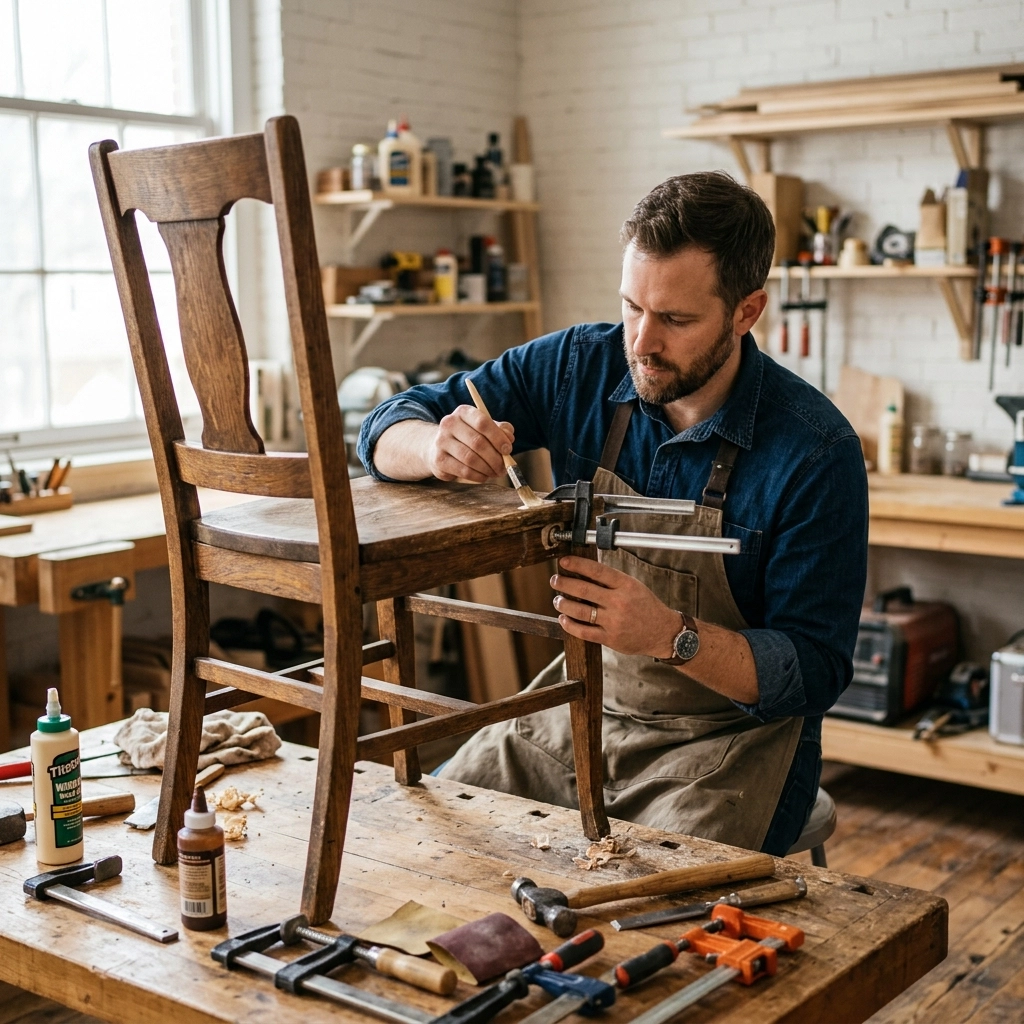
Wood furniture is often the centerpiece of a home, prized for its longevity, warmth, and natural beauty. However, the organic nature of wood means it is subject to change over time. Seasonal humidity shifts, regular use, and the natural aging of adhesives can eventually lead to instability. A dining chair that creaks, a side table that rocks, or a dresser that leans are common household frustrations.
Addressing these issues promptly prevents minor wobbles from turning into irreversible structural failures. This guide provides a comprehensive, step-by-step approach to diagnosing, repairing, and reinforcing wood furniture to ensure it remains stable and safe for years to come.
Diagnosing the Root Cause of Instability
Before any tools are gathered, it is essential to determine exactly why a piece of furniture is unstable. Instability usually falls into one of five categories: uneven legs, loose joints, stripped hardware, structural cracks, or warping.
Identifying Uneven Legs
If a piece of furniture rocks only when placed on a flat surface, the issue is likely a “short” leg or an uneven floor. To test this, move the furniture to a known level surface, such as a kitchen tile or a concrete garage floor. If the rocking persists, one leg is out of alignment. Sliding a piece of cardboard or a shim under each leg one by one will identify which leg is failing to make contact with the floor.
Checking for Loose Joints
Loose joints are the most common cause of “racking”: the side-to-side swaying of a furniture frame. To check for this, place a hand on the tabletop or seat and gently wiggle it. Watch the points where the legs meet the rails or aprons. If there is visible movement or an audible clicking sound at the junction, the internal joinery (usually a mortise and tenon or a dowel joint) has failed.
Inspecting Hardware and Fasteners
In many modern or “knock-down” furniture pieces, instability is caused by loose screws, bolts, or cam locks. Over time, the vibrations of daily use can back these fasteners out. Furthermore, wood can shrink, leaving a gap between the fastener and the material. If a screw spins freely when turned with a screwdriver, the internal threads in the wood have been stripped.

The Essential Repair Toolkit
Successful furniture repair requires a specific set of tools and materials. Most of these items are accessible and form the basis of a standard home maintenance kit.
Adhesives and Fillers
- PVA Wood Glue: Polyvinyl acetate (standard yellow or white wood glue) is the industry standard for most repairs. It creates a bond stronger than the wood itself.
- Two-Part Epoxy: Useful for structural repairs where gaps exist. Unlike wood glue, epoxy does not shrink as it cures and can bridge spaces where wood is missing.
- Wood Filler: Primarily used for cosmetic repairs, such as filling small cracks or screw holes before refinishing.
- Cyanoacrylate (CA) Glue: Often used for hairline cracks where a thin adhesive is needed to penetrate deep into the wood fibers.
Hand Tools and Hardware
- Clamps: Bar clamps or F-style clamps are vital. They provide the necessary pressure to hold joints together while the glue sets.
- Rubber Mallet: Used for gently tapping joints apart or back together without marring the wood surface.
- Drill and Driver Bits: Necessary for removing old fasteners or creating pilot holes for reinforcements.
- Utility Knife and Scrapers: Essential for removing old, dried glue from joints.
- Shims and Glides: Plastic shims, felt pads, or adjustable furniture levelers help manage uneven legs.
Step-by-Step Workflow for Structural Repairs
Most successful furniture repairs follow a logical sequence. Rushing the process or skipping the cleaning phase often leads to a bond that fails within months.
1. Cleaning and Preparation
Dust, wax, and old furniture polish can prevent glue from adhering. Begin by wiping down the area with a damp cloth and a mild detergent. If the joint is completely loose, it is best to disassemble it entirely. Mark the pieces with painter’s tape (e.g., “Front Left Leg”) to ensure they are reassembled in the correct orientation.
2. Removing Old Glue
New wood glue does not bond well to old, dried wood glue. Use a chisel, a putty knife, or sandpaper to scrape away old residue from the tenon (the protruding part) and the mortise (the hole). The goal is to reach fresh wood fibers. If the joint is too tight to scrape, a light sanding with 80-grit paper is often sufficient.
3. Dry-Fitting the Joint
Before applying any adhesive, reassemble the piece “dry.” This allows for a check of the fit. If the joint is too loose, the glue alone may not fill the gap. In these cases, a thin shaving of wood or a piece of veneer can be glued to the tenon to “bulk it up” before the final assembly.
4. Application and Clamping
Apply a thin, even layer of wood glue to both mating surfaces. Insert the joint and use a rubber mallet to seat it fully. Wipe away any “squeeze-out” (excess glue) immediately with a damp cloth, as dried glue is difficult to remove and will block wood stain later. Apply clamps to the joint. It is important to apply enough pressure to close the gap but not so much that all the glue is squeezed out.

Specific Solutions for Common Problems
Different types of furniture require different approaches. A dining chair undergoes different stresses than a heavy bookshelf or a decorative side table.
Fixing Stripped Screw Holes
When a screw no longer “bites” into the wood, the hole must be repaired. A reliable method involves the following:
- Remove the screw.
- Dip several wooden toothpicks or a small wooden dowel into wood glue.
- Pack the hole tightly with the toothpicks and trim them flush with the surface.
- Allow the glue to dry for several hours.
- Drill a small pilot hole into the new wood and reinsert the screw. The screw will now have fresh wood fibers to grip.
Leveling Wobbly Legs
If a table or chair rocks because one leg is shorter than the rest, there are several ways to fix it without cutting the wood.
- Felt Pads: For minor wobbles, a stack of adhesive felt pads can bridge the gap.
- Nail-on Glides: These provide a more permanent solution and can be shimmed with a small washer before being nailed into the bottom of the leg.
- Adjustable Levelers: For floors that are significantly out of level, drilling a hole into the bottom of the leg and installing a T-nut with a screw-in leveling foot is the most professional option.
Repairing Structural Cracks
Cracks in furniture legs or rails are common if the piece has been dropped or overloaded. To repair a crack:
- Gently pry the crack open slightly using a flat-head screwdriver (take care not to splinter the wood).
- Use a glue syringe or a thin piece of plastic to force wood glue deep into the crevice.
- Remove the screwdriver and clamp the crack shut.
- For added strength in weight-bearing areas, consider “pinning” the crack. This involves drilling a small hole perpendicular to the crack and driving in a glued wooden dowel.
Addressing Warped Table Tops
Solid wood tops can cup or bow due to changes in humidity. If the warp is causing the base to lift off the floor, the connection between the top and the base may need adjustment. Using “Figure-8” fasteners or Z-brackets allows the wood to expand and contract seasonally without pulling the joints of the base apart.

Structural Reinforcement Techniques
Sometimes, the original design of the furniture is simply not strong enough for heavy use. In these instances, adding discreet reinforcement can prevent future instability.
Corner Blocks
Adding a triangular block of wood to the inside corners where the legs meet the rails provides a massive increase in stability. These blocks should be both glued and screwed into the rails.
Metal Braces
Small L-brackets or mending plates can be used on the underside of furniture where they are not visible. While not traditional joinery, they are an effective way to “lock” a joint that refuses to stay tight through glue alone.
Diagonal Bracing
For tall shelving units or cabinets that sway side-to-side, adding a diagonal brace or a solid back panel is the most effective solution. This prevents “racking” by creating a rigid triangle or rectangle that cannot easily deform.
Finishing and Cosmetic Touch-Ups
Once the structural integrity of the piece is restored, the focus shifts to the appearance. Structural repairs often leave behind small gaps, displaced finish, or visible glue lines.
Filling Gaps
For joints that don’t close perfectly, a mixture of fine sawdust (from the same piece of furniture) and wood glue can create a custom-colored filler. Alternatively, commercial wood dough or wax sticks can be used to blend the repair.
Sanding and Blending
Lightly sand the repaired area with progressively finer sandpaper (starting with 120-grit and ending with 220-grit). Be careful not to sand through the existing finish on the surrounding wood.
Touching Up the Finish
Match the existing finish using touch-up markers or a small amount of stain. If the original finish is unknown, a wipe-on polyurethane or a simple furniture wax can provide protection and a consistent sheen. For more information on maintaining various surfaces, refer to the Paris Wheel blog.

Preventative Maintenance
The best way to handle unstable furniture is to prevent the instability from occurring in the first place. Proper care can extend the life of wood pieces by decades.
- Humidity Control: Wood expands in high humidity and shrinks in low humidity. Maintaining a consistent indoor humidity level (ideally between 35% and 45%) prevents the joints from loosening over time.
- Lift, Don’t Drag: Dragging a heavy table or chair across the floor puts immense lateral pressure on the joints. Always lift the furniture when moving it.
- Periodic Tightening: For furniture held together with bolts (like many dining tables), check the tightness of the fasteners once a year. A quick turn with a wrench can prevent the wood from wearing down due to minor vibrations.
- Avoid Excessive Heat: Placing wood furniture directly over heating vents or in constant direct sunlight can dry out the wood and cause it to crack or warp.
When to Consult a Professional
While most stability issues can be handled with basic tools, certain situations require the expertise of a professional restorer.
- Valuable Antiques: If a piece is a high-value antique, using modern PVA glue can decrease its value. Professionals use reversible hide glues and traditional techniques to preserve the piece’s history.
- Severe Rot or Infestation: If the wood is crumbly due to dry rot or shows signs of wood-boring insects, structural repairs may not be enough. The affected wood may need to be replaced entirely.
- Major Warping: A severely twisted tabletop or frame may require professional machinery, such as a large jointer or planer, to flatten the surface.
For those looking to learn more about home care or seeking assistance with product-related questions, the Customer Help section offers further resources.
Conclusion
Fixing unstable wood furniture is a rewarding process that combines diagnostic skills with practical handiwork. By identifying the specific cause of a wobble: whether it is a failed joint, an uneven leg, or a stripped screw: homeowners can apply targeted solutions that restore both the function and the beauty of their furniture. With the right tools and a patient approach to cleaning, gluing, and clamping, even the most wobbly chair can be made solid again. Consistent maintenance and a controlled environment will ensure that these repairs last, allowing the furniture to serve its purpose for many years to come. For more information about our mission and history in providing quality educational content, visit our About page.

