
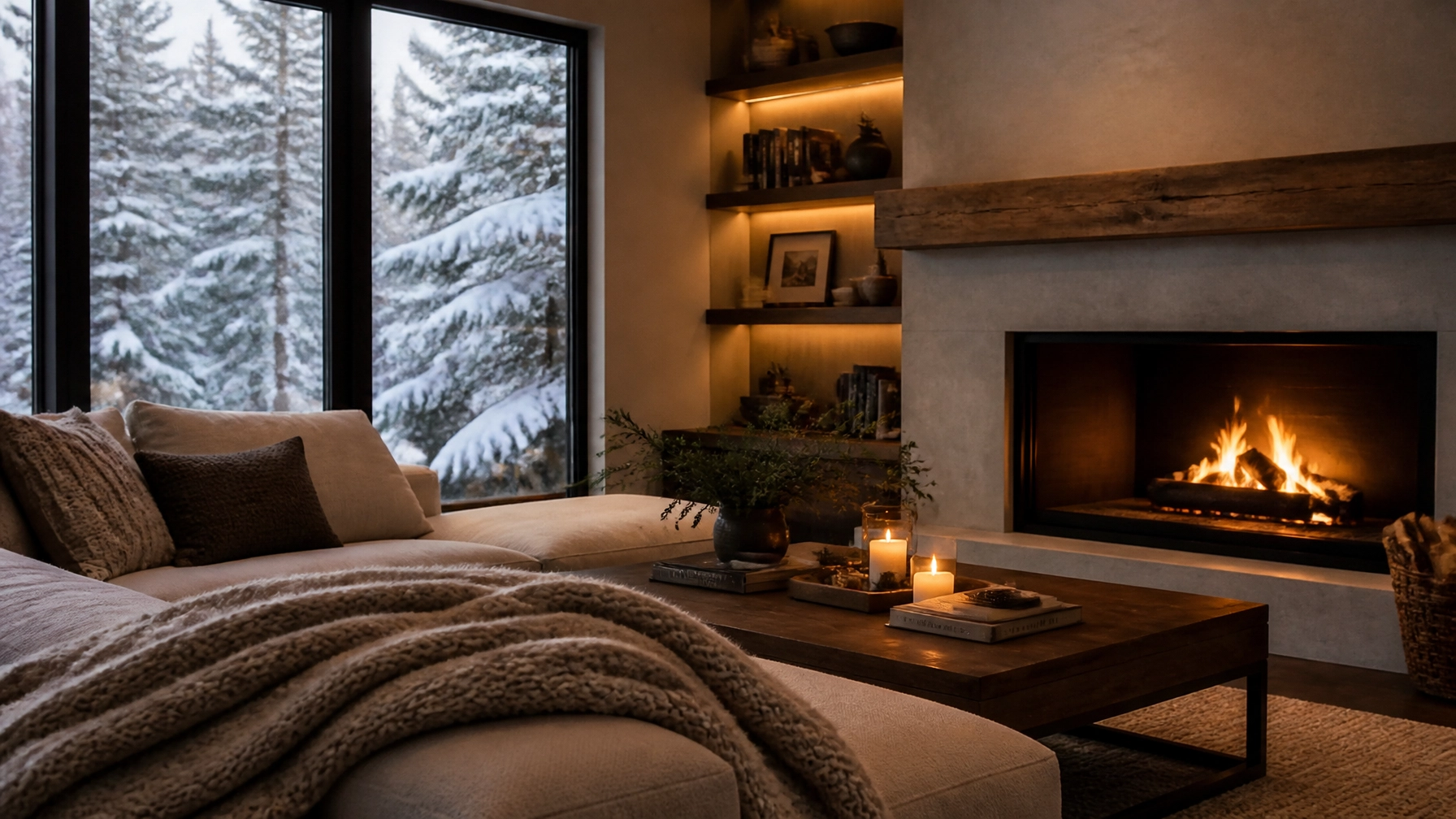
As the temperature drops and the first frost begins to appear on the windows, the focus of household management naturally shifts toward staying warm and comfortable. Preparing a home for winter is more than just a seasonal tradition; it is a critical step in preserving the integrity of the structure, ensuring the safety of those inside, and managing energy costs. However, many homeowners approach winterization with a “set it and forget it” mentality, often overlooking small details that can lead to significant problems once the deep freeze sets in.
Neglecting certain aspects of home maintenance during the transition from autumn to winter can result in drafts that drive up utility bills, frozen pipes that cause thousands of dollars in water damage, or safety hazards like chimney fires and carbon monoxide leaks. By identifying common mistakes and implementing practical fixes, it is possible to create a more resilient and efficient living environment.
This guide explores the most frequent errors made during winter home preparation and provides clear, actionable steps to rectify them, ensuring the home remains a sanctuary of warmth and functionality throughout the coldest months of the year.
1. Ignoring Drafts and Air Leaks
One of the most common mistakes is assuming that as long as the heater is running, the home will stay warm. In reality, a significant amount of heat can escape through tiny gaps around windows and doors, making the heating system work much harder than necessary. This not only leads to higher energy consumption but also creates uncomfortable cold spots throughout the house.
The Fix: Comprehensive Sealing
The first step in fixing this mistake is identifying where the air is leaking. On a windy day, a simple “incense test” can be performed: move a lit incense stick or a candle along the edges of windows, door frames, and even electrical outlets. If the smoke or flame flickers, a draft is present.
Once leaks are identified, several methods can be used to seal them:
- Weatherstripping: Apply adhesive-backed foam or V-strip weatherstripping to the moving parts of windows and doors. This creates a tight seal when the window or door is closed.
- Caulking: Use a high-quality exterior or interior caulk to seal gaps in the permanent frames of windows and doors. Pay close attention to where the frame meets the siding or drywall.
- Door Sweeps: Install a heavy-duty door sweep at the base of all exterior doors. This prevents cold air from rushing in through the gap between the door and the threshold.
- Outlet Insulators: Many people forget that air can travel through the walls and out of electrical outlets. Foam gaskets designed to fit behind outlet plates can significantly reduce these minor but cumulative drafts.

2. Neglecting the Heating System
Waiting until the first sub-zero night to turn on the furnace is a risky strategy. Many homeowners skip professional maintenance or forget to change filters, assuming the system will perform just as it did the previous year. A neglected HVAC system is prone to inefficiency and mechanical failure precisely when it is needed most.
The Fix: Maintenance and Filtration
A heating system should be treated with the same care as a vehicle. Annual professional inspections are vital for identifying worn-out components, checking for cracks in the heat exchanger (which could leak carbon monoxide), and ensuring the system is burning fuel efficiently.
Regular filter changes are perhaps the simplest yet most effective way to maintain a furnace. During the winter months, filters should be checked monthly and replaced at least every 90 days. A dirty filter restricts airflow, forcing the blower motor to work harder, which can lead to overheating and premature failure.
When choosing a filter, consider the Minimum Efficiency Reporting Value (MERV) rating. While higher ratings trap smaller particles, they also restrict more air. For most residential systems, a MERV rating between 8 and 11 provides a good balance between air quality and system performance. Ensuring that all supply and return vents are unobstructed by furniture or curtains also helps maintain the balance of the system.

3. Forgetting Outdoor Water Sources
A common and costly mistake is leaving garden hoses connected to outdoor spigots or failing to drain exterior plumbing lines. When water freezes, it expands. If that water is trapped inside a pipe or a faucet, the pressure can cause the metal or plastic to burst. Often, the damage occurs inside the wall, and the leak isn’t discovered until the pipe thaws, leading to significant flooding.
The Fix: Draining and Insulating
Winterizing outdoor water sources should be high on the priority list before the first hard freeze. The process is straightforward but must be thorough:
- Disconnect Hoses: Remove all garden hoses from outdoor faucets. Drain the hoses and store them in a garage or shed to prevent the rubber from cracking in the cold.
- Shut Off Interior Valves: Most modern homes have an interior shut-off valve for exterior spigots. Turn this valve off, then go outside and open the exterior faucet to let any remaining water drain out. Leave the exterior faucet in the “open” position through the winter.
- Use Faucet Covers: For homes without interior shut-off valves, insulated faucet covers are essential. These foam or fabric covers provide a layer of insulation that traps heat from the house, preventing the faucet from reaching freezing temperatures.
- Blow Out Sprinklers: If the property has an underground irrigation system, it is crucial to have the lines “blown out” with compressed air. Residual water in these lines can shatter sprinkler heads and crack pipes underground.

4. Clogged Gutters and Downspouts
Many homeowners view gutter cleaning as a purely aesthetic task or something that can wait until spring. However, clogged gutters are the primary cause of “ice dams”: thick ridges of solid ice that build up along the eaves of a roof. Ice dams prevent melting snow from draining off the roof, causing water to back up under the shingles and leak into the attic and ceilings.
The Fix: Clear Drainage Paths
Gutters must be cleared of all leaves, twigs, and debris after the last leaves have fallen but before the first major snow. A clear gutter allows meltwater to flow freely to the downspouts.
It is also important to inspect the downspouts to ensure they are not blocked. This can be done by running a garden hose through them. Water should exit the bottom of the downspout and be directed at least three to four feet away from the home’s foundation to prevent basement seepage. In regions with heavy snow, using a roof rake to remove the bottom few feet of snow from the roof after a storm can also help prevent ice dams by keeping the eaves clear of the fuel that creates them.

5. Overlooking Chimney and Fireplace Safety
Using a fireplace for the first time in a season without a proper inspection is a major safety hazard. Over time, burning wood creates a substance called creosote, which adheres to the inside of the chimney. Creosote is highly flammable; if it builds up, a stray spark can ignite a chimney fire that can quickly spread to the rest of the house.
The Fix: Annual Inspection and Cleaning
A professional chimney sweep should inspect the fireplace and chimney once a year. They will check for creosote buildup, blockages such as bird nests or debris, and cracks in the flue liner. A chimney cap is also a wise investment; it keeps animals and rain out of the chimney while preventing sparks from landing on the roof.
For those using gas fireplaces, the vents and pilot lights should be checked for proper operation. Ensure the damper is fully functional and remains closed when the fireplace is not in use to prevent warm air from escaping up the chimney. For more information on maintaining a comfortable and safe home environment, exploring resources like the Everyday Living section of Paris Wheel can provide further practical guidance.
6. Inadequate Attic Insulation
Heat naturally rises. In a poorly insulated home, a phenomenon known as the “stack effect” occurs: warm air escapes through the attic, while cold air is sucked in through the lower levels of the house. If an attic is under-insulated, the homeowner is essentially paying to heat the outdoors.
The Fix: Evaluate and Add Insulation
Homeowners should inspect their attic insulation levels. In many climates, the recommended insulation level is between R-38 and R-60. A simple visual check can often reveal deficiencies; if the insulation is level with or below the attic floor joists, more is likely needed.
Adding blown-in cellulose or fiberglass batts can significantly improve heat retention. However, before adding insulation, it is critical to seal air leaks in the attic floor. Gaps around plumbing stacks, recessed lights, and attic hatches should be sealed with spray foam or caulk. Without air sealing, new insulation will act like a filter rather than a barrier, allowing warm air to pass right through it. Proper ventilation is also key; ensuring that soffit and ridge vents are not blocked by insulation allows the attic to stay cool and dry, which helps prevent ice dams and mold growth.
7. Skipping Safety Device Checks
Winter brings an increased reliance on heating equipment, candles, and holiday lighting, all of which increase the risk of fire. Furthermore, because houses are sealed more tightly in the winter to conserve heat, the risk of carbon monoxide (CO) poisoning rises if a furnace or fireplace malfunctions.
The Fix: Routine Safety Audits
Testing smoke and carbon monoxide detectors is a task that should never be skipped during winter prep. Batteries should be replaced, and the devices themselves should be tested using the built-in test button. It is recommended to have CO detectors on every floor of the home and near every sleeping area.
In addition to detectors, every household should have a winter emergency kit. This kit should include:
- Flashlights and extra batteries.
- A three-day supply of non-perishable food and water.
- A first-aid kit.
- Extra blankets and warm clothing.
- A battery-powered or hand-crank weather radio.
Checking the expiration dates on fire extinguishers and ensuring everyone in the household knows how to use them is the final step in a comprehensive winter safety plan.
Conclusion
Preparing a home for the winter months requires a proactive approach that looks beyond the obvious. By addressing these seven common mistakes: sealing drafts, maintaining heating systems, protecting outdoor plumbing, clearing gutters, inspecting chimneys, upgrading insulation, and verifying safety devices: homeowners can ensure a season of comfort and security.
Taking the time to perform these tasks in the autumn prevents the stress and expense of emergency repairs during a snowstorm. A well-prepared home is not only more comfortable and safer but also more cost-effective, allowing residents to enjoy the beauty of the season without the worry of preventable household failures. For those seeking to improve their daily routines and home functionality, staying informed through practical guides is the best way to maintain a high quality of life year-round.

