
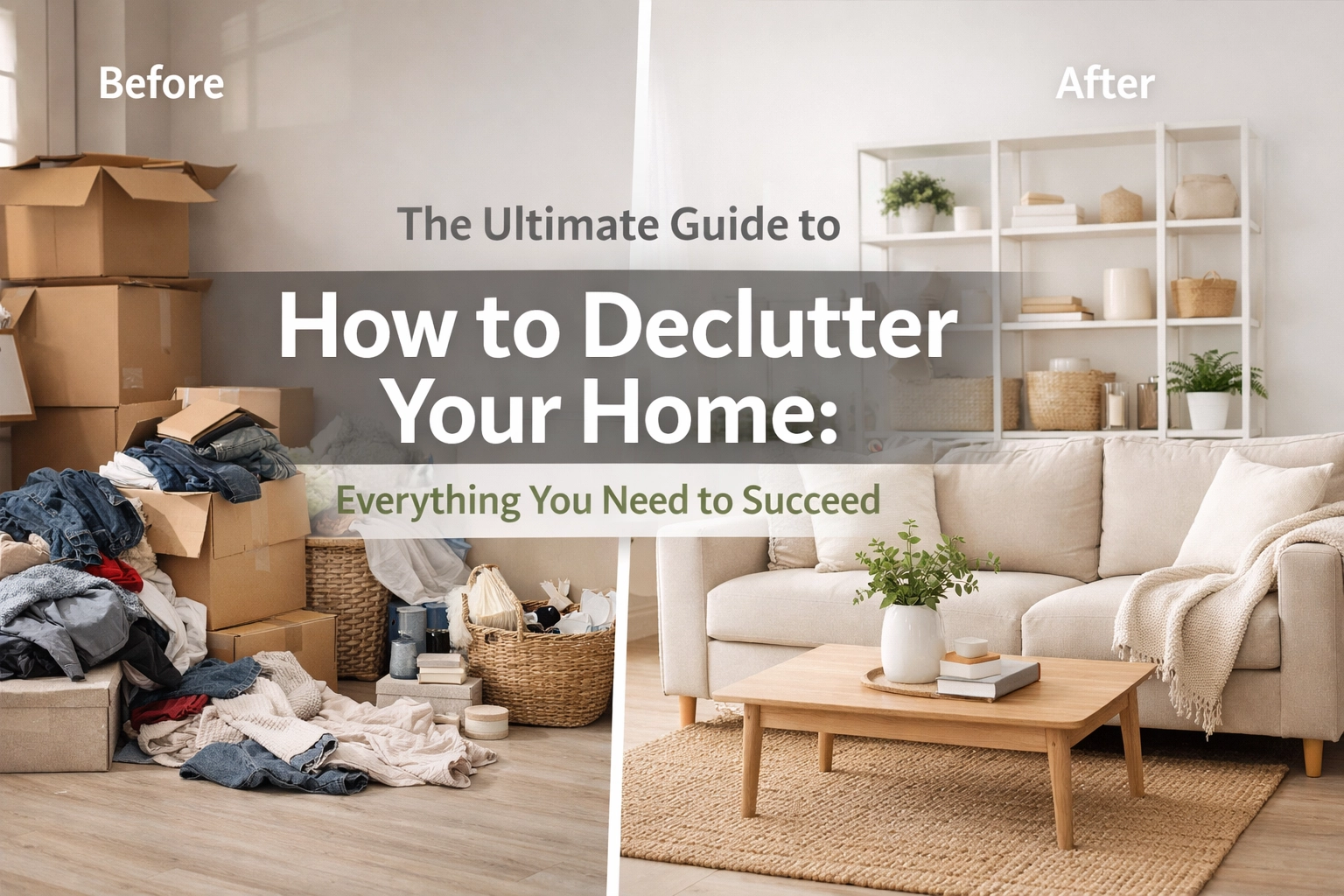
A home is meant to be a sanctuary, a place of rest, and a functional space for daily life. However, over time, possessions can accumulate until the environment feels restrictive rather than supportive. Clutter is not simply a collection of objects; it is a series of unmade decisions. Every item that sits unused or out of place represents a choice that has been postponed.
The process of decluttering is about more than just cleaning. It is an intentional practice of evaluating what is truly necessary and what serves a purpose in the current season of life. By removing the excess, it becomes possible to reclaim space, reduce daily stress, and improve the efficiency of a household. This guide provides a comprehensive framework for systematically addressing every area of the home, offering practical strategies to achieve and maintain an organized living space.
Understanding the True Cost of Clutter
Before picking up a single box, it is helpful to recognize why decluttering matters. Items kept “just in case” or out of guilt occupy physical square footage, but they also occupy mental space. Every object in a home requires maintenance: it must be cleaned, stored, moved, or repaired. When the number of objects exceeds the capacity to manage them, the home becomes a source of chores rather than a place of comfort.
Studies in environmental psychology suggest that cluttered spaces can increase cortisol levels, particularly in women. A disorganized home sends a constant signal to the brain that there is work left unfinished. Decluttering breaks this cycle, allowing for better focus and a more peaceful domestic atmosphere.
Choosing a Timeline and Strategy
Success in decluttering often depends on the approach. A “one-size-fits-all” method rarely works because every household has different needs and schedules.
The One-Month Intensive
This plan is ideal for those who want to see rapid results. It involves committing 20 to 30 minutes every weekday to small zones: such as a single drawer or a bathroom cabinet: and dedicating several hours on weekends to larger categories like the kitchen or the primary closet.
The Slow and Steady Three-Month Plan
For those with busy schedules or high levels of sentimental attachment to items, a three-month plan allows for a more gradual transition. This approach focuses on one room or one major category every two weeks. This pace prevents burnout and gives the mind time to adjust to a more minimalist environment.
The 10-Day Whole House Reset
A 10-day reset is a high-intensity strategy where one major category is tackled each day. For example, Day 1 might be clothing, Day 2 books, Day 3 kitchenware, and so on. This is best suited for individuals who can dedicate full days to the project.

Popular Decluttering Methods
Several established methodologies can help provide structure to the process.
- Swedish Death Cleaning (Döstädning): This method involves organizing and decluttering your home with the realization that others will eventually have to handle your belongings. It encourages keeping only what is truly essential or beautiful, working from large items down to the smallest sentimental trinkets.
- The 10 Percent Method: If the idea of a total overhaul feels overwhelming, start by reducing everything in a category by 10%. If there are 20 coffee mugs, choose two to donate. This builds the “decision-making muscle” without the pressure of a radical purge.
- The Hanger Flip: For closets, turn all clothes hangers backward. When an item is worn and replaced, turn the hanger the correct way. After six months, any hangers still facing the wrong way represent items that have not been used and can likely be removed.
- The Junk Box: If there are items that “might” be useful but haven’t been touched in years, place them in a box with a date one month from now. If the box isn’t opened by that date, the contents are donated without looking inside.
Gathering Essential Supplies
Organization is significantly easier when the right tools are at hand. Before starting, gather the following:
- Large heavy-duty trash bags: For items that are broken, stained, or beyond repair.
- Sturdy cardboard boxes: Labeled “Donate,” “Sell,” and “Relocate.”
- A dedicated “Maybe” box: For items that cause significant hesitation.
- Cleaning supplies: Microfiber cloths and a vacuum, as decluttered spaces often reveal hidden dust.
- Labels: To temporarily mark shelves or permanent home storage bins once the sorting is complete.
The Entryway and Mudroom
The entryway is the transition point between the world and the home. It is often a magnet for “transient clutter” like mail, shoes, and bags.
To declutter this space:
- Limit Footwear: Keep only the pairs worn most frequently. Seasonal shoes should be stored in home garden furniture units or closets.
- Evaluate Outerwear: Check for outgrown jackets or broken umbrellas. If a coat hasn’t been worn in two seasons, it is a candidate for donation.
- Process Paper Immediately: Place a recycling bin near the door to catch junk mail before it reaches the kitchen counter.
The Kitchen: Managing the Heart of the Home
The kitchen is often the most difficult room to declutter because of the sheer volume of small items. The key is to organize by function and frequency of use.
Countertops
Clear surfaces make a kitchen feel larger and more functional. Only appliances used daily: such as a coffee maker or toaster: should remain on the counter. Items like stand mixers or specialized gadgets can be moved to lower cabinets or kitchen and dining storage areas.
Cabinets and Drawers
Empty one cabinet at a time. Group similar items together: baking supplies, pots and pans, and food storage containers.
- The Lid Match: Ensure every plastic container has a matching lid. If it doesn’t, recycle it.
- Duplicate Tools: Most households only need one or two spatulas and a single set of measuring cups. Extra sets often just create friction when looking for the right tool.
The Pantry
Check expiration dates on all canned and dry goods. Group items by type (grains, snacks, baking) and consider using clear bins to see exactly what is in stock. This prevents overbuying and reduces food waste.

The Living Room: Creating a Relaxing Environment
The living room should be a place of rest, but it often becomes a “catch-all” for various activities.
- Furniture Layout: Evaluate if every piece of furniture serves a purpose. Sometimes, a room feels cluttered because there are too many side tables or ottomans.
- Media and Electronics: Consolidate remote controls and manage tangled cables. For older media like DVDs or CDs, consider digitizing or keeping only the favorites.
- Surface Decor: Use the “Rule of Three” for coffee tables and shelves. Group items in threes rather than spreading many small objects across a surface. A single clock or a focused piece of art is often more impactful than dozens of knick-knacks.
Bedrooms and Closets
The bedroom should be the most peaceful room in the house. Clutter here can directly impact sleep quality.
The Bedside Table
Keep only the essentials: a lamp, a book, and perhaps a glass of water. Use drawers for smaller items like charging cables or medications to keep the surface clear.
The Closet
Clothes often carry emotional weight, representing past versions of ourselves or future goals.
- The Fit Test: If an item doesn’t fit comfortably now, it shouldn’t be in the primary closet.
- The Style Test: Fashion tastes change. If an item no longer reflects current style preferences, even if it is in good condition, it is time to pass it on. This applies to everything from men’s t-shirts to specialized coats and jackets.
- Seasonal Rotation: Store off-season items in bins under the bed or on high shelves to give the current wardrobe room to breathe. Items like cardigans and jumpers take up significant space and don’t need to be accessible in the summer.

Bathrooms and Beauty
Bathrooms are small spaces where clutter can quickly feel overwhelming.
- Audit Products: Skincare and beauty products have expiration dates. Toss anything that has changed texture, color, or scent.
- Simplify Tools: Evaluate tools and accessories like hair dryers, brushes, and specialized applicators. Keep only what is used regularly.
- Linen Management: Most individuals only need two sets of towels and two sets of bed linens. Excess linens can be donated to animal shelters.
Home Office and Paper Management
In the digital age, paper remains one of the most persistent forms of clutter.
- The Filing System: Create a simple system for active papers: “To Do,” “To File,” and “To Shred.”
- Digital Alternatives: Scan important documents and save them to a secure cloud drive. Most manuals for electronics and office equipment can be found online, so physical copies are rarely necessary.
- Dedicated Storage: Use home office storage solutions like vertical file holders or drawer dividers to keep stationery and tech accessories organized.

Handling Sentimental Items
The hardest part of decluttering is dealing with items that have emotional value. These should always be handled last, once the decision-making “muscle” is strong.
- The Photo Strategy: If an object is kept solely for the memory it triggers, take a high-quality photo of it and then let the physical item go.
- The Memory Box: Limit sentimental items to a single, beautiful box. When the box is full, one item must be removed before a new one is added.
- Honor the Item: If something is truly special, display it properly rather than leaving it in a basement box. If it isn’t worth displaying, ask why it is being kept.
Maintenance: Keeping the Clutter Away
Decluttering is not a one-time event; it is a habit. To maintain the results:
- The One-In, One-Out Rule: For every new item brought into the home, one similar item must leave. If new shorts are purchased, an old pair should be donated.
- Daily Reset: Spend 10 minutes every evening returning items to their designated homes.
- Stop Clutter at the Source: Be intentional about purchases. Before buying, ask: “Where will this live?” and “Does this replace something I already own?”
- Manage Hobbies: Specialized gear for camping and hiking or other sports and outdoors activities should be stored in dedicated bins, labeled clearly so they are easy to find and put away.
- Toys and Kids’ Gear: Periodically review toys, kids, and baby items. Children outgrow toys quickly; rotating a small selection of toys and donating outgrown items keeps play areas manageable.
Disposal Strategies
Once the “Donate” and “Sell” boxes are full, they must leave the house immediately.
- Donating: Find local charities that align with personal values. Many organizations offer pickup services for larger items.
- Selling: Use online marketplaces for high-value items, but set a deadline. If it hasn’t sold in two weeks, donate it. The goal is to clear the space, not to run a small business.
- Recycling: Research local centers for hard-to-recycle items like old smart home devices or batteries.

Living with Less
A decluttered home provides more than just aesthetic appeal. It provides time. When there is less to clean, less to organize, and less to look for, there is more time for the activities and people that matter most. By following a systematic approach and choosing methods that fit a specific lifestyle, anyone can transform a cluttered house into a functional, peaceful home. Success is not found in perfection, but in the consistent choice to keep only what adds value to life.

