
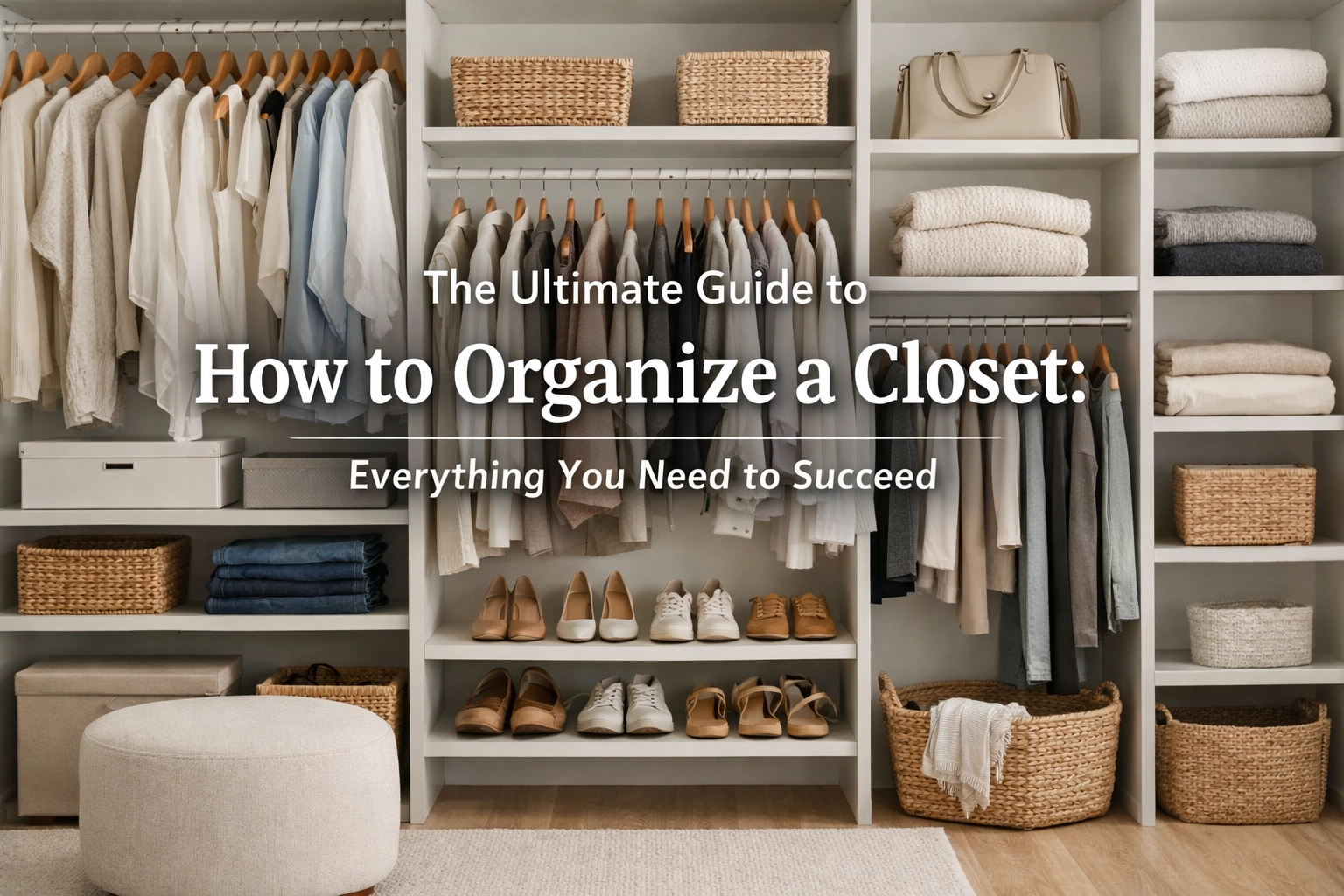
A well-organized closet is the cornerstone of an efficient daily routine. When a storage space is cluttered, it creates unnecessary stress and wastes time during the morning rush. Transitioning from a chaotic wardrobe to a structured system requires more than just moving items around; it demands a strategic approach to decluttering, spatial planning, and consistent maintenance.
This guide provides a comprehensive framework for transforming any closet into a functional, aesthetically pleasing space. By following these steps, it is possible to maximize storage capacity and ensure that every item has a designated home.
The Importance of a Closet Audit
The first step in any organization project is a thorough assessment of the existing space and its contents. It is impossible to organize a closet that is overfilled with items that are no longer used or needed.
Begin by removing everything from the closet. This allows for a clear view of the actual square footage and any structural limitations, such as awkward corners or low-hanging rods. While the closet is empty, take the opportunity to clean the interior. Dust the shelves, vacuum the floor, and wipe down the walls. A clean slate provides the necessary momentum for a successful reorganization.
For those looking to expand their knowledge on home management, exploring resources in everyday living can provide additional context for maintaining a balanced household.

The Decluttering Phase: Categorization and Decision-Making
Decluttering is often the most challenging part of the process, but it is the most vital. Every item removed from the closet must be categorized into one of four piles: Keep, Donate, Sell, or Discard.
To make objective decisions, ask the following questions for each piece of clothing or accessory:
- Does this item still fit properly?
- Has it been worn in the last twelve months?
- Is it in good repair, or does it require professional mending?
- Does it align with a current personal style?
If an item is damaged beyond repair, it should be discarded or recycled. If it is in good condition but no longer serves a purpose, donating or selling is the best option. Removing the excess ensures that the final organization system only has to accommodate items that are truly valued.
Measuring and Mapping the Space
Once the inventory is thinned out, the next step is to measure the closet dimensions. High-quality organization relies on precision. Measure the width of the walls, the height of the ceiling, and the depth of the shelves.
Consider the “Prime Real Estate” rule. The space between the shoulders and the knees is the most accessible area and should be reserved for items worn most frequently, such as a t-shirt regular fit or daily trousers. High shelves should be used for lightweight, infrequently used items, while the floor or lower shelves are ideal for shoes and heavy bins.
Selecting the Right Storage Solutions
Not all storage tools are created equal. The goal is to choose solutions that maximize the specific dimensions of the closet.
Uniform Hangers
One of the simplest ways to make a closet look professional and organized is to switch to uniform hangers. Slimline velvet hangers are popular because they prevent clothes from slipping and take up significantly less space than bulky plastic or wooden versions. For heavier items like a denim jacket or a hooded jacket, sturdier hangers may be necessary to maintain the garment’s shape.
Shelf Dividers and Bins
Shelf dividers prevent stacks of clothing from toppling over, keeping sweaters and jeans in neat rows. For smaller items, clear acrylic bins are highly effective because they allow for visibility. Being able to see what is inside a container reduces the likelihood of rummaging and creating new messes.

Advanced Organization Methods
Once the hardware is in place, decide on an organization logic. There are two primary methods used by professional organizers:
Categorization by Type and Color
Group all similar items together: all short-sleeve shirts in one section, all long-sleeve shirts in another. Within those sections, organize the items by color, following the sequence of the rainbow (ROYGBIV), starting with white and ending with black. This makes finding a specific jogging top or a jacket skinny fit much faster.
Categorization by Lifestyle
If the daily routine involves distinct dress codes: such as formal office wear and casual athletic wear: organizing by activity may be more beneficial. Create a “Work” zone, a “Gym” zone, and an “Evening” zone. This layout mimics how a person thinks while getting dressed for specific parts of their day.
Maximizing Vertical Space
In many closets, the space above the highest rod or near the ceiling is underutilized. Installing additional shelving or using stackable bins can double the storage capacity in these areas.
For accessories, consider the back of the closet door. Over-the-door organizers can hold everything from scarves to cleaning supplies. Even small additions, like a 360-degree rotating cosmetic receiving box placed on a shelf, can keep small accessories or beauty products neatly contained.

Shoe Storage Strategies
Shoes are often the most difficult items to organize due to their varying shapes and sizes.
- Clear Shoe Boxes: These are stackable and protect footwear from dust while keeping them visible.
- Cubby Systems: Ideal for flat shoes, sneakers, and sandals.
- Heel-to-Toe Placement: To save space on narrow shelves, place one shoe facing forward and the other facing backward. This allows more pairs to fit in a single row.
Drawer Organization and Folding Techniques
Drawers often become “junk zones” if not managed properly. Implementing a vertical folding method: where clothes are folded into small rectangles and stood upright: allows every item to be visible at a glance.
Drawer dividers are essential for keeping categories separated. Use them to create sections for socks, underwear, and summer shorts. This prevents items from shifting when the drawer is opened and closed.

Managing Seasonal Rotations
For those with smaller closets, a seasonal rotation is the most effective way to keep the space manageable. When the weather changes, remove off-season items and move them to long-term storage.
Vacuum-sealed bags are excellent for bulky winter coats and blankets as they reduce the volume significantly. For those who store seasonal items in a garage or secondary storage area, a car trunk storage bag can be a practical tool for transporting and protecting items during the transition.
Labels are crucial during this phase. Clearly mark every bin with its contents (e.g., “Winter Accessories” or “Beach Wear”) to ensure that retrieving items next season is a seamless process.
Lighting and Visibility
Visibility is a key factor in maintaining an organized system. If the closet is dark, items will inevitably get lost in the corners. If hardwiring a light fixture is not an option, battery-operated LED motion-sensor lights are an affordable and effective alternative.
Improving visibility ensures that every corner of the closet is functional. Even small lighting solutions, like a luminous LED bookmark lamp kept nearby, can assist when looking for small items in deep drawers or dark corners.

Long-Term Maintenance Habits
The success of a closet organization system is measured by its longevity. To prevent the space from reverting to chaos, implement a few simple habits:
- The One-In, One-Out Rule: For every new item purchased, one old item must be donated or sold.
- Daily Reset: Spend two minutes each evening hanging up clothes and putting shoes away.
- Monthly Tidy: Once a month, quickly scan the shelves to straighten any tilted stacks or misplaced items.
- The Reverse Hanger Trick: Turn all hangers backward. When an item is worn and replaced, turn the hanger the right way. After six months, any hangers still facing backward identify items that are not being used and are candidates for decluttering.
A functional closet is not about having a perfect, magazine-ready display; it is about creating a system that supports a specific lifestyle. By investing the time to audit, plan, and organize, any closet: regardless of size( can become an asset to the home.)

