
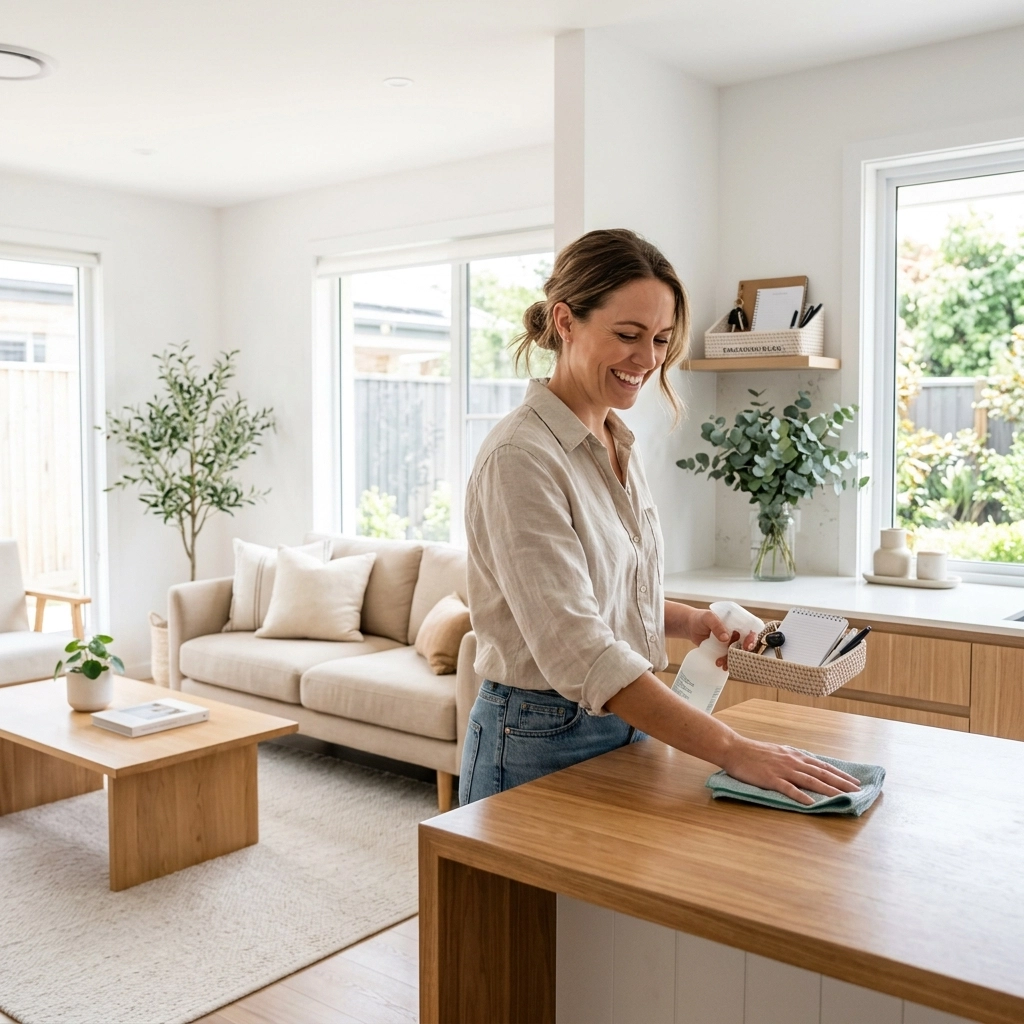
Maintaining a clean and organized living space often feels like a secondary full-time job. Between professional responsibilities, personal growth, and social commitments, the accumulation of household chores can lead to significant stress. Many individuals find themselves trapped in a cycle of “marathon cleaning”: spending entire weekends scrubbing and sorting: only for the home to return to a state of disarray by Wednesday.
The shift from reactive cleaning to proactive routine management is the key to reclaiming time. By implementing systematic hacks, the focus moves from “cleaning up” to “keeping up.” This transition reduces the cognitive load associated with household management and ensures that the home remains a place of relaxation rather than a source of anxiety.
The Psychological Impact of a Streamlined Home
A cluttered environment often mirrors a cluttered mind. Research in environmental psychology suggests that visual clutter can increase cortisol levels, the body’s primary stress hormone. When a living space is filled with unfinished tasks: piles of mail, unwashed dishes, or scattered clothing: the brain perceives these items as “to-do” signals that never turn off.
Establishing a routine is not merely about aesthetics; it is about mental health. A predictable environment provides a sense of control. When household tasks are integrated into the daily flow of life, they lose their power to overwhelm. This article explores seven practical hacks designed to minimize the time spent on daily tidy-ups while maximizing the functional beauty of the home.
1. The Focused Timer Strategy
One of the most significant barriers to tidying is the perception of how long a task will take. Humans are notoriously poor at estimating time, often overestimating the duration of unpleasant tasks. This lead to procrastination. The focused timer strategy, often compared to the Pomodoro Technique used in professional settings, creates a hard boundary for household chores.
Setting a timer for a specific window: typically 15 to 30 minutes: creates a sense of urgency. This “sprint” mentality prevents the common pitfall of getting distracted by deep-cleaning tasks when the goal is a general tidy-up. For instance, if the goal is to tidy the living room, a 15-minute timer ensures the focus remains on picking up items and surface cleaning rather than reorganizing the entire bookshelf.
To make this routine more engaging, some households use tools like a flying alarm clock to signal the start or end of a cleaning burst, turning a mundane task into a time-sensitive challenge. The goal is to stop exactly when the timer goes off. This prevents burnout and makes the prospect of tidying the next day less daunting.

2. Applying the Two-Minute Rule
The “Two-Minute Rule,” popularized by productivity experts, states that if a task takes less than two minutes to complete, it should be done immediately rather than added to a list or deferred. In a household context, this rule is the ultimate defense against “micro-clutter.”
Micro-clutter consists of small items that take moments to handle but, when ignored, create a visual mess. Examples include:
- Hanging up a coat instead of tossing it on a chair.
- Placing a used dish directly into the dishwasher.
- Processing a piece of mail as soon as it enters the house.
- Wiping a water spill off the bathroom counter.
By performing these actions immediately, the homeowner prevents the “pile-up effect.” Dealing with one jacket is easy; dealing with a week’s worth of coats, bags, and shoes that have accumulated in the entryway is an exhausting chore. For items that tend to migrate, such as accessories or small tools, having a dedicated spot: like a 360-degree rotating cosmetic receiving box for toiletries: ensures that the two-minute rule is easy to follow because every item has a clear destination.
3. Mastering Daily Micro-Decluttering
Micro-decluttering is the practice of removing unnecessary items from a space in small, daily increments rather than waiting for a major seasonal purge. This hack focuses on “hot spots”: areas where clutter naturally gravitates, such as the entryway table, the kitchen island, or the bedside table.
A daily micro-decluttering session might involve taking five minutes to look for three items that no longer serve a purpose or belong in that room. This could be an empty pen, a catalog that has already been read, or a piece of clothing that needs repair. For example, using a hair ball trimmer to refresh a sweater before putting it back in the closet is a form of micro-maintenance that prevents the closet from filling with “unwearable” items.
Consistent micro-decluttering ensures that the volume of “stuff” in the home remains manageable. It also hones the ability to make quick decisions about what is valuable and what is excess. When the total number of items in a room is lower, the daily tidy-up naturally becomes faster.

4. The Art of Cleaning as You Cook
The kitchen is frequently the most high-traffic and high-mess area of the home. The “clean as you cook” philosophy transforms the kitchen routine from a two-part process (cooking, then cleaning) into a single, integrated workflow.
Efficiency in the kitchen relies on utilizing “dead time.” While waiting for water to boil, an oven to preheat, or a sauce to simmer, one can:
- Load used prep bowls into the dishwasher.
- Wipe down the cutting board.
- Return spices to the cabinet.
- Empty the trash or recycling.
By the time the meal is served, the only remaining items to clean should be the plates and the final cooking vessel. This prevents the “post-dinner slump,” where the desire to relax is hindered by a mountain of greasy pans. For those who enjoy reading recipes or books in the kitchen, keeping surfaces clear is essential; a portable bookmark light can help keep reading materials organized and accessible without taking up valuable counter space.
5. The Daily Dishwasher Reset
A sink full of dirty dishes is a major psychological barrier to maintaining a tidy home. It makes the kitchen feel unusable and signals that the household is “behind” on chores. The daily dishwasher reset is a logistical hack that ensures the kitchen sink remains empty.
The routine involves two main steps:
- The Morning Unload: Empty the dishwasher every morning while the coffee is brewing or breakfast is being prepared. This takes roughly five to seven minutes.
- The Evening Load: Throughout the day, dishes go directly into the empty dishwasher. After dinner, the final dishes are added, and the cycle is started.
This cycle ensures that dirty dishes never have the opportunity to sit in the sink. It also simplifies the transition between meals. When the dishwasher is always ready to receive new items, the kitchen surfaces stay clearer for longer. This routine is part of a larger strategy of “resetting” the home for the next day’s activities.

6. Targeted High-Traffic Floor Refresh
Attempting to vacuum or mop every inch of the home daily is unrealistic for most. Instead, a targeted floor refresh focuses only on high-traffic zones where dirt and debris accumulate most rapidly. These areas typically include the entryway, the area around the kitchen stove, and the path through the living room.
A five-minute sweep or a quick run with a cordless vacuum in these zones can significantly improve the overall “feel” of the home. Dust and pet hair tend to travel; by catching them in the high-traffic zones, the homeowner prevents them from spreading to the corners of less-used rooms.
For fabric surfaces like sofas or rugs that attract lint and hair, using a multifunctional dust-removing brush can be a quick way to refresh the appearance of the room without needing to pull out heavy machinery. Maintaining these surfaces daily prevents the buildup of allergens and keeps the home looking professionally cleaned with minimal effort.
7. The Nightly Room Reset
The final hack is perhaps the most impactful for mental well-being: the nightly room reset. This is not a deep clean, but a five-to-ten-minute sweep of the main living areas before retiring for the evening.
The goal of the nightly reset is to ensure that the “morning self” wakes up to a neutral environment. Tasks include:
- Fluffing the sofa cushions.
- Folding the throw blankets.
- Clearing the coffee table of mugs or remotes.
- Straightening the dining chairs.
When one wakes up to a room that is already in order, the day starts with a sense of calm rather than a list of chores. This habit also helps in locating essential items; for instance, ensuring keys are in their place: perhaps aided by a wireless key finder: prevents morning panic. The nightly reset provides a “closed” signal to the day, allowing for better transition into sleep.

Advanced Organization: Zone Management
Beyond these daily hacks, long-term efficiency is supported by “zone management.” This involves organizing the home based on how tasks are performed. If a car is frequently used for weekend trips, keeping a folding car utility storage bag in the trunk ensures that gear doesn’t clutter the home’s entryway.
Similarly, managing personal items with specific storage solutions, such as a sanitary napkin storage bag for discrete bathroom organization, reduces the “visual noise” in cabinets. When every category of item has a designated “zone,” the act of tidying becomes an automatic process of returning items to their homes.
Maintaining Consistency: The Power of Habit Loops
The success of these hacks relies on the formation of habit loops: a cue, a routine, and a reward.
- The Cue: The coffee machine finishing (for unloading the dishwasher).
- The Routine: Unloading the clean dishes.
- The Reward: A clear sink and a functional kitchen for the rest of the day.
Consistency is more important than perfection. Missing a day is not a failure of the system; the system is designed to be resilient. Because these hacks are short, it is easy to jump back into the routine. Over time, these actions become “invisible” as they integrate into the natural flow of the day.

Creating a Sensory-Friendly Environment
A tidy home is not just about what is seen, but how the space feels and smells. Once the physical clutter is managed through the seven hacks, the atmosphere can be enhanced to reinforce the feeling of a “clean” home. Using a scented candle can provide a sensory reward after a nightly reset, signaling that the work is done and it is time to relax.
For those managing health or household wellness, integrating routine checks: such as using an electronic blood pressure monitor: becomes easier when the environment is calm and organized. A structured home supports a structured life.
By focusing on these seven quick household routine hacks, the burden of cleaning is distributed into manageable, bite-sized tasks. This approach preserves the home as a sanctuary, ensuring that time is spent enjoying the space rather than constantly maintaining it. For more insights into optimizing daily life and home management, exploring the Paris Wheel site map provides a wealth of educational resources.

