
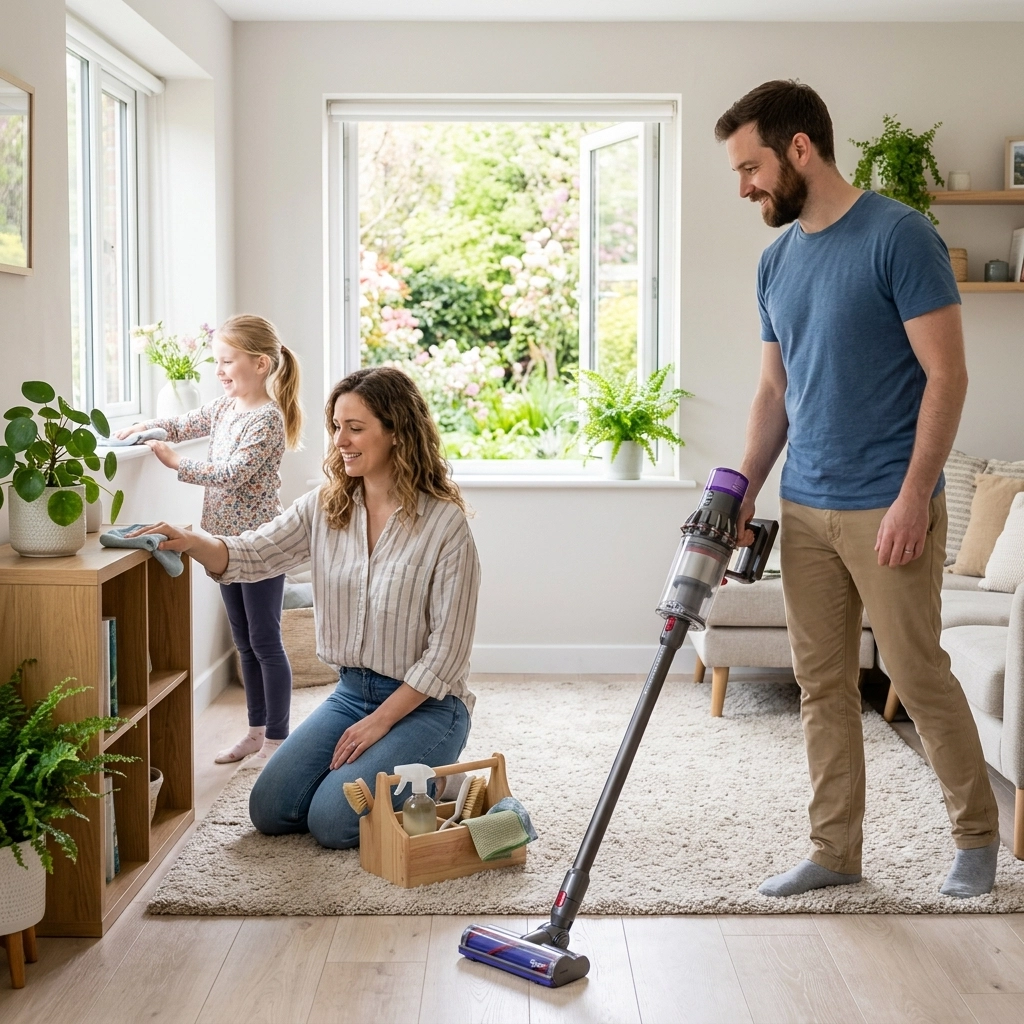
Spring cleaning is a seasonal ritual that serves a purpose far beyond simple aesthetics. As the weather shifts and the home transitions from the closed-off environment of winter to the open, airy nature of spring, a deep clean becomes essential for maintaining indoor comfort and air quality. For families, this process involves more than just a quick dusting; it requires a systematic approach to eliminate the allergens, dust, and grime that accumulate during the colder months.
A comprehensive spring clean focuses on high-impact areas that directly affect daily living. By breaking the process down into five manageable steps, it is possible to transform the home into a healthier, more organized environment without feeling overwhelmed by the scale of the task.
Step 1: Revitalize the Bedrooms for Better Rest
The bedroom is the most personal space in the home and plays a vital role in restorative health. Over the winter, bedding accumulates skin cells, dust mites, and pet dander, which can aggravate allergies and reduce sleep quality.
Deep Cleaning the Bedding
The first task is to strip every bed in the house. This includes not only sheets and pillowcases but also comforters, duvets, and mattress protectors. Many heavy blankets and comforters can be laundered at home, but checking the care labels is crucial. Using a high-temperature wash for items that allow it helps to kill dust mites effectively.

Mattress Maintenance
Once the mattress is bare, use a vacuum with an upholstery attachment to clean the surface. Pay close attention to seams and crevices where dust tends to settle. Rotating the mattress 180 degrees is a standard recommendation to ensure even wear and extend the lifespan of the product. If the mattress is several years old, this is also an ideal time to inspect it for signs of sagging or damage.
Closet Transition and Organization
Spring is the natural time to rotate seasonal wardrobes. Remove heavy winter coats, sweaters, and boots. Before storing these items, ensure they are clean to prevent moths or mildew during the off-season. Storing winter gear in clear bins or vacuum-sealed bags helps maintain order. For those looking to streamline their space, reviewing a guide on small bedroom organization can provide strategies for maximizing limited closet area.
Step 2: Sanitize Bathrooms and Manage Humidity
Bathrooms are high-moisture environments, making them susceptible to mold, mildew, and mineral buildup. A deep clean in this area focuses on sanitation and the proper functioning of ventilation systems.
Scrubbing and Resealing
Focus on the grout lines in the shower and bathtub. Over time, grout can become discolored due to soap scum and hard water. A mixture of baking soda and water or a specialized grout cleaner, paired with a stiff brush, can restore the original color. If the grout or caulk is cracked or peeling, it may be necessary to remove the old material and apply a fresh seal to prevent water damage behind the walls.
Ventilation and Air Quality
The bathroom exhaust fan is often overlooked. Dust buildup on the fan cover reduces its efficiency, leading to higher humidity levels and a greater risk of mold growth. Remove the cover, wash it with soapy water, and use a vacuum to remove dust from the fan motor and housing. Improving airflow is a critical component of maintaining indoor comfort.
Medicine Cabinet and Vanity Purge
Clear out the vanity and medicine cabinets. Properly dispose of expired medications and toss beauty products that have changed consistency or scent. Cleaning the interior of these cabinets with a damp cloth prevents the buildup of dust and leaked liquids. This is also a good time to inspect mirrors for damage or desilvering. Information regarding different styles of mirrors can help in identifying if a replacement is needed to refresh the room’s aesthetic.
Step 3: Tackle the Kitchen and Food Storage Areas
The kitchen is the busiest room in most family homes. Deep cleaning this area involves a combination of degreasing surfaces and organizing food storage to ensure a safe cooking environment.
Appliance Deep Clean
Appliances work harder when they are dirty. Start by cleaning the refrigerator. Remove all shelves and bins, washing them in the sink with warm, soapy water. Wipe down the interior walls and the door seals. Vacuuming the refrigerator coils (usually located at the back or bottom) can improve energy efficiency by up to 30%.
Move on to the oven and dishwasher. Use the self-clean cycle on the oven or a manual degreaser for the racks. For the dishwasher, clean the filter at the bottom and run a cycle with a bowl of white vinegar on the top rack to remove mineral deposits and odors.
Pantry and Cabinet Organization
Empty the pantry and wipe down the shelves. Check expiration dates on canned goods and dry items. Using transparent bins or specialized fruit organizers can help keep healthy snacks visible and accessible. A well-organized pantry reduces food waste and makes meal preparation more efficient. For detailed strategies, refer to this guide on how to organize a pantry.

Degreasing High Surfaces
Grease from cooking rises and settles on the tops of cabinets, light fixtures, and range hoods. These surfaces become sticky and trap dust. Use a heavy-duty degreaser or a mixture of dish soap and water to cut through the film. Cleaning these hidden spots significantly reduces lingering kitchen odors.
Step 4: Refresh Living Areas and Social Spaces
Living rooms and family rooms are where families gather, meaning these areas harbor the most dust and pet dander. Refreshing these spaces requires a “top-to-bottom” approach.
Dusting and Upholstery
Start at the ceiling and work down. Dust ceiling fans, crown molding, and the tops of bookshelves. Once the dust has settled, move to the furniture. Vacuum upholstered sofas and chairs, removing the cushions to find hidden debris. If the fabric is durable, consider using a steam cleaner to remove deep-seated odors and stains.
Soft Goods and Windows
Wash throw blankets and pillow covers. These items frequently touch skin and hair and can become magnets for allergens. Clean the windows, both inside and out, to allow more natural light into the home. Wipe down the window tracks and frames, where dead insects and dust often accumulate during the winter.
Sanitizing High-Touch Zones
Identify the “high-touch” surfaces that are handled daily but rarely cleaned. This includes television remotes, game controllers, light switches, and door handles. A quick wipe with a disinfecting cloth helps prevent the spread of seasonal illnesses. When considering home security and hardware, ensuring that door locks are clean and functioning smoothly is also a part of general home maintenance.
Step 5: Final Deep Cleaning, Floors, and Air Systems
The final step addresses the surfaces that tie the whole home together: the floors and the air circulation systems.
Floor Care
Move furniture to vacuum or mop the areas that are usually hidden. For hardwood or laminate floors, use a damp mop with a cleaner specifically formulated for the material to avoid warping or dulling the finish. For carpets, a professional-grade steam clean can remove the salt and dirt tracked in during the winter months.
Baseboards and Trim
Wiping down baseboards is a tedious but rewarding task. Use a microfiber cloth and a mild cleaning solution to remove the scuffs and dust that have settled along the floor perimeter. This small detail makes a significant difference in the overall “finished” look of a room.

Air Quality Management
To truly improve indoor comfort, the air itself must be addressed. Replace the HVAC filters. During the spring, pollen counts rise, and a clean, high-quality filter (such as a HEPA filter) can trap these particles before they circulate through the house. Dust the vents and returns to ensure air can flow freely. Maintaining a consistent household cleaning routine ensures these air quality checks happen regularly.
The Impact of Clutter on Deep Cleaning
A deep clean is significantly more difficult when surfaces are cluttered. Decluttering should ideally happen before the deep cleaning begins. By removing items that are no longer used or needed, the cleaning process becomes faster and the results are more visible.
Using various storage and organization tools can help keep the home tidy long after the spring clean is finished. Implementing a 5-minute daily declutter routine can prevent the buildup of items on counters and tables, making the next seasonal deep clean much easier to manage.

Enhancing Indoor Comfort for the Family
Beyond cleanliness, indoor comfort is influenced by how the space feels and functions. As temperatures rise, consider swapping out heavy drapes for lighter fabrics to improve natural ventilation. Checking the seals on windows and doors can prevent cooled air from escaping, which helps manage utility costs during the transition to summer.
Lighting and Mood
Natural light has a profound impact on mood and productivity. Cleaning the grime off windows and choosing appropriate makeup mirrors or vanity lighting can brighten up the morning routine. A clean, bright home often feels larger and more inviting, contributing to a sense of calm for all family members.
Routine Maintenance
Spring cleaning is the perfect time to establish a weekly cleaning schedule. When tasks are spread throughout the month, the home stays in a “maintenance” mode rather than falling into a state that requires an exhausting multi-day overhaul. This consistency is particularly helpful for busy families who need to balance household chores with school and work commitments.
Integrating Seasonal Habits
Seasonal living is about adapting the home environment to the current time of year. In the spring, this might involve setting up planters for an indoor herb garden or refreshing the entryway to handle spring rains.
Morning and Evening Success
A clean home supports a better daily flow. When the kitchen is organized and the living spaces are clear of dust, a quick-start morning routine becomes much easier to execute. The lack of physical clutter reduces mental “noise,” allowing parents and children to focus on the day ahead.

Conclusion on Home Health
The ultimate goal of a deep spring clean is to create a safe, healthy, and comfortable sanctuary. By systematically addressing the bedrooms, bathrooms, kitchen, living areas, and the home’s mechanical systems, families can significantly reduce indoor pollutants and improve their overall quality of life. Using room-by-room storage solutions ensures that the hard work put into a deep clean lasts throughout the season and into the next.

