
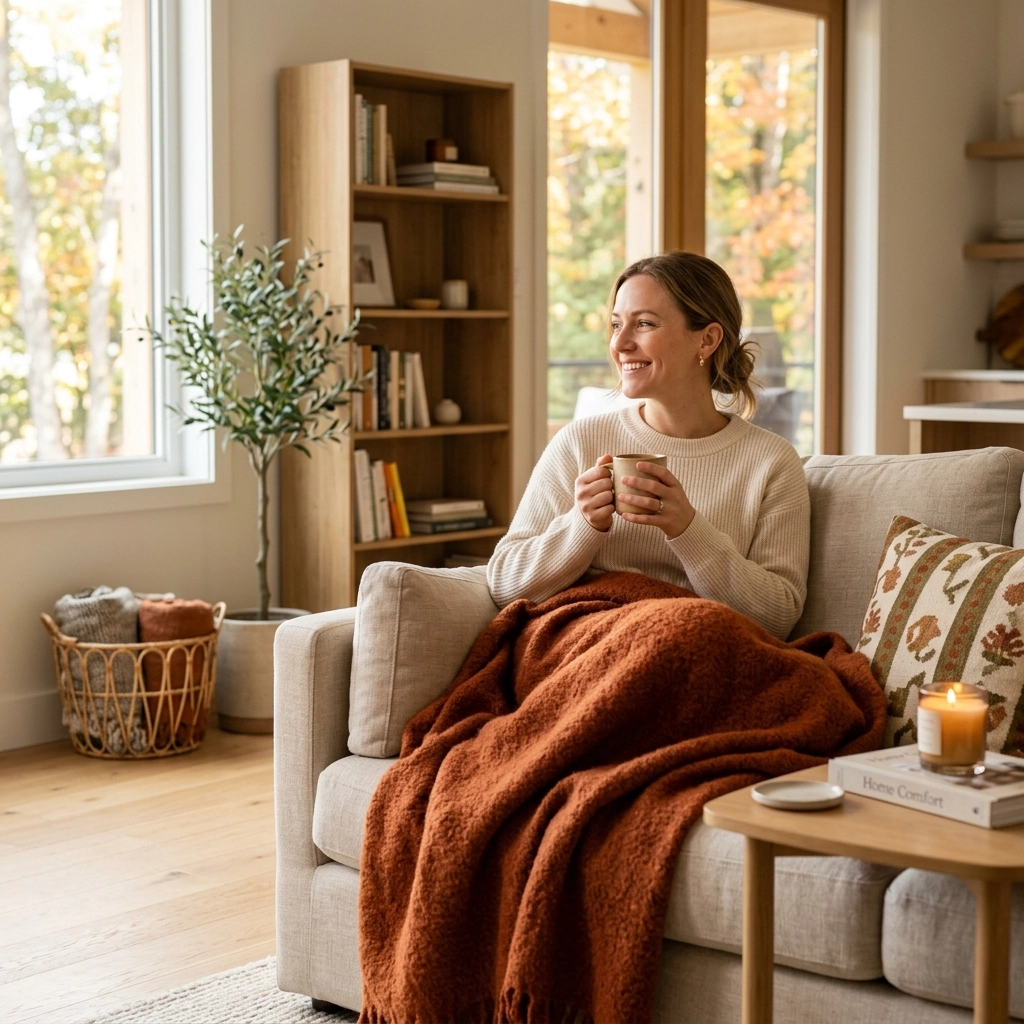
Maintaining a comfortable home environment throughout the year requires more than just adjusting a thermostat. As the seasons shift, the needs of a living space evolve, moving from a requirement for heat retention and cozy enclosure to a need for breathability and light. A home functions as a living ecosystem, and its efficiency is dictated by how well its systems and aesthetics adapt to the external climate.
Understanding seasonal transitions involves a holistic approach that combines mechanical maintenance, textile management, and sensory adjustments. By preparing for these shifts in advance, homeowners can reduce energy costs, improve indoor air quality, and create a sanctuary that feels appropriate for the time of year.
The Foundation of Year-Round Comfort: Climate Control Systems
The most critical component of seasonal success is the health of the heating, ventilation, and air conditioning (HVAC) system. Without a high-functioning climate control system, secondary efforts like swapping blankets or using heavy curtains will have limited impact.
Professional Maintenance and Air Filtration
Twice a year, ideally in the spring and fall, professional servicing of the HVAC unit is recommended. This ensures that the system is not only running but operating at peak efficiency. Dust, pet dander, and pollen accumulate in the ductwork and on coils, forcing the unit to work harder and increasing monthly utility bills.
Air filters should be checked monthly and replaced at least every 90 days. During high-use seasons: like peak summer or deep winter: replacement may be necessary every 30 days. High-MERV (Minimum Efficiency Reporting Value) filters can capture smaller particles, which is particularly beneficial during spring allergy seasons or when windows are closed tight during the winter months.
Optimizing Airflow and Ductwork
Temperature regulation is often hindered by blocked vents or poorly distributed airflow. It is a common mistake to close vents in unused rooms, thinking it saves energy. In reality, modern HVAC systems are balanced for the entire house; closing vents can increase pressure in the ducts, potentially leading to leaks or system damage. Ensuring all registers are clear of furniture and rugs is a simple but effective way to maintain consistent temperatures.

Strategic Textile Swaps: The Seasonal Home Wardrobe
Just as clothing choices change based on the weather, the “fabrics” of a home should be rotated to match the outdoor temperature. Textiles play a dual role in both thermal insulation and psychological comfort.
Summer Bedding and Upholstery
When the mercury rises, the goal is breathability. Materials like linen and cotton are superior choices for the warmer months. Linen, derived from the flax plant, is highly absorbent and allows for excellent airflow, which helps regulate body temperature during sleep. Percale or sateen cotton sheets with lower thread counts often feel crisper and cooler than heavy, high-thread-count options.
For common areas, heavy velvet or wool throw pillows and blankets should be stored away. Replace them with lightweight cotton weaves or silk blends. If the furniture itself is a heavy fabric like micro-suede or leather, adding a linen slipcover can prevent that “sticky” feeling associated with heat.
Winterizing with Heavy Gauges
As the air cools, the objective shifts to trapping heat. This is the time to bring out the flannel sheets, down comforters, and wool blankets. Wool is an exceptional natural insulator; it can absorb moisture without feeling damp and provides a significant thermal barrier.
In the living room, layering becomes a tool for comfort. Placing a faux-fur or chunky knit throw over a sofa adds physical warmth and creates a visual sense of security. These heavy textures serve a functional purpose by slowing down the movement of air, keeping the immediate vicinity of the seating area warmer.
Windows and Light: Managing Solar Heat Gain
Windows are the primary points of energy exchange in a home. During the summer, they can act as greenhouses, trapping heat. In the winter, they can be the source of significant drafts.
Summer Window Strategies
To keep a home cool without overworking the air conditioner, utilize window treatments strategically. Light-colored curtains or blinds reflect sunlight away from the house. Keeping drapes closed during the peak sun hours of the day: typically between 10:00 AM and 4:00 PM: can lower indoor temperatures by several degrees. For those looking for more permanent solutions, heat-reflective window films can be applied to glass to block UV rays while still allowing natural light to enter.
Winter Heat Retention
In the colder months, the strategy is reversed. Open curtains on south-facing windows during the day to allow the sun to naturally heat the space. As soon as the sun sets, close heavy, insulated drapes to create a barrier against the cold glass. Thermal-lined curtains are specifically designed with an extra layer of fabric to prevent heat from escaping through the window panes.

Flooring and Rugs: Tactical Groundwork
The floor is often overlooked in seasonal planning, yet it has a major impact on how a room feels. Heat rises, and in the winter, cold air often settles near the floor.
Rug Rotation
In the winter, large, plush area rugs are essential. They provide insulation for the floor, which is especially important over crawl spaces or concrete slabs. Materials like wool or thick synthetic shags are excellent for retaining warmth.
When spring arrives, these heavy rugs can make a room feel “stuffy.” Switching to flat-weave rugs, jute, or sisal provides a cooler surface underfoot. These natural fibers are breathable and do not trap heat in the same way that dense piles do. For a lighter look, consider leaving some hardwood or tile floors bare to encourage a sense of openness and airflow. Information on various home categories and product tags, such as denim or patterns, can sometimes provide inspiration for these textile transitions.
Lighting and Indoor Air Quality
The way a home is lit and the way the air smells can fundamentally change the perception of comfort. These sensory details help the human brain adjust to the changing environment outside.
Adjusting Color Temperature
Lighting has a “color temperature” measured in Kelvins (K).
- Winter Lighting: Use “warm” bulbs (around 2,700K). These emit a yellow-orange glow that mimics firelight and creates a cozy, inviting atmosphere.
- Summer Lighting: Switch to “cool” or “daylight” bulbs (around 5,000K) in task areas. These emit a blue-white light that feels crisper and mimics the bright midday sun, helping to make a space feel airy and energetic.
Scent and Air Quality
Indoor air can become stagnant during seasons when windows are rarely opened. Using a high-quality air purifier can help, but scent also plays a role. In the winter, scents like cinnamon, cedar, and vanilla provide a sense of warmth. In the spring and summer, shifting to citrus, eucalyptus, or floral scents like lavender can make the home feel refreshed and “cleaner.”

Seasonal Maintenance Checklists
Consistency is the key to successful home comfort transitions. Using a checklist ensures that no critical system is forgotten.
The Spring/Summer Transition
- Service the AC: Schedule a professional tune-up.
- Reverse Ceiling Fans: Set blades to rotate counter-clockwise to push cool air down.
- Clean the Gutters: Remove winter debris to prevent water damage during spring rains.
- Swap Textiles: Move heavy blankets to storage; bring out linens and cottons.
- Check Seals: Inspect weatherstripping around doors to ensure cool air isn’t escaping.
- Outdoor Prep: Clean patio furniture and inspect outdoor lighting for the longer evenings.
The Autumn/Winter Transition
- Service the Furnace: Ensure the heating element and pilot light are functioning.
- Reverse Ceiling Fans: Set blades to rotate clockwise at a low speed to pull cool air up and push warm air (which gathers near the ceiling) back down.
- Seal Leaks: Use caulk or weatherstripping to stop drafts around windows and electrical outlets.
- Clean Chimneys: If using a wood-burning fireplace, have it swept to prevent creosote buildup.
- Layer Up: Bring out the rugs and heavy drapes.
- Insulate Pipes: In very cold climates, wrap exposed pipes to prevent freezing.

The Role of Smart Technology in Home Comfort
Modern technology has made seasonal transitions more “set and forget.” Smart home devices can respond to external weather data in real-time.
Automated Thermostats
A smart thermostat can learn a household’s routine and adjust temperatures automatically. Many models now include “seasonal savings” features that gradually adjust the temperature by a degree or two as the seasons change, helping the occupants acclimate without a jarring shift in comfort.
Smart Blinds and Lighting
Motorized window treatments can be programmed to close when the sun is at its highest point in the summer, or to open during sunny winter days. Similarly, smart lighting can be set to adjust its color temperature automatically based on the time of day and the time of year, ensuring the home always has the most comfortable light profile.

Natural Elements and Humidity Control
Humidity is a major factor in how temperature is perceived. High humidity in the summer makes it feel hotter because sweat cannot evaporate as easily. Low humidity in the winter makes it feel colder because moisture is drawn out of the skin.
Dehumidifying in Summer
In humid climates, a basement or whole-home dehumidifier is essential. Maintaining an indoor humidity level between 30% and 50% is the “sweet spot” for comfort and health. This also prevents the growth of mold and mildew, which thrive in damp, warm conditions.
Humidifying in Winter
Dry winter air can lead to itchy skin, respiratory issues, and static electricity. Using a humidifier: either a portable unit in the bedroom or a bypass humidifier installed on the furnace: adds enough moisture to the air to make 68 degrees Fahrenheit feel much warmer than it would in a dry environment.
Long-Term Benefits of Seasonal Agility
Engaging in these seasonal routines does more than just provide immediate comfort. It extends the lifespan of the home’s infrastructure. When an HVAC system doesn’t have to fight through a clogged filter or a drafty window, it experiences less wear and tear. When textiles are rotated and cleaned properly, they last for years rather than wearing out from year-round use.
Furthermore, a home that transitions with the seasons supports the well-being of its inhabitants. Aligning the indoor environment with natural cycles helps maintain a healthy circadian rhythm and reduces the “cabin fever” that often sets in during extreme weather.
By viewing home comfort as an ongoing process rather than a one-time setup, anyone can master the art of seasonal living. Whether it’s the crisp arrival of autumn or the first warm breeze of spring, a prepared home is a comfortable home. For more information on home management and learning resources, the Paris Wheel sitemap offers a broad overview of available topics. Utilizing these strategies ensures that no matter what the thermometer says outside, the environment inside remains a perfectly tailored sanctuary.

