
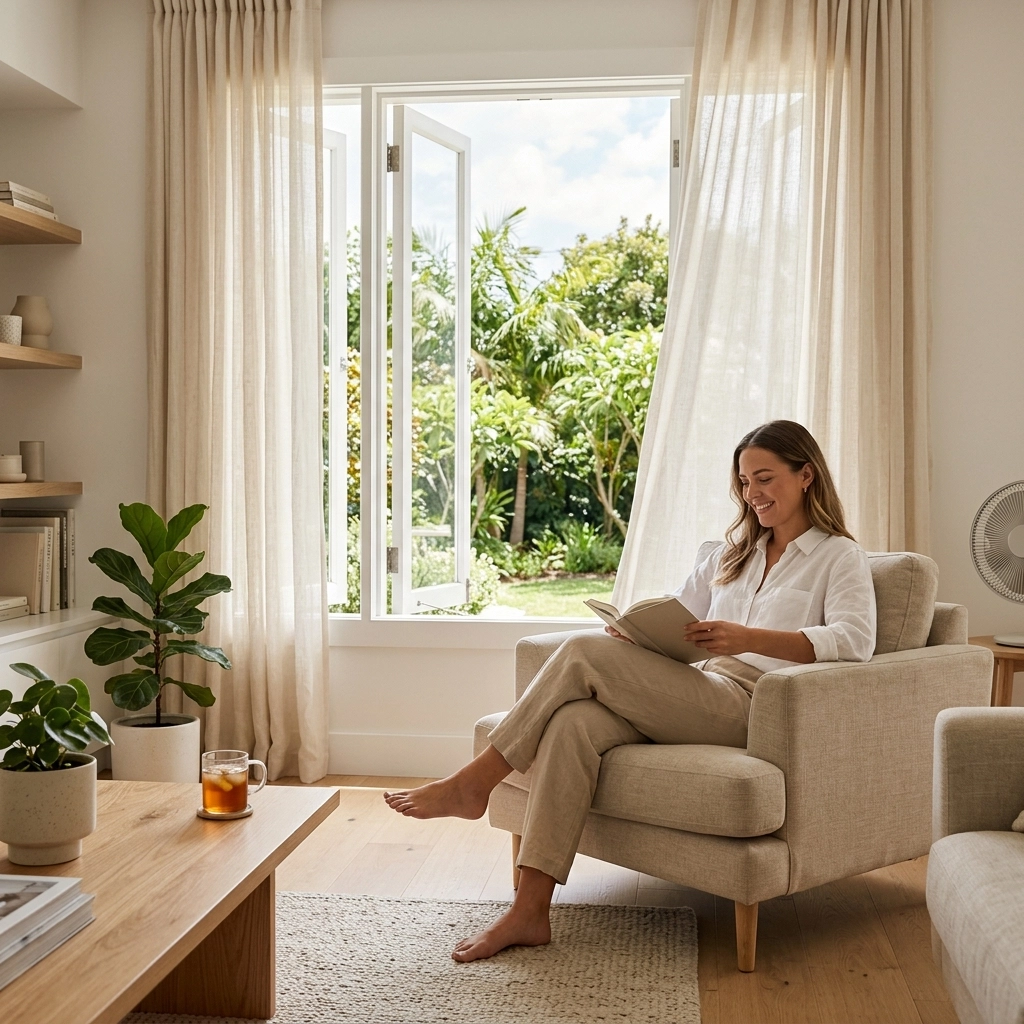
Maintaining a comfortable indoor temperature as seasons transition into the warmer months is a primary concern for homeowners. While mechanical air conditioning is a standard solution, it often comes with high energy costs and environmental considerations. Natural cooling methods offer a sustainable, cost-effective alternative by utilizing the laws of physics, strategic design, and environmental elements.
Understanding how to choose the right method requires a look at climate, home architecture, and the science of heat transfer. By implementing a combination of passive and low-energy strategies, it is possible to maintain a temperate home even during the peak of summer.
The Fundamentals of Home Heat Gain
Before selecting a cooling method, it is essential to understand how a home becomes hot. Heat enters a building through three primary mechanisms: radiation, conduction, and convection.
Radiation occurs when solar energy hits the roof, walls, and windows, transferring heat directly into the structure. Conduction is the process of heat moving through solid materials, such as the warmth from the sun-baked exterior brick reaching the interior plaster. Convection involves the movement of warm air, often through leaks around doors or windows or through the natural rise of heated air within the house.
Choosing the best cooling method involves addressing one or more of these heat transfer processes. For more insights into seasonal home management and a list of related topics, one might explore the full archive of home guides.
Strategy 1: External Shading and Landscaping
The most effective way to keep a home cool is to prevent heat from entering in the first place. External shading is significantly more efficient than internal curtains because it blocks solar radiation before it hits the glass.
Strategic Tree Placement
Deciduous trees are one of nature’s most efficient cooling tools. When planted on the south or west sides of a home, they provide a dense canopy of shade during the summer. In the winter, they drop their leaves, allowing the sun to warm the house.
The cooling effect of trees is not just limited to shade; through a process called evapotranspiration, plants release moisture into the air, which can lower the surrounding air temperature by several degrees. For those spending time in their newly cooled outdoor spaces, utilizing a portable camping mat can provide a comfortable way to enjoy the shaded environment.
Awnings and Overhangs
Architectural additions like awnings can reduce solar heat gain by up to 65% on south-facing windows and 77% on west-facing windows. Fixed overhangs are particularly effective because they can be designed to block the high-angle summer sun while allowing the low-angle winter sun to enter.

Strategy 2: High-Efficiency Natural Ventilation
Ventilation is the process of replacing hot indoor air with cooler outdoor air. This method is most effective in climates where there is a significant temperature drop at night.
The Physics of Cross-Ventilation
Cross-ventilation relies on wind pressure. By opening windows on opposite sides of a room or house, a breeze is encouraged to move through the space. To maximize this, windows on the windward side (where the wind is blowing from) should be opened slightly less than windows on the leeward side (the exit side). This creates a pressure differential that pulls the air through more quickly.
The Stack Effect
The stack effect, or chimney effect, utilizes the fact that hot air rises. By opening windows on a lower floor and windows or skylights on the highest floor, a natural vacuum is created. The hot air escapes through the top, pulling cooler air in through the bottom. This is especially useful in multi-story homes or homes with vaulted ceilings.
Night Flushing
In regions with cool nights, “night flushing” is a highly effective routine. This involves opening all windows once the outside temperature drops below the inside temperature. The goal is to cool down the thermal mass of the home (the walls and floors) overnight. In the morning, windows and shades must be closed before the sun begins to heat the exterior, essentially “trapping” the coolth inside.
Strategy 3: Enhancing the Building Envelope
The building envelope refers to the physical separator between the conditioned and unconditioned environment of a building. Strengthening this barrier prevents “coolth” from escaping.
Insulation and Reflective Barriers
While often associated with winter, insulation is vital for summer cooling. High-quality attic insulation prevents the heat trapped in the attic from radiating down into the living spaces. Radiant barriers: typically highly reflective foils installed in attics: can reflect up to 97% of radiant heat, significantly reducing the load on other cooling methods.
Weatherization
Small gaps around windows, doors, and electrical outlets allow hot air to seep in. Standard weatherstripping and caulking are low-cost, high-impact methods to ensure that natural ventilation is controlled and intentional rather than accidental.

Strategy 4: The Role of Thermal Mass
Thermal mass describes a material’s ability to absorb, store, and release heat. Materials like brick, concrete, stone, and tile have high thermal mass.
In climates with a high diurnal temperature swing (hot days and cool nights), thermal mass acts as a heat sponge. During the day, the thick walls absorb the heat, preventing it from reaching the interior air. At night, as the air cools, the walls release that stored heat. If combined with night flushing, the material is “reset” every 24 hours, providing a stable, cool environment during the hottest parts of the day.
Strategy 5: Low-Energy Mechanical Support
When natural methods alone are not enough, low-energy mechanical aids can bridge the gap without the expense of full HVAC systems.
Ceiling and Whole House Fans
Ceiling fans do not lower the temperature of a room; instead, they create a wind-chill effect on the skin. By moving air over the body, they increase the rate of evaporation of moisture, making a person feel 6 to 8 degrees cooler.
Whole house fans are different. Installed in the ceiling of the top floor, they pull air from the entire house and exhaust it through the attic. These are used during the “night flushing” phase to accelerate the exchange of air, cooling the home’s structure much faster than open windows alone.
Evaporative Cooling
Often called “swamp coolers,” these systems are highly effective in arid climates. They work by pulling hot, dry air through water-saturated pads. The water evaporates, which consumes heat and lowers the air temperature. This method adds humidity to the air, which is a benefit in dry regions but a drawback in humid ones.

Comparing Natural Cooling Methods
Choosing the best method requires a comparison of factors such as local climate, initial cost, and the specific needs of the home.
| Method | Best Climate | Initial Cost | Main Benefit |
|---|---|---|---|
| External Shading | All | Low to Moderate | Stops heat before entry |
| Cross-Ventilation | Breezy/Moderate | Zero | Instant air exchange |
| Night Flushing | High Diurnal Swing | Zero | Cools the home’s structure |
| Thermal Mass | Arid/Savanna | High (Construction) | Regulates temperature spikes |
| Evaporative Cooling | Arid/Dry | Moderate | High cooling power, low energy |
| Ceiling Fans | Humid/All | Low | Personal comfort (Wind chill) |
Climate-Specific Selection
- Hot and Humid: In these regions, evaporation is difficult because the air is already saturated with moisture. The focus should be on maximum air movement (fans) and heavy shading to prevent any additional heat gain.
- Hot and Dry: Evaporative cooling is the gold standard here. Combining this with high thermal mass allows for a very stable indoor environment despite extreme outdoor temperatures.
- Temperate/Seasonal: These climates benefit most from a combination of night flushing and high-quality insulation.
Designing a Daily Summer Routine
The effectiveness of natural cooling often depends on the habits of the inhabitants. A daily routine can significantly impact the success of these methods.
- Morning (Sunrise): Close all windows and exterior doors. Lower blinds or close curtains on the east and south sides of the house.
- Midday: Ensure ceiling fans are rotating counter-clockwise to push air down. Keep the “envelope” sealed to prevent the entry of peak-day heat. To maintain a pleasant indoor environment during these closed-off hours, a subtle home fragrance can replace the need for open windows.
- Late Afternoon: Close shades on the west side of the house as the sun moves lower in the sky.
- Evening (After Sunset): Once the outdoor temperature is lower than the indoor temperature, open windows on opposite sides of the house to initiate cross-ventilation.
- Night: Utilize a whole house fan if available to flush the day’s heat out of the attic and walls.

Long-Term Implementation and Maintenance
Selecting a natural cooling strategy is rarely a one-time event; it is an ongoing process of home improvement.
Roof Color and Materials
The “Albedo Effect” refers to how much solar radiation a surface reflects. A dark roof can reach temperatures 50 to 60 degrees hotter than the ambient air. Switching to a “cool roof”: utilizing reflective shingles or white coatings: can reduce the roof’s surface temperature significantly, lowering the cooling load for the entire house.
Window Upgrades
For those in the process of renovating, choosing windows with a low Solar Heat Gain Coefficient (SHGC) is a critical decision. These windows are treated with a microscopic coating that allows visible light through while reflecting infrared heat.
The Psychological Aspect of Cooling
Comfort is not solely determined by the thermometer. Visual and sensory cues can influence how cool a person feels. Removing heavy rugs, using light-colored linens, and reducing the use of heat-generating appliances (like ovens) during the day all contribute to a “cool” atmosphere.
Summary of Selection Criteria
To choose the best method for a specific home, one must evaluate the following:
- Orientation: Which direction do the largest windows face?
- Wind Patterns: Does the home receive a consistent breeze?
- Humidity Levels: Is evaporative cooling a viable option?
- Home Construction: Does the home have enough thermal mass to benefit from night flushing?
By prioritizing external shading first, air movement second, and structural cooling third, a home can remain a sanctuary of comfort throughout the summer months without a heavy reliance on mechanical systems. Natural cooling is not just a collection of techniques; it is a way of living in harmony with the local environment and the changing seasons.

