
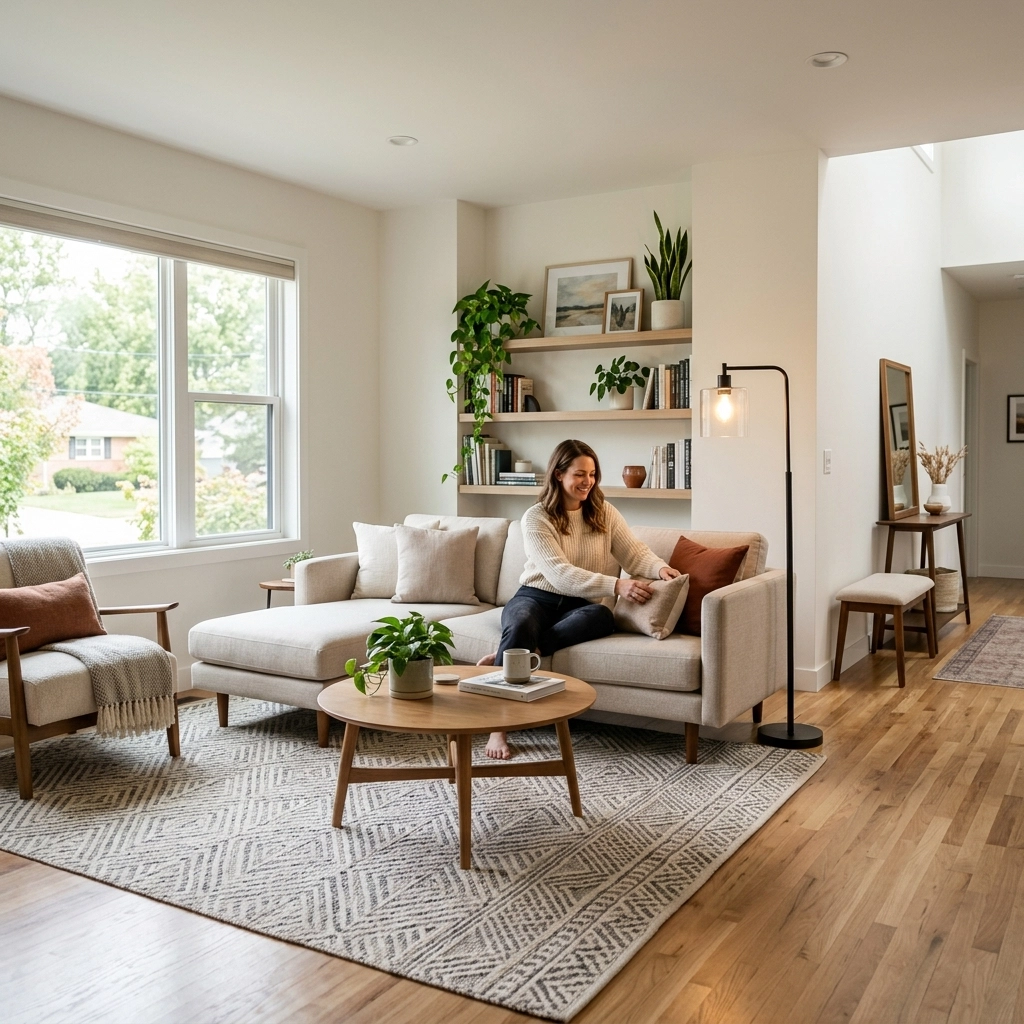
An awkward room layout can feel like a puzzle with missing pieces. Whether it is a long, narrow “bowling alley” living room, a space punctuated by too many doors and windows, or a room with strange angles and sloped ceilings, these architectural quirks often hinder functionality and comfort. However, every structural challenge presents an opportunity for creative design.
By applying fundamental principles of interior design and spatial planning, even the most frustrating floor plans can be transformed into balanced, inviting areas. This guide provides practical solutions for common layout dilemmas, focusing on zoning, furniture placement, and visual tricks to maximize every square inch of the home.
Assessing the Space: The Foundation of Planning
Before moving a single piece of furniture, a comprehensive assessment of the room is necessary. Many layout issues stem from a lack of clear purpose or an attempt to force a traditional arrangement into a non-traditional space.
Determine the Primary Function
Every room needs a clear identity. If a room is trying to serve as a home office, a guest bedroom, and a storage area simultaneously without clear boundaries, it will naturally feel awkward. Identify the primary activity that will take place in the space. Once the main function is established, any secondary uses must be integrated without compromising the room’s flow.
Map the Traffic Flow
Traffic flow refers to the path people take to move from one door to another or from one area of the room to the next. A common mistake is placing furniture directly in these natural pathways. To avoid a cramped feeling, maintain at least 30 to 36 inches of clearance for major walkways. In smaller rooms, this can be reduced to 24 inches, but anything less will make the space feel obstructed.
Identify Focal Points
A focal point gives the eye a place to land and helps organize the rest of the furniture. In a standard room, this might be a fireplace or a large window. In an awkward room, the focal point might be missing or off-center. If the room lacks a natural architectural feature, create one using a large piece of art, a bold bookshelf, or a media center.
Solving the “Bowling Alley” Dilemma: Long and Narrow Rooms
Long, narrow rooms are among the most difficult to furnish. The natural instinct is to push all furniture against the long walls to keep the center open, but this only emphasizes the “tunnel” effect.
Create Distinct Zones
Instead of treating a long room as one giant area, divide it into two or three smaller functional zones. For example, one end of a long living room can be dedicated to a conversation area with a sofa and chairs, while the other end serves as a reading nook or a small workspace.
Using different area rugs is an effective way to define these zones visually. A rug acts as a “border” for each section, signaling to the brain that the room has transitioned from one purpose to another. For those struggling with clutter in these multi-functional spaces, implementing the 5-minute daily declutter can help maintain the distinction between zones.

A long, narrow living room divided into two distinct zones: a cozy seating area with a plush rug and a separate, streamlined home office desk at the far end.
Float the Furniture
“Floating” furniture means pulling pieces away from the walls and placing them toward the center of the room. In a narrow space, placing a sofa perpendicular to the long walls can physically break up the length of the room and make it feel wider. If the room is too narrow for a full-sized sofa to sit crosswise, try using two armchairs with a small table between them to create a horizontal line that counters the room’s length.
Use Circular Elements
To counteract the harsh, straight lines of a long room, incorporate round furniture. A circular coffee table, a round ottoman, or a curved armchair helps soften the space and prevents it from feeling like a corridor.
Navigating Rooms with Too Many Openings
Rooms with multiple doorways, large windows, or open floor plans often lack “dead” wall space for furniture placement. This leads to layouts where furniture feels scattered or blocks essential views.
The Center-Out Approach
When walls are unavailable, move the furniture to the center of the room. Create a “seating island” anchored by a large area rug. This allows traffic to flow behind the furniture along the walls rather than cutting through the middle of a conversation.
Back-to-Back Arrangements
In large open-concept spaces with multiple entry points, back-to-back furniture arrangements can create structure. For instance, a sofa can face the fireplace, while a console table or a bench is placed against the back of the sofa, facing a different part of the room. This creates two distinct areas without the need for walls.
Managing Visual Noise
In rooms with many windows, avoid blocking natural light. Use low-profile furniture that sits below the window sills. If a piece must be placed in front of a window, choose items with “legs” rather than solid bases to allow light and air to move around them.
Handling L-Shaped and Irregular Spaces
L-shaped rooms are common in older homes and modern apartments alike. They often function as a combined living and dining area.
Define the “Elbow”
The corner where the two rectangles of an L-shaped room meet is the “elbow.” This is often the most awkward spot. Avoid placing large, bulky items here. Instead, use this transition point for a low-profile storage unit, a large plant, or a piece of floor art.
Consistent Flooring and Color
To keep an irregular room from feeling disjointed, maintain a consistent color palette and flooring throughout the entire space. This creates a sense of cohesion even if the areas serve different purposes. For more on managing transitions between different parts of the home, exploring the ultimate guide to fall home transitions offers insights into creating seasonal comfort across various room shapes.

An L-shaped open-plan room with a unified color scheme of soft grays and blues, showing a seamless transition from a dining area to a living space.
Dealing with Small, Boxy Rooms
Small rooms often feel restrictive, and the wrong layout can make them feel even smaller. This is particularly common in guest bedrooms or secondary living spaces.
Scale Furniture Appropriately
In a small room, the scale of the furniture is more important than the quantity. One or two larger pieces can often make a room feel bigger than a dozen small, spindly items that create visual clutter. Avoid overstuffed sofas in a tiny room; choose “apartment-sized” furniture with clean lines.
Use Vertical Space
When floor space is limited, look up. Install floating shelves, use tall bookcases, and hang curtains higher than the window frame to draw the eye upward. This creates an illusion of height and provides storage without eating up floor area. For specific advice on avoiding common errors in confined spaces, see small bedroom organization: 7 mistakes you’re making.
Mirror Magic
Large mirrors are a classic solution for small, awkward rooms. Placing a mirror opposite a window reflects light and provides a “window” into a reflected space, effectively doubling the visual depth of the room.
Solving Specific Problem Areas
Beyond general layout shapes, specific architectural features can cause headaches.
The Off-Center Fireplace
When a fireplace is not centered on a wall, it can make the entire room feel lopsided. To fix this, balance the “heavy” side of the room with a visual equivalent on the other side. If the fireplace is on the left, place a large bookshelf or a gallery wall on the right. This creates a sense of equilibrium without requiring a symmetrical furniture arrangement.
Sloped Ceilings and Knee Walls
In attic conversions or top-floor rooms, sloped ceilings often limit where tall furniture can go. Use these low-clearance areas for storage or seating that doesn’t require standing height. A bed or a desk fits well under a sloped ceiling, as the user is typically sitting or lying down in those spots. Utilizing home storage solutions can help identify custom ways to fit drawers or cabinets into these triangular niches.

A finished attic space with sloped ceilings featuring a built-in desk nestled under the lowest part of the roof and a cozy reading chair in the center.
Columns and Support Beams
Basements and lofts often have structural columns that seem to be in the way. Instead of trying to hide them, incorporate them into the layout. Use a column as a natural “anchor” for a piece of furniture, such as placing a sofa against it or building a small breakfast bar around it.
Minor Repairs and Maintenance for a Polished Layout
A great layout can be undermined by small physical imperfections. When moving furniture to new positions, you may encounter hidden problems or create new ones.
Fixing Floor Scuffs and Marks
Rearranging furniture often reveals scuffs on hardwood or indentations in carpet. For hardwood scuffs, a simple mixture of olive oil and vinegar or a specialized floor touch-up marker can hide light scratches. For carpet indentations left by heavy furniture, place an ice cube in the divot and let it melt. The water will cause the fibers to swell back to their original shape; once dry, fluff the area with a fork.
Wall Repairs After Moving Art
Changing a layout often involves moving wall decor. To fill small nail holes, use a tiny amount of spackle and a putty knife. Once dry, lightly sand the area and dab it with a bit of matching paint using a sponge or small brush to mimic the surrounding texture.
Stabilizing Wobbly Furniture
On uneven floors: common in older homes with awkward layouts: furniture may wobble. Instead of using folded paper, invest in adhesive felt pads or adjustable furniture feet. This protects the floor and ensures that pieces feel solid and intentional in their new placement.
Strategic Use of Lighting and Color
Lighting and color are the “invisible” components of a room’s layout. They can change the perception of a room’s boundaries.
Layer Your Lighting
Avoid relying solely on a single overhead light, which can create harsh shadows and make corners feel “dead.” Use a mix of ambient, task, and accent lighting. Floor lamps can highlight a newly created zone, while wall sconces can draw attention to vertical space. Ensuring a bright environment is part of a healthy morning routine checklist, as natural and artificial light significantly impacts mood and productivity.
The Power of Paint
In a room with odd angles or many protruding bulkheads, painting the walls, trim, and ceiling the same color can make these features “disappear.” When there is no high-contrast line between the wall and the ceiling, the eye doesn’t get stuck on the irregular shapes, making the space feel more continuous and calm.

A small room where walls, baseboards, and the ceiling are all painted a sophisticated charcoal gray, creating a seamless and expansive feeling despite its small size.
Defining Boundaries with Color
Conversely, if a room is too large and cavernous, using a darker “accent” color on one wall can help ground the space and make it feel more intimate. This is particularly effective in long rooms to help “pull” the far wall inward.
Practical Steps to Implement Your New Layout
Success in fixing an awkward room lies in the execution. Follow these steps to ensure the transition is smooth:
- Clear the Deck: If possible, remove all small items and accessories from the room so you can see the bare bones of the space.
- Measure Twice: Measure the room dimensions and the footprint of your largest furniture pieces.
- Draft a Plan: Use graph paper or a digital room planning tool to test different arrangements before physically moving heavy items.
- Place Large Pieces First: Start with the “anchor” pieces, such as the sofa, bed, or dining table. Everything else will flow from these decisions.
- Address the Rugs: Ensure rugs are large enough. A common layout mistake is a “postage stamp” rug that is too small for the furniture. At minimum, the front legs of the seating should sit on the rug.
- Refine the Details: Once the furniture is in place, add lighting, art, and plants. This is where you can apply the 3-5-7 rule, grouping decorative objects in odd numbers to create visual interest.

A close-up of a stylishly arranged coffee table featuring three items of varying heights: a tall vase, a medium-sized candle, and a stack of books.
Long-Term Maintenance and Success
A well-laid-out room requires maintenance to stay functional. Regular cleaning and decluttering prevent the “awkwardness” from returning as clutter accumulates. Integrating a weekly cleaning schedule ensures that the layout you worked hard to create remains visible and enjoyable.
In spaces like kitchens or pantries that are part of an open-concept layout, organization is key to maintaining the visual flow. Learning how to organize a pantry can prevent kitchen overflow from spilling into the living areas and disrupting the room’s balance.
By understanding the unique challenges of a space and applying these strategic fixes, any awkward room can become a highlight of the home. It is not about fighting the architecture, but rather working with it to create a space that feels intentional, balanced, and perfectly suited to the people who live there.

