
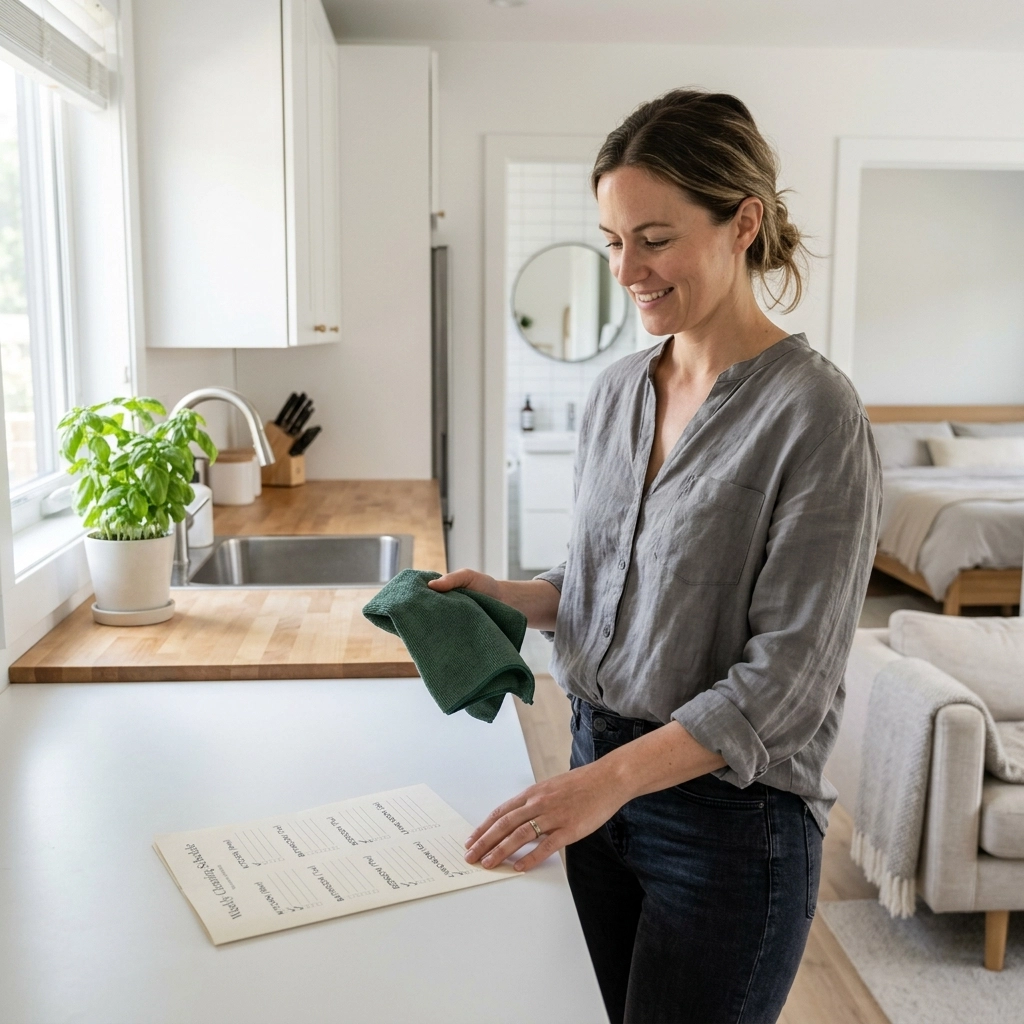
Maintaining a clean and organized home is often viewed as a daunting task, especially when balancing work, education, and personal commitments. However, the secret to a consistently tidy living space does not lie in marathon cleaning sessions once a month. Instead, it is found in the implementation of a structured, sustainable weekly cleaning schedule. By breaking down tasks into manageable daily bites and focusing on specific rooms, the process becomes a background habit rather than a weekend-consuming chore.
A well-planned routine reduces the cognitive load of deciding what to clean and when. It ensures that high-traffic areas like the kitchen and bathroom remain hygienic, while sanctuaries like the bedroom remain restful. This guide provides an in-depth look at how to structure cleaning schedules for the four primary areas of the home, offering realistic strategies for different lifestyles.
The Psychology of the Daily Reset
Before diving into the weekly deep-cleaning tasks, it is essential to understand the “Daily Reset.” These are the non-negotiable habits that prevent a home from descending into chaos between deep cleans. A daily reset focuses on high-impact areas that affect the visual and functional state of the home.
Key daily habits include:
- The Three-Minute Bed Make: Smoothing the sheets and fluffing pillows immediately upon waking sets a productive tone for the day and makes the bedroom feel instantly cleaner.
- Dish Management: Running the dishwasher every evening and emptying it every morning ensures that the kitchen sink never becomes a source of stress.
- High-Touch Surface Wipes: A quick wipe of the kitchen counters and bathroom vanity after use prevents the buildup of grime and water spots.
- The Evening Sweep: Spending five minutes clearing the floor of shoes, toys, or stray mail prevents “clutter creep.”
Establishing these foundations makes the weekly room-specific tasks significantly faster and more effective.
The Kitchen: Managing the Heart of the Home
The kitchen is arguably the most demanding room in the house. It is a place of constant activity, moisture, and organic material, making it a primary target for bacteria and grease. A weekly schedule for the kitchen should go beyond surface wiping to address the areas that often get overlooked during the daily rush.
Weekly Kitchen Objectives
A comprehensive weekly kitchen clean should focus on sanitization and degreasing. Grease particles from cooking can travel and settle on top of cabinets, appliances, and even light fixtures.
- Appliance Exteriors: Wipe down the fronts of the refrigerator, dishwasher, and oven. For stainless steel, use a dedicated cleaner or a microfiber cloth with a drop of olive oil to remove fingerprints.
- Microwave Interior: Place a bowl of water with lemon slices inside and microwave for three minutes. The steam will loosen dried food, allowing it to be wiped away effortlessly.
- Sink Sanitization: The kitchen sink often harbors more bacteria than many other areas of the home. Scrub it with a non-abrasive cleanser and pay special attention to the drain and the base of the faucet.
- Floor Care: Beyond daily sweeping, the kitchen floor requires a thorough mopping once a week to remove sticky spills and footprint oils.
- Cabinet Spot-Cleaning: Focus on the handles and the areas directly surrounding them, as these are high-touch zones that accumulate oils from hands.

The Bathroom: Prioritizing Hygiene and Humidity Control
Bathrooms present a unique challenge due to high humidity and the potential for mold and mildew. A weekly schedule here is not just about aesthetics; it is about health and property maintenance.
Effective Bathroom Routines
To clean a bathroom efficiently, use the “top-to-bottom” and “dry-to-wet” rules. Dust the high areas first, then move to scrubbing wet surfaces.
- Mirror and Glass: Use a dedicated glass cleaner or a mixture of vinegar and water to remove toothpaste splatters and steam streaks.
- Sanitize the Throne: Apply toilet bowl cleaner and let it sit while attending to other tasks. Scrub the bowl and wipe down the exterior, including the base and the handle.
- Shower and Tub: Use a daily shower spray to minimize buildup, but once a week, use a dedicated scrub to remove soap scum from tiles and grout. If the shower curtain is fabric, it can often be laundered on a gentle cycle.
- Fixture Polishing: Use a soft cloth to remove water spots from faucets and showerheads. This prevents the buildup of hard water deposits that can eventually restrict water flow.
- Trash and Towels: Empty the bin and replace all towels and bathmats with fresh ones. Launder the used linens on a high-heat setting to ensure total sanitization.
The Living Room: Maintaining High-Traffic Common Areas
The living room is the social hub of the home. Because it sees the most foot traffic and the most leisure time, it often accumulates dust and pet dander more quickly than other rooms. The goal for the weekly living room clean is to maintain air quality and comfort.
Living Room Focus Areas
- Surface Dusting: Dust all horizontal surfaces, including coffee tables, bookshelves, and entertainment centers. Do not forget electronic devices, which attract dust through static electricity.
- Upholstery Care: Vacuum sofas and armchairs, including under the cushions where crumbs and small items tend to hide. If there are pets in the home, a lint roller or a rubber glove can help lift stubborn fur.
- Soft Goods Refresh: Shake out decorative pillows and fold throw blankets. If the blankets are used daily, consider laundering them every other week.
- Remote Controls and Switches: These are among the dirtiest items in a home. Use a disinfectant wipe to clean remotes, light switches, and door handles.
- Floor Detail: Vacuum the entire area, including the edges of the room and under the furniture where “dust bunnies” congregate.

The Bedroom: Creating a Sanctuary for Rest
The bedroom should be a low-stress environment. However, it is also a place where we spend a third of our lives, leading to the accumulation of skin cells and dust mites. A weekly routine here is vital for respiratory health and sleep quality.
Bedroom Maintenance Steps
- Linen Rotation: Strip the bed and wash all sheets and pillowcases. This is the single most important task for maintaining bedroom hygiene.
- Dusting and Air Quality: Dust bedside tables, lampshades, and window sills. If there is a ceiling fan, use a pillowcase to slide over the blades to catch dust without letting it fall onto the bed.
- Clutter Clearing: Clear away any “doom piles” of clothing or books that have accumulated throughout the week.
- Vacuuming Under the Bed: This area is often neglected, leading to significant dust buildup. Use a vacuum attachment to reach as far back as possible.
Choosing a Schedule Style: Three Proven Models
Every household operates differently. What works for a single professional might not work for a large family. Here are three different ways to organize these tasks into a weekly flow.
Option 1: The One-Room-A-Day Method
This model is ideal for those who prefer to focus their energy on one area at a time and have 30 minutes available each evening.
- Monday: The Kitchen (Deep clean)
- Tuesday: The Bathroom (Sanitize)
- Wednesday: The Living Room (Dust and vacuum)
- Thursday: The Bedrooms (Linens and floors)
- Friday: Transitional Spaces (Entryway, hallways, and laundry)
- Saturday: Outdoor or Overflow (Porch, garage, or catching up)
- Sunday: Rest (Daily reset only)
Option 2: The Task-Specific Method
This model is perfect for those who find “switching gears” difficult. Instead of moving from room to room, you perform one type of task throughout the entire house.
- Monday: Dusting Day (All surfaces in all rooms)
- Tuesday: Floor Day (Vacuum and mop everything)
- Wednesday: Surface Sanitization (Counters, sinks, and toilets)
- Thursday: Glass and Mirrors (All windows and reflective surfaces)
- Friday: Laundry Day (Linens, towels, and clothing)
- Weekend: Maintenance and planning for the following week.
Option 3: The Weekend Warrior
For those with demanding weekday schedules, the “Weekend Warrior” approach consolidates cleaning into a single block of time. While this takes more time on a Saturday or Sunday, it keeps the workweek free.
To make this effective without burning out, it is helpful to use a checklist and set a timer for each room. Spending 45 minutes on the kitchen, 30 on the bathroom, and 30 on the living/bedroom areas can result in a clean home in under three hours.

Adapting for Specific Challenges
Not all homes are created equal. Specific factors may require you to adjust your weekly schedule.
Households with Pets
If you share your home with animals, the frequency of floor care and upholstery cleaning must increase. Vacuuming should likely happen twice or three times a week rather than once. High-traffic paths and pet sleeping areas require extra attention to manage odors and allergens.
Families with Children
In homes with young children, the “Daily Reset” becomes even more critical. Incorporating a “10-minute tidy” before bedtime where children help put away toys can significantly reduce the cleaning load for adults. Kitchen floors in these households may also require more frequent mopping due to spills.
Allergy Sufferers
For those with dust or pollen sensitivities, the focus should shift toward air quality. Using vacuums with HEPA filters and dusting with damp microfiber cloths (rather than feather dusters) ensures that allergens are removed rather than just redistributed.
Professional Tips for Efficiency
To get the most out of any weekly cleaning schedule, professionals recommend several “hacks” that save time and produce better results.
- Dwell Time: Many cleaning products require “dwell time” to work effectively. Spray the bathroom cleaner or the oven spray and let it sit for 10 minutes while you do another task. This reduces the amount of physical scrubbing required.
- The “Top-Down” Rule: Gravity always wins. Start dusting and cleaning at the highest point in a room (shelves, tops of cabinets) and work your way down to the floor. If you clean the floor first, you will simply have to clean it again after dust falls from above.
- Cleaning Caddies: Instead of running back and forth to the kitchen sink for supplies, keep a portable caddy with all your essentials (all-purpose cleaner, glass cleaner, microfiber cloths, scrub brush). Carry it with you from room to room.
- Listen and Clean: Many find cleaning tedious. Pairing the cleaning routine with an educational podcast or a favorite audiobook can make the time pass quickly. For those interested in personal development or learning new skills, this is an excellent opportunity to multitask. You can find more resources on habit formation at the Paris Wheel blog.

Essential Tools for Your Weekly Routine
You do not need a closet full of expensive gadgets to keep a home clean. A few high-quality essentials are more effective than a dozen specialized tools.
- Microfiber Cloths: These are superior to paper towels for almost every task. They trap dust and can be laundered and reused hundreds of times.
- A Reliable Vacuum: Whether it is a canister, upright, or stick vacuum, ensure it has attachments for upholstery and crevices.
- Squeegee: A small squeegee kept in the shower can reduce the weekly cleaning time by 75% by preventing soap scum buildup.
- All-Purpose Cleaner: A pH-neutral cleaner is safe for most surfaces including stone, wood, and laminate.
For those looking for more detailed guides on household management and organization, checking the Paris Wheel sitemap can provide links to various educational resources tailored to home and lifestyle improvement.
Addressing Common Cleaning Obstacles
Even with the best intentions, a schedule can fall apart. Life happens, and sometimes the bathroom doesn’t get scrubbed on Tuesday.
The “All or Nothing” Trap
Many people stop cleaning altogether if they miss a scheduled day. The solution is to simply pick up where you left off. If you miss “Kitchen Monday,” do not try to do both the kitchen and the bathroom on Tuesday. Simply do the bathroom and wait until the following Monday for the kitchen deep clean. The daily reset will keep the kitchen functional in the meantime.
Decision Fatigue
If you find yourself standing in a room not knowing where to start, use a physical checklist. Crossing items off a list provides a psychological reward and keeps you moving forward without having to stop and think about the next step.
Lack of Motivation
Set a timer for just 15 minutes. Often, the hardest part is starting. Once the timer is running, the “momentum of movement” takes over, and most people find they are happy to continue until the task is complete.
Long-Term Benefits of a Clean Environment
A consistent weekly cleaning schedule provides benefits that extend far beyond a shiny floor. Research has shown that a cluttered or dirty environment can increase cortisol levels, leading to higher stress and decreased productivity. By maintaining the kitchen, bathroom, bedroom, and living room, you create a foundation for a more focused and peaceful life.
A clean home also preserves the value of your property. Regular cleaning prevents permanent staining on countertops, protects flooring from abrasive dirt, and ensures that appliances run efficiently for longer.
Implementing these schedule ideas is an act of self-care. It transforms the home from a source of “to-do” lists into a place of genuine rest and recovery. Whether you choose to clean a little every day or tackle it all at once, the key is consistency and finding a rhythm that fits your unique life.
If you have questions about how to better manage your time or would like to learn more about our philosophy on lifelong learning, feel free to visit the about page or contact us directly.

Integrating Monthly and Seasonal Tasks
Once the weekly routine is established, it becomes much easier to layer in deeper cleaning tasks. Many people choose to add one “monthly” task to their Saturday schedule.
- Month 1: Clean the interior of the oven and the dishwasher filter.
- Month 2: Dust baseboards and door frames throughout the house.
- Month 3: Vacuum behind large appliances like the refrigerator and washing machine.
- Month 4: Clean window tracks and wash curtains or blinds.
By rotating these tasks, the “deep spring cleaning” that many people dread becomes unnecessary, as the home never reaches a state of deep neglect. This proactive approach is the hallmark of an efficiently run household.

