
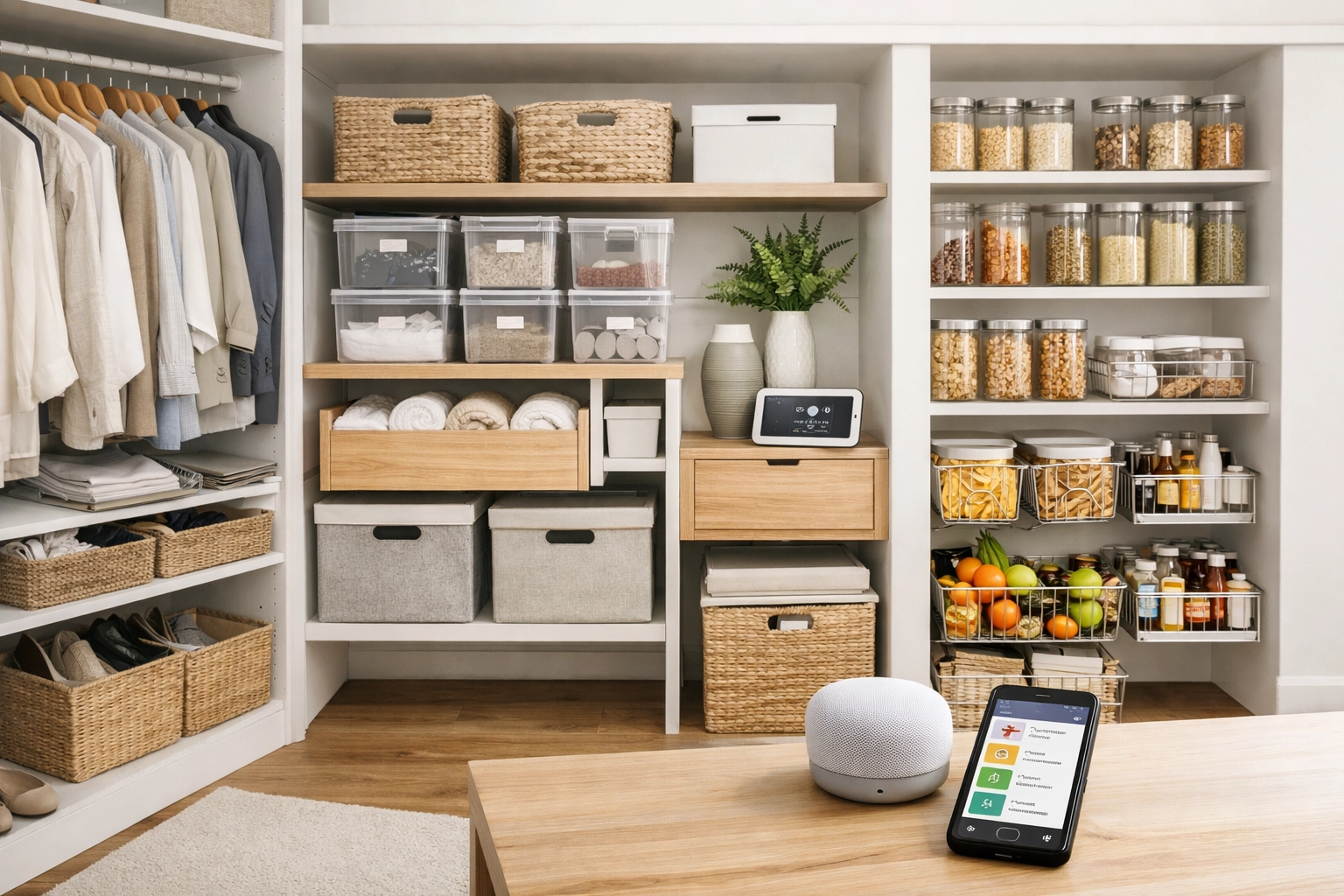
Maintaining an organized home environment often feels like an uphill battle against the daily accumulation of belongings. As living spaces become more multi-functional: serving as offices, gyms, and sanctuaries: the need for efficient storage has evolved. Traditional methods of simply placing items in boxes or shoving them into closets are no longer sufficient. Smart storage solutions represent a shift toward intentional, ergonomic, and adaptable systems that prioritize accessibility and mental clarity over mere containment.
By integrating intelligent design principles and modern hardware, these solutions change the fundamental relationship between a homeowner and their environment. This transition from clutter to order is not just about aesthetics; it is about reclaiming time, reducing daily friction, and maximizing the utility of every square inch available.
The Psychological Shift: From Chaos to Cognitive Ease
The impact of a disorganized home extends beyond the visual. Psychological studies have frequently highlighted the link between physical clutter and increased cortisol levels. When a living space is filled with piles of unsorted items, the brain is constantly processing extraneous visual stimuli, leading to sensory overload and a diminished ability to focus.
Smart storage solutions address this by creating a sense of visual harmony. When everything has a designated, logical place, the “mental load” of managing a household decreases. There is a profound sense of relief that comes from knowing exactly where a spare key, a specific kitchen tool, or a seasonal garment is located. This cognitive ease allows individuals to direct their energy toward more productive or relaxing pursuits rather than wasting time on a frustrating search for lost items.

Maximizing Vertical Real Estate
One of the most significant changes smart storage brings is the shift in perspective from horizontal to vertical. Most homes have an abundance of unused wall space that remains ignored while floor areas become cramped and difficult to navigate.
Wall-Mounted Systems and Track Solutions
Utilizing the upper two-thirds of a wall can transform a room’s functionality. Track-based systems allow for adjustable shelving, hooks, and bins that can be reconfigured as needs change. In a garage, this might mean hanging heavy bicycles or ladders safely off the floor. In a laundry room, it could involve wall-mounted drying racks that fold flat when not in use.
Floor-to-Ceiling Cabinetry
Standard furniture often leaves a gap between the top of the unit and the ceiling. This space typically becomes a “dust trap.” Smart storage advocates for floor-to-ceiling solutions that capitalize on this height. Higher shelves can be used for long-term storage of items used only once or twice a year, such as holiday decorations or travel luggage, keeping the lower, more accessible areas free for daily essentials.
The Power of Modular and Adaptable Design
A common mistake in home organization is investing in rigid, permanent fixtures that do not account for life changes. A storage system that works for a family with toddlers may not be effective once those children become teenagers. Smart storage focuses on modularity.
Modular systems consist of individual components: drawers, shelves, rods, and bins: that can be swapped, moved, or added to over time. This adaptability ensures that the investment remains relevant for years. For instance, a modular closet system can be adjusted to accommodate longer coats in the winter or shifted to provide more drawer space if one moves away from hanging garments. This flexibility is a cornerstone of sustainable organization, preventing the need for frequent, expensive overhauls.
Zoning: Creating Functional Hubs
Smart storage is deeply rooted in the concept of “zoning.” This involves grouping items based on the activity they support, rather than just their category. By creating functional hubs, the home becomes a series of streamlined stations that facilitate specific tasks.
The Culinary Zone
In the kitchen, smart storage might involve a dedicated “baking station” where the mixer, flour, sugar, and measuring tools are all housed together in a pull-out cabinet. Instead of walking across the kitchen multiple times, the user has everything within arm’s reach. This method reduces movement and speeds up the process.
The Entryway Transition Zone
The entryway is often a primary source of household clutter. A smart storage approach creates a transition zone with specific compartments for mail, keys, shoes, and bags. By defining these boundaries, the “drop zone” is contained, and items are less likely to migrate to the dining table or kitchen counters.

Hidden Potential: Utilizing Under-Used Spaces
Many homes contain “dead zones” that offer untapped storage potential. Identifying and exploiting these areas is a hallmark of an intelligently organized home.
Staircase Storage
The space beneath a staircase is often framed in and wasted. Smart storage solutions frequently involve installing pull-out drawers or small walk-in closets in this triangular void. This is an ideal location for cleaning supplies, shoes, or even a small wine cellar.
Toe-Kick Drawers
In kitchens and bathrooms, the small recessed area at the base of cabinets (the toe-kick) can be converted into shallow drawers. These are perfect for flat items like baking sheets, placemats, or step stools that are only needed occasionally but are otherwise difficult to store.
Under-Bed Optimization
While under-bed storage is not a new concept, “smart” versions utilize high-quality rolling bins or hydraulic bed frames that lift the entire mattress to reveal a massive storage compartment. This keeps items dust-free and easily accessible without the struggle of reaching into dark, cramped spaces.
Enhancing Accessibility with Ergonomic Hardware
Smart storage is not just about where things go, but how they are accessed. Traditional deep cabinets often lead to items being “lost” at the back, where they are forgotten and eventually replaced unnecessarily.
Modern hardware solves this through:
- Full-Extension Slides: Allowing drawers to pull out completely so every item is visible.
- Pull-Down Shelves: High cabinets can be fitted with mechanisms that bring the entire shelf down to eye level, eliminating the need for dangerous step stools.
- Corner Carousels and Cloud Shelves: Specialized shelving that swivels or slides out of “blind” corners, ensuring that no space is wasted in L-shaped cabinetry.
By making it easier to see and reach items, these solutions promote better inventory management. When homeowners can see what they have, they are less likely to over-buy, leading to financial savings and less physical waste.
The Role of Digital Integration and Inventory
As we move further into 2026, the definition of smart storage has expanded to include digital elements. While physical organization is the foundation, digital tools can enhance the system’s efficiency.
Some homeowners now use QR codes on storage bins, particularly for items kept in attics or basements. A quick scan with a smartphone reveals a photo and list of the contents without ever having to open the box. This is particularly useful for seasonal clothing or archival documents. For those interested in expanding their knowledge on modern home management, resources like the Paris Wheel blog provide ongoing insights into integrating technology with daily life.

Sustainability and Long-Term Value
Investing in high-quality, smart storage is a sustainable choice. Cheap, flimsy plastic bins and poorly constructed shelving often end up in landfills after a few years of use. In contrast, smart systems utilize durable materials like powder-coated steel, solid wood, and high-quality polymers designed for longevity.
Furthermore, a well-organized home is a more valuable home. Potential buyers view built-in organization systems as a significant asset. It suggests that the property has been well-maintained and offers a level of convenience that “standard” homes lack. In this sense, smart storage is an investment in the home’s equity.
Room-by-Room Practical Guide
To implement these changes effectively, it helps to look at the specific requirements of different areas of the home.
The Garage and Workshop
The garage is often the final frontier of home organization. Smart solutions here prioritize safety and durability. Wall-mounted slats and heavy-duty bins are essential. Using clear containers allows for immediate identification of tools or hardware, while overhead racks keep seasonal tires or camping gear out of the way of the vehicle.
The Home Office
With the rise of remote work, the home office must be a model of efficiency. Smart storage here focuses on cable management: using integrated desk channels to hide wires: and “hidden” filing systems that double as seating. Minimizing visual clutter on the desk surface is key to maintaining professional focus.
The Bathroom
In small bathrooms, smart storage often means utilizing the space behind the mirror (medicine cabinets with integrated lighting and outlets) or installing floating shelves above the toilet. Magnetic strips inside cabinet doors can hold small metal items like bobby pins or tweezers, keeping them from disappearing into drawers.

Maintaining the System: The “One-In, One-Out” Rule
No storage system, no matter how “smart,” can function if the volume of belongings continues to grow indefinitely. The final component of smart organization is the habit of maintenance. A common strategy is the “one-in, one-out” rule: for every new item brought into the home, an old one must be donated, recycled, or discarded.
Smart storage makes this maintenance easier because it establishes clear boundaries. If the “shoe zone” is full, it is a physical signal that it is time to reassess the collection. This feedback loop prevents the slow creep of clutter from overwhelming the home again.
Implementation Strategies for Success
Transitioning to a smart storage model does not have to happen all at once. It is often more effective to tackle one “pain point” at a time.
- Audit the Space: Identify the area that causes the most daily frustration. Is it the cluttered kitchen pantry or the overflowing entryway?
- Measure Twice: Smart storage relies on precision. Accurate measurements ensure that modular components fit perfectly and no space is wasted.
- Prioritize Frequency of Use: Place daily items in the “prime real estate” zone (between the waist and eye level). Items used weekly go slightly higher or lower, and seasonal items go to the very top or bottom.
- Label Consistently: Labels provide a “roadmap” for everyone in the household, ensuring that items are returned to their proper places.
For those looking for more specific guidance on home projects or seeking to learn new skills in home management, the Paris Wheel customer help section can offer support on navigating various resources.

The Future of Living
Smart storage solutions are fundamentally changing the way people interact with their homes. By treating storage as a dynamic system rather than a static closet, homeowners can create environments that support their lifestyles rather than hinder them. The combination of vertical maximization, modularity, and ergonomic hardware transforms the home into a high-functioning machine that promotes peace of mind and efficiency.
As living spaces continue to evolve, the principles of smart storage will remain essential for anyone looking to find balance in a busy world. It is an investment not just in a house, but in a better, more organized way of living. For more information about the philosophy behind modern learning and organization, readers can visit the About Paris Wheel page to understand the broader context of these educational initiatives.
By embracing these intelligent solutions, the home becomes more than just a place to store belongings; it becomes a sanctuary of order and a foundation for a more productive life. Through thoughtful planning and the right tools, the transition to a smarter, more organized home is within reach for every homeowner.

