
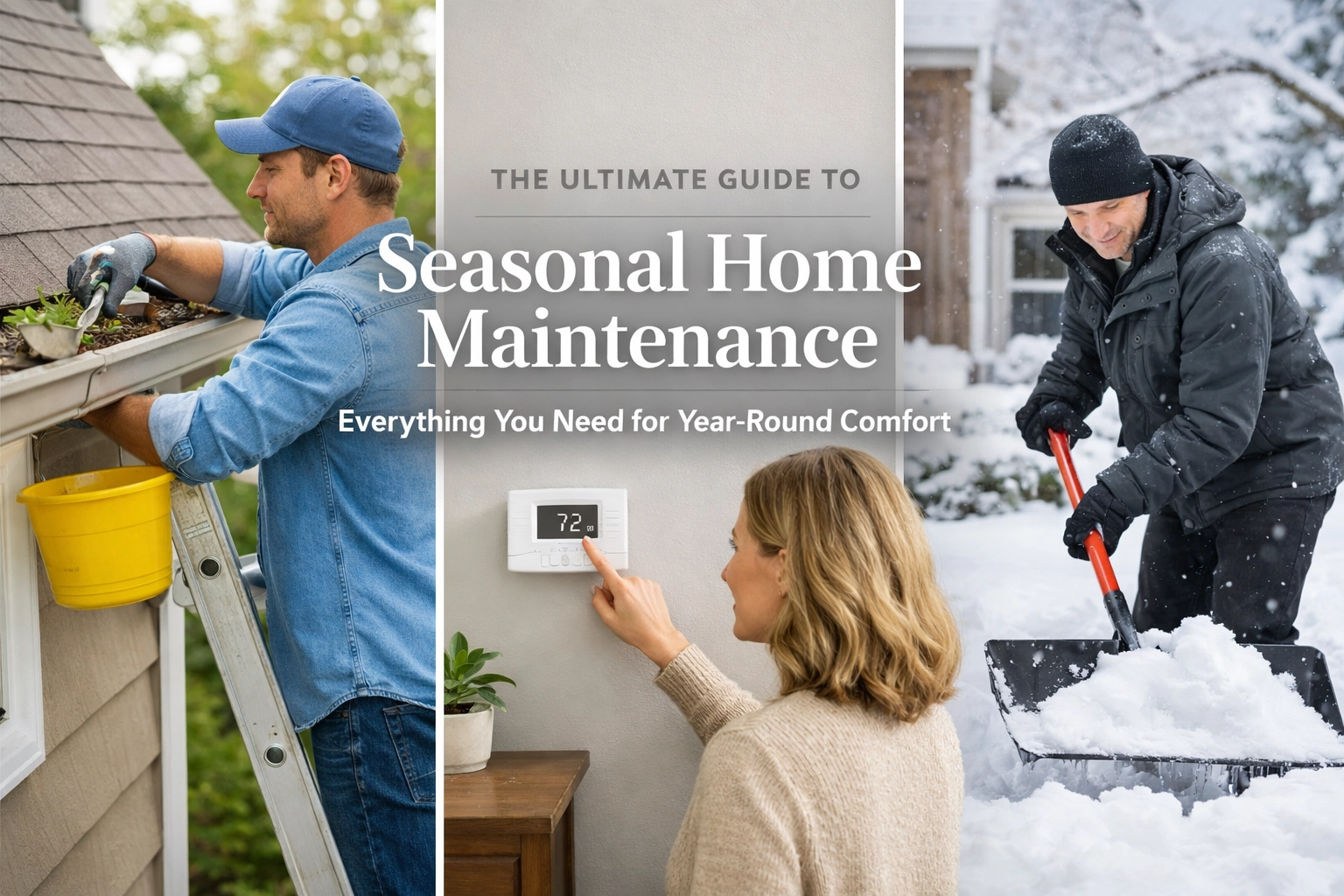
Maintaining a home is a continuous process that changes with the movement of the sun and the shifting of the winds. Proper home maintenance is not merely about fixing things when they break; it is about preventative care that preserves the integrity of the structure, ensures the safety of its inhabitants, and protects one of life’s most significant investments. By following a structured seasonal schedule, homeowners can avoid the stress of emergency repairs and the financial burden of neglected systems.
A well-maintained home operates more efficiently, resulting in lower utility bills and a more comfortable living environment. Whether it is preparing for the biting chill of winter or the humid heat of summer, each season presents a unique set of challenges. This guide provides a comprehensive roadmap for year-round care, ensuring that every corner of the property remains in peak condition regardless of the weather outside.
Spring: Awakening and Renewal
Spring is the season for assessment. After the harsh conditions of winter, the home requires a thorough inspection to identify any damage caused by ice, snow, and fluctuating temperatures. This is the optimal time to address exterior issues before the heavy rains of late spring and the heat of summer arrive.
Exterior Inspection and Roof Care
The roof is the first line of defense against the elements. It is essential to inspect the roof for missing, cracked, or curling shingles. High winds and heavy snow loads during winter can compromise the integrity of the roofing material. If shingles are damaged, water can seep into the sub-structure, leading to rot and mold.
While inspecting the roof, pay close attention to the flashing around chimneys, vents, and skylights. These are common points for leaks. If the sealant appears cracked or weathered, it should be reapplied to maintain a watertight seal.
Gutters and downspouts also require attention. Winter debris: such as twigs, needles, and residual ice-dam grit: can clog the drainage system. Ensure that water flows freely away from the foundation. Downspout extensions should discharge at least five feet away from the home to prevent basement flooding or foundation settling.
HVAC Preparation for Summer
Before the temperature rises, the air conditioning system needs a professional tune-up. A technician can check refrigerant levels, clean the condenser coils, and ensure the system is operating at maximum efficiency. On a DIY level, homeowners should clear away any leaves or debris that have gathered around the exterior AC unit to allow for proper airflow.
Changing the HVAC filter is perhaps the most simple yet effective maintenance task. Filters should be checked monthly and replaced at least every 90 days, or more frequently if there are pets or allergy sufferers in the home.

Landscaping and Foundation
As the ground thaws, check the grading around the house. The soil should slope away from the foundation to prevent water from pooling. If the ground has settled over the winter, adding fill dirt can restore the proper slope.
Inspect the foundation for any new cracks. Small hairline cracks are often the result of natural settling, but larger cracks may indicate structural issues that require professional evaluation. Additionally, check exterior faucets for freeze damage. To do this, turn on the water and place a finger over the opening; if the water pressure can be easily stopped, there may be a leak in the pipe inside the house.
Summer: Optimization and Protection
Summer maintenance focuses on keeping the home cool and functional during the hottest months. It is also an ideal time for projects that require dry weather and long daylight hours.
Indoor Air Quality and Efficiency
During the summer, the home is often sealed tight to keep the cool air in. This can lead to stagnant indoor air. It is important to clean ceiling fans and ensure they are rotating counter-clockwise to create a cooling downdraft.
Windows and doors should be inspected for air leaks. Worn weatherstripping can allow expensive cooled air to escape. Replacing these seals is a cost-effective way to lower energy costs. For those interested in learning more about home efficiency and other practical skills, the blog section offers various insights into modern living.
Exterior Surfaces and Decking
Sunlight and humidity can be brutal on wood surfaces. Inspect wooden decks, fences, and railings for signs of rot or insect damage. If water no longer beads on the surface of the deck, it is time to reseal or stain the wood to prevent warping and splintering.
Wash the exterior of the house to remove dirt, pollen, and mildew. This not only improves curb appeal but also extends the life of the paint or siding. While cleaning, check for any gaps where pests might enter. Summer is the peak season for ants, termites, and other wood-destroying organisms.

Safety Systems and Humidity Control
Check the basement or crawlspace for signs of excessive moisture. High humidity can lead to mold growth and musty odors. A dehumidifier can help maintain optimal moisture levels (ideally between 30% and 50%).
Test all smoke detectors and carbon monoxide alarms. Even if they are hardwired, most have battery backups that should be replaced annually. This is also a good time to check the expiration date on fire extinguishers and ensure they are easily accessible in the kitchen and garage.
Autumn: Preparing for the Freeze
Autumn is arguably the most critical season for home maintenance. The goal is to “button up” the house before the first frost, ensuring that heating systems are reliable and the exterior is protected from freezing temperatures.
Heating System Maintenance
Before the first cold snap, have the furnace or boiler serviced. A professional inspection can identify cracked heat exchangers or faulty igniters that could lead to system failure or, worse, carbon monoxide leaks.
If the home has a wood-burning fireplace, a chimney sweep should be hired to remove creosote buildup. Creosote is highly flammable and is the leading cause of chimney fires. Ensure the damper opens and closes smoothly to prevent drafts when the fireplace is not in use.
Winterizing Plumbing
Frozen pipes are a major risk in many climates. To prevent this, disconnect all garden hoses and drain the exterior faucets. If the home has a sprinkler system, it must be professionally “blown out” with compressed air to remove all water from the lines.
Insulate pipes in unheated areas such as crawlspaces, attics, and garages. Foam pipe insulation is an inexpensive material that can prevent thousands of dollars in water damage. For any questions regarding maintenance schedules or specific home care procedures, the Frequently Asked Questions page can provide additional clarity.

Sealing the Envelope
Check the attic insulation. If the insulation is level with or below the floor joists, adding more can significantly reduce heating costs. Also, look for “light leaks” from the attic into the living space, which indicate gaps where heat is escaping.
Autumn is also the time for a final gutter cleaning. Once the majority of the leaves have fallen, clear the gutters one last time to ensure that melting snow can drain properly in the winter. This is the most effective way to prevent ice dams, which occur when water backs up under the shingles and freezes.
Winter: Fortification and Interior Focus
When the weather turns cold, maintenance shifts primarily to the interior of the home. However, some exterior monitoring is still required to handle snow and ice.
Snow and Ice Management
After a heavy snowfall, monitor the accumulation on the roof. While most modern roofs are designed to handle significant weight, excessive snow can lead to structural stress. A roof rake can be used to safely remove snow from the edges of the roof while standing on the ground.
Keep walkways and driveways clear of ice. When using de-icing salts, be mindful of the type of material used. Some salts can damage concrete or harm pets and vegetation. Sand or birdseed can provide traction without the chemical side effects.
Interior Moisture and Health
Winter air is often very dry, which can cause wood flooring and furniture to shrink or crack. Using a humidifier can help protect these materials and improve respiratory comfort. However, watch for condensation on windows, which suggests the humidity is too high and may lead to mold on the window sills.
Winter is an excellent time to tackle interior projects like painting or organizing. It is also a good season to deep clean areas that are often overlooked, such as behind the refrigerator, the dryer vent, and the coils beneath the fridge. Cleaning the dryer vent is especially important, as lint buildup is a significant fire hazard.

Sump Pump and Basement Health
If the home has a sump pump, it should be tested regularly, even in winter. Pour a bucket of water into the pit to ensure the pump triggers and effectively removes the water. In areas prone to power outages during winter storms, a battery backup for the sump pump is a wise investment to prevent basement flooding during a thaw.
Year-Round Maintenance Tasks
While some tasks are seasonal, others should be performed on a regular monthly or quarterly basis to keep the home running smoothly.
Monthly Checklist
- HVAC Filters: Check and replace if dirty.
- Disposal Cleaning: Grind ice cubes and lemon peels to clean the blades and freshen the scent.
- Range Hood Filters: Degrease the metal filters in the dishwasher or with hot soapy water.
- Fire Extinguishers: Ensure the pressure gauge is in the green zone.
Quarterly Checklist
- Water Softener: Check salt levels and look for “salt bridges” that prevent the system from regenerating.
- Smoke/CO Detectors: Test the “test” button to ensure the sirens are functional.
- Faucet Aerators: Unscrew and clean out any mineral deposits to maintain water pressure.
- Grout and Caulk: Inspect the tub and shower areas for cracking caulk, which can lead to water damage behind the walls.

The Long-Term Benefits of Consistency
Home maintenance is often viewed as a chore, but it is better understood as a form of stewardship. A home that is cared for consistently will provide a safer, healthier, and more comfortable environment for its occupants. Furthermore, when it comes time to sell, a well-documented maintenance history can significantly increase the property’s value and appeal to potential buyers.
By breaking tasks down into seasons, the workload becomes manageable. Rather than facing a long list of repairs all at once, the homeowner addresses small issues before they escalate. This proactive approach saves time, money, and stress.
For those who are new to homeownership or looking to expand their knowledge on maintaining a property, visiting the About Us page provides more context on how educational resources can empower individuals to take control of their living spaces.
Conclusion
The transition between seasons provides a natural rhythm for home care. Spring offers a chance to repair the damages of winter; Summer is for enjoying the outdoors and optimizing efficiency; Autumn is for fortifying the home against the cold; and Winter is for focusing on the safety and comfort of the interior.
By implementing the strategies outlined in this guide, homeowners can ensure their property remains a sanctuary of comfort and a solid investment for years to come. For any specific inquiries or to learn more about our community, feel free to contact us or explore our site further at Paris Wheel. Consistent care is the key to a house that truly feels like a home.

