
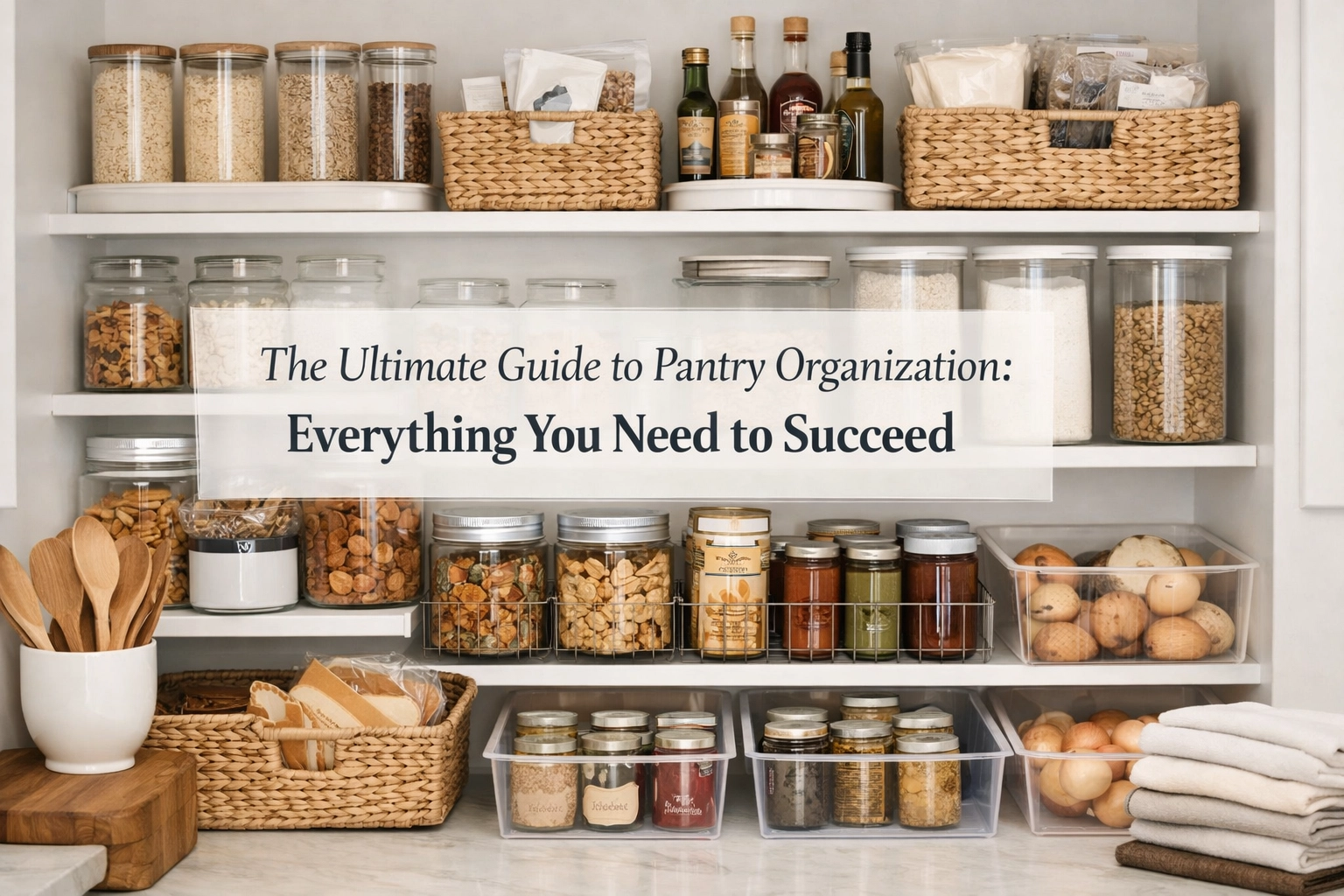
A well-organized pantry serves as the functional heart of a kitchen. It streamlines meal preparation, reduces food waste, and minimizes the stress associated with grocery shopping and daily cooking. When items are shoved into dark corners or stacked haphazardly, it becomes nearly impossible to maintain an accurate inventory. This leads to the common problem of purchasing duplicates or discovering expired ingredients months after their prime.
Transforming a cluttered pantry into an efficient system requires a strategic approach. It is not merely about buying matching containers; it is about creating a logical flow that aligns with a household’s specific eating and cooking habits. By implementing sustainable storage solutions and organizational methods, anyone can create a space that remains orderly long after the initial cleanup.
The Essential Pre-Organization Phase
Before purchasing any bins or labels, the space must be completely cleared. This step is non-negotiable for a successful outcome. Removing every single item from the shelves allows for a full assessment of the available square footage and the current state of the inventory.
The Full Empty Out
Start by clearing all surfaces, including floor space and back-of-door racks. As items come out, place them on a large table or kitchen counter. This visual representation of everything owned can be quite eye-opening. It often reveals exactly how many half-empty bags of flour or duplicate jars of cinnamon have been hiding in the back.
Once empty, the pantry shelves should be thoroughly cleaned. Dust, crumbs, and sticky spills tend to accumulate in these areas, attracting pests and creating an unappealing environment for food storage. Use a vacuum for corners and a damp cloth with a mild cleaner for the surfaces. If the shelves are wire, consider adding shelf liners to prevent small items from tipping over or falling through.
Sorting and Purging
With everything out in the open, the sorting process begins. Check every expiration date. Any item that is past its prime should be discarded. For items that are still good but unlikely to be used, consider donating them to a local food bank to reduce waste.
Group the remaining items into broad categories:
- Grains and pastas
- Baking supplies
- Canned goods
- Snacks
- Breakfast items
- Oils, vinegars, and condiments
- Specialty or seasonal items

Categorizing with the Zone System
The most effective pantries are organized into “zones.” This methodology ensures that similar items are kept together, making it easy for anyone in the household to find what they need. Instead of searching the entire pantry for a specific snack, one only needs to look in the designated “Snack Zone.”
The Baking Station
A dedicated baking zone is highly efficient for those who bake frequently. Store flour, sugar, baking soda, chocolate chips, and extracts in one area. If there is enough room, keeping a set of measuring cups or a small scale in this zone can further streamline the process.
The Breakfast Zone
This area should hold cereals, oatmeal, pancake mixes, syrups, and coffee supplies. Placing the breakfast zone at eye level or in a high-traffic area allows for quick mornings. If children are responsible for getting their own breakfast, ensure these items are placed on a lower shelf within their reach.
Cooking Essentials and Canned Goods
This is often the largest zone and includes pasta, rice, beans, and canned vegetables. These are heavy items and are best stored on mid-to-lower shelves for stability. Using tiered organizers for cans ensures that labels stay visible and prevents “hidden” cans from expiring in the back.
The Snack Central
Snacks are often the primary cause of pantry chaos. Creating a dedicated zone for chips, crackers, and granola bars prevents these items from migrating across other shelves. Using open bins for snacks allows family members to see what is available without rummaging through boxes.
Selecting the Right Storage Solutions
Choosing storage containers is a critical step in maintaining order. The goal is to maximize space and keep food fresh.
The Case for Decanting
Decanting: the process of moving dry goods from their original packaging into airtight containers: is a popular organizational strategy. It offers several benefits:
- Uniformity: Matching containers utilize shelf space more efficiently than mismatched boxes and bags.
- Freshness: Airtight seals prevent staleness and keep pests like pantry moths away.
- Visibility: Clear containers allow for a quick visual inventory. It is immediately obvious when the supply of rice or sugar is running low.
When choosing containers, opt for square or rectangular shapes. Round containers leave “dead space” between them, whereas square containers can be pushed flush against each other, maximizing every inch of the kitchen and dining storage area.
Utilizing Bins and Baskets
For items that cannot be decanted, such as bagged snacks or condiment packets, bins and baskets are essential. Transparent plastic bins are ideal for the interior of the pantry because they maintain visibility. Woven or wire baskets are excellent for floor-level storage, housing bulkier items like potatoes, onions, or extra paper towels.

Maximizing Vertical and Hidden Space
Most pantries have significant amounts of wasted space between shelves. Utilizing vertical real estate is the secret to a high-capacity pantry.
Shelf Risers and Tiered Organizers
Shelf risers create an extra “mini-shelf” within an existing one, allowing for two layers of storage without stacking items directly on top of each other. This is particularly useful for mugs, small jars, or canned goods. Tiered organizers, similar to a spice rack, ensure that items in the back are elevated above those in the front.
Over-the-Door Storage
The back of the pantry door is often overlooked. Installing an over-the-door rack can provide substantial storage for lightweight items such as spices, foil, plastic wrap, or even snacks. This keeps high-frequency items accessible without taking up valuable shelf space.
Lazy Susans for Corners
Corners are notoriously difficult to organize. Items placed in a corner often become “lost.” A Lazy Susan (turntable) solves this by bringing the items in the back to the front with a simple spin. These are perfect for oils, vinegars, honey, and other bottled condiments that tend to leak or leave rings on shelves.
The Importance of Labeling
Labeling is the final step that ensures the system remains intact. Without labels, even the most beautiful pantry will eventually fall back into disarray as items are put away in the wrong places.
Types of Labels
- Vinyl Stickers: These offer a clean, professional look and are water-resistant.
- Chalkboard Labels: Ideal for containers whose contents change frequently, such as seasonal baking supplies.
- Label Makers: Provide a consistent, easy-to-read font for a uniform appearance.
- Clip-on Bin Labels: Perfect for baskets where stickers might not adhere well.
Labels should be descriptive but simple. Use categories like “Pasta,” “Flour,” or “Toddler Snacks.” If decanting, it is also helpful to include the expiration date or cooking instructions on a small sticker on the bottom or back of the container.

Strategies for Challenging Pantry Layouts
Every pantry is different, and some present unique architectural challenges.
Deep Shelves
Deep shelves are common in older homes and walk-in pantries. The risk with deep shelving is that items get pushed to the back and forgotten. To combat this, use long, narrow bins that act like drawers. When you need something, you can pull the entire bin forward to see the contents at the back.
Small Cabinet Pantries
If the “pantry” is actually just a single kitchen cabinet, efficiency is paramount. Use stackable containers and home office storage style dividers to separate different types of food. Pull-out drawers can also be retrofitted into standard cabinets to make reaching the back much easier.
High Shelves
Items on the highest shelves should be those used least frequently: think holiday cookie cutters, large stockpots, or backstock of paper goods. Keep a sturdy step stool nearby to ensure these items remain accessible when needed.
Inventory Management and Maintenance
An organized pantry is not a “one-and-done” project; it requires ongoing maintenance. However, with a solid system in place, this maintenance should take only a few minutes a week.
The “One In, One Out” Rule
To prevent overcrowding, adopt a “one in, one out” policy. Before purchasing a new bulk item, ensure there is designated space for it. Avoid buying items “just in case” if the pantry is already at capacity.
Regular Resets
Spend five minutes once a week, perhaps before grocery shopping, to tidy the shelves. Straighten rows, move older items to the front (the “First In, First Out” method used in professional kitchens), and update the shopping list based on what is missing.
Seasonal Audits
Every six months, perform a more thorough audit. Check expiration dates again, wipe down the shelves, and reassess the zones. If the household’s eating habits have changed: for example, a transition to more home baking: adjust the zones to accommodate the new needs.

Benefits of an Organized Pantry
The effort required to organize a pantry yields significant long-term benefits.
Financial Savings
When an inventory is clearly visible, overbuying is eliminated. People often spend hundreds of dollars a year on ingredients they already own simply because they couldn’t find them. Furthermore, airtight storage extends the shelf life of expensive dry goods, reducing the amount of food that ends up in the trash.
Improved Meal Planning
Planning meals is significantly easier when you know exactly what ingredients are on hand. An organized pantry allows for “pantry cooking”: the ability to throw together a nutritious meal from staples without needing a trip to the store.
Reduced Stress
The kitchen is a high-stress environment during peak hours like breakfast or dinner prep. Removing the frustration of digging through a cluttered pantry creates a calmer, more enjoyable cooking experience.
For those looking to expand their knowledge of home management and efficient living, exploring all products related to organization can provide further inspiration for every room in the house.
Conclusion
Pantry organization is a practical skill that improves daily life. By viewing the pantry as a system of zones and utilizing the right tools: such as clear bins, shelf risers, and labels: anyone can transform a chaotic space into a model of efficiency. The key is to start with a clean slate, categorize logically, and commit to small, regular maintenance tasks. A successful pantry is not one that looks like a magazine cover for a day, but one that remains functional and helpful for years to come.

