
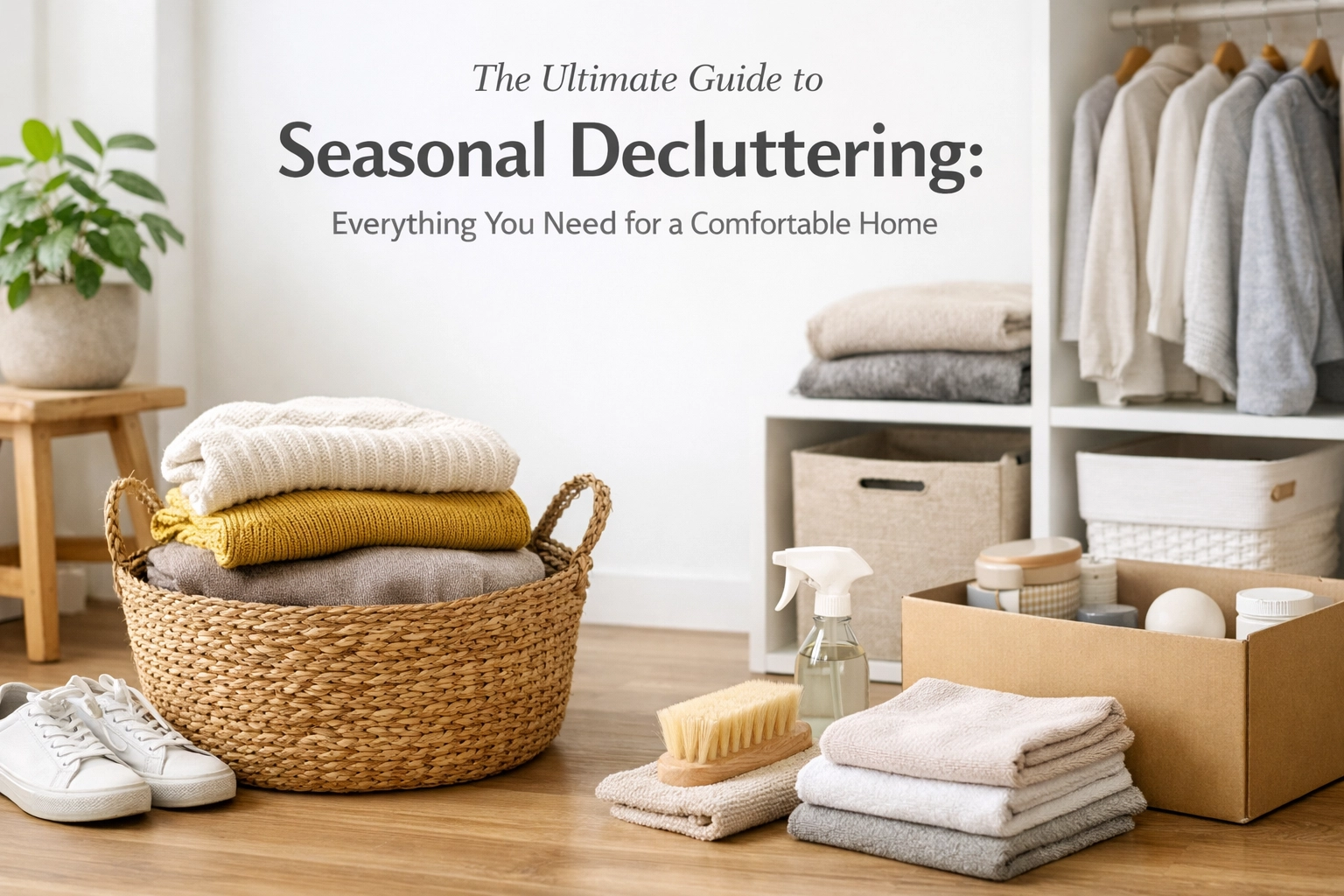
Maintaining a comfortable home is a dynamic process that evolves with the changing seasons. The physical environment directly impacts mental clarity and relaxation. When a living space is crowded with items that are no longer useful or relevant to the current time of year, it can create a sense of stagnant energy and visual noise. Seasonal decluttering offers a structured way to address these issues, breaking down the massive task of home organization into manageable, quarterly cycles.
By aligning home maintenance with the natural transition of the year, it becomes possible to optimize every room for its specific seasonal purpose. Whether it is preparing a mudroom for winter boots or clearing out a pantry for summer hosting, a focused approach ensures that the home remains a sanctuary rather than a source of stress. This guide provides a comprehensive roadmap for transforming a living space through the art of seasonal transitions.
The Connection Between Order and Home Comfort
A comfortable home is not merely one that is aesthetically pleasing; it is one that functions efficiently. When items are easy to find and surfaces are clear, daily routines become smoother. This efficiency reduces the “cognitive load” or the mental effort required to navigate a space. Seasonal decluttering plays a vital role in this by removing the friction caused by out-of-season items.
Consider the psychological impact of walking into a room filled with heavy winter blankets and dark curtains during the height of summer. These items, while cozy in December, can feel suffocating in July. By rotating items in and out of use based on the climate and household activities, the home remains responsive to the needs of its inhabitants. This creates a “breathable” environment that supports rest and productivity.
Foundational Strategies for Effective Decluttering
Before diving into season-specific tasks, it is essential to establish a system that prevents overwhelm. Decluttering is most successful when it is approached with a clear plan and realistic expectations.
The Three-Bin System
The most effective way to process items is to create three distinct categories:
- Keep: Items that are used regularly, have clear functional value, or hold genuine sentimental significance.
- Donate/Sell: Items that are in good condition but no longer serve the household.
- Toss/Recycle: Items that are broken beyond repair, expired, or otherwise unusable.
Using physical bins or bags for these categories helps to keep the process organized and prevents items from migrating back into their original spots before a final decision is made.
The One-Year Rule
A reliable benchmark for decluttering is the one-year rule. If an item has not been used or worn in the last twelve months, it is a prime candidate for removal. This rule is particularly effective for seasonal items like holiday decor, specific kitchen gadgets, or weather-dependent clothing. If a full cycle of seasons has passed without the item being touched, its utility in the home is likely minimal.

Spring: The Great Refresh and Outdoor Readiness
Spring is traditionally associated with renewal, making it the perfect time for a deep purge. As the weather warms, the focus shifts from indoor hibernation to outdoor activity and fresh air.
Wardrobe Transition
The transition from heavy knits to light linens is a significant undertaking. When packing away winter clothes, each piece should be inspected. Are there sweaters that went unworn all winter? Are there boots that are worn through? This is the time to donate unused winter gear so it can be processed by charities well before the next cold snap. Once the winter items are cleared, the spring and summer wardrobe can be moved to the primary closet space, ensuring easy access to lighter layers.
Garden and Outdoor Maintenance
As the ground thaws, attention turns to the exterior of the home. Decluttering the garage or shed is essential for a productive gardening season.
- Audit Tools: Check for rusted shears, broken rakes, or empty fertilizer bags.
- Outdoor Furniture: Clean and inspect patio sets. If pieces are broken or rusted, decide whether they can be repaired or if they should be recycled.
- Pest Control and Supplies: Check the dates on any lawn treatments or seeds left over from the previous year.
The Bathroom and Medicine Cabinet
Spring is an excellent time to tackle small, high-density areas like the bathroom. Toiletries and cosmetics have surprisingly short shelf lives.
- Makeup: Liquid products typically last six months to a year, while powders may last up to two.
- Sunscreen: Check expiration dates to ensure protection for the coming sunny months.
- Medicine: Safely dispose of expired over-the-counter medications at local pharmacies or designated drop-off sites.

Summer: Managing High-Traffic Transitions
Summer decluttering is about managing the influx of gear that comes with outdoor hobbies, travel, and school holidays. The goal is to keep common areas clear to accommodate increased movement and social gatherings.
The Entryway and Mudroom
During summer, the entryway often becomes a catch-all for sunglasses, hats, beach towels, and sports equipment. To maintain order, implement a “one-in, one-out” policy for gear. Assign specific baskets or hooks to each family member. This prevents the “pile-up” effect where items are dropped at the door and forgotten. If the household has children, summer is a good time to go through school bags and papers from the previous year, filing away important milestones and recycling the rest.
Kitchen and Pantry Optimization
Summer eating habits tend to be lighter and more focused on fresh produce.
- Countertops: Clear away heavy appliances like slow cookers if they are not used for summer meals. This provides more space for food preparation.
- Pantry Purge: Check for expired baking supplies or heavy canned goods that might have been ignored during the spring.
- Hydration Station: Organize water bottles and travel mugs. If a cabinet is overflowing with lids that don’t have matching bottles, it is time to simplify.
Outdoor Living and Pool Gear
For homes with pools or frequent outdoor activities, clutter can accumulate rapidly in the form of inflatable toys, cushions, and towels. Use weatherproof bins to group these items by category. At the end of every month, inspect the bins for items that have become damaged by sun or chlorine. Keeping these areas lean ensures that the backyard remains a place of relaxation rather than a maintenance chore.

Fall: Winterizing and Preparing for Gathering
As the days shorten, the focus of seasonal decluttering shifts back indoors. Fall is about creating a “nest” and preparing for the holiday season and the colder months ahead.
The Heart of the Home: Kitchen and Dining
With the holidays approaching, the kitchen becomes the center of activity.
- Cooking Tools: Audit roasting pans, baking sheets, and specialty gadgets. If a kitchen contains three turkey basters or five identical pie tins, consider donating the extras.
- Linens: Check tablecloths and napkins for stains or wear.
- Food Storage: Organize the “tupperware drawer.” Ensure every container has a matching lid. This will be invaluable when managing holiday leftovers.
Guest Rooms and Linens
If hosting guests is on the horizon, the guest room needs attention. Clear out any items that have been “stored” on the guest bed over the summer. Freshen up the linens and declutter the nightstands. Ensure there is adequate space in the guest closet by removing out-of-season clothing that might be taking up residence there. For more information on organizing home spaces, visiting the Paris Wheel blog can provide further inspiration.
Winterizing the Interior
Fall decluttering also involves a functional check of the home’s systems.
- Fireplace: Clear the hearth of any decorative items that might pose a fire hazard once the season begins.
- Windows and Doors: Clear away any clutter blocking vents or radiators to ensure efficient heating.
- Entryway Swap: Move the summer gear to storage and bring forward the heavy coats, scarves, and umbrellas.

Winter: Deep Focus and Digital Order
Winter is the season for introspection and “hidden” decluttering. Since more time is spent indoors, it is the ideal time to tackle the areas that are usually out of sight, such as offices and digital files.
Paperwork and Office Organization
As the year ends and tax season approaches, organizing paperwork is a priority.
- Financial Records: Shred documents that are no longer needed (typically those older than seven years, though specific records vary).
- Mail: Create a system for incoming mail to prevent “paper mountains” on the kitchen island.
- Digital Files: Decluttering isn’t just physical. Spend time deleting old emails, organizing desktop icons, and backing up photos from the previous year. This “digital declutter” can significantly reduce daily frustration.
Toy Rotation and Post-Holiday Purge
For households with children, the period after the winter holidays is crucial. With new gifts entering the home, the volume of toys can become overwhelming. This is the perfect time to involve children in a donation project. Encouraging them to choose toys they have outgrown to give to others helps manage the inventory and teaches valuable lessons about sharing.
Storage Spaces (Attics, Basements, Garages)
During the quietest weeks of winter, tackle the “long-term” storage areas. These spaces often become dumping grounds for things people are “unsure” about. Revisit these boxes with a critical eye. If a box hasn’t been opened since the last house move, its contents are likely no longer needed for a comfortable life. More details on managing household tasks can be found through the customer help section or the about page.

Responsible Disposal: The Ethical Finish
Decluttering is only half the battle; the other half is ensuring that the items removed from the home are handled responsibly. Throwing everything into a landfill is rarely the best option.
Donation and Consignment
Items in good condition should find a second life. Local charities, shelters, and community centers often have lists of needed items. High-quality clothing or furniture can also be sold via consignment shops or online marketplaces. This not only keeps items out of the waste stream but can also provide a small financial return or a tax deduction.
Recycling and Hazardous Waste
Many common household items cannot go into the regular trash.
- E-Waste: Old computers, phones, and batteries contain heavy metals and should be taken to specialized recycling centers.
- Textiles: Some organizations accept “unwearable” clothing (torn or stained) to be shredded and recycled into insulation or rags.
- Chemicals: Old paint, cleaning supplies, and garden chemicals should be disposed of during municipal hazardous waste collection days.
Long-Term Maintenance: The Secret to a Comfortable Home
The ultimate goal of seasonal decluttering is to reach a state where the home feels consistently manageable. This is achieved through small, daily habits that prevent clutter from accumulating in the first place.
The “Two-Minute” Rule
If a task takes less than two minutes: such as putting away a coat, filing a bill, or rinsing a dish: do it immediately. These small actions prevent the “pile-up” that leads to the need for massive decluttering sessions.
Mindful Acquisition
Before bringing a new item into the home, consider where it will live and what purpose it will serve. In a world of instant shopping and fast fashion, being intentional about what enters the space is the most effective way to maintain long-term order. This philosophy aligns with modern approaches to online learning and self-improvement, where the focus is on quality over quantity.
Seasonal Check-Ins
By marking the calendar for a “Seasonal Check-In” at the start of each quarter, the process becomes a predictable part of the year. Over time, these sessions will become shorter and easier as the overall volume of unnecessary items in the home decreases.
Creating a comfortable home is a journey, not a destination. It requires a willingness to let go of the past to make room for the present. Through the rhythmic practice of seasonal decluttering, any living space can be transformed into a functional, peaceful, and truly comfortable sanctuary. For those looking to explore more about home management or browse specific categories, checking the shop or various product tags can offer practical solutions for an organized life.

