
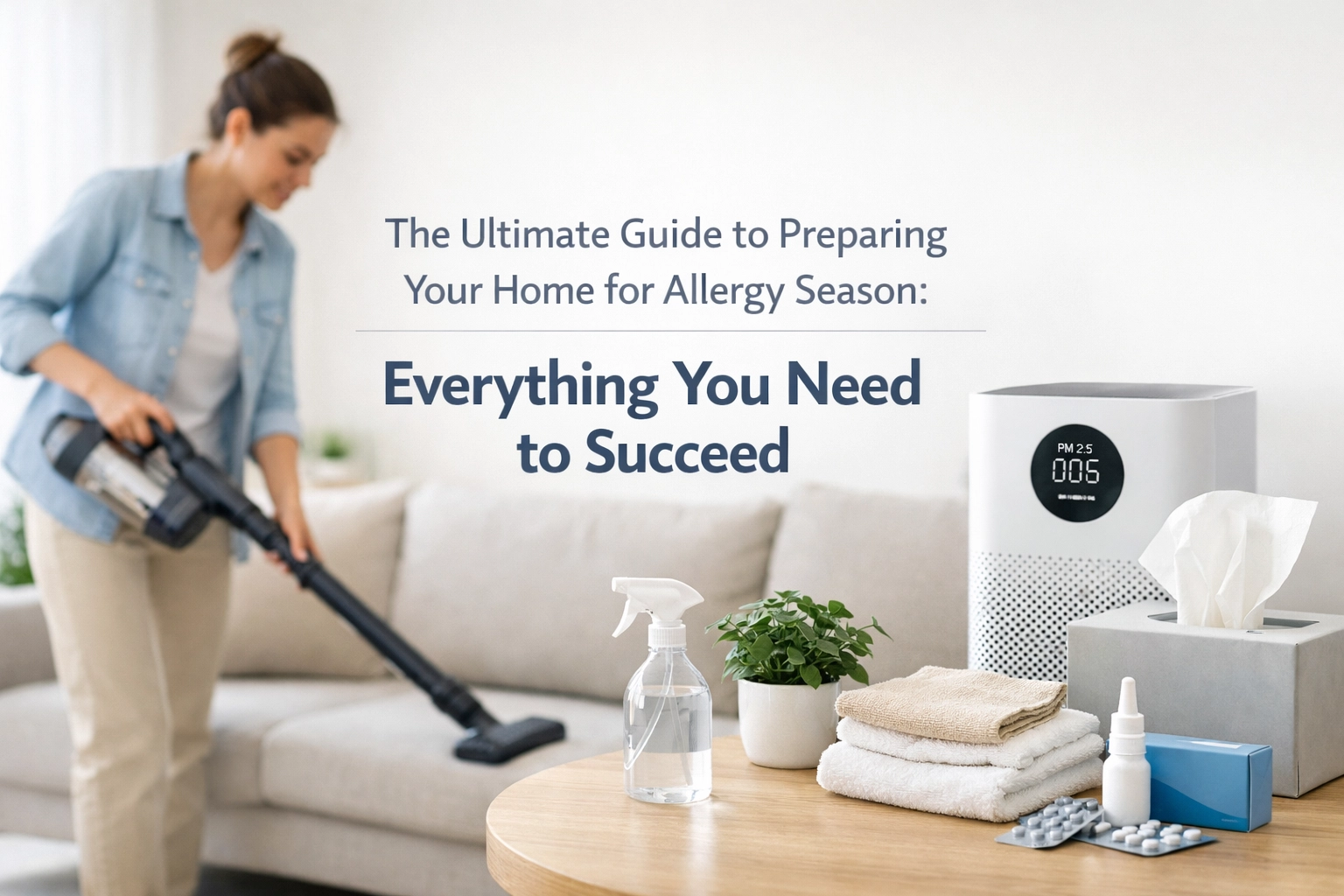
As the seasons transition, environmental changes often lead to an influx of airborne particles that can significantly impact indoor comfort. Preparing a home for allergy season is not merely a matter of a single afternoon of cleaning; it is a comprehensive strategy involving air filtration, moisture control, and the management of soft surfaces. By understanding how allergens like pollen, dust mites, mold, and pet dander enter and settle within a living space, residents can create a more controlled environment that promotes respiratory health and general well-being.
Understanding the Indoor Environment
The indoor environment is a complex ecosystem where outdoor pollutants meet indoor-generated particles. During peak allergy seasons, such as spring or fall, pollen counts rise, and these microscopic grains are easily transported indoors through open windows, on clothing, and via pets. Once inside, they join existing indoor allergens like dust mites, which thrive in humid conditions, and mold spores that linger in damp areas.
To effectively combat these irritants, a multi-layered defense is necessary. This involves identifying “hot zones” within the home where allergens are most likely to accumulate and implementing specific protocols to neutralize them. The goal is to reduce the total “bio-load” of the home, ensuring that the air remains clean and the surfaces remain free of triggers.
Optimizing Air Quality and Ventilation
Air quality is the foundation of a comfortable home during allergy season. Because most allergens are airborne at some point, the systems used to circulate and filter air are the primary tools for maintenance.
High-Efficiency Filtration
The most effective way to remove particles from the air is through the use of HEPA (High-Efficiency Particulate Air) filters. These filters are capable of trapping 99.97% of particles that are 0.3 microns or larger, which includes most pollens, mold spores, and pet dander.
For central heating and cooling systems, homeowners should check the MERV (Minimum Efficiency Reporting Value) rating of their filters. A rating between 11 and 13 is generally recommended for residential use to balance air filtration with the mechanical limits of the HVAC system. It is vital to change these filters every 60 to 90 days, or more frequently during peak pollen seasons.
Portable Air Purifiers
In addition to central systems, portable HEPA air purifiers can be placed in high-traffic areas and bedrooms. These units provide localized filtration, ensuring that the air in specific rooms is refreshed multiple times per hour. When selecting a unit, looking for the CADR (Clean Air Delivery Rate) can help determine if the device is appropriate for the square footage of the room. Integrating these into a smart home setup can allow for automated scheduling based on outdoor air quality reports.

Managing Ventilation
While it is tempting to open windows for a fresh breeze, doing so during allergy season can introduce a flood of pollen into the home. Instead, relying on air conditioning is preferred. Modern AC units not only cool the air but also dehumidify it, which is essential for controlling dust mites and mold. If windows must be opened, it is best to do so late at night or during a soaking rain when pollen counts are naturally lower.
Creating a Sleep Sanctuary: The Bedroom
The bedroom is arguably the most important room to focus on, as humans spend approximately one-third of their lives there. Minimizing allergen exposure during sleep can lead to better rest and reduced daytime symptoms.
Bedding Maintenance
Bedding is a primary habitat for dust mites. These microscopic organisms feed on dead skin cells and thrive in the warmth of a bed. To manage them, all bedding: including sheets, pillowcases, and blankets: should be washed once a week in water that is at least 130°F (60°C). High heat is necessary to kill the mites and remove the allergens they produce.
Protective Encasements
Using allergen-proof covers for mattresses, box springs, and pillows is a highly effective preventative measure. These covers are made of tightly woven fabric that prevents dust mites and dander from entering or escaping the mattress and pillows. This creates a physical barrier that is much easier to keep clean than the mattress itself.

Reducing Soft Surfaces
The bedroom should ideally be kept as minimalist as possible. Heavy drapes, upholstered headboards, and excess decorative pillows can all act as dust traps. Replacing thick curtains with washable cotton versions or roller shades can significantly reduce the dust load in the room. Similarly, keeping the floor clear of clutter makes it easier to clean regularly, preventing the accumulation of “dust bunnies.” Utilizing home storage solutions can help keep items off the floor and protected from dust.
Flooring and Surface Strategy
Flooring choices and the methods used to clean them play a significant role in how allergens persist in a home.
Hard Flooring vs. Carpet
Wall-to-wall carpeting is one of the most significant reservoirs for allergens in any home. It traps dust, hair, and pollen deep within its fibers, where standard vacuuming often fails to reach. Whenever possible, transitioning to hard flooring surfaces such as hardwood, tile, linoleum, or luxury vinyl plank is recommended. These surfaces do not “hold” allergens and can be cleaned much more thoroughly.
If carpet must remain, it is best to choose low-pile varieties. High-pile or “shag” carpets are much more difficult to keep clear of debris. For those using area rugs, choosing washable options that can be laundered regularly is a practical middle ground.
Advanced Vacuuming Techniques
Regardless of the flooring type, the method of cleaning is crucial. Vacuuming should be performed at least twice a week using a vacuum equipped with a HEPA filter. Without a HEPA filter, a vacuum may simply suck up large debris and exhaust smaller allergens back into the air.
When vacuuming, it is important to move slowly to allow the machine to pull particles from the depths of the carpet. Particular attention should be paid to areas under furniture and along baseboards where dust tends to settle.
The Power of Damp Cleaning
Traditional dry dusting or sweeping often does more harm than good by kicking particles into the air. Instead, the use of damp cloths and mops is advised. A damp microfiber cloth will trap dust and allergens, allowing them to be rinsed away or laundered. Starting from the highest surfaces in a room: such as ceiling fans and the tops of bookshelves: and working downward ensures that any displaced dust is captured as the cleaning progresses.
Moisture Control: Kitchen and Bathroom
Mold is a potent allergen that thrives in moist environments. The kitchen and bathroom are the most common areas for mold growth, but humidity levels throughout the home must be monitored.
Controlling Bathroom Humidity
Bathrooms are naturally prone to high humidity. After showering, it is important to run the exhaust fan for at least 20 to 30 minutes to pull moisture out of the air. If a bathroom lacks a fan, leaving the door open or opening a window slightly (if pollen levels allow) can help.
Shower curtains should be checked regularly for mildew. Plastic liners can be wiped down weekly with a mold-killing solution or replaced periodically. Additionally, cleaning the grout and tiles with a specialized cleaner prevents the buildup of mold spores in the porous surfaces.
Kitchen Management
In the kitchen, moisture and food sources can attract pests like cockroaches, which are also a significant source of indoor allergens. Installing a vented exhaust fan over the stove helps remove steam and cooking fumes. Sinks should be kept dry and free of food debris.
Proper food storage is essential. Using airtight containers for pantry staples prevents pests and keeps the environment clean. For organization, exploring kitchen and dining storage can provide ways to keep surfaces clear and easy to wipe down.

Dehumidification
Ideally, the indoor humidity level should be kept between 30% and 50%. This range is high enough for comfort but low enough to inhibit the growth of mold and the reproduction of dust mites. Using a dehumidifier in basements or particularly humid rooms can be very effective. A hygrometer: a small device that measures humidity: is a useful tool for monitoring these levels throughout the house.
Managing Entryways and Outdoor Transitions
Many allergens are brought into the home on the bodies and clothing of the residents. Establishing a “decontamination” routine at the entryway can prevent outdoor pollutants from spreading throughout the living space.
The Shoes-Off Policy
One of the simplest yet most effective ways to keep a home clean is to implement a strict shoes-off policy. Shoes pick up pollen, pesticides, and animal waste from the outdoors. By leaving shoes at the door, these contaminants stay localized. Providing a dedicated shoe rack or bench at the entrance encourages this habit for both residents and guests.

Entry Mats
High-quality walk-off mats should be placed both outside and inside every entrance. These mats act as a first line of defense, scrubbing debris from the bottom of shoes. These mats must be cleaned or hosed off regularly to remain effective.
Personal Hygiene Post-Outdoors
During high pollen days, the hair and skin can act as magnets for allergens. Changing clothes immediately upon entering the home and placing them directly into the laundry can prevent pollen from being deposited on furniture. Taking a shower before bed is also highly recommended to ensure that pollen collected during the day is not transferred to the pillow and bedding.
Pet Management and Dander Control
For households with pets, dander: microscopic flecks of skin shed by cats, dogs, and other animals: is a constant presence. While no pet is truly “hypoallergenic,” there are ways to manage the impact of pet dander on the home environment.
Designated Pet-Free Zones
Creating specific areas of the home that are off-limits to pets can provide a safe haven for those with sensitivities. The bedroom should be the first priority for a pet-free zone. This prevents dander from accumulating in the sleeping area. High-quality home office storage can also help keep workspaces clear of pet hair and dander, ensuring a more productive environment.
Grooming Routines
Regular grooming is essential for reducing the amount of dander a pet releases. Brushing pets outdoors (or having someone without allergies do it) helps remove loose fur and skin cells before they enter the home. Weekly bathing with a pet-safe shampoo can also significantly reduce the dander load, although it is important not to over-bathe certain breeds to avoid skin irritation.
Cleaning Pet Gear
Pet beds, toys, and blankets should be washed weekly in hot water, similar to human bedding. If a pet spends time on upholstered furniture, using washable throws can make it easier to keep those surfaces clean without having to deep-clean the furniture itself.
Weekly and Monthly Maintenance Checklist
Consistency is key to managing home allergens. Establishing a routine ensures that no area is neglected for long enough to allow allergens to build up.
Weekly Tasks
- Wash all bedding: Use hot water (130°F+) and dry on high heat.
- Vacuum with HEPA: Focus on high-traffic areas, rugs, and under furniture.
- Damp-dust surfaces: Wipe down tables, shelves, and electronics with a damp microfiber cloth.
- Mop hard floors: Use a damp mop to capture dust that the vacuum may have missed.
- Clean bathroom surfaces: Use mold-inhibiting cleaners on tiles and shower curtains.

Monthly Tasks
- Check HVAC filters: Replace if they appear dirty or if the season is particularly active.
- Wash curtains and rugs: Launder any soft textiles that are not cleaned weekly.
- Clean window sills and frames: Wipe away moisture and pollen that collects in the tracks of windows.
- Clean behind appliances: Dust can accumulate behind the refrigerator and stove, areas often overlooked.
- Inspect for leaks: Check under sinks and around toilets for any signs of moisture that could lead to mold.
Long-Term Structural Improvements
For those looking to make more permanent changes to their home environment, several structural upgrades can offer long-term benefits for allergy management.
- Integrated Air Purification: Installing a whole-home air purification system that integrates directly into the HVAC ductwork can provide superior filtration compared to portable units.
- Upgrading Windows: High-quality, double-pane windows with proper seals prevent outdoor air: and the pollen it carries: from leaking into the home.
- Replacing Old Insulation: Some types of old insulation can harbor dust and mold. Upgrading to modern, non-organic insulation materials can improve indoor air quality.
- Central Vacuum Systems: These systems exhaust the air and dust outside the home entirely, rather than back into the room, making them an excellent choice for allergy sufferers.
Managing a home during allergy season requires diligence and a systematic approach. By focusing on air quality, surface cleanliness, and moisture control, the indoor environment can remain a comfortable refuge regardless of the outdoor pollen count. While it may require an initial investment of time and resources, the resulting improvement in daily comfort and health is a valuable return. Through consistent habits and strategic home maintenance, success in navigating allergy season is entirely achievable.

